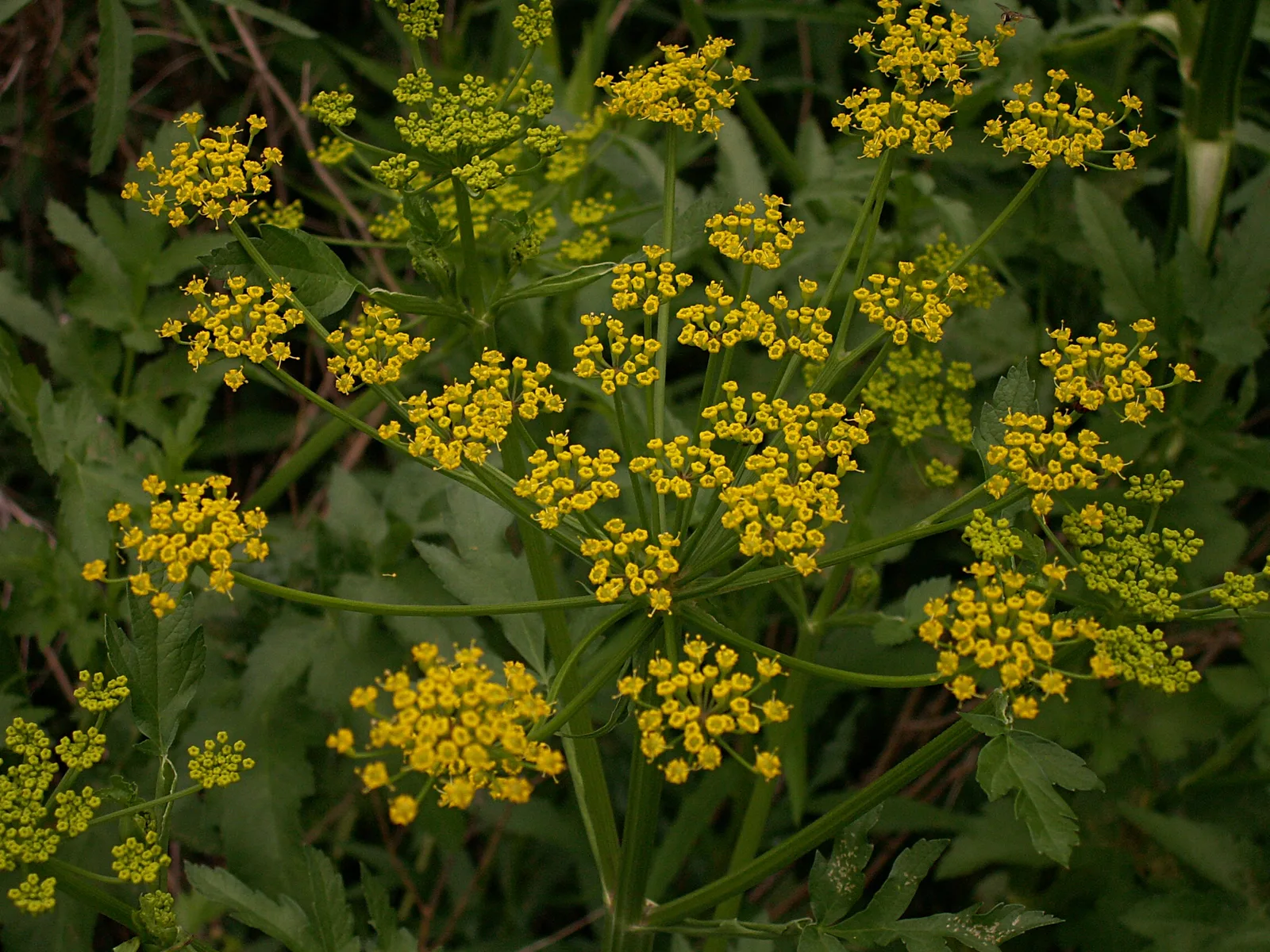
Parsnip
Pastinaca sativa
Family: Apiaceae
Parsnip grows in full sun and prefers fertile, well-drained soil with organic matter. Water needs: Moderate; keep evenly moist without waterlogging.
Photo Gallery
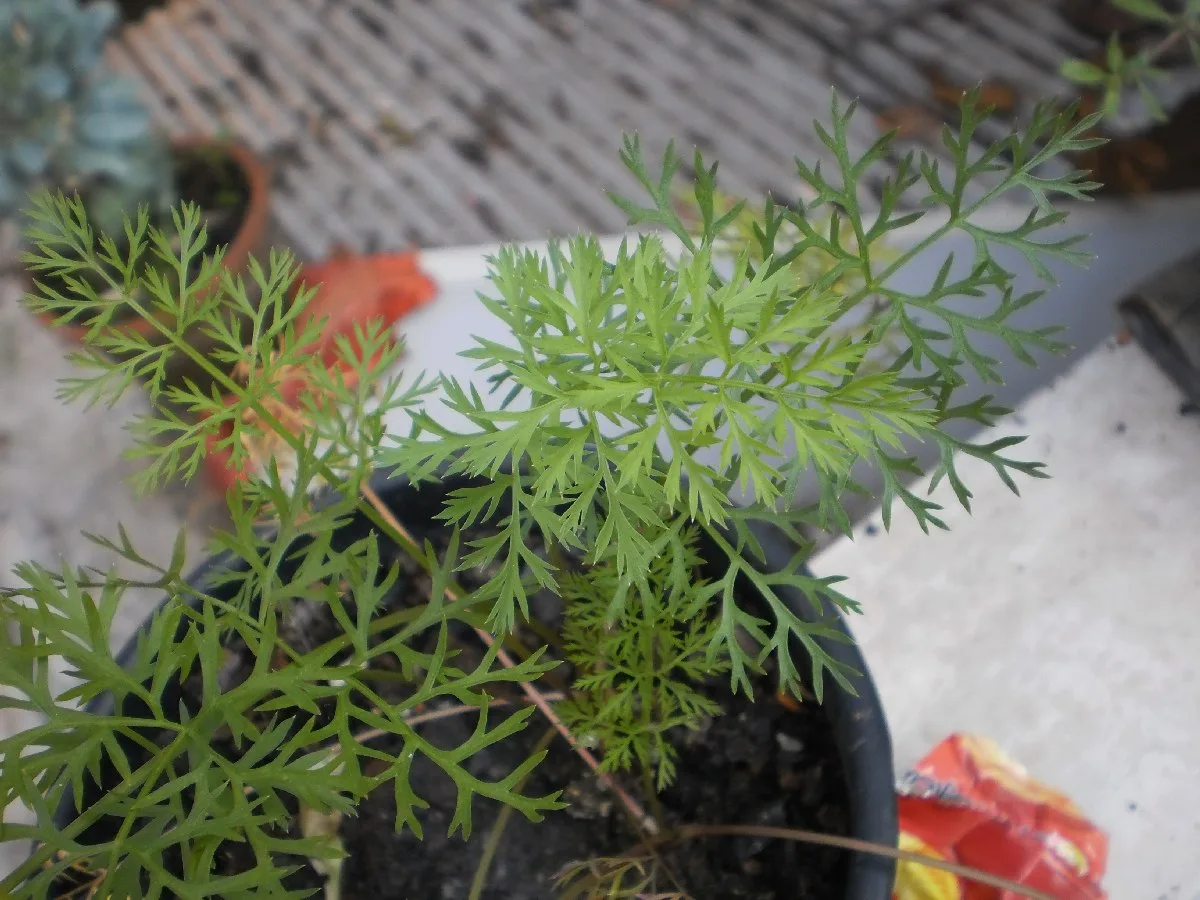
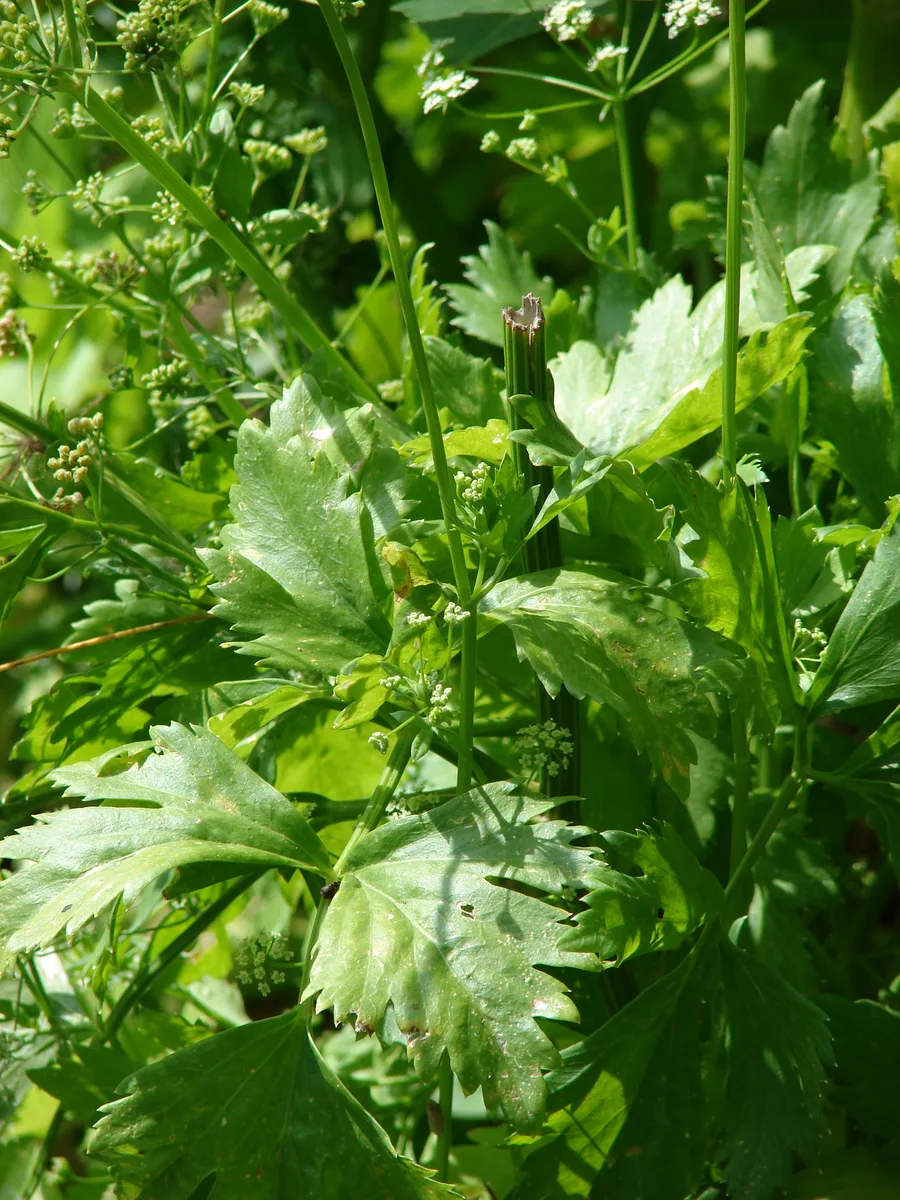
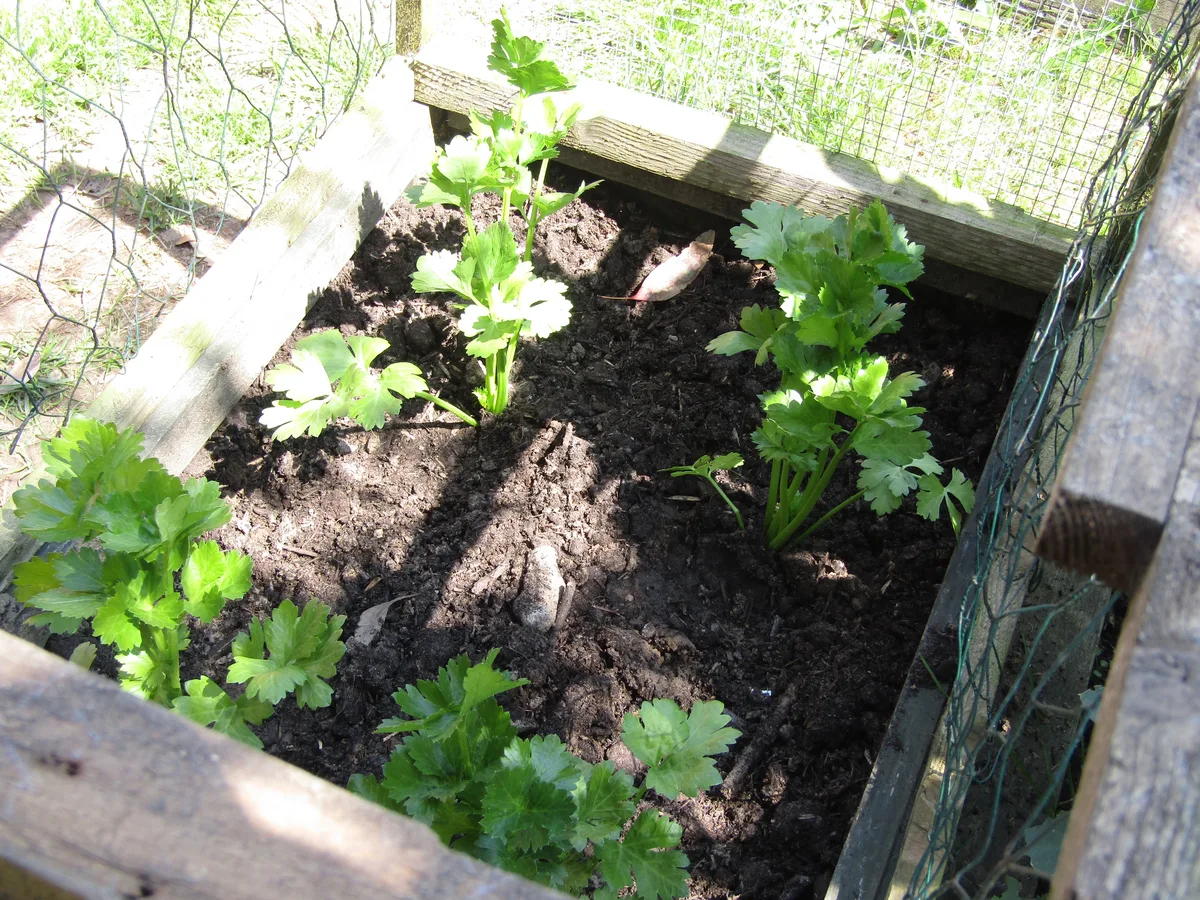
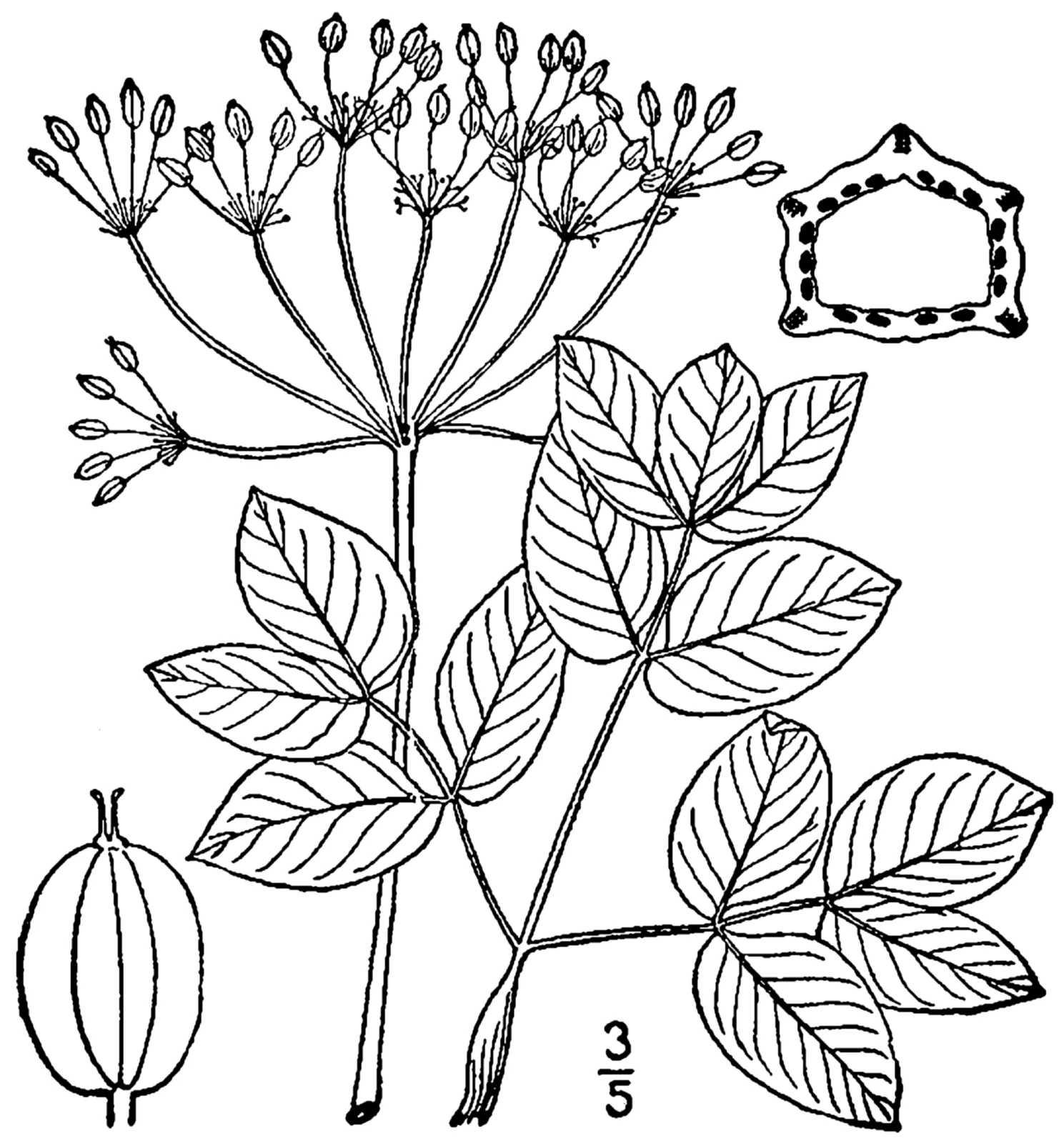
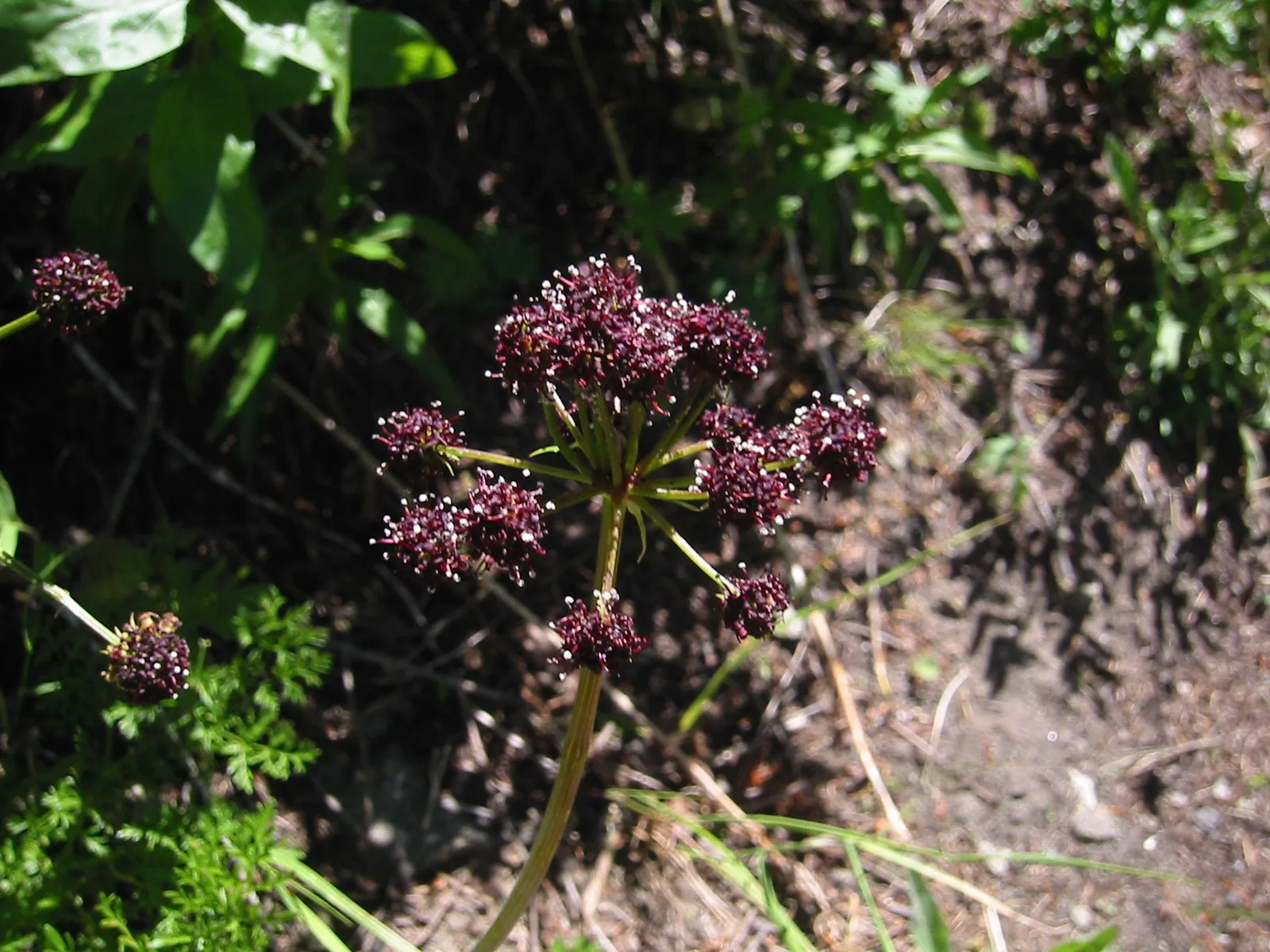
Plant reference images showing growth stages and identifying features.
Photo info
Photo info
Photo info
How to Grow Parsnip
Parsnip growing information includes sunlight requirements of Full sun, soil conditions listed as Fertile, well-drained soil with organic matter with a soil pH of 6.0-7.0, and Moderate; keep evenly moist without waterlogging water needs. The listed hardiness zones are 2-9 as an annual crop. For propagation reference, the database lists germination or establishment information for Parsnip as Slow to emerge; seedlings may take about three weeks, especially in cold soil. Keep the seedbed consistently moist, with planting or establishment depth listed as Sow about 1/4-1/2 inch deep. Days to maturity are listed as Typically about 100-120 days from sowing, depending on variety and growing conditions.
Plant Overview
Parsnip (Pastinaca sativa) is listed in the Apiaceae family and categorized as a vegetable with a biennial commonly grown as an annual crop life cycle. This profile summarizes growing information for hardiness, light, soil, water, seed starting, maturity, and other available cultivation details. Difficulty is listed as Moderate.
- Plant ID
- PLT-0048
- Family
- Apiaceae
- Plant type
- Vegetable
- Life cycle
- Biennial commonly grown as an annual crop
- Growth habit
- Biennial root vegetable developing a fleshy taproot and leafy growth in its first season, followed by tall stems bearing yellow flower umbels in its second season
- Mature height
- First-season foliage stays below the tall flowering stems; second-year seed-producing plants can exceed 6 feet and may need support
- Mature spread
- Varies with variety and growth stage; plants grown for seed become much larger than the closely spaced root crop. Allow at least 18 inches between seed-producing plants
- Difficulty
- Moderate
Growing Conditions
Parsnip is listed for full sun conditions. Water needs are listed as moderate; keep evenly moist without waterlogging. The database soil reference is Fertile, well-drained soil with organic matter. The listed soil pH range is 6.0-7.0, and the listed hardiness range is 2-9 as an annual crop.
- Hardiness zones
- 2-9 as an annual crop
- Sunlight
- Full sun
- Soil
- Fertile, well-drained soil with organic matter
- Soil pH
- 6.0-7.0
- Water needs
- Moderate; keep evenly moist without waterlogging
- Plant spacing
- Thin seedlings to 2-4 inches apart, with rows 18-24 inches apart; snip unwanted seedlings at soil level to avoid disturbing nearby roots
Seed & Germination
For propagation, the database note is slow to emerge; seedlings may take about three weeks, especially in cold soil. keep the seedbed consistently moist. Planting-depth guidance: Sow about 1/4-1/2 inch deep. The listed time to maturity is Typically about 100-120 days from sowing, depending on variety and growing conditions. Use these values as general reference points and adjust for local climate, seed source, and growing conditions.
- Germination
- Slow to emerge; seedlings may take about three weeks, especially in cold soil. Keep the seedbed consistently moist
- Germination temperature
- Soil temperatures around 50-70 F are suitable for germination; emergence is slower in colder soil
- Seed depth
- Sow about 1/4-1/2 inch deep
- Sowing method
- Direct sow in the garden where the roots will grow to harvest
- Start indoors
- Not recommended; sow directly outdoors because the developing taproot does not transplant well
- Transplanting
- Avoid transplanting; direct sow to avoid disturbing the developing taproot
Harvest & Propagation
- Days to maturity
- Typically about 100-120 days from sowing, depending on variety and growing conditions
- Harvest
- Loosen soil deeply beside the roots with a garden fork before lifting to avoid breakage. Cold weather improves sweetness; harvest overwintered roots before flowering begins. Wear gloves and protective clothing when handling plants because contact can cause a skin reaction, especially in sunlight
- Propagation
- Grow from seed, sown directly where the edible roots will develop
- Seed saving
- Overwinter selected healthy roots so winter chilling can trigger flowering in the second season. For ongoing variety maintenance, retain at least 20 plants. Separate flowering varieties by about 250 metres (820 feet) to reduce crossing. Collect seed heads when seeds turn brown and papery, before they shed; finish drying, then thresh and winnow. Seed is short-lived, so plan to sow it the following season. Wear gloves and long sleeves: plant sap on skin can cause blistering when exposed to sunlight.
- Pollination
- Insect-pollinated; flowering varieties can cross with one another. Grow multiple plants for seed to maintain genetic diversity
Garden Information
- Common pests
- Carrot fly larvae can damage roots; pest pressure varies by location
- Common diseases
- Parsnip canker can damage roots; choose resistant varieties where available
- Uses
- Edible taproots, usually cooked; cold weather helps develop their sweet flavor
Related Plants
Find, buy, swap, or sell Parsnip
One World One Seed connects this plant profile to community sellers, plant swaps, storefronts, and participating garden retailers.
Growing Reference Note
Plant performance can vary with climate, soil, weather, cultivar, seed quality, and gardening methods. The values on this page are general database reference ranges rather than a substitute for local extension guidance or seed-packet instructions.