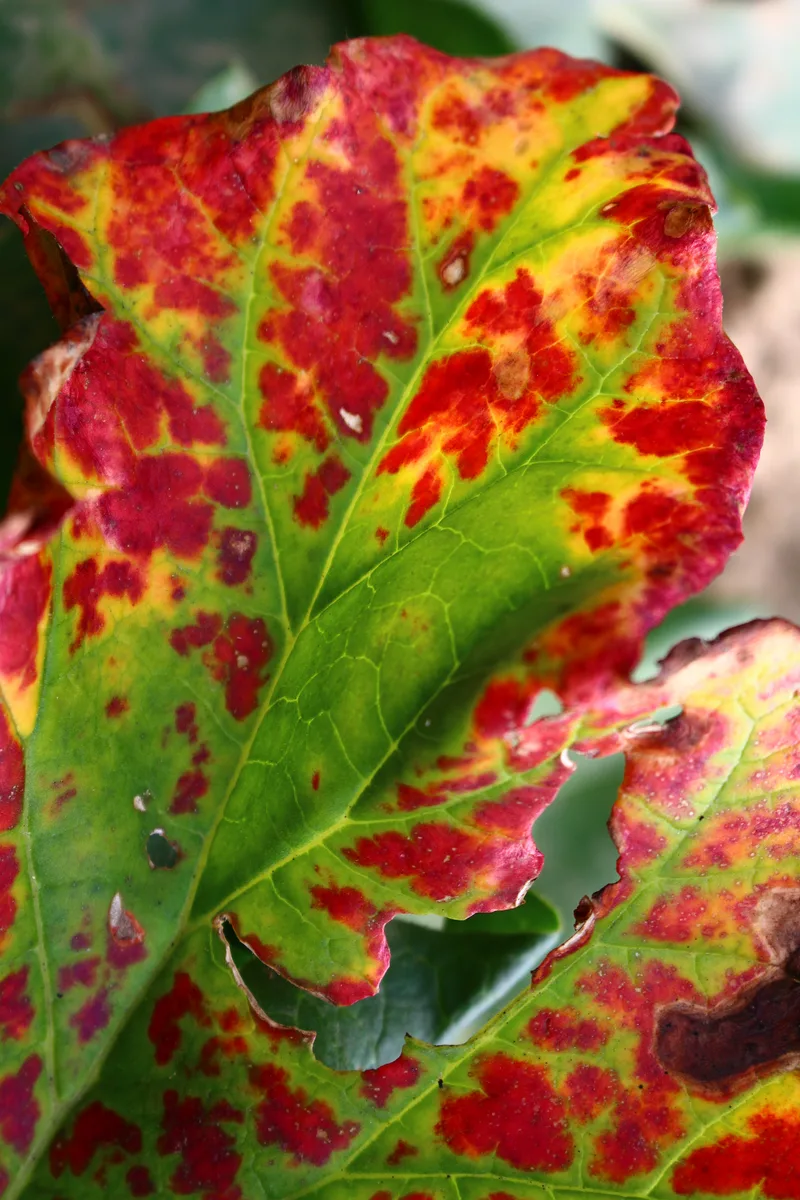
Rhubarb
Rheum × hybridum
Family: Polygonaceae
Rhubarb grows in full sun and prefers fertile, well-drained soil with organic matter. Water needs: Moderate; keep evenly moist without waterlogging.
Photo Gallery
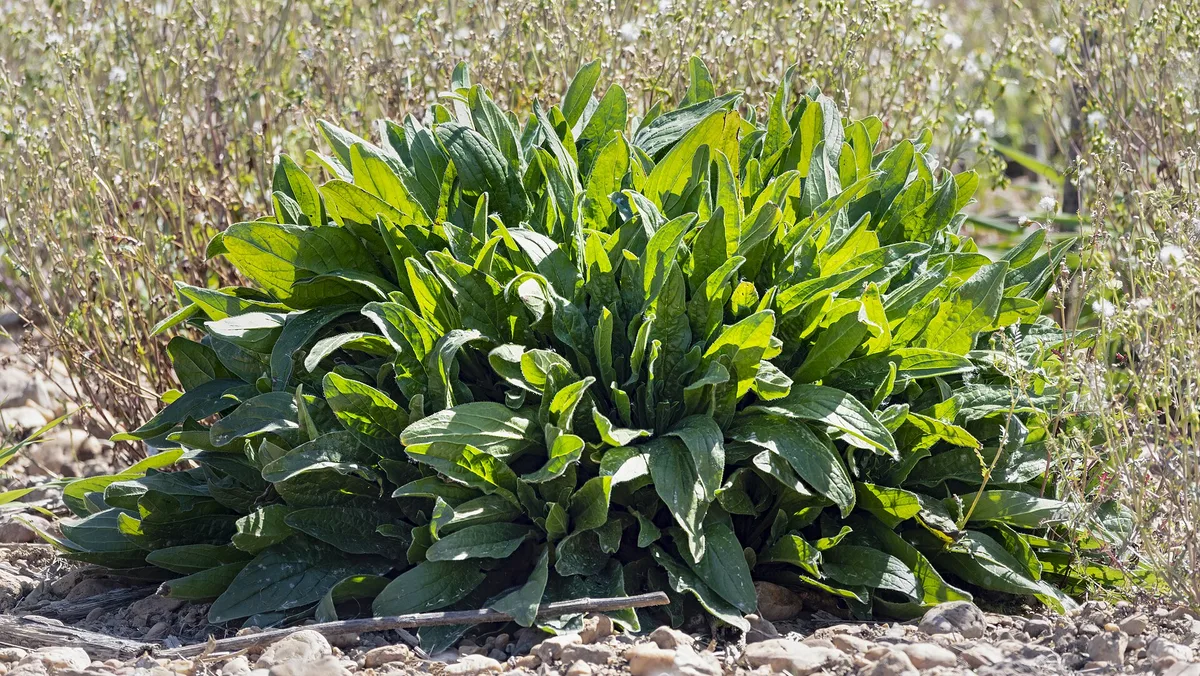
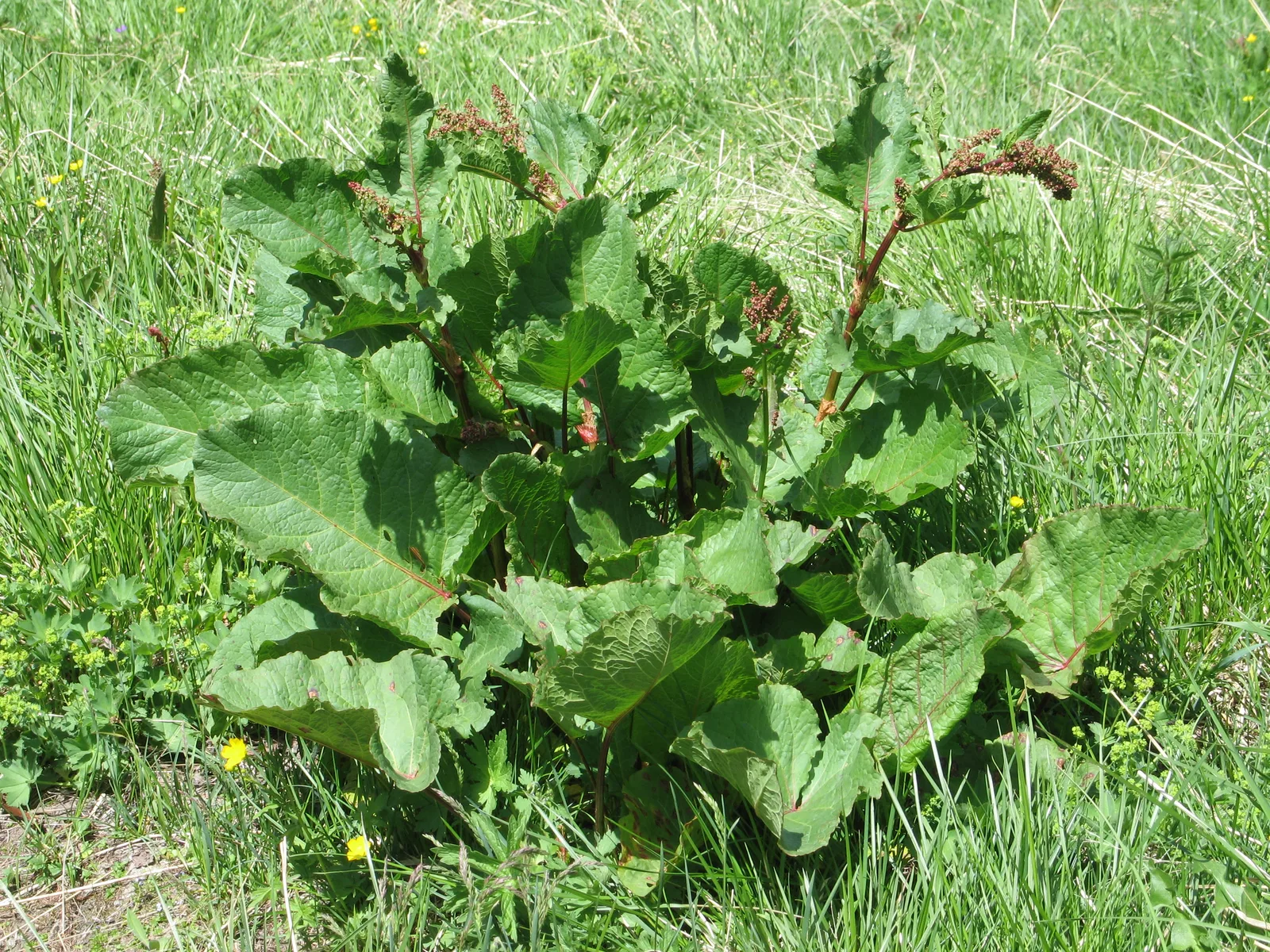
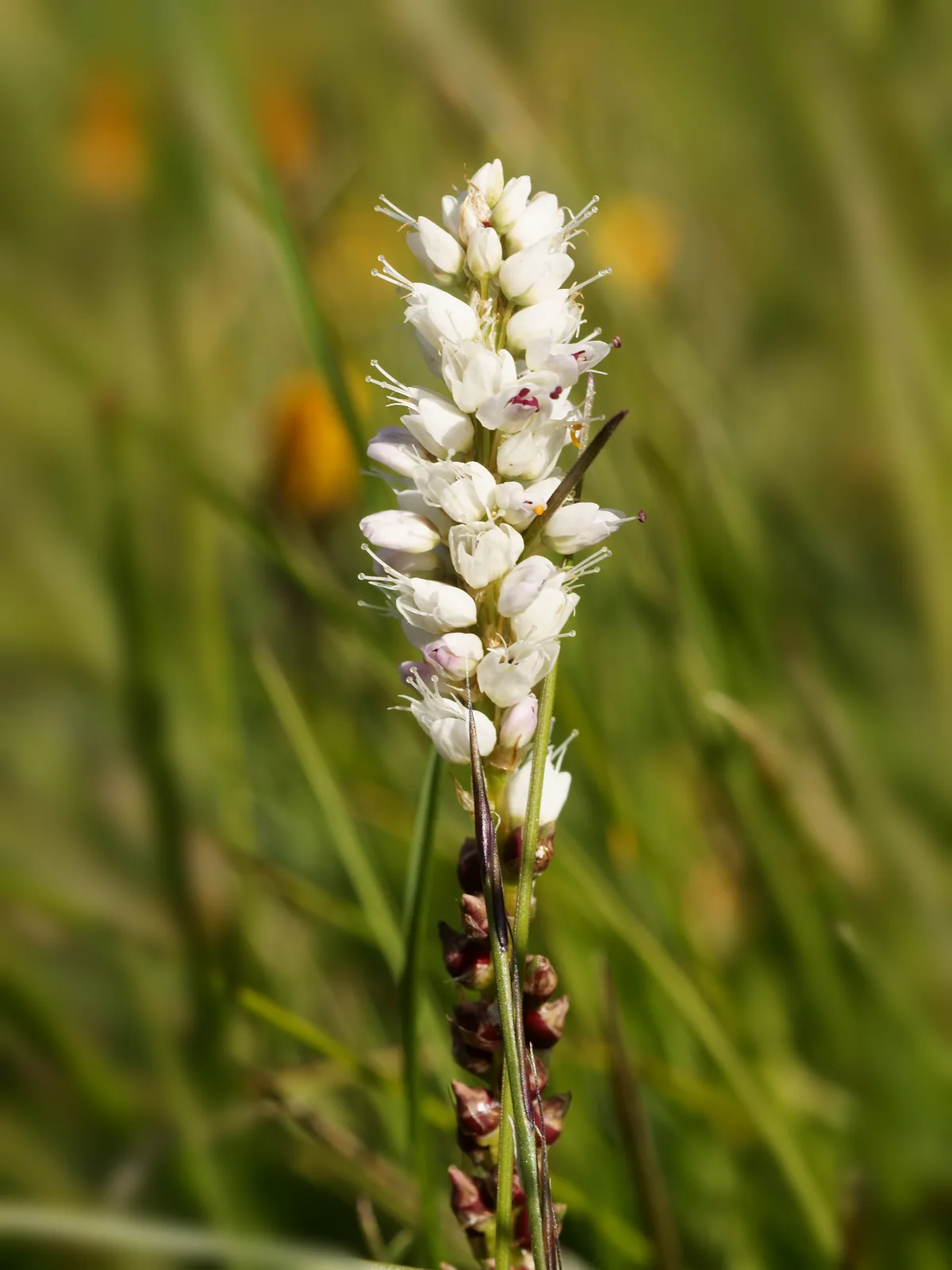
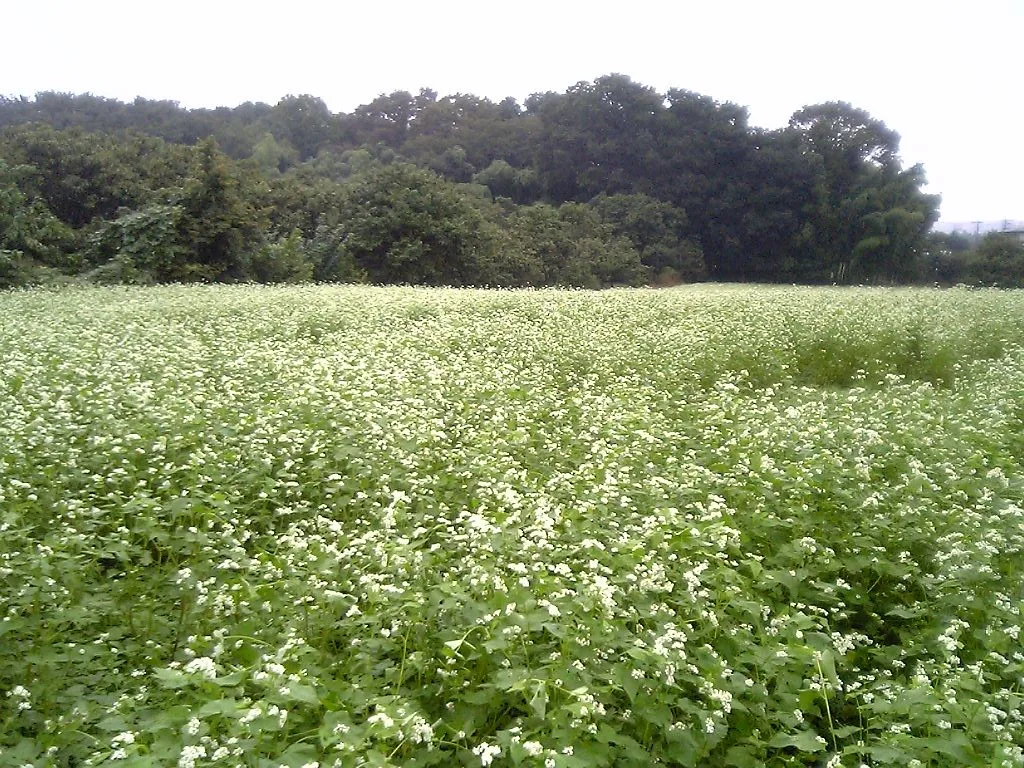
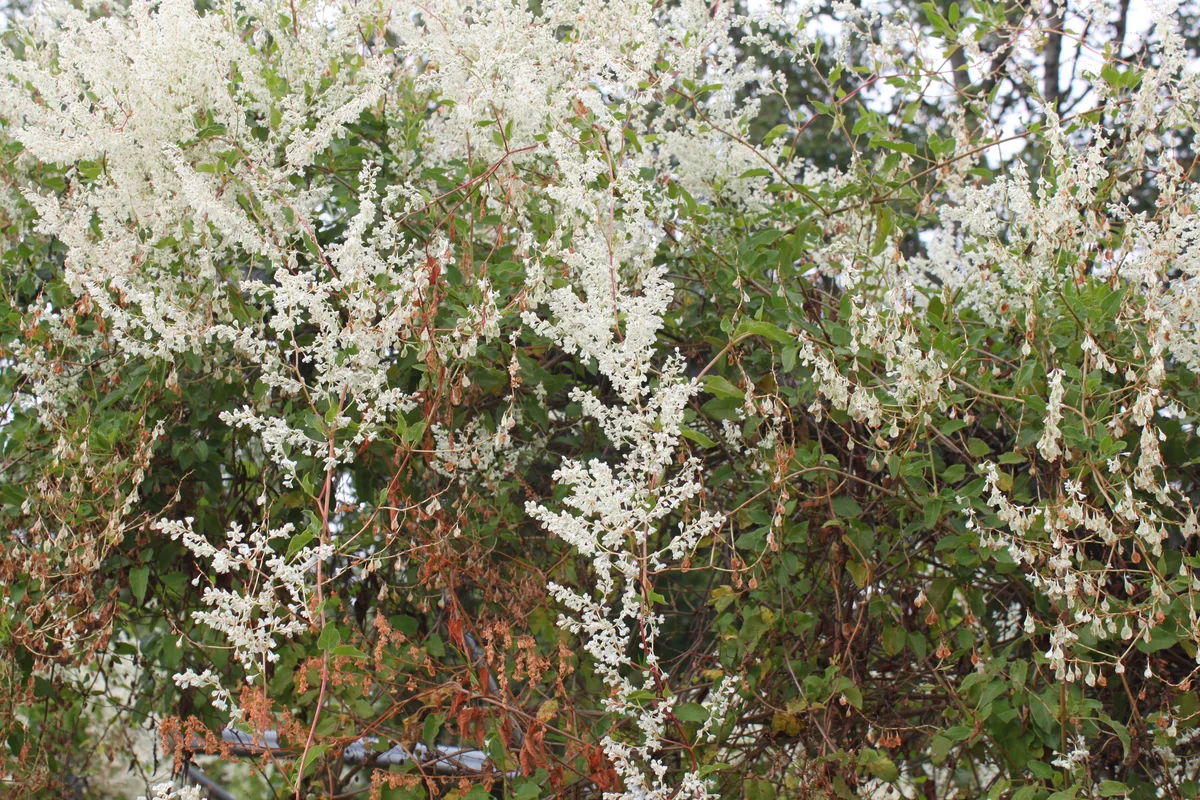
Plant reference images showing growth stages and identifying features.
Photo info
How to Grow Rhubarb
Rhubarb growing information includes sunlight requirements of Full sun, soil conditions listed as Fertile, well-drained soil with organic matter with a soil pH of 6.0-7.0, and Moderate; keep evenly moist without waterlogging water needs. The listed hardiness zones are 3-8. For propagation reference, the database lists germination or establishment information for Rhubarb as Seed may take up to about two weeks to germinate under suitable conditions; this does not apply to crown divisions, with planting or establishment depth listed as Lightly cover seed with potting mix when starting indoors. Days to maturity are listed as For perennial plantings, do not harvest during the first year. Harvest lightly in the second year, with a full harvest season generally beginning in the third year; seed-grown plants may take longer.
Plant Overview
Rhubarb (Rheum × hybridum) is listed in the Polygonaceae family and categorized as a vegetable with a perennial life cycle. This profile summarizes growing information for hardiness, light, soil, water, seed starting, maturity, and other available cultivation details. Difficulty is listed as Easy.
- Plant ID
- PLT-0051
- Family
- Polygonaceae
- Plant type
- Vegetable
- Life cycle
- Perennial
- Growth habit
- Clump-forming herbaceous perennial grown for its thick edible leafstalks
- Mature height
- Leafy growth commonly reaches about 2-3 feet; size varies by cultivar and growing conditions
- Mature spread
- Variety-dependent; vigorous established leafy clumps can reach 5 feet across or more, while compact varieties remain smaller
- Difficulty
- Easy
Growing Conditions
Rhubarb is listed for full sun conditions. Water needs are listed as moderate; keep evenly moist without waterlogging. The database soil reference is Fertile, well-drained soil with organic matter. The listed soil pH range is 6.0-7.0, and the listed hardiness range is 3-8.
- Hardiness zones
- 3-8
- Sunlight
- Full sun
- Soil
- Fertile, well-drained soil with organic matter
- Soil pH
- 6.0-7.0
- Water needs
- Moderate; keep evenly moist without waterlogging
- Plant spacing
- Space plants 36-48 inches apart in rows 3-4 feet apart
Seed & Germination
For propagation, the database note is seed may take up to about two weeks to germinate under suitable conditions; this does not apply to crown divisions. Planting-depth guidance: Lightly cover seed with potting mix when starting indoors. Maturity guidance: For perennial plantings, do not harvest during the first year. Harvest lightly in the second year, with a full harvest season generally beginning in the third year; seed-grown plants may take longer. Use these values as general reference points and adjust for local climate, seed source, and growing conditions.
- Germination
- Seed may take up to about two weeks to germinate under suitable conditions; this does not apply to crown divisions
- Germination temperature
- About 60-75 F is a suitable soil temperature range for seed germination
- Seed depth
- Lightly cover seed with potting mix when starting indoors
- Sowing method
- Establish perennial beds from dormant crown divisions in early spring, or raise seedlings for later transplanting
- Start indoors
- When growing from seed, start indoors about six weeks before the last frost; crown divisions do not require indoor seed starting
- Transplanting
- Plant dormant crown divisions in early spring with the crown bud about 2 inches below the soil surface; use a well-drained site to reduce crown rot
Harvest & Propagation
- Days to maturity
- For perennial plantings, do not harvest during the first year. Harvest lightly in the second year, with a full harvest season generally beginning in the third year; seed-grown plants may take longer
- Harvest
- Pull mature leafstalks from established plants and remove the leaf blades. Take no more than about one-third of the stalks at a time, leaving foliage to replenish the roots. Do not eat the leaf blades
- Propagation
- Usually propagated by dividing healthy dormant crowns, retaining at least one strong bud on each division; seed propagation is possible but plants take longer to reach full harvest
- Seed saving
- To preserve a named variety, divide healthy crowns rather than relying on saved seed. Seed-grown offspring may differ substantially from the parent. For stalk production, remove flower stalks so the plant directs more energy into vegetative growth
- Pollination
- Cross-pollinated when grown for seed; seedlings can differ substantially from the parent plant. Pollination is not needed for leafstalk harvest
Garden Information
- Common pests
- Usually has few insect problems; rhubarb curculio and stalk borers can damage stalks and crowns
- Common diseases
- Root and crown rots in wet or poorly drained soil; Ascochyta and Ramularia leaf spots can affect foliage
- Uses
- Tart edible leafstalks used in pies, tarts, and sauces; leaf blades are poisonous and must not be eaten
Related Plants
Find, buy, swap, or sell Rhubarb
One World One Seed connects this plant profile to community sellers, plant swaps, storefronts, and participating garden retailers.
Growing Reference Note
Plant performance can vary with climate, soil, weather, cultivar, seed quality, and gardening methods. The values on this page are general database reference ranges rather than a substitute for local extension guidance or seed-packet instructions.