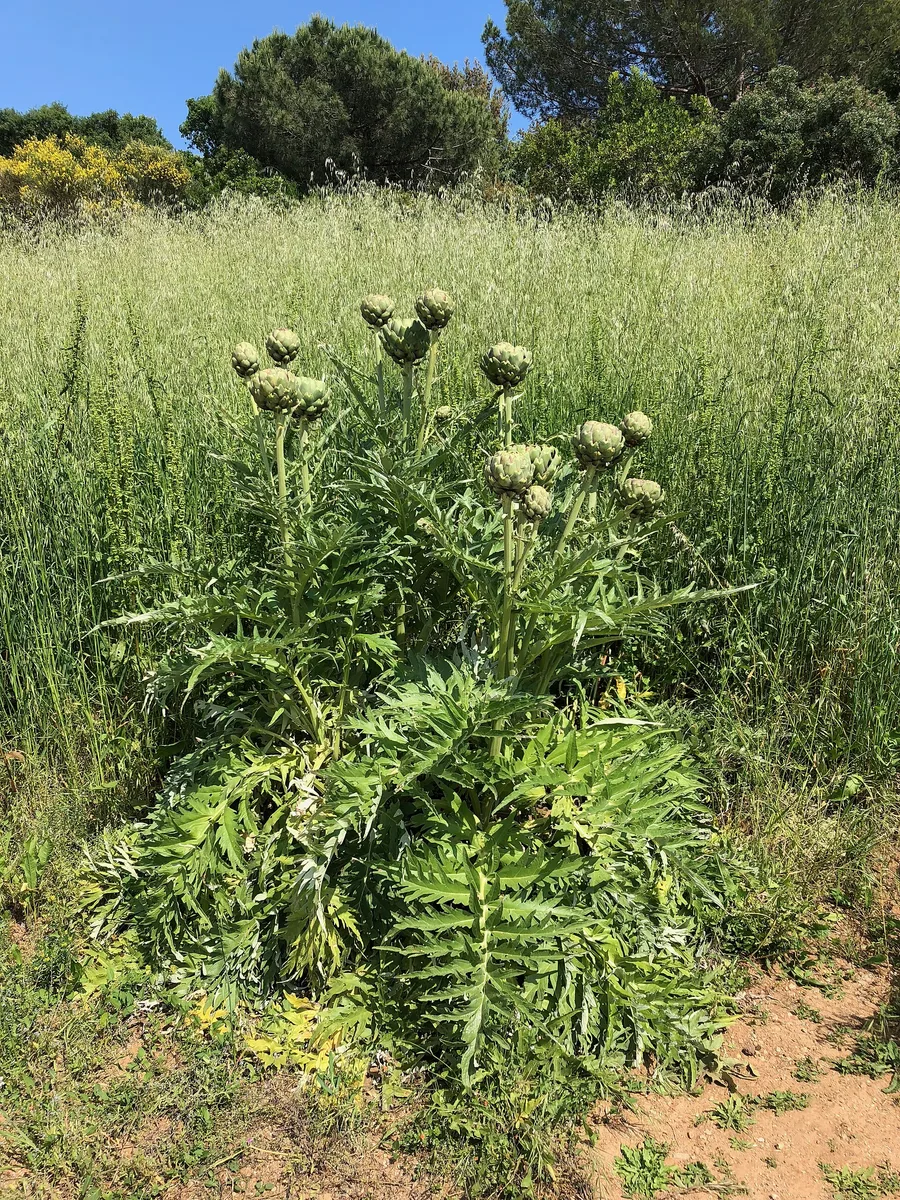
Artichoke
Cynara cardunculus var. scolymus
Family: Asteraceae
Artichoke grows in full sun and prefers deep, fertile, well-drained soil enriched with organic matter; good drainage around the crown is essential. Water needs: Water regularly during active growth, especially while flower buds develop. Avoid saturated soil around the crown because artichokes are susceptible to root rot.
Photo Gallery
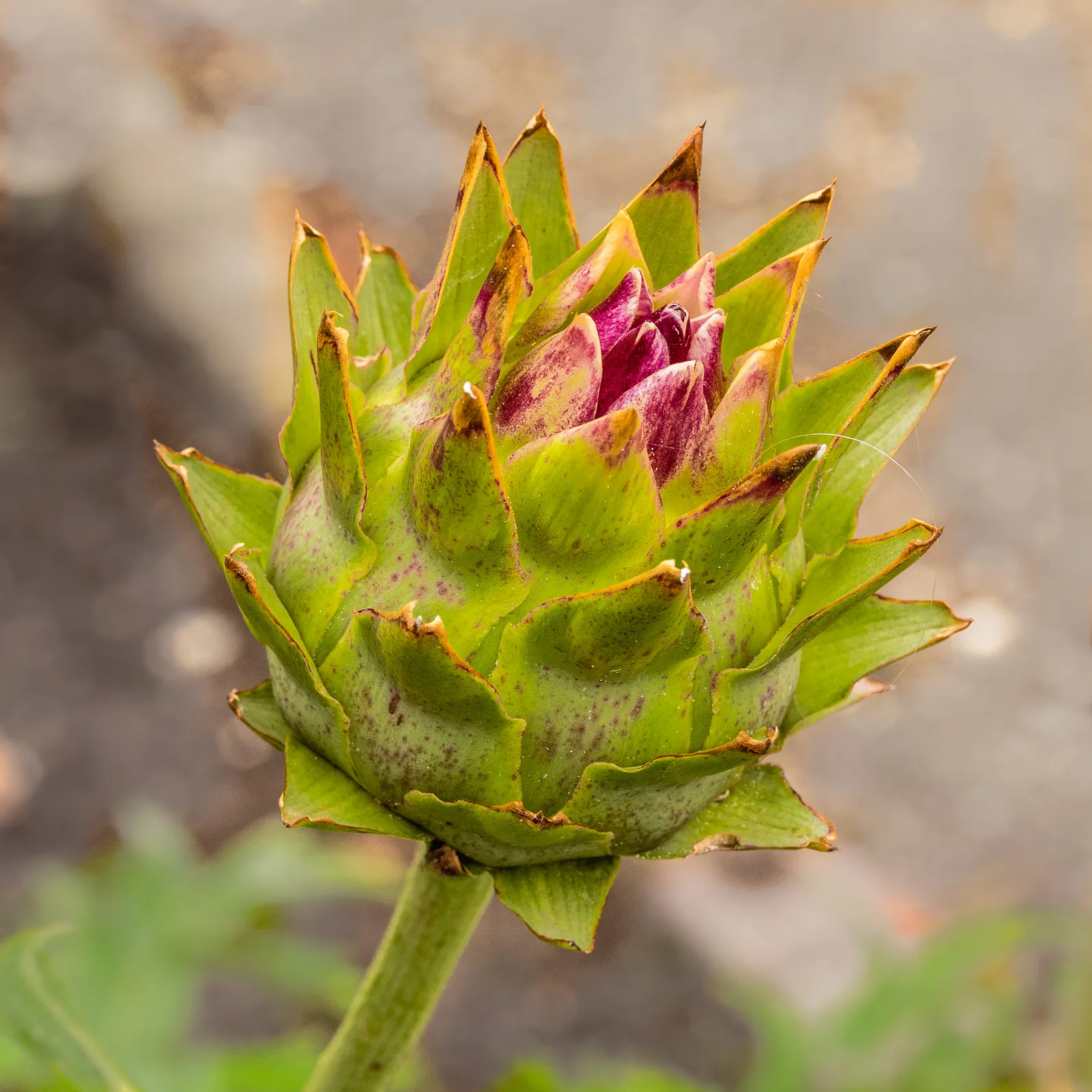
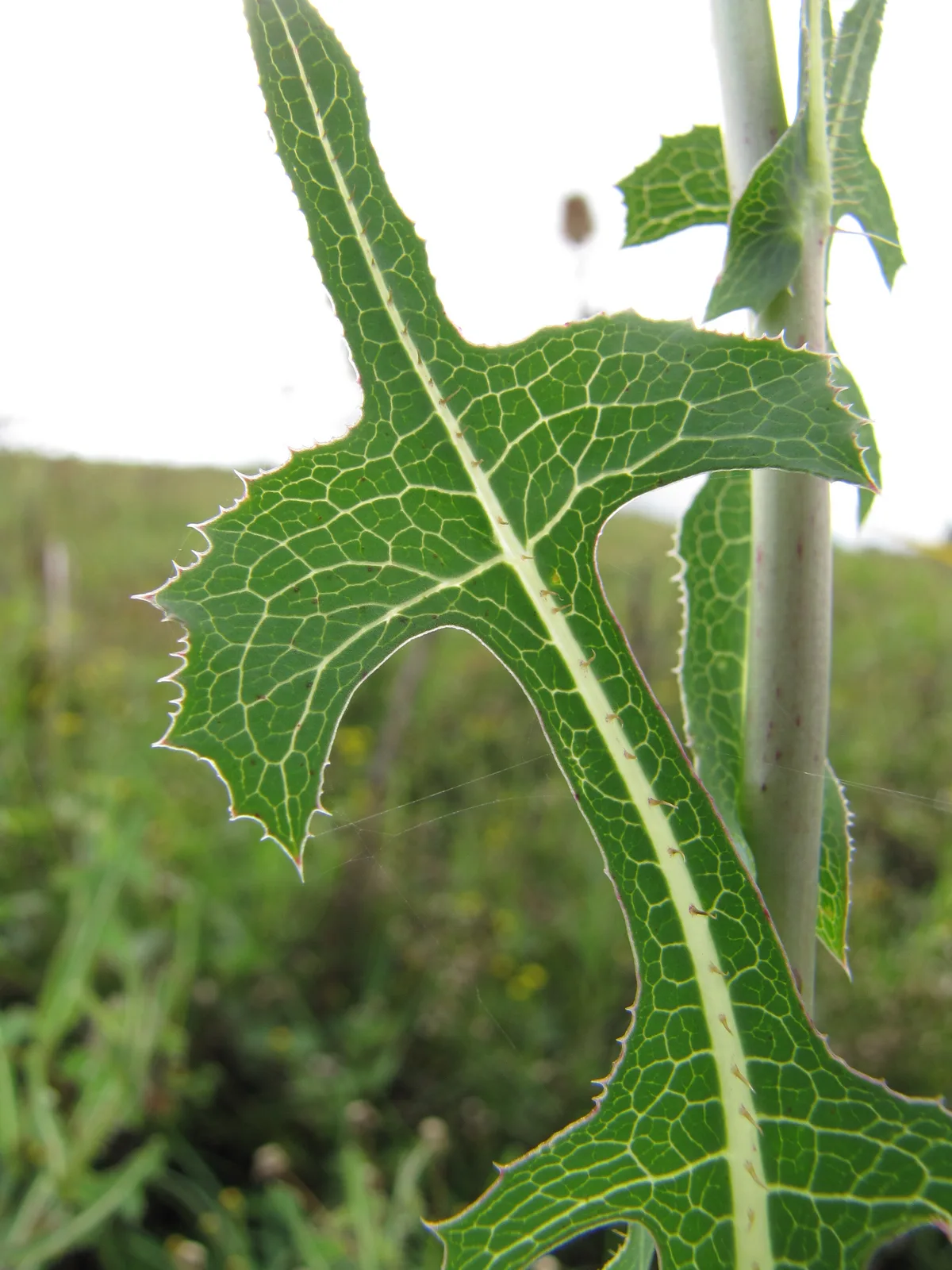
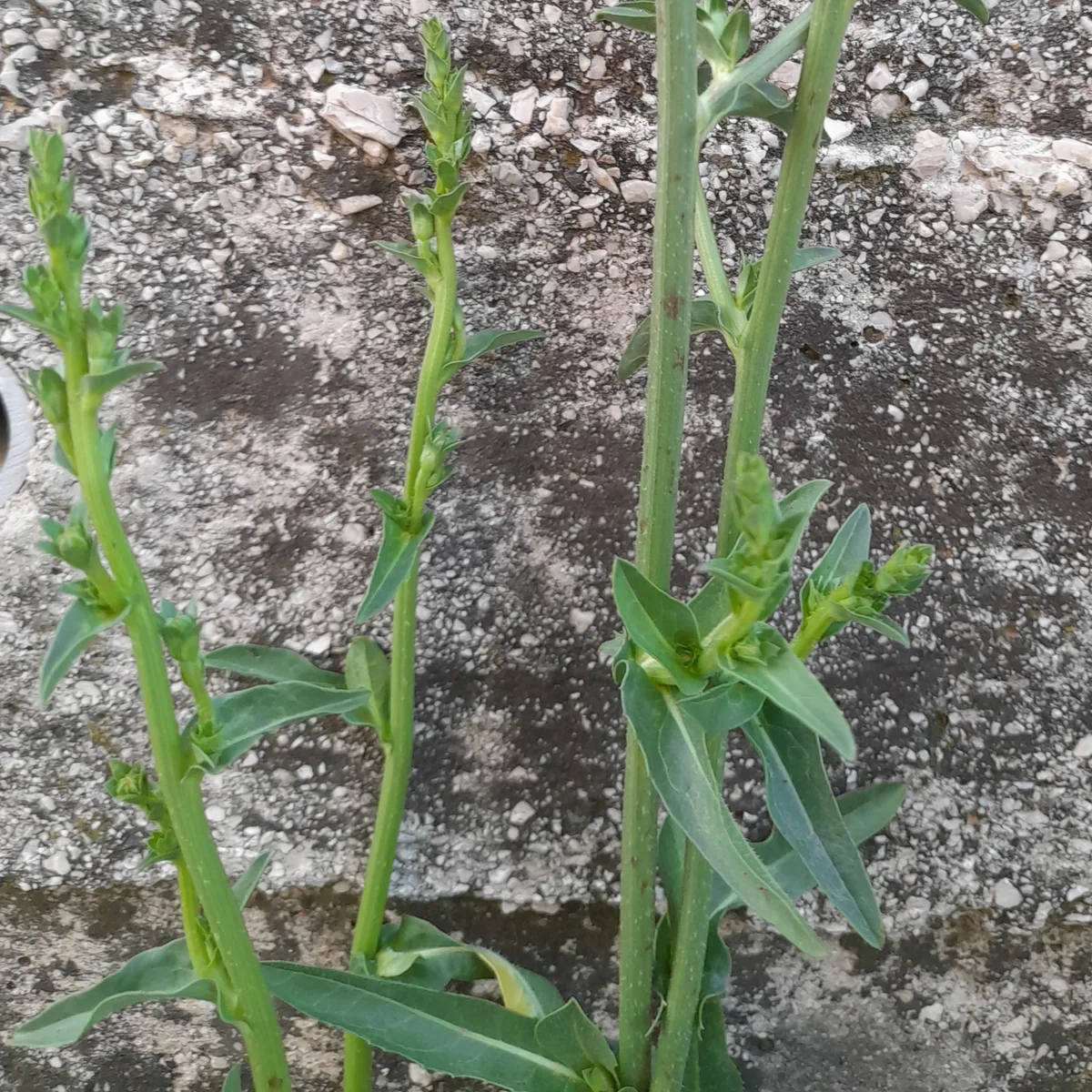
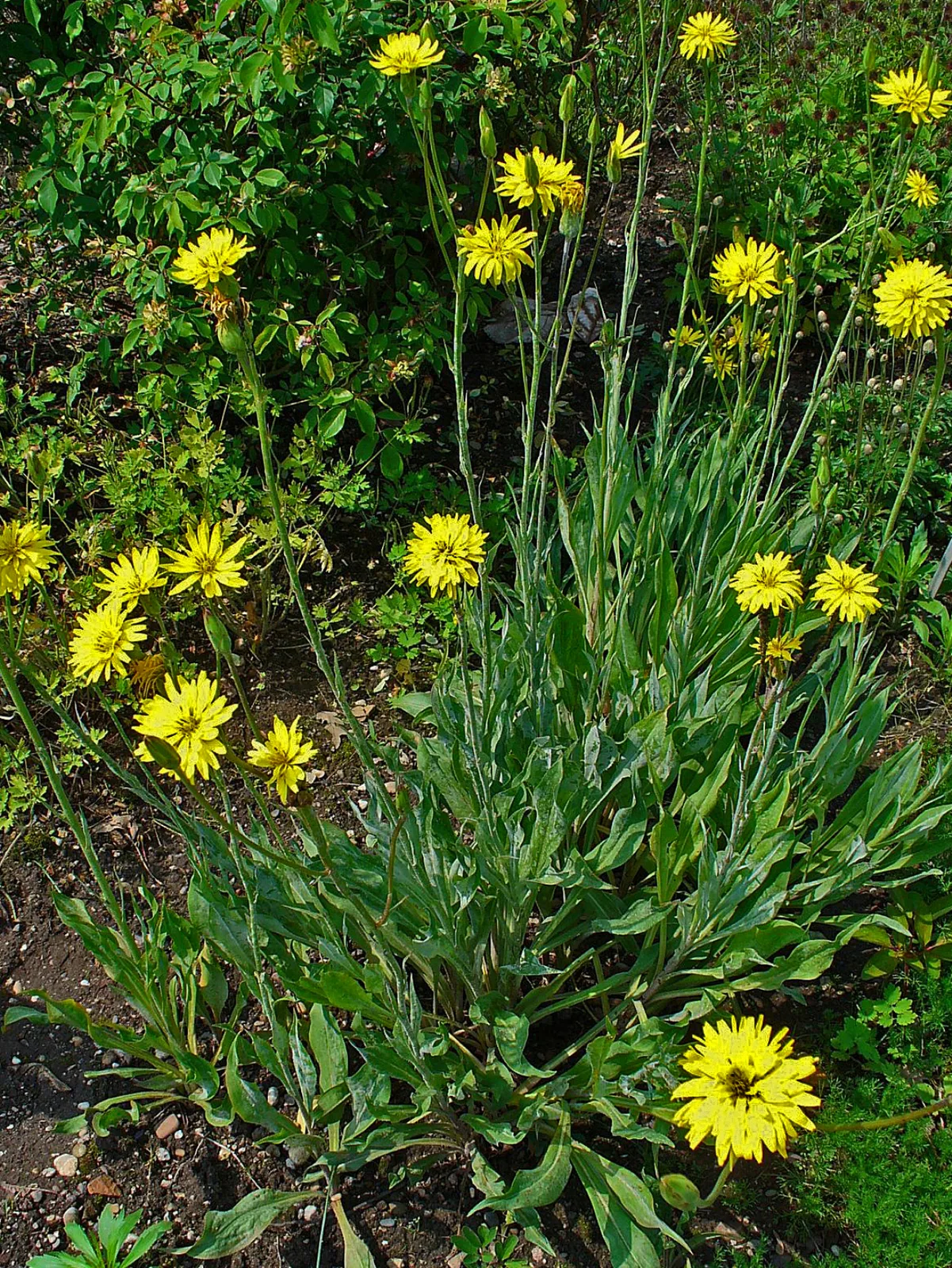
Plant reference images showing growth stages and identifying features.
Photo info
Photo info
Photo info
Photo info
How to Grow Artichoke
Artichoke growing information includes sunlight requirements of Full sun, soil conditions listed as Deep, fertile, well-drained soil enriched with organic matter; good drainage around the crown is essential with a soil pH of 6.0-7.0, and Water regularly during active growth, especially while flower buds develop. Avoid saturated soil around the crown because artichokes are susceptible to root rot water needs. The listed hardiness zones are 7-11. For propagation reference, the database lists germination or establishment information for Artichoke as Usually about 8-12 days at suitable temperatures; timing varies with seed quality and conditions, with planting or establishment depth listed as Sow about 1/4 inch deep in individual containers or seed trays. Days to maturity are listed as First harvest depends on variety, planting season, and sufficient chilling to induce buds; plants may not flower in their first season. Check the selected variety timing and whether days are counted from transplanting.
Plant Overview
Artichoke (Cynara cardunculus var. scolymus) is listed in the Asteraceae family and categorized as a vegetable with a perennial life cycle. This profile summarizes growing information for hardiness, light, soil, water, seed starting, maturity, and other available cultivation details. Difficulty is listed as Moderate.
- Plant ID
- PLT-0050
- Family
- Asteraceae
- Plant type
- Vegetable
- Life cycle
- Perennial
- Alternate names
- Globe artichoke
- Growth habit
- Large herbaceous perennial producing flower stalks with edible unopened buds; unharvested buds open into purple flowers
- Mature height
- Commonly 3-6 feet, depending on variety and growing conditions
- Mature spread
- Commonly 2-4 feet across; large established plants can spread up to 6 feet, so allow room for the selected variety
- Difficulty
- Moderate
Growing Conditions
Artichoke is listed for full sun conditions. Water needs are listed as water regularly during active growth, especially while flower buds develop. avoid saturated soil around the crown because artichokes are susceptible to root rot. The database soil reference is Deep, fertile, well-drained soil enriched with organic matter; good drainage around the crown is essential. The listed soil pH range is 6.0-7.0, and the listed hardiness range is 7-11.
- Hardiness zones
- 7-11
- Sunlight
- Full sun
- Soil
- Deep, fertile, well-drained soil enriched with organic matter; good drainage around the crown is essential
- Soil pH
- 6.0-7.0
- Water needs
- Water regularly during active growth, especially while flower buds develop. Avoid saturated soil around the crown because artichokes are susceptible to root rot
- Plant spacing
- Allow about 2 feet between plants in annual production and about 4 feet for perennial crown plantings; avoid crowding
Seed & Germination
For seed starting, the listed germination time is Usually about 8-12 days at suitable temperatures; timing varies with seed quality and conditions and the seed depth is Sow about 1/4 inch deep in individual containers or seed trays. Maturity guidance: First harvest depends on variety, planting season, and sufficient chilling to induce buds; plants may not flower in their first season. Check the selected variety timing and whether days are counted from transplanting. Use these values as general reference points and adjust for local climate, seed source, and growing conditions.
- Germination
- Usually about 8-12 days at suitable temperatures; timing varies with seed quality and conditions
- Germination temperature
- Germinate at about 70-80 F; after emergence, grow seedlings cooler, around 60-70 F during the day and 50-60 F at night
- Seed depth
- Sow about 1/4 inch deep in individual containers or seed trays
- Sowing method
- Start seeds in individual containers for transplanting, or direct sow where the growing season permits; perennial beds can also be established from shoots or crown divisions
- Start indoors
- For seed-grown transplants in frost-prone areas, start indoors about 8-10 weeks before the last hard frost
- Transplanting
- Set out seed-grown plants when they have 3-4 true leaves; choose planting dates suited to the local climate and variety
Harvest & Propagation
- Days to maturity
- First harvest depends on variety, planting season, and sufficient chilling to induce buds; plants may not flower in their first season. Check the selected variety timing and whether days are counted from transplanting
- Harvest
- Cut flower buds while still tight, before the bracts spread open. Harvest the main central bud first, followed by smaller side buds as they mature; overmature buds become woody
- Propagation
- Grow from seed, rooted shoots, or crown divisions; perennial plantings are commonly established from crown divisions
- Seed saving
- Leave selected buds unharvested so flowers can open, be pollinated, and mature seed. For variety maintenance, grow about 20 plants and separate flowering varieties by about 250 metres (820 feet). Collect heads when the bracts turn brown, often about two months after pollination; protect mature heads from wet weather. Dry thoroughly, then break apart carefully to release and clean the seeds. Wear gloves when handling sharp, dry heads.
- Pollination
- Insect-pollinated with self-fertile flowers; pollination is needed for seed production, not for harvesting unopened edible buds
Garden Information
- Common pests
- Aphids and artichoke plume moth larvae can damage plants; pest pressure varies by region
- Common diseases
- Root and crown rots are a concern in saturated soil; virus diseases can reduce plant vigor and yield
- Uses
- Unopened flower buds harvested as a vegetable; unharvested purple blooms used for ornamental display and flower arrangements
Related Plants
Find, buy, swap, or sell Artichoke
One World One Seed connects this plant profile to community sellers, plant swaps, storefronts, and participating garden retailers.
Growing Reference Note
Plant performance can vary with climate, soil, weather, cultivar, seed quality, and gardening methods. The values on this page are general database reference ranges rather than a substitute for local extension guidance or seed-packet instructions.