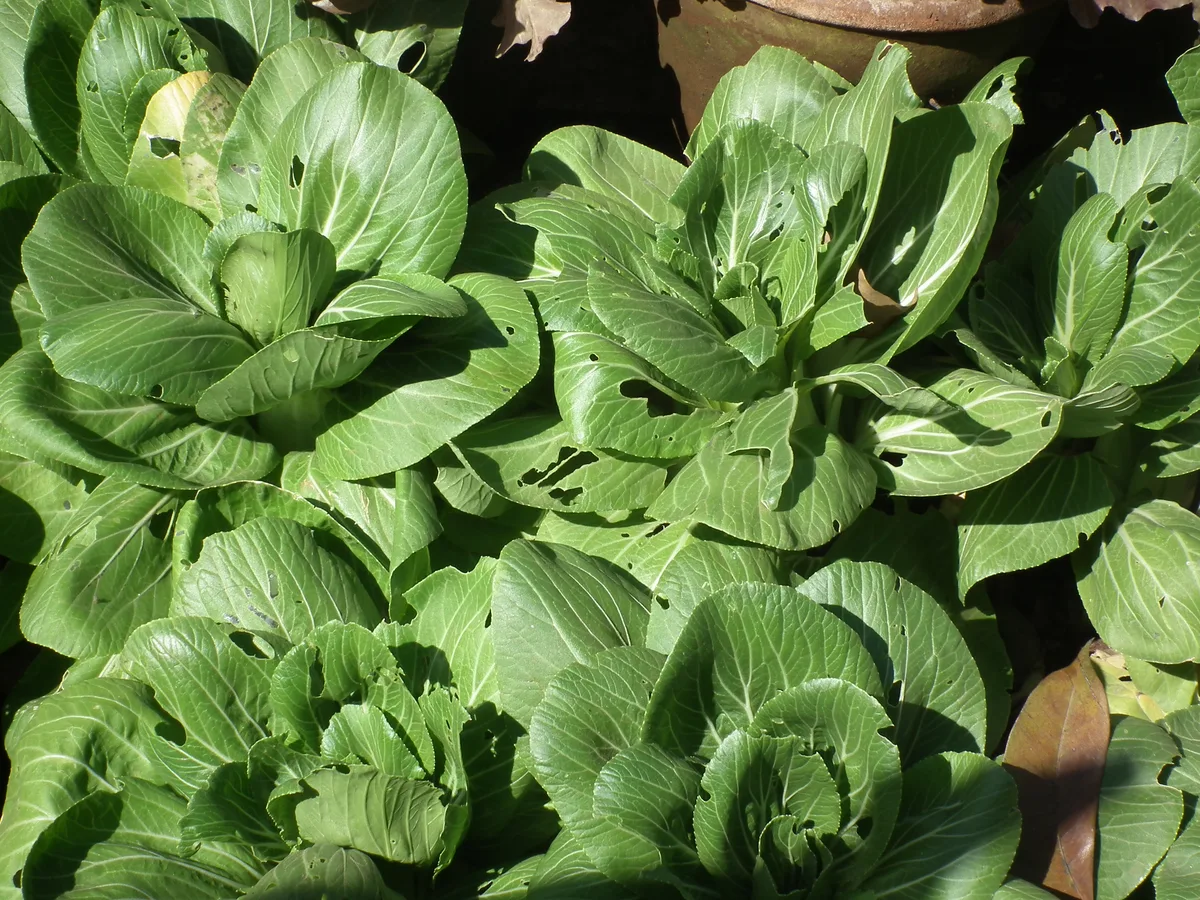
Bok Choy
Brassica rapa subsp. chinensis
Family: Brassicaceae
Bok Choy grows in full sun to partial shade and prefers fertile, well-drained soil with organic matter. Water needs: Moderate; keep evenly moist without waterlogging.
Photo Gallery
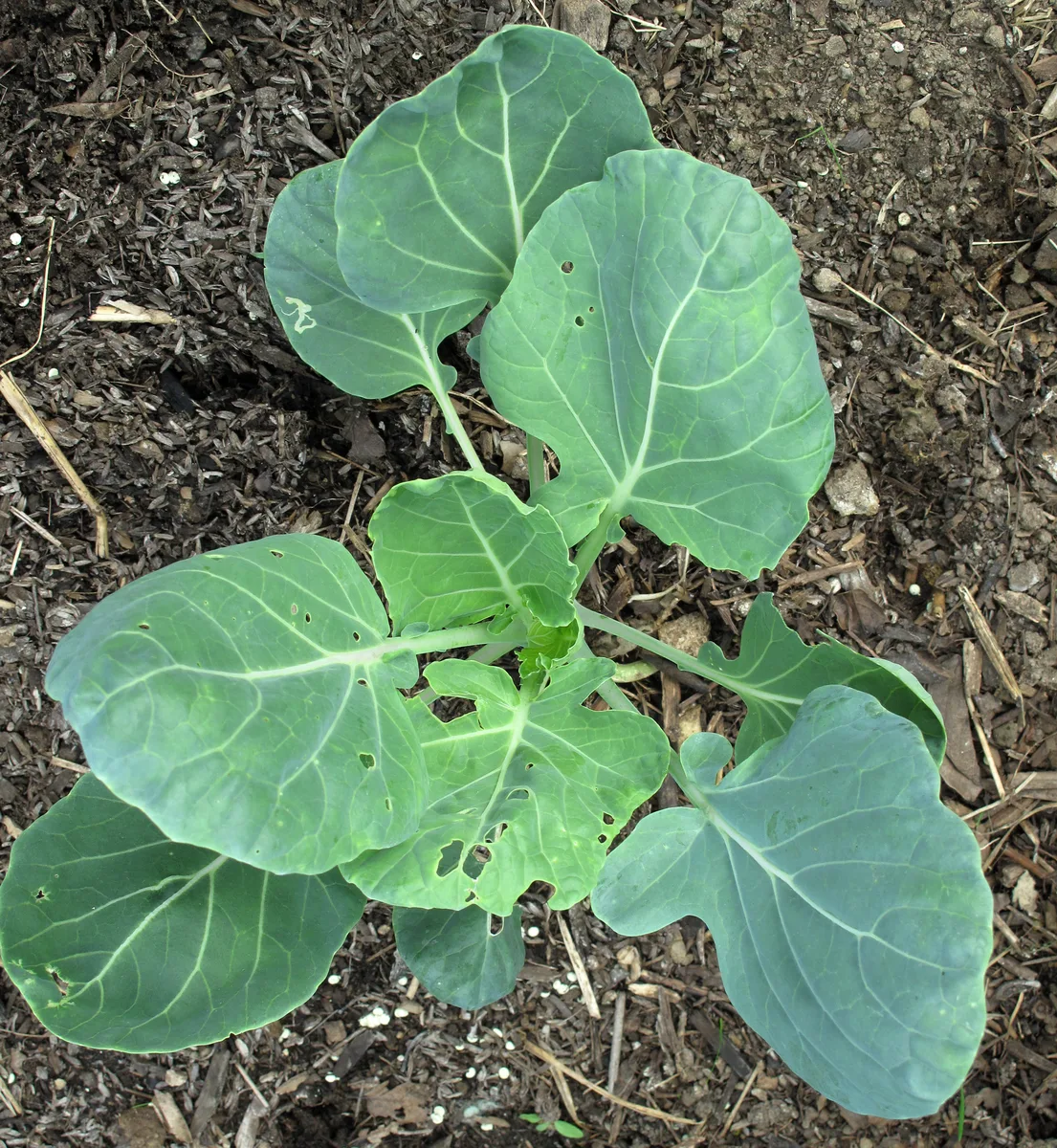
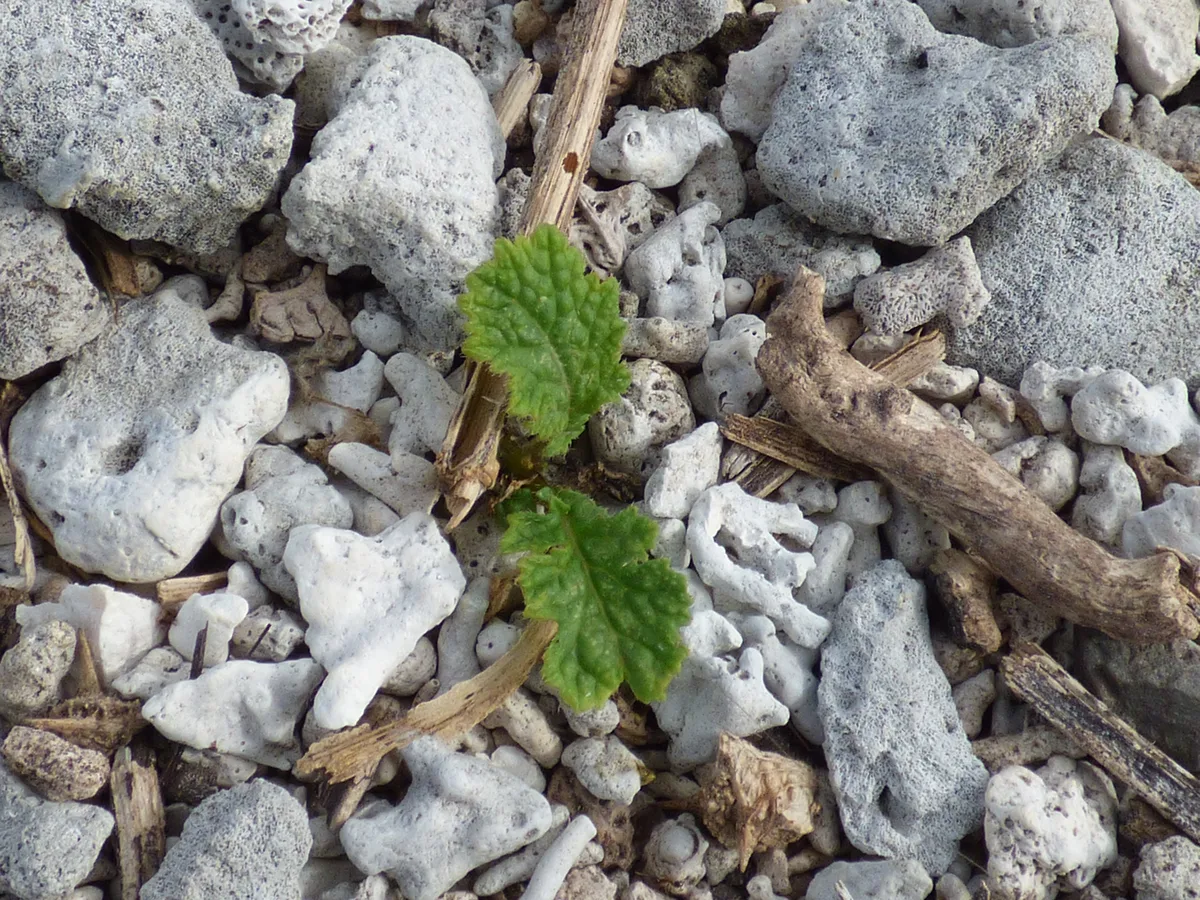
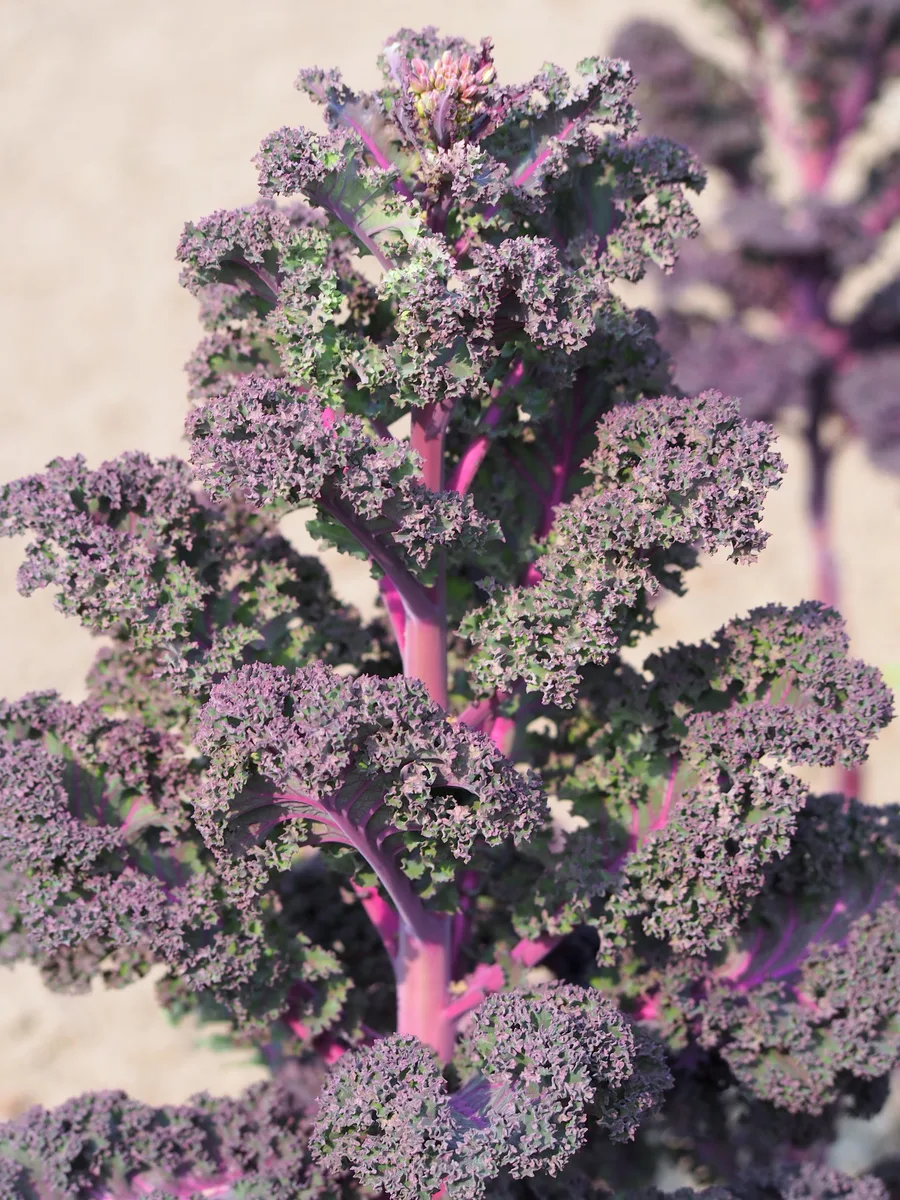
Plant reference images showing growth stages and identifying features.
Photo info
Photo info
How to Grow Bok Choy
Bok Choy growing information includes sunlight requirements of Full sun to partial shade, soil conditions listed as Fertile, well-drained soil with organic matter with a soil pH of 6.0-7.0, and Moderate; keep evenly moist without waterlogging water needs. The listed hardiness zones are 2-11 as an annual crop. For propagation reference, the database lists germination or establishment information for Bok Choy as Typically 5-14 days at about 60-70 F with consistent moisture; timing varies with seed lot and conditions, with planting or establishment depth listed as Sow about 1/4 inch deep. Days to maturity are listed as Many varieties reach harvest size about 37-60 days after emergence; miniature varieties and young plants can be harvested sooner than full-size types.
Plant Overview
Bok Choy (Brassica rapa subsp. chinensis) is listed in the Brassicaceae family and categorized as a vegetable with a biennial commonly grown as an annual crop life cycle. This profile summarizes growing information for hardiness, light, soil, water, seed starting, maturity, and other available cultivation details. Difficulty is listed as Easy.
- Plant ID
- PLT-0045
- Family
- Brassicaceae
- Plant type
- Vegetable
- Life cycle
- Biennial commonly grown as an annual crop
- Alternate names
- Pak choi, pac choi, Chinese white cabbage
- Growth habit
- Upright cool-season leafy vegetable forming an open cluster of broad leaves with thick white or pale green stalks
- Mature height
- Many varieties reach about 8-15 inches at harvest; miniature varieties can be only 3-4 inches tall, and flowering plants grow taller
- Mature spread
- Varies substantially between miniature and full-size varieties; follow the seed supplier guidance for the selected variety and harvest size
- Difficulty
- Easy
Growing Conditions
Bok Choy is listed for full sun to partial shade conditions. Water needs are listed as moderate; keep evenly moist without waterlogging. The database soil reference is Fertile, well-drained soil with organic matter. The listed soil pH range is 6.0-7.0, and the listed hardiness range is 2-11 as an annual crop.
- Hardiness zones
- 2-11 as an annual crop
- Sunlight
- Full sun to partial shade
- Soil
- Fertile, well-drained soil with organic matter
- Soil pH
- 6.0-7.0
- Water needs
- Moderate; keep evenly moist without waterlogging
- Plant spacing
- Allow about 6-12 inches between full-size plants according to variety, with rows 12-18 inches apart; compact varieties grown for miniature heads can be spaced 2-4 inches apart
Seed & Germination
For seed starting, the listed germination time is Typically 5-14 days at about 60-70 F with consistent moisture; timing varies with seed lot and conditions and the seed depth is Sow about 1/4 inch deep. The listed time to maturity is Many varieties reach harvest size about 37-60 days after emergence; miniature varieties and young plants can be harvested sooner than full-size types. Use these values as general reference points and adjust for local climate, seed source, and growing conditions.
- Germination
- Typically 5-14 days at about 60-70 F with consistent moisture; timing varies with seed lot and conditions
- Germination temperature
- About 60-70 F is a suitable seed-starting range
- Seed depth
- Sow about 1/4 inch deep
- Sowing method
- Direct sow or transplant; fall planting is well suited to warm southern climates
- Start indoors
- Start seeds in individual tray cells about 2-4 weeks before transplanting
- Transplanting
- Set out young seedlings before they become rootbound or stressed. Repeated nights below 50 F can trigger premature flowering in seedlings
Harvest & Propagation
- Days to maturity
- Many varieties reach harvest size about 37-60 days after emergence; miniature varieties and young plants can be harvested sooner than full-size types
- Harvest
- Cut the whole plant at the base before flowering, or pick the largest outer leaves while leaving the center to continue growing
- Propagation
- Propagated by seed, either directly sown or raised in trays for transplanting
- Seed saving
- Allow selected healthy plants to flower and form pods. Isolate from other flowering Brassica rapa varieties. Collect stalks as pods dry and turn brown, before they split; finish drying under cover, then thresh and clean the seeds. Saved seed from F1 hybrids may not reproduce the parent variety.
- Pollination
- Insect-pollinated and generally self-incompatible; grow multiple flowering plants for seed. Can cross with other Brassica rapa crops, including turnips and napa cabbage
Garden Information
- Common pests
- Flea beetles, aphids, whiteflies, cabbage loopers, cutworms, beet armyworms, slugs, and snails
- Common diseases
- Clubroot, white rust, leaf spot, damping-off, and bacterial soft rot
- Uses
- Tender leaves and crunchy stalks eaten raw or cooked; suitable for stir-fries, soups, steaming, and braising
Related Plants
Find, buy, swap, or sell Bok Choy
One World One Seed connects this plant profile to community sellers, plant swaps, storefronts, and participating garden retailers.
Growing Reference Note
Plant performance can vary with climate, soil, weather, cultivar, seed quality, and gardening methods. The values on this page are general database reference ranges rather than a substitute for local extension guidance or seed-packet instructions.