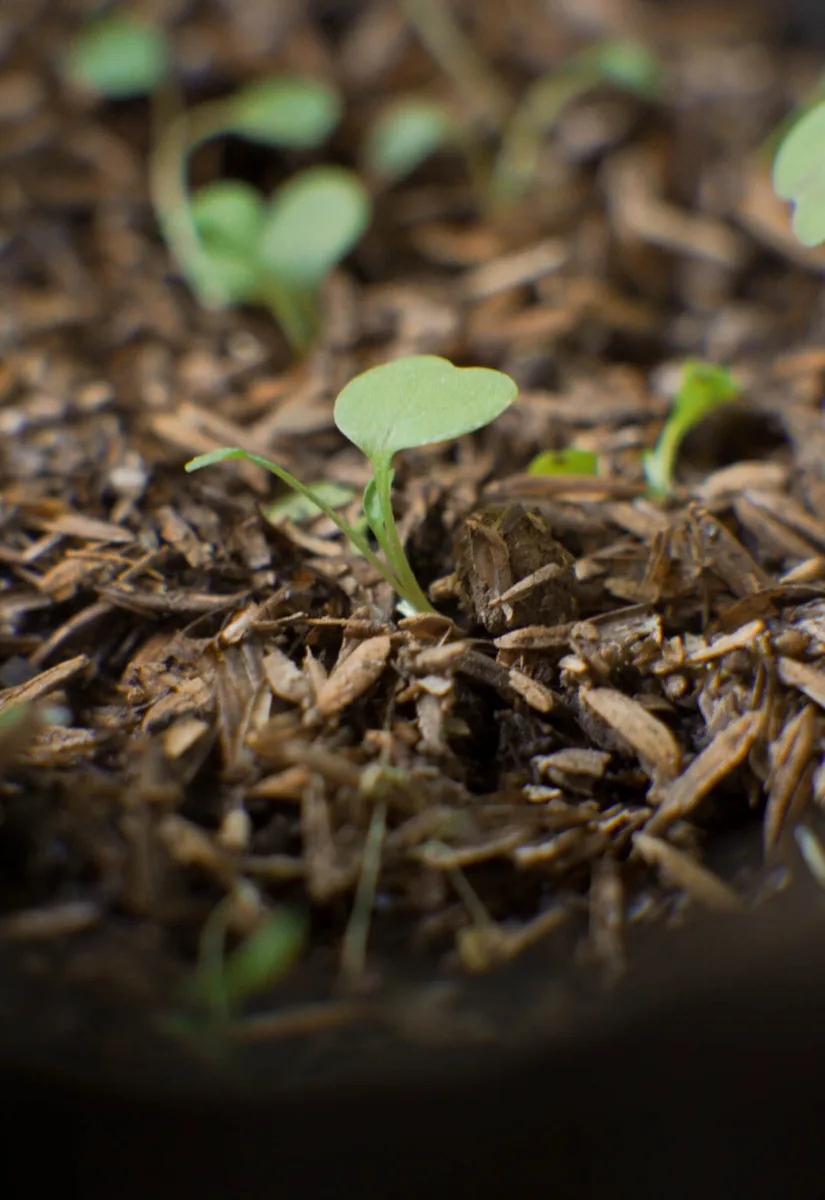
Arugula
Eruca vesicaria
Family: Brassicaceae
Arugula grows in full sun to partial shade and prefers fertile, well-drained soil with organic matter. Water needs: Moderate; keep evenly moist without waterlogging.
Photo Gallery
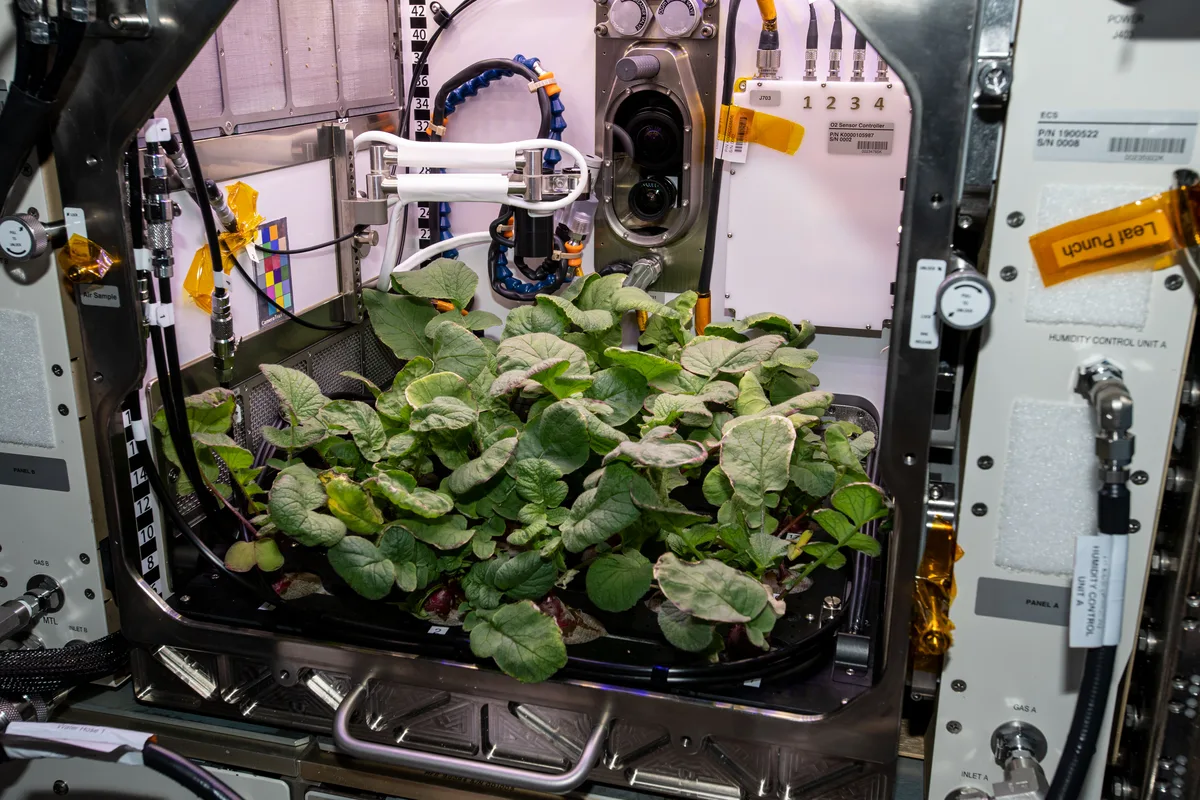
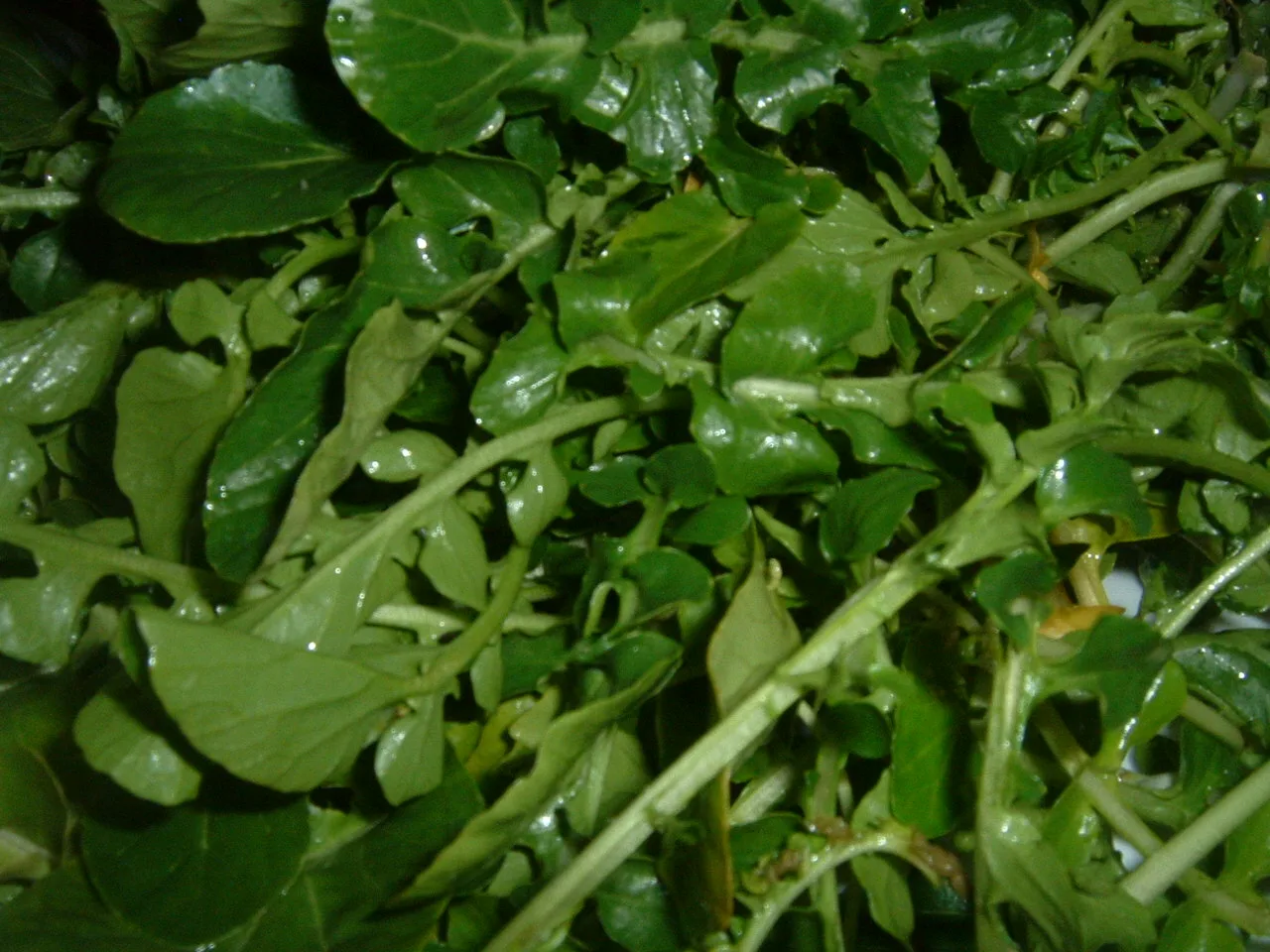
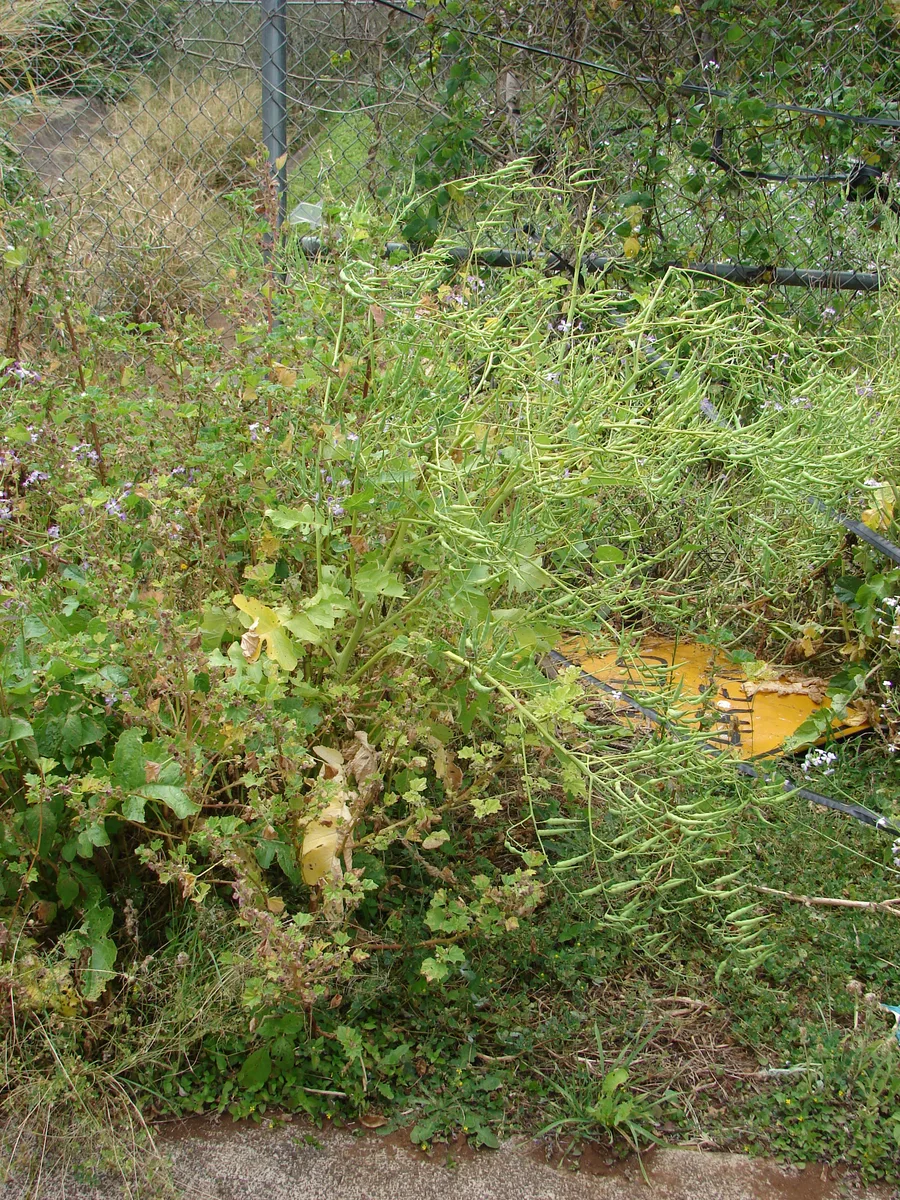
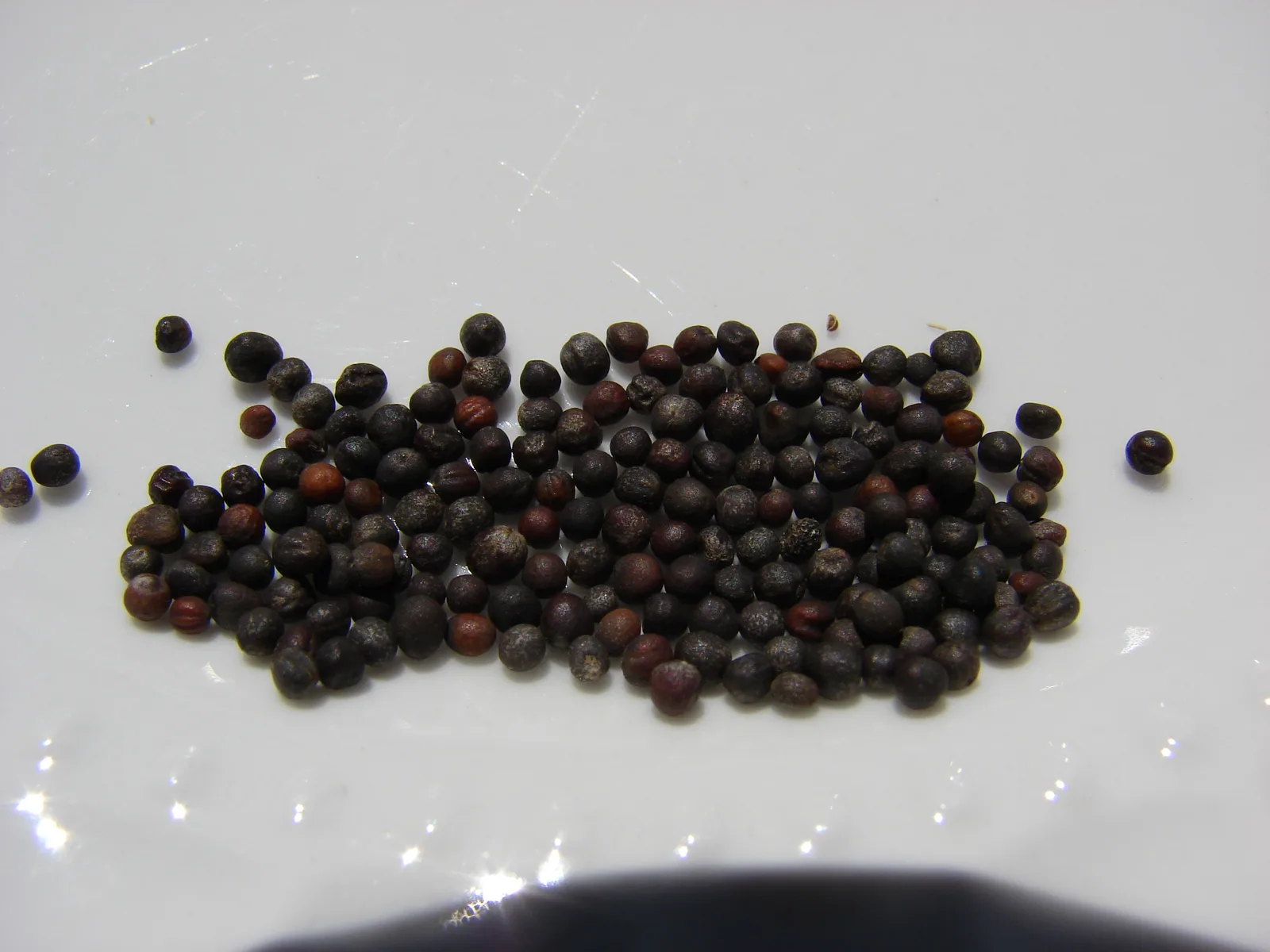
Plant reference images showing growth stages and identifying features.
Photo info
How to Grow Arugula
Arugula growing information includes sunlight requirements of Full sun to partial shade, soil conditions listed as Fertile, well-drained soil with organic matter with a soil pH of 6.0-7.0, and Moderate; keep evenly moist without waterlogging water needs. The listed hardiness zones are 2-11 as an annual crop. For propagation reference, the database lists germination or establishment information for Arugula as Usually about 5-10 days; emergence varies with soil temperature and moisture, with planting or establishment depth listed as Sow shallowly, about 1/8-1/4 inch deep. Days to maturity are listed as First tender leaves can be harvested about 21-28 days after sowing under favorable conditions; allow longer for larger leaves.
Plant Overview
Arugula (Eruca vesicaria) is listed in the Brassicaceae family and categorized as a vegetable with an annual life cycle. This profile summarizes growing information for hardiness, light, soil, water, seed starting, maturity, and other available cultivation details. Difficulty is listed as Easy.
- Plant ID
- PLT-0044
- Family
- Brassicaceae
- Plant type
- Vegetable
- Life cycle
- Annual
- Alternate names
- Rocket, garden rocket, roquette, Italian cress
- Growth habit
- Fast-growing cool-season annual forming a leafy rosette, followed by branched stems with creamy white, dark-veined flowers
- Mature height
- Flowering stems commonly reach 2-3 feet; plants harvested for young leaves remain much shorter
- Mature spread
- About 8-18 inches at maturity; plants harvested young or grown densely for baby leaves remain smaller
- Difficulty
- Easy
Growing Conditions
Arugula is listed for full sun to partial shade conditions. Water needs are listed as moderate; keep evenly moist without waterlogging. The database soil reference is Fertile, well-drained soil with organic matter. The listed soil pH range is 6.0-7.0, and the listed hardiness range is 2-11 as an annual crop.
- Hardiness zones
- 2-11 as an annual crop
- Sunlight
- Full sun to partial shade
- Soil
- Fertile, well-drained soil with organic matter
- Soil pH
- 6.0-7.0
- Water needs
- Moderate; keep evenly moist without waterlogging
- Plant spacing
- Thin to 3-6 inches for leaf production; denser sowings suit baby-leaf harvest, while larger plants can be spaced about 10 inches apart
Seed & Germination
For seed starting, the listed germination time is Usually about 5-10 days; emergence varies with soil temperature and moisture and the seed depth is Sow shallowly, about 1/8-1/4 inch deep. The listed time to maturity is First tender leaves can be harvested about 21-28 days after sowing under favorable conditions; allow longer for larger leaves. Use these values as general reference points and adjust for local climate, seed source, and growing conditions.
- Germination
- Usually about 5-10 days; emergence varies with soil temperature and moisture
- Germination temperature
- Can germinate in cool soil around 40-55 F; germination also occurs at warmer temperatures, with speed depending on conditions
- Seed depth
- Sow shallowly, about 1/8-1/4 inch deep
- Sowing method
- Direct sow during cool weather; repeat sowings every 2-3 weeks for successive harvests
- Start indoors
- Optional; direct sowing is usually convenient for this fast-growing crop, but young transplants can also be used
- Transplanting
- Plant young seedlings during cool weather after gradually acclimating them to outdoor conditions; avoid disturbing the roots
Harvest & Propagation
- Days to maturity
- First tender leaves can be harvested about 21-28 days after sowing under favorable conditions; allow longer for larger leaves
- Harvest
- Pick tender outer leaves or cut above the growing point, about 1-2 inches above the soil, to allow regrowth. Heat and flowering produce a stronger flavor
- Propagation
- Propagated by seed; plants allowed to mature may self-sow
- Seed saving
- Allow pods to become light brown and brittle. Cut mature seed stalks and finish drying under cover before threshing and winnowing. Separate flowering varieties by 800 feet to 1/2 mile; save seed from 20-50 plants for long-term variety maintenance.
- Pollination
- Insect-pollinated and strongly outcrossing; grow multiple flowering plants for seed and isolate varieties to maintain purity
Garden Information
- Common pests
- Flea beetles are a principal pest and can severely damage young seedlings
- Common diseases
- Downy mildew, white rust, and bacterial leaf spot can affect arugula; disease pressure varies with moisture and local conditions
- Uses
- Peppery leaves for salads, sandwiches, pizza, pasta, and pesto; edible flowers for garnishes
Related Plants

Find, buy, swap, or sell Arugula
One World One Seed connects this plant profile to community sellers, plant swaps, storefronts, and participating garden retailers.
Growing Reference Note
Plant performance can vary with climate, soil, weather, cultivar, seed quality, and gardening methods. The values on this page are general database reference ranges rather than a substitute for local extension guidance or seed-packet instructions.