Celery
Apium graveolens
Family: Apiaceae
Celery grows in full sun and prefers rich, fertile, moisture-retentive loam with abundant organic matter and good drainage. Water needs: High; keep soil consistently moist throughout growth because drought stress can produce tough, stringy stalks and slow development.
Photo Gallery
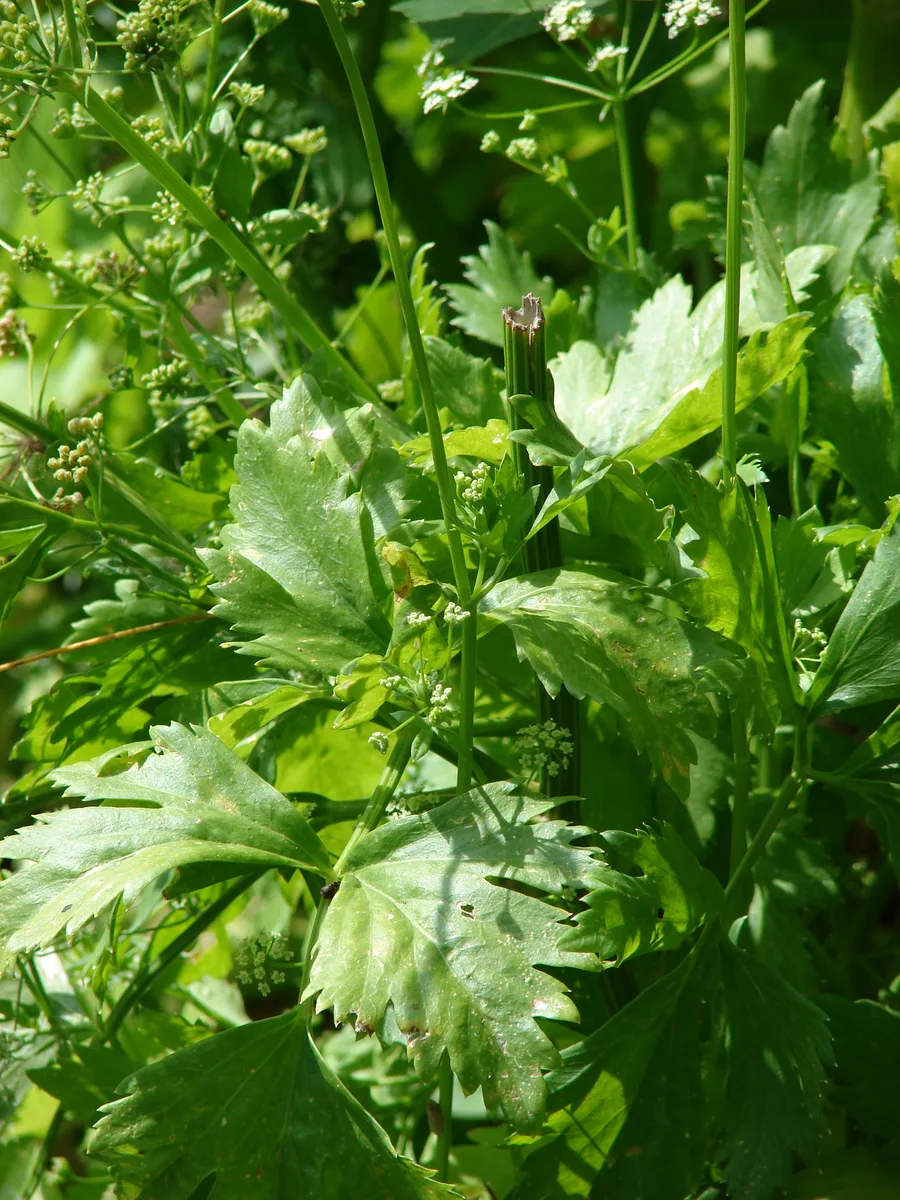
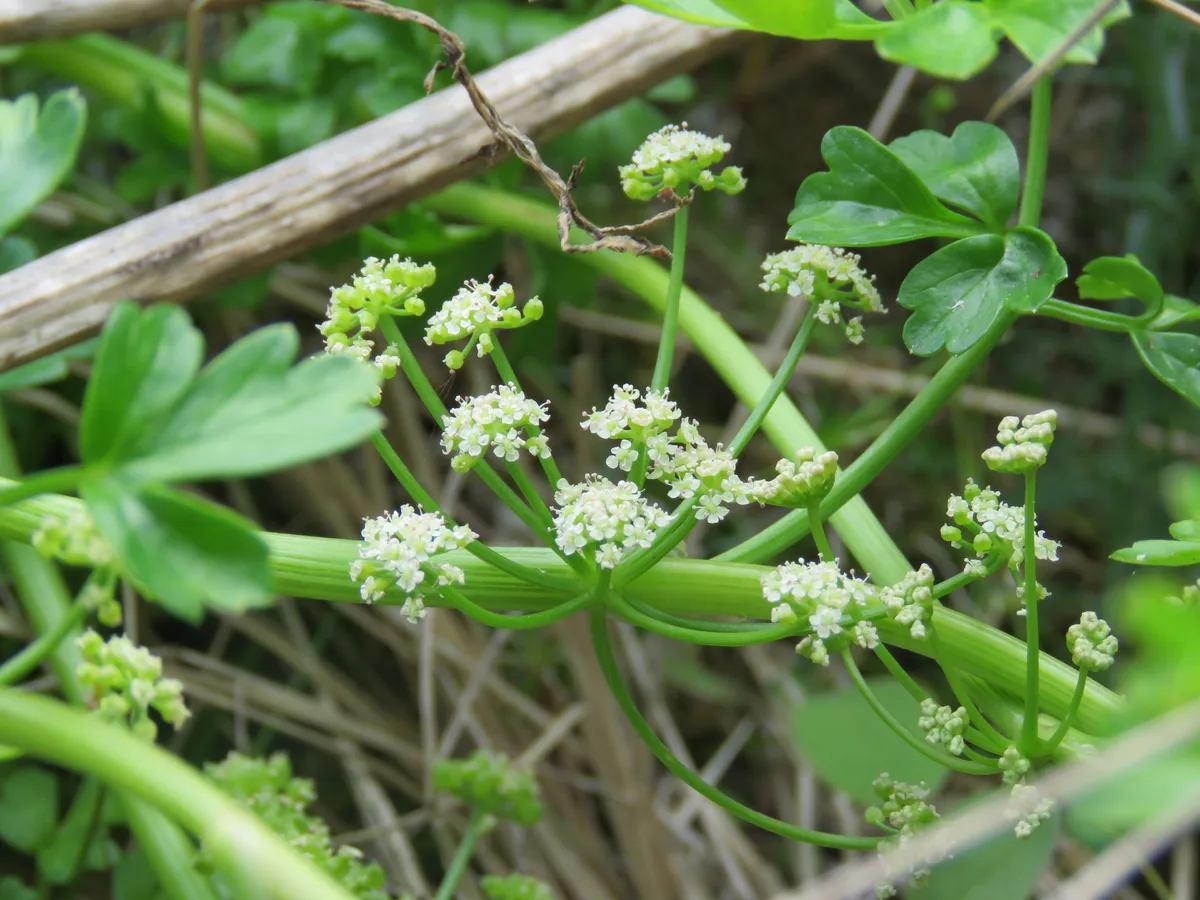
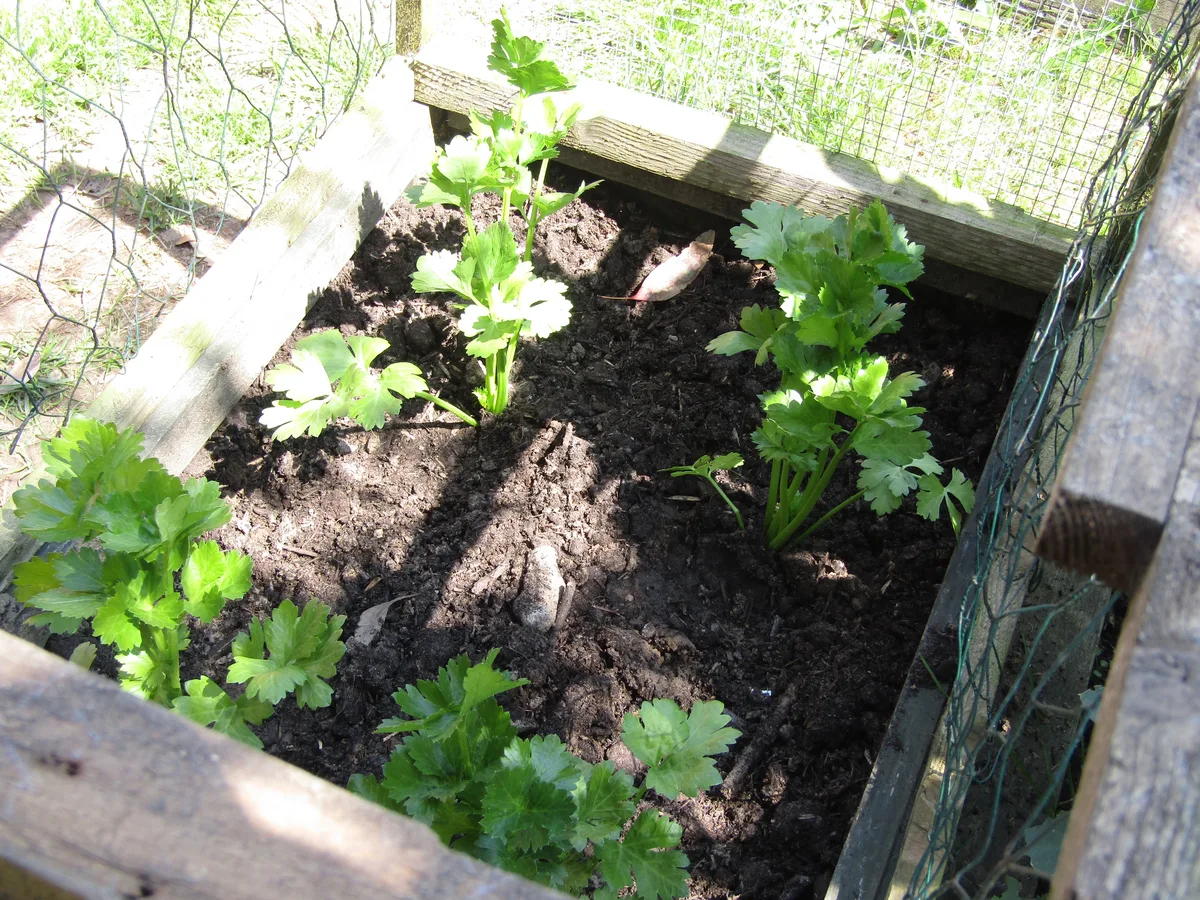
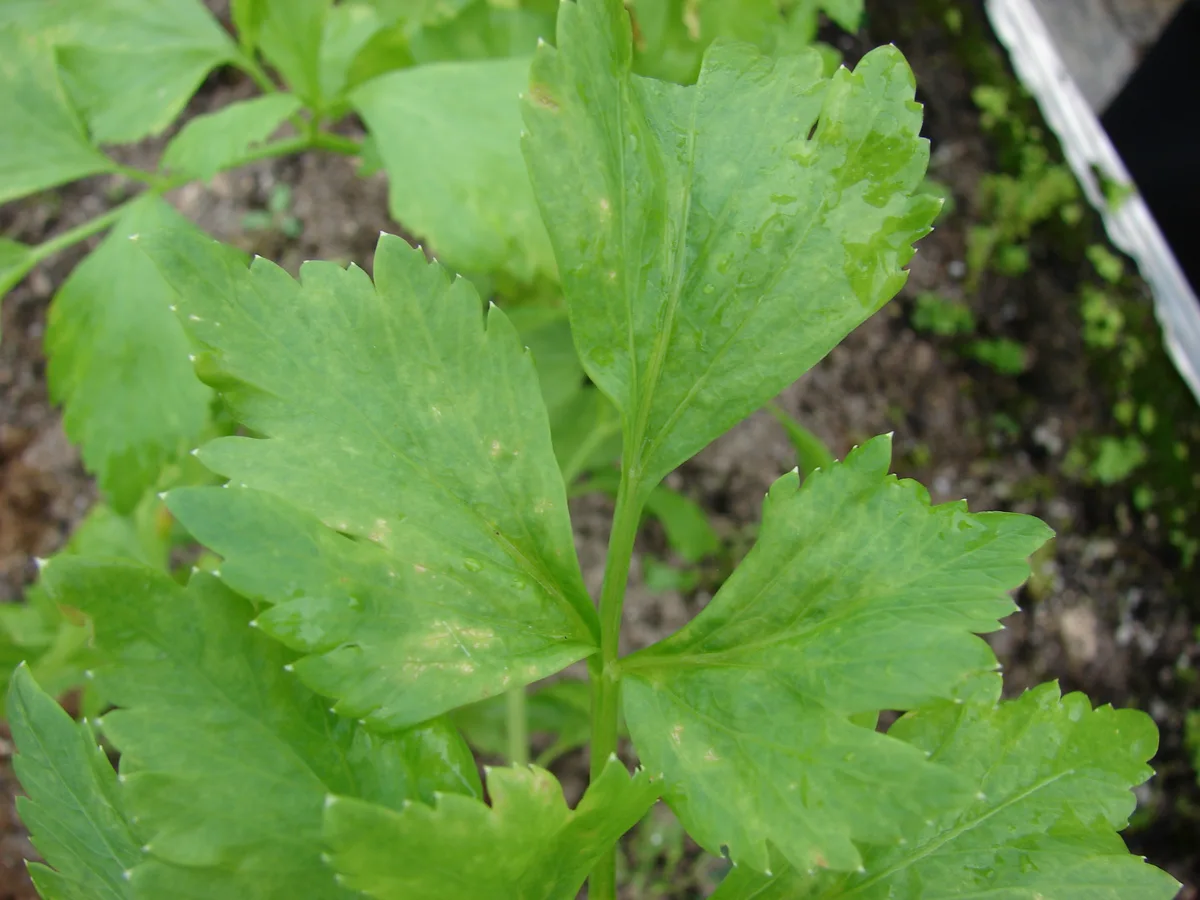
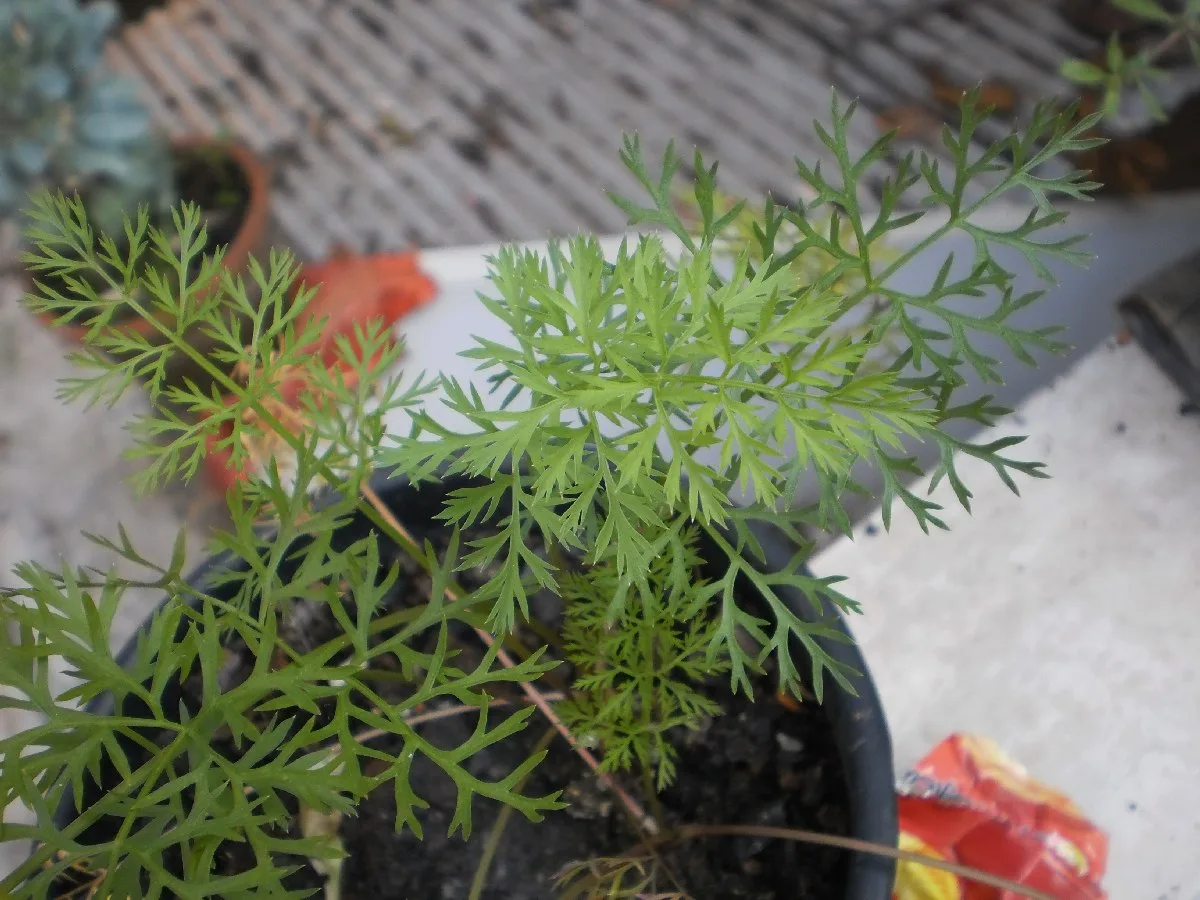
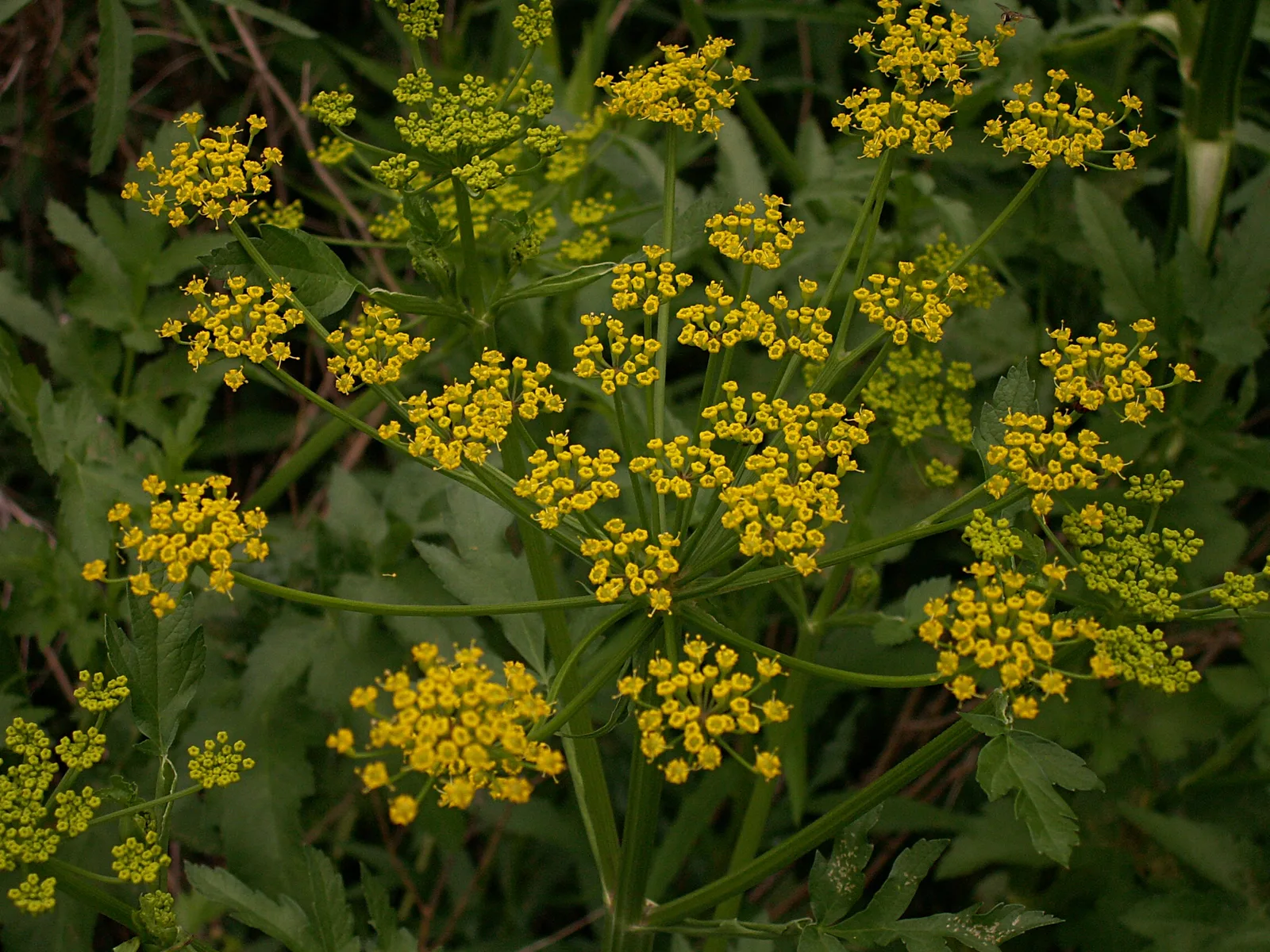
Plant reference images showing growth stages and identifying features.
Photo info
How to Grow Celery
Celery growing information includes sunlight requirements of Full sun, soil conditions listed as Rich, fertile, moisture-retentive loam with abundant organic matter and good drainage with a soil pH of 6.0-7.0, and High; keep soil consistently moist throughout growth because drought stress can produce tough, stringy stalks and slow development water needs. The listed hardiness zones are 2-10 as an annual crop. For propagation reference, the database lists germination or establishment information for Celery as Typically 5-14 days from seed when conditions are suitable, with planting or establishment depth listed as About 1/4-1 inch depending on seed size. Days to maturity are listed as Typically 45-120 days depending on cultivar and growing conditions.
Plant Overview
Celery (Apium graveolens) is listed in the Apiaceae family and categorized as a vegetable with a biennial commonly grown as an annual crop life cycle. This profile summarizes growing information for hardiness, light, soil, water, seed starting, maturity, and other available cultivation details. Difficulty is listed as Moderate.
- Plant ID
- PLT-0034
- Family
- Apiaceae
- Plant type
- Vegetable
- Life cycle
- Biennial commonly grown as an annual crop
- Growth habit
- Cool-season herbaceous biennial commonly grown as an annual for its crisp leaf stalks
- Mature height
- Commonly about 18-24 inches tall at harvest
- Mature spread
- Commonly about 8-12 inches wide
- Difficulty
- Moderate
Growing Conditions
Celery is listed for full sun conditions. Water needs are listed as high; keep soil consistently moist throughout growth because drought stress can produce tough, stringy stalks and slow development. The database soil reference is Rich, fertile, moisture-retentive loam with abundant organic matter and good drainage. The listed soil pH range is 6.0-7.0, and the listed hardiness range is 2-10 as an annual crop.
- Hardiness zones
- 2-10 as an annual crop
- Sunlight
- Full sun
- Soil
- Rich, fertile, moisture-retentive loam with abundant organic matter and good drainage
- Soil pH
- 6.0-7.0
- Water needs
- High; keep soil consistently moist throughout growth because drought stress can produce tough, stringy stalks and slow development
- Plant spacing
- Space plants roughly 6-10 inches apart, with rows about 18-24 inches apart
Seed & Germination
For seed starting, the listed germination time is Typically 5-14 days from seed when conditions are suitable and the seed depth is About 1/4-1 inch depending on seed size. The listed time to maturity is Typically 45-120 days depending on cultivar and growing conditions. Use these values as general reference points and adjust for local climate, seed source, and growing conditions.
- Germination
- Typically 5-14 days from seed when conditions are suitable
- Germination temperature
- Celery seed germinates best under mild conditions, commonly around 60-70°F, with steady moisture and light exposure
- Seed depth
- About 1/4-1 inch depending on seed size
- Sowing method
- Start celery seed shallowly in containers because the seed is tiny and seedlings develop slowly; transplant outdoors after hardening off when cool conditions are suitable
- Start indoors
- Optional for crops that tolerate transplanting; otherwise direct sow
- Transplanting
- Transplant after hardening off when temperatures suit the crop
Harvest & Propagation
- Days to maturity
- Typically 45-120 days depending on cultivar and growing conditions
- Harvest
- Harvest individual outer stalks as needed or cut the entire plant at the base when stalks are full-sized, crisp, and tender
- Propagation
- Primarily propagated by seed and commonly started indoors because seedlings develop slowly
- Seed saving
- Celery is biennial and must survive or be overwintered to flower in its second season; allow seed heads to dry on the plant before collecting, and isolate flowering celery from compatible Apium graveolens types to reduce cross-pollination
- Pollination
- If allowed to flower in its second year, celery produces insect-pollinated umbels that attract small bees, flies, and other beneficial insects
Garden Information
- Common pests
- Aphids, leaf miners, slugs, snails, flea beetles, cutworms, carrot rust flies, and caterpillars
- Common diseases
- Early and late blight, bacterial leaf spot, pink rot, damping-off, root rots, and other moisture-related diseases
- Uses
- Fresh stalks and leaves for salads, soups, stews, stocks, sauces, stuffing, snacks, and other culinary uses
Related Plants
Find, buy, swap, or sell Celery
One World One Seed connects this plant profile to community sellers, plant swaps, storefronts, and participating garden retailers.
Growing Reference Note
Plant performance can vary with climate, soil, weather, cultivar, seed quality, and gardening methods. The values on this page are general database reference ranges rather than a substitute for local extension guidance or seed-packet instructions.