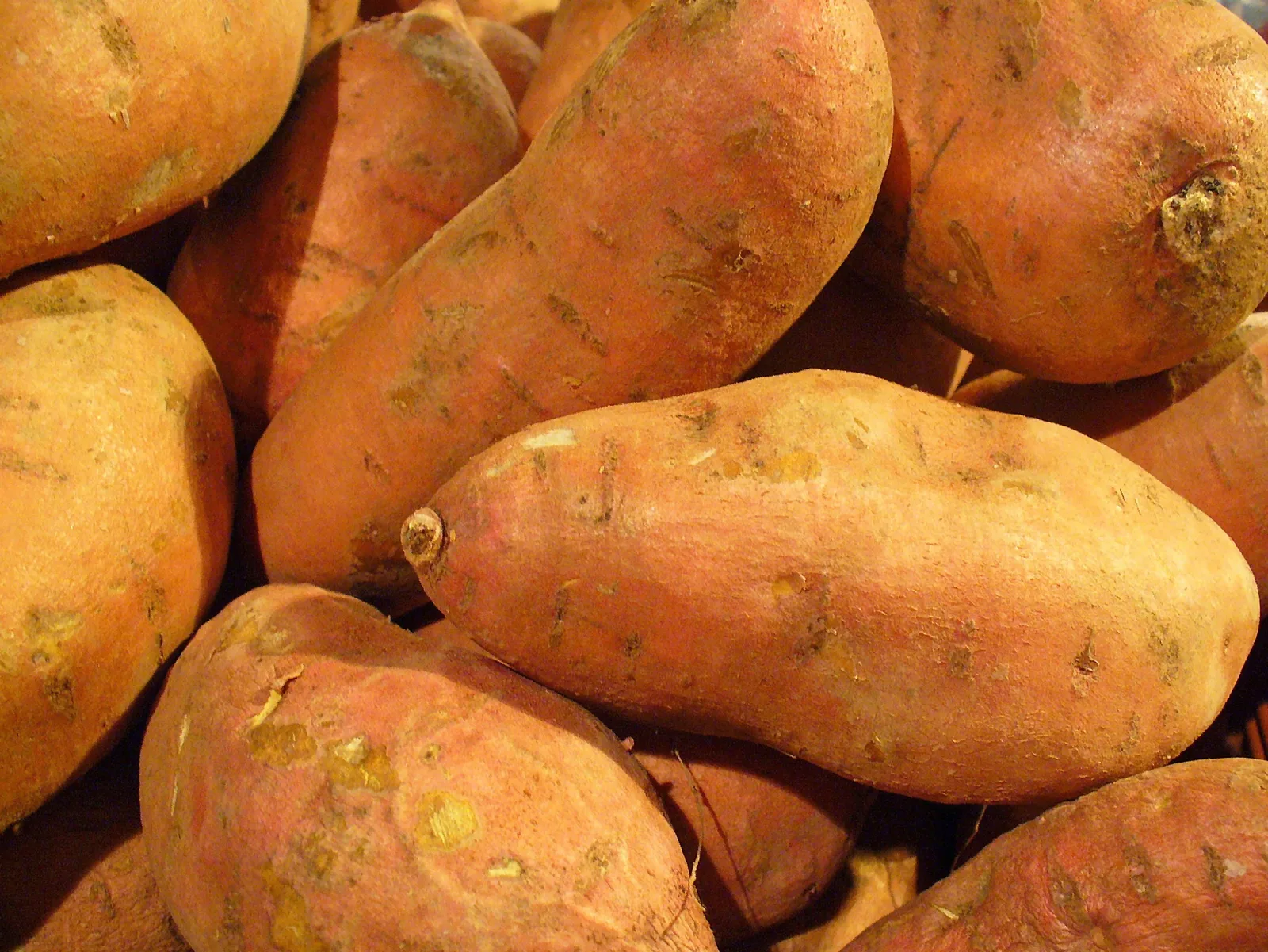
Sweet Potato
Ipomoea batatas
Family: Convolvulaceae
Sweet Potato grows in full sun and prefers loose, fertile, well-drained sandy loam. Water needs: Moderate; keep evenly moist during establishment, then avoid waterlogged soil.
Photo Gallery
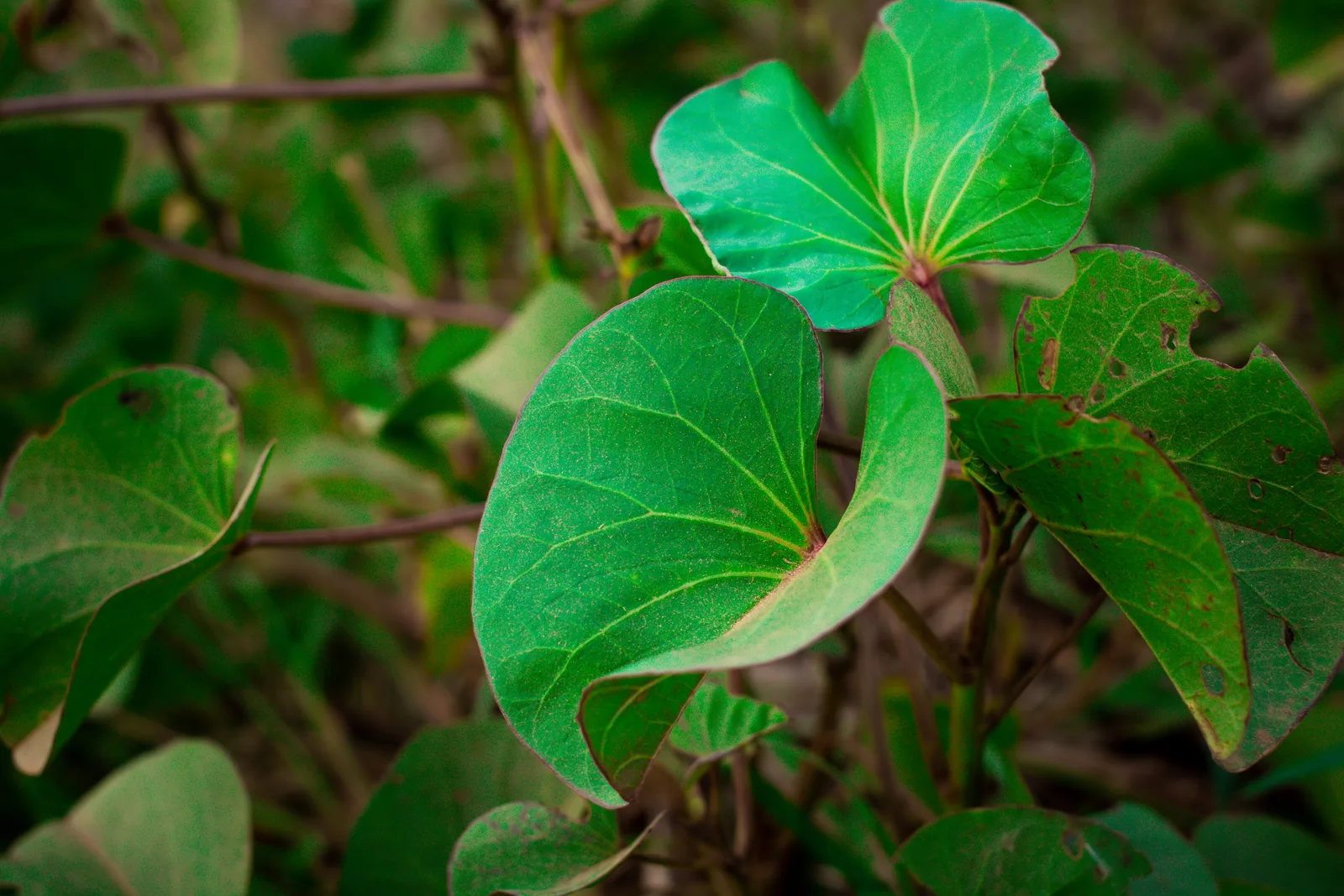
Plant reference images showing growth stages and identifying features.
Photo info
Photo info
Photo info
Photo info
Photo info
How to Grow Sweet Potato
Sweet Potato growing information includes sunlight requirements of Full sun, soil conditions listed as Loose, fertile, well-drained sandy loam with a soil pH of 5.5-6.5, and Moderate; keep evenly moist during establishment, then avoid waterlogged soil water needs. The listed hardiness zones are 9-11 as a perennial; widely grown as an annual elsewhere. For propagation reference, the database lists germination or establishment information for Sweet Potato as Usually propagated from slips rather than seed, with planting or establishment depth listed as Plant slips deep enough to cover the root zone and several stem nodes. Days to maturity are listed as 90-150 days depending on variety and climate.
Plant Overview
Sweet Potato (Ipomoea batatas) is listed in the Convolvulaceae family and categorized as a vegetable with a tender perennial commonly grown as an annual crop life cycle. This profile summarizes growing information for hardiness, light, soil, water, seed starting, maturity, and other available cultivation details. Difficulty is listed as Moderate.
- Plant ID
- PLT-0028
- Family
- Convolvulaceae
- Plant type
- Vegetable
- Life cycle
- Tender perennial commonly grown as an annual crop
- Alternate names
- Sweetpotato
- Growth habit
- Warm-season trailing vine producing enlarged storage roots
- Mature height
- 6-12 in above soil
- Mature spread
- 3-10 ft or more
- Difficulty
- Moderate
Growing Conditions
Sweet Potato is listed for full sun conditions. Water needs are listed as moderate; keep evenly moist during establishment, then avoid waterlogged soil. The database soil reference is Loose, fertile, well-drained sandy loam. The listed soil pH range is 5.5-6.5, and the listed hardiness range is 9-11 as a perennial; widely grown as an annual elsewhere.
- Hardiness zones
- 9-11 as a perennial; widely grown as an annual elsewhere
- Sunlight
- Full sun
- Soil
- Loose, fertile, well-drained sandy loam
- Soil pH
- 5.5-6.5
- Water needs
- Moderate; keep evenly moist during establishment, then avoid waterlogged soil
- Plant spacing
- 12-18 in between plants; 3-4 ft between rows
Seed & Germination
For propagation, the database note is usually propagated from slips rather than seed. Planting-depth guidance: Plant slips deep enough to cover the root zone and several stem nodes. The listed time to maturity is 90-150 days depending on variety and climate. Use these values as general reference points and adjust for local climate, seed source, and growing conditions.
- Germination
- Usually propagated from slips rather than seed
- Germination temperature
- Warm soil is essential; strongest growth occurs above about 65°F
- Seed depth
- Plant slips deep enough to cover the root zone and several stem nodes
- Sowing method
- Plant rooted slips outdoors after soil and weather are reliably warm
- Start indoors
- Slips may be started indoors from healthy storage roots several weeks before planting
- Transplanting
- Transplant slips after frost danger has passed and soil has warmed
Harvest & Propagation
- Days to maturity
- 90-150 days depending on variety and climate
- Harvest
- Dig roots before frost when they reach usable size; handle gently and cure in warm, humid conditions before storage
- Propagation
- Slips, vine cuttings, or storage roots
- Pollination
- Flowers are insect pollinated when present, but most crops are propagated vegetatively
Garden Information
- Common pests
- Sweet potato weevils, wireworms, flea beetles, whiteflies, root-knot nematodes
- Common diseases
- Fusarium wilt, black rot, scurf, soft rot, storage rots
- Uses
- Baking, roasting, boiling, frying, mashing, desserts, soups, storage
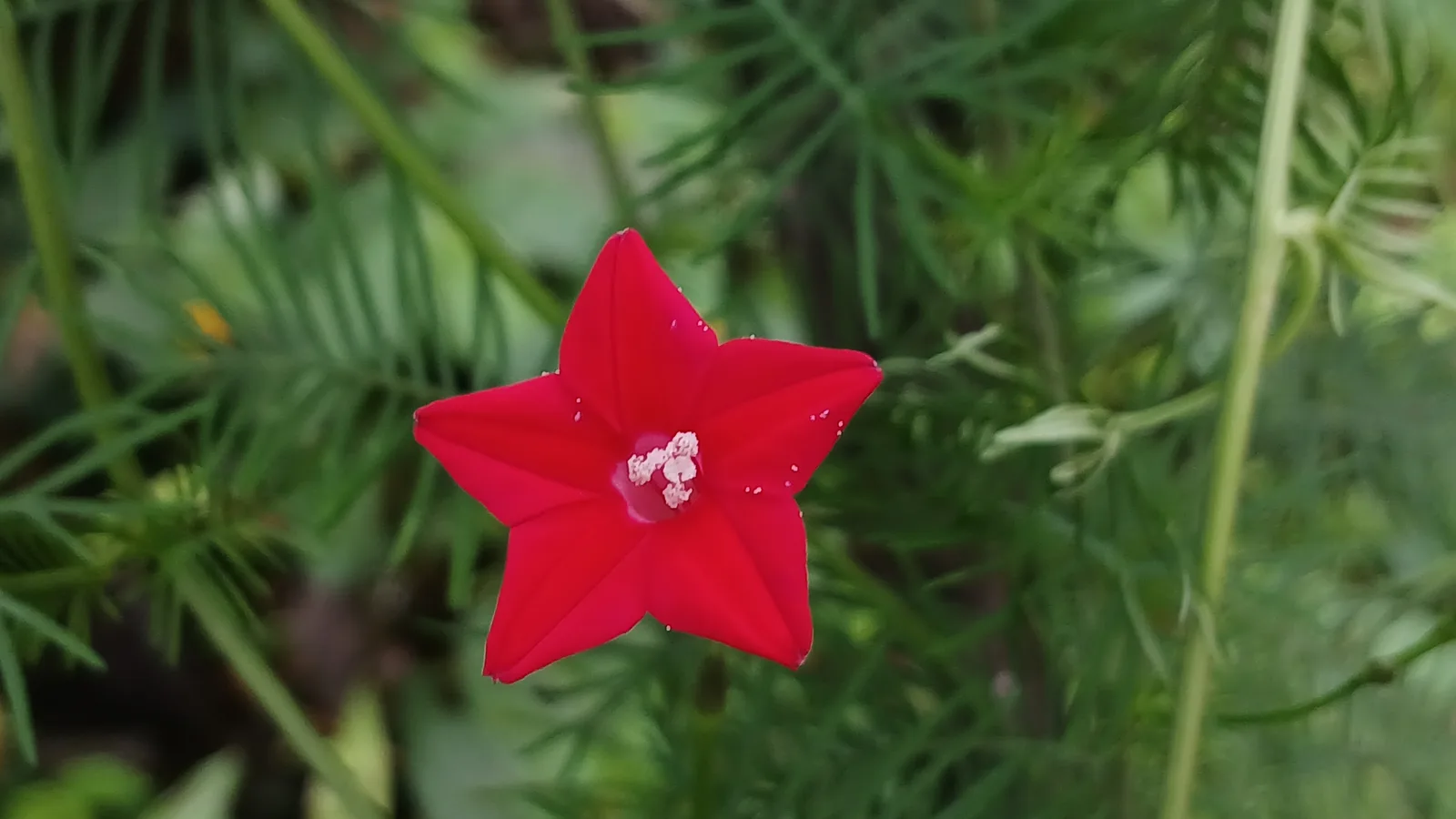
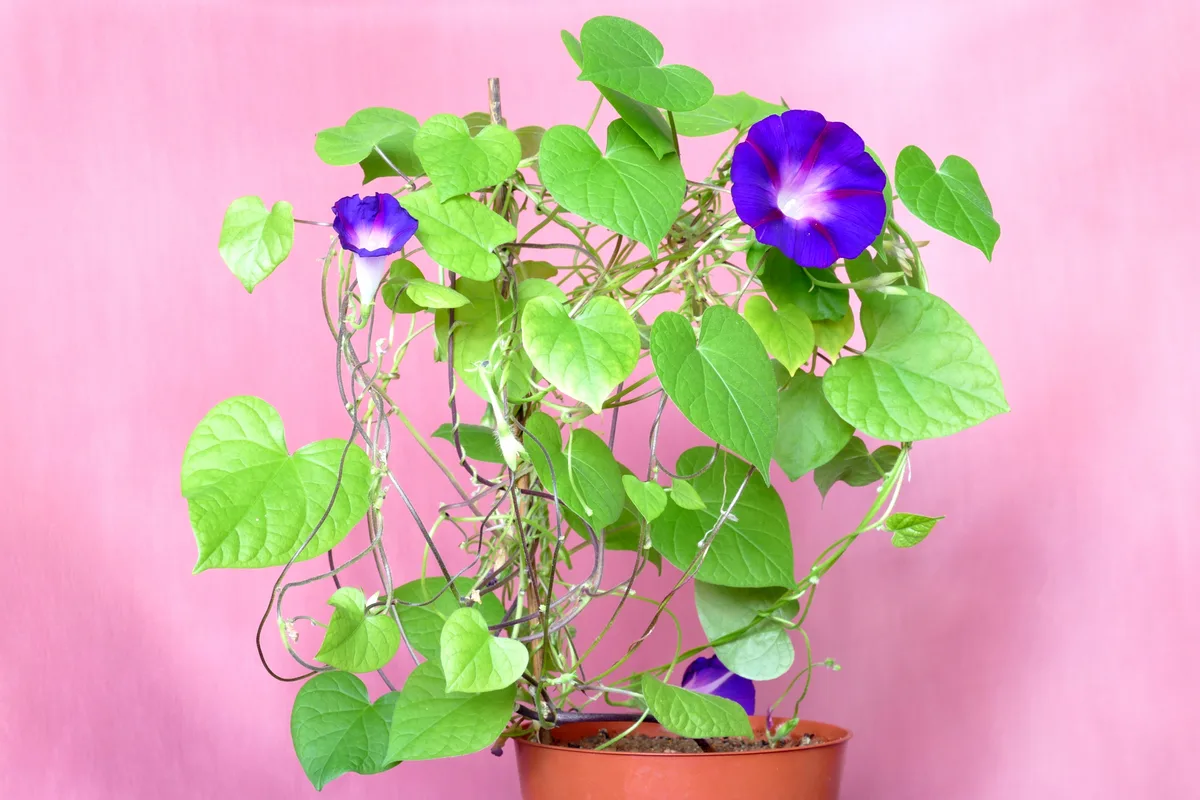
Related Plants
Find, buy, swap, or sell Sweet Potato
One World One Seed connects this plant profile to community sellers, plant swaps, storefronts, and participating garden retailers.
Growing Reference Note
Plant performance can vary with climate, soil, weather, cultivar, seed quality, and gardening methods. The values on this page are general database reference ranges rather than a substitute for local extension guidance or seed-packet instructions.