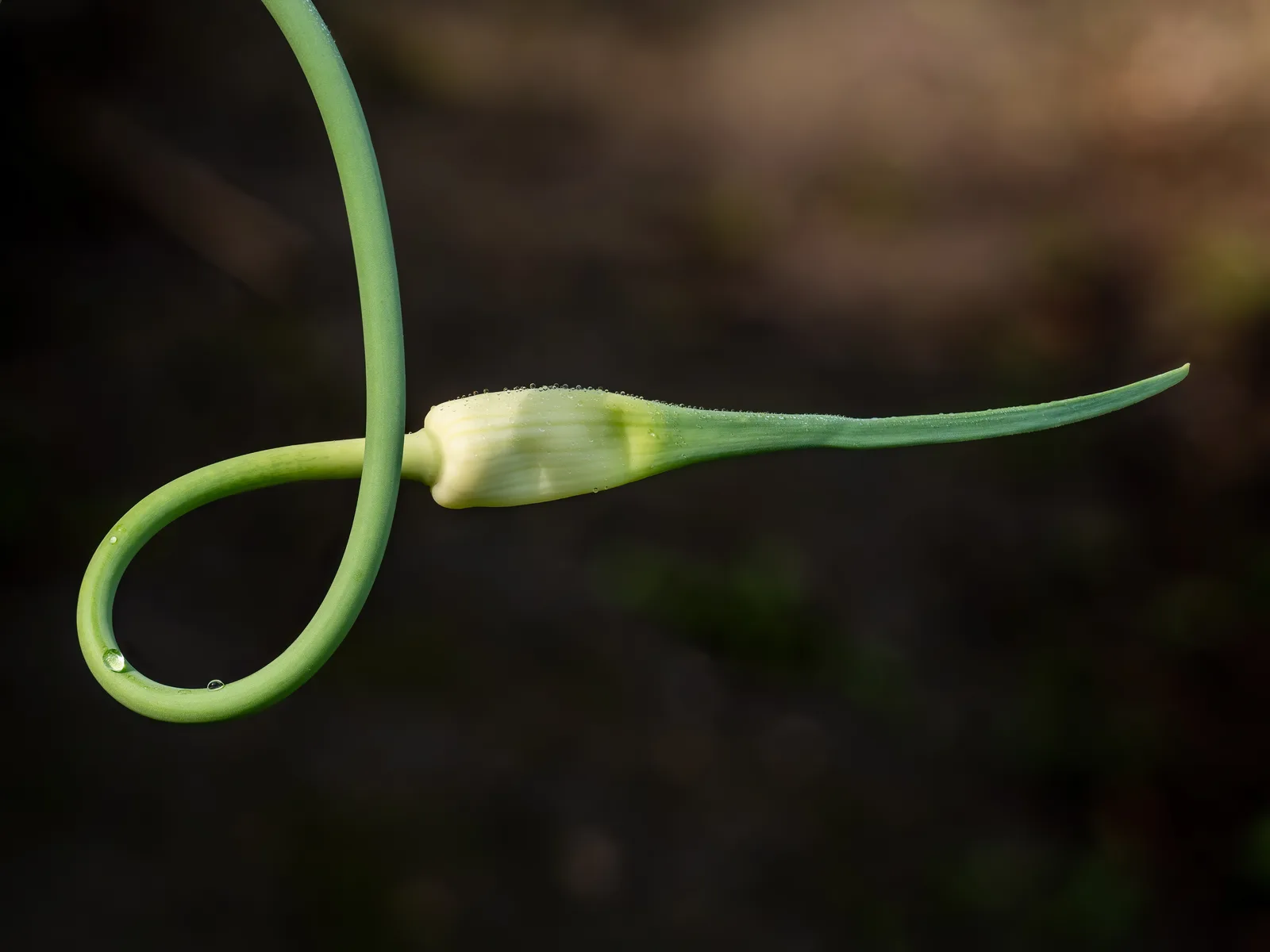
Garlic
Allium sativum
Family: Amaryllidaceae
Garlic grows in full sun and prefers loose, fertile, well-drained soil rich in organic matter. Water needs: Moderate; keep evenly moist during active growth, then reduce near harvest.
Photo Gallery
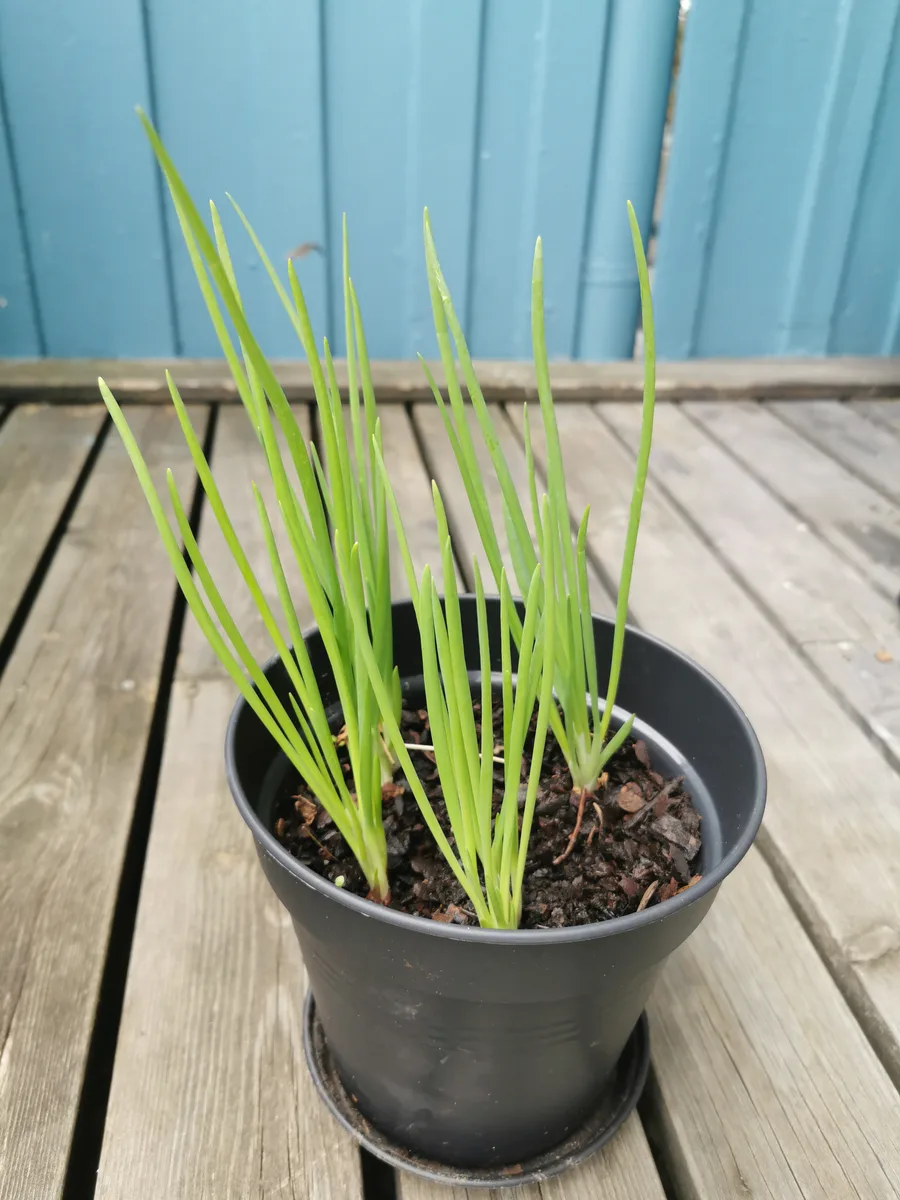
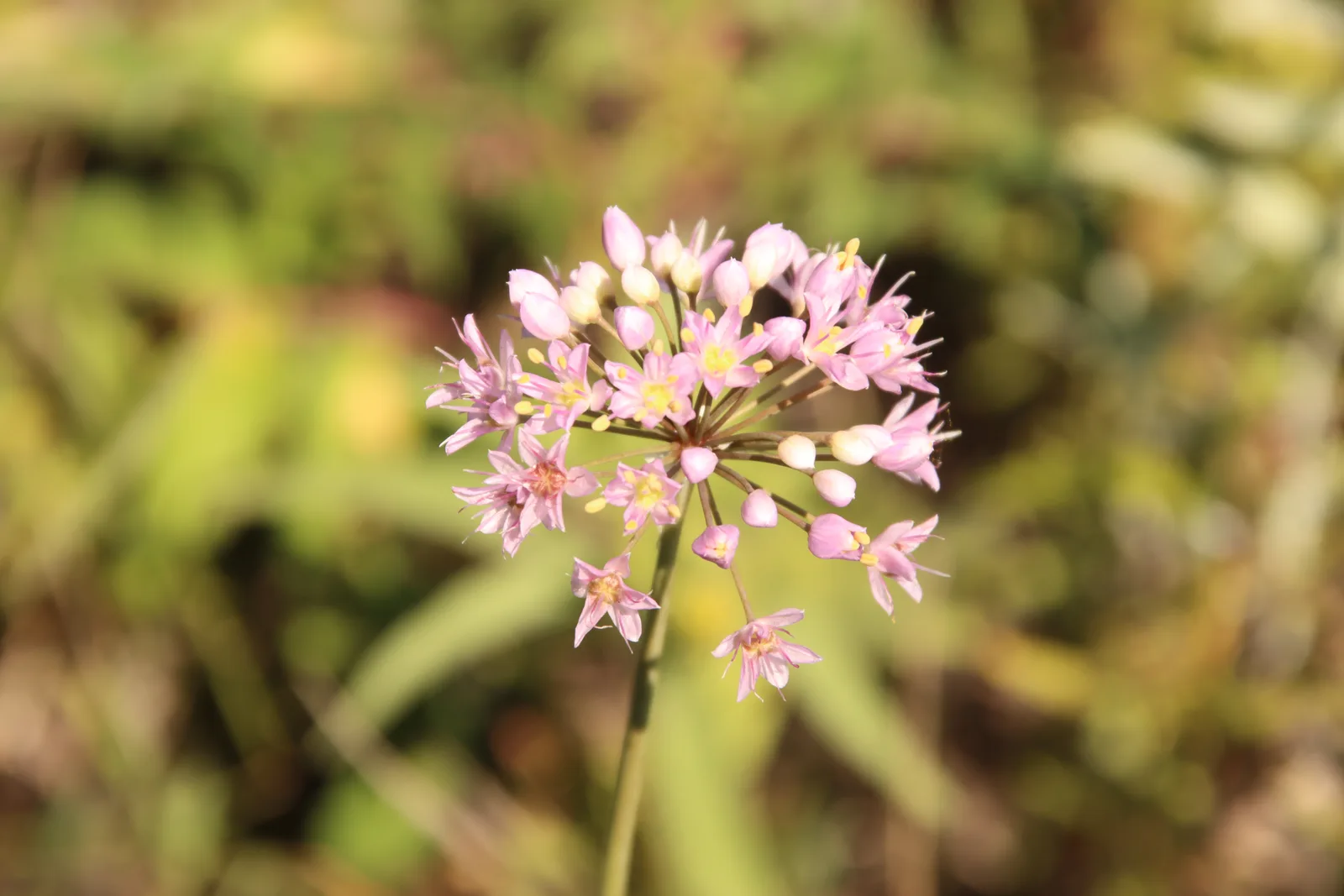
Plant reference images showing growth stages and identifying features.
Photo info
Photo info
How to Grow Garlic
Garlic growing information includes sunlight requirements of Full sun, soil conditions listed as Loose, fertile, well-drained soil rich in organic matter with a soil pH of 6.0-7.0, and Moderate; keep evenly moist during active growth, then reduce near harvest water needs. The listed hardiness zones are 3-8, depending on type and planting season. For propagation reference, the database lists germination or establishment information for Garlic as Usually propagated from cloves rather than seed, with planting or establishment depth listed as Plant cloves about 2 inches deep. Days to maturity are listed as About 240-270 days from fall planting, depending on climate and variety.
Plant Overview
Garlic (Allium sativum) is listed in the Amaryllidaceae family and categorized as a vegetable with a perennial commonly grown as an annual crop life cycle. This profile summarizes growing information for hardiness, light, soil, water, seed starting, maturity, and other available cultivation details. Difficulty is listed as Easy.
- Plant ID
- PLT-0026
- Family
- Amaryllidaceae
- Plant type
- Vegetable
- Life cycle
- Perennial commonly grown as an annual crop
- Alternate names
- Cultivated garlic
- Growth habit
- Upright bulb-forming herb with flat strap-like leaves
- Mature height
- 12-24 in
- Mature spread
- 4-8 in
- Difficulty
- Easy
Growing Conditions
Garlic is listed for full sun conditions. Water needs are listed as moderate; keep evenly moist during active growth, then reduce near harvest. The database soil reference is Loose, fertile, well-drained soil rich in organic matter. The listed soil pH range is 6.0-7.0, and the listed hardiness range is 3-8, depending on type and planting season.
- Hardiness zones
- 3-8, depending on type and planting season
- Sunlight
- Full sun
- Soil
- Loose, fertile, well-drained soil rich in organic matter
- Soil pH
- 6.0-7.0
- Water needs
- Moderate; keep evenly moist during active growth, then reduce near harvest
- Plant spacing
- 4-6 in between cloves
Seed & Germination
For propagation, the database note is usually propagated from cloves rather than seed. Planting-depth guidance: Plant cloves about 2 inches deep. The listed time to maturity is About 240-270 days from fall planting, depending on climate and variety. Use these values as general reference points and adjust for local climate, seed source, and growing conditions.
- Germination
- Usually propagated from cloves rather than seed
- Germination temperature
- Cloves root best in cool soil; chilling encourages bulb development
- Seed depth
- Plant cloves about 2 inches deep
- Sowing method
- Plant individual cloves pointed end up, usually in fall or early spring
- Start indoors
- Not usually necessary
- Transplanting
- Generally direct planted; container-started plants should be moved with minimal root disturbance
Harvest & Propagation
- Days to maturity
- About 240-270 days from fall planting, depending on climate and variety
- Harvest
- Harvest when lower leaves brown while several upper leaves remain green; cure bulbs in a dry, shaded, ventilated place
- Propagation
- Cloves, bulbils, or true seed in breeding programs
- Pollination
- Many cultivated types are sterile or rarely flower; flowering forms may be insect pollinated
Garden Information
- Common pests
- Onion thrips, onion maggots, bulb mites, nematodes
- Common diseases
- White rot, basal rot, downy mildew, botrytis rot, rust
- Uses
- Fresh cooking, roasting, sauces, seasoning, pickling, storage
Related Plants
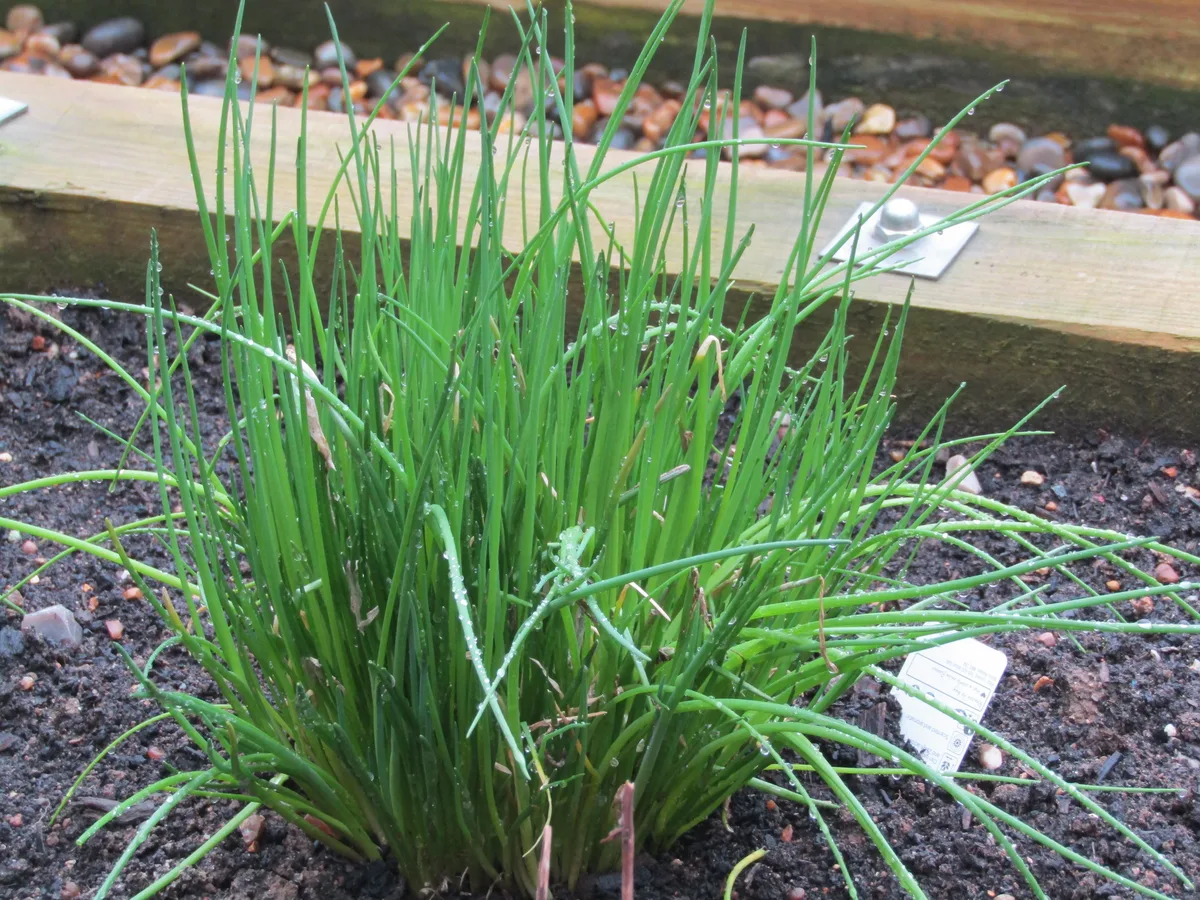
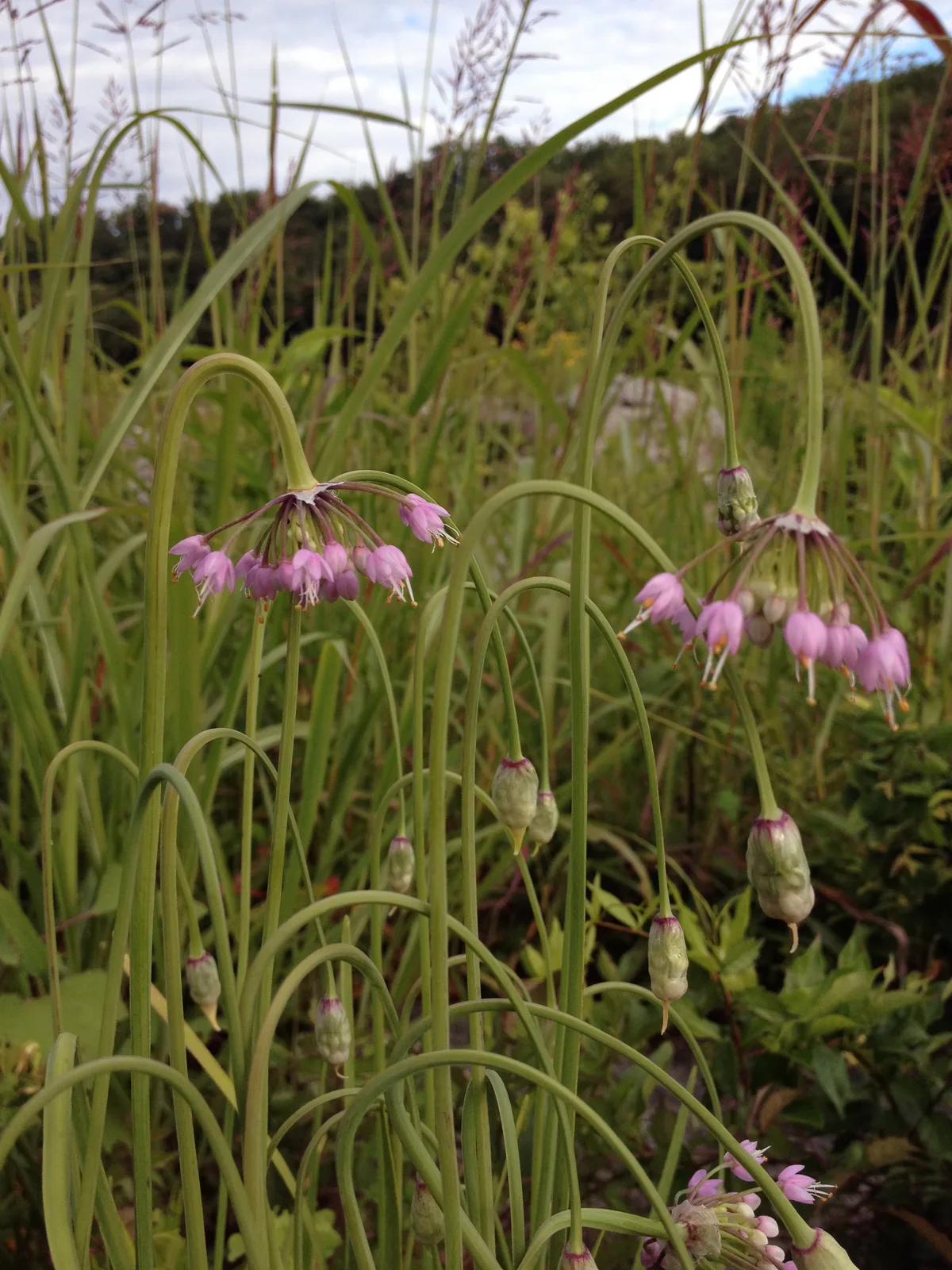
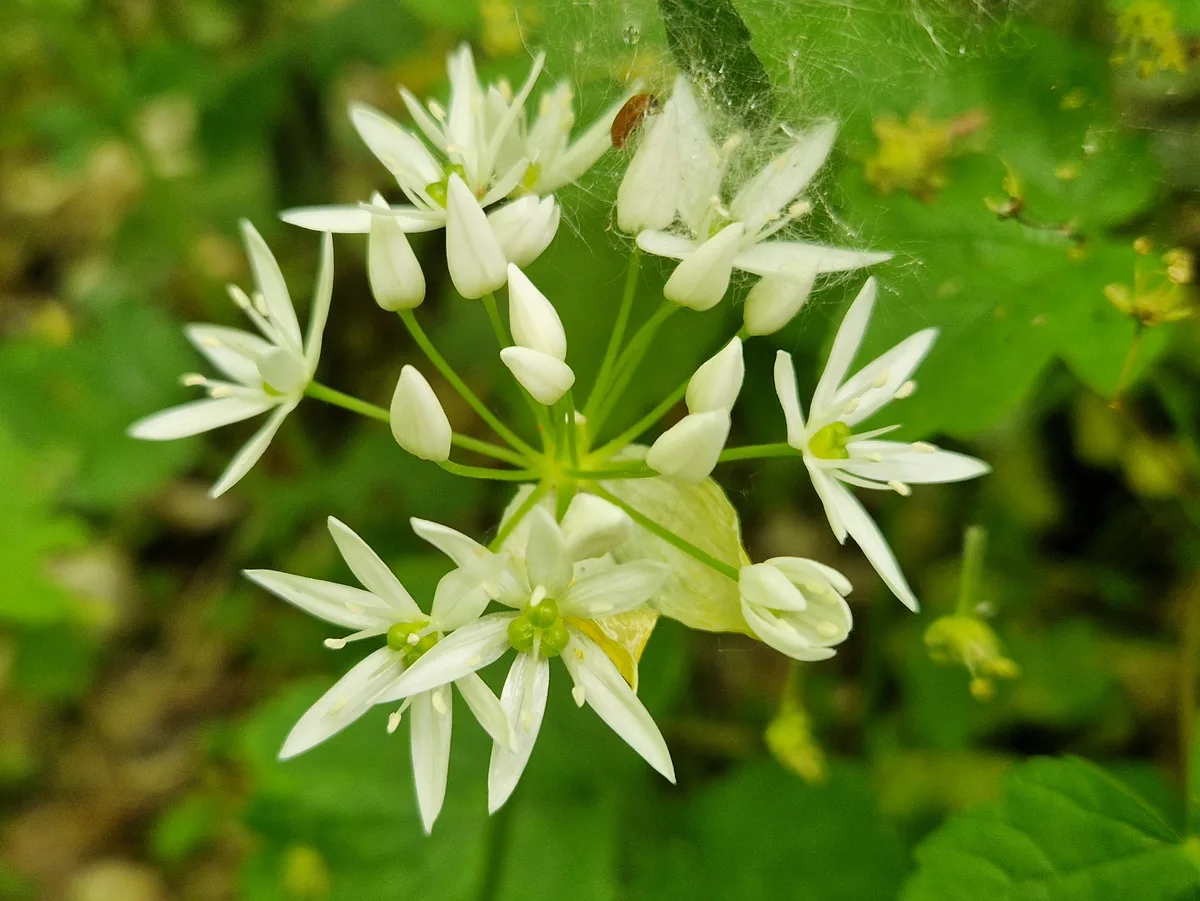
Find, buy, swap, or sell Garlic
One World One Seed connects this plant profile to community sellers, plant swaps, storefronts, and participating garden retailers.
Growing Reference Note
Plant performance can vary with climate, soil, weather, cultivar, seed quality, and gardening methods. The values on this page are general database reference ranges rather than a substitute for local extension guidance or seed-packet instructions.