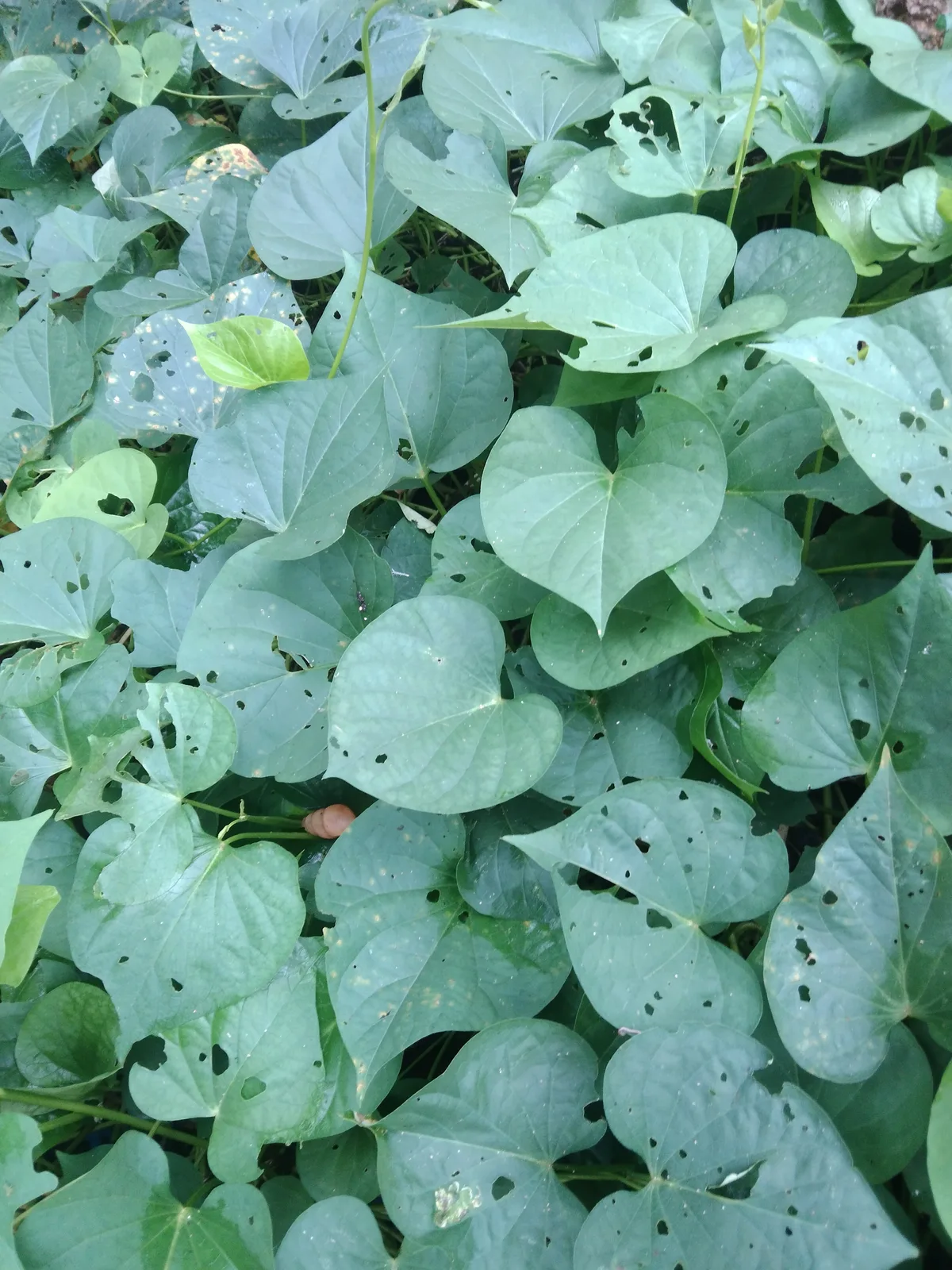
Potato
Solanum tuberosum
Family: Solanaceae
Potato grows in full sun and prefers loose, fertile, well-drained sandy loam with good organic matter. Water needs: Moderate; keep soil evenly moist, especially during tuber formation.
Photo Gallery
Plant reference images showing growth stages and identifying features.
Photo info
Photo info
Photo info
How to Grow Potato
Potato growing information includes sunlight requirements of Full sun, soil conditions listed as Loose, fertile, well-drained sandy loam with good organic matter with a soil pH of 5.0-6.5, and Moderate; keep soil evenly moist, especially during tuber formation water needs. The listed hardiness zones are 3-10 as an annual crop. For propagation reference, the database lists germination or establishment information for Potato as Usually propagated from seed potatoes; sprouts emerge in about 2-4 weeks, with planting or establishment depth listed as Plant seed potato pieces about 3-4 inches deep. Days to maturity are listed as 70-120 days depending on variety.
Plant Overview
Potato (Solanum tuberosum) is listed in the Solanaceae family and categorized as a vegetable with a tender perennial commonly grown as an annual crop life cycle. This profile summarizes growing information for hardiness, light, soil, water, seed starting, maturity, and other available cultivation details. Difficulty is listed as Moderate.
- Plant ID
- PLT-0027
- Family
- Solanaceae
- Plant type
- Vegetable
- Life cycle
- Tender perennial commonly grown as an annual crop
- Alternate names
- Irish potato; white potato
- Growth habit
- Bushy herbaceous plant producing underground stolons and tubers
- Mature height
- 18-36 in
- Mature spread
- 18-30 in
- Difficulty
- Moderate
Growing Conditions
Potato is listed for full sun conditions. Water needs are listed as moderate; keep soil evenly moist, especially during tuber formation. The database soil reference is Loose, fertile, well-drained sandy loam with good organic matter. The listed soil pH range is 5.0-6.5, and the listed hardiness range is 3-10 as an annual crop.
- Hardiness zones
- 3-10 as an annual crop
- Sunlight
- Full sun
- Soil
- Loose, fertile, well-drained sandy loam with good organic matter
- Soil pH
- 5.0-6.5
- Water needs
- Moderate; keep soil evenly moist, especially during tuber formation
- Plant spacing
- 10-12 in between plants; 30-36 in between rows
Seed & Germination
For seed starting, the listed germination time is Usually propagated from seed potatoes; sprouts emerge in about 2-4 weeks and the seed depth is Plant seed potato pieces about 3-4 inches deep. The listed time to maturity is 70-120 days depending on variety. Use these values as general reference points and adjust for local climate, seed source, and growing conditions.
- Germination
- Usually propagated from seed potatoes; sprouts emerge in about 2-4 weeks
- Germination temperature
- Soil around 45-70°F supports sprouting and early growth
- Seed depth
- Plant seed potato pieces about 3-4 inches deep
- Sowing method
- Plant certified disease-free seed potatoes or cut pieces with at least one healthy eye
- Start indoors
- Not usually necessary
- Transplanting
- Generally direct planted; avoid damaging developing sprouts and roots
Harvest & Propagation
- Days to maturity
- 70-120 days depending on variety
- Harvest
- Harvest new potatoes after flowering or mature tubers after foliage yellows and dies back; cure before long-term storage
- Propagation
- Vegetatively from seed potatoes or tuber pieces; botanical seed is mainly used for breeding
- Pollination
- Flowers are usually self-pollinating but may also be visited by insects
Garden Information
- Common pests
- Colorado potato beetles, aphids, wireworms, flea beetles, potato leafhoppers
- Common diseases
- Late blight, early blight, common scab, blackleg, verticillium wilt
- Toxicity / cautions
- Green tubers, sprouts, leaves, stems, and berries contain toxic glycoalkaloids and should not be eaten
- Uses
- Boiling, baking, roasting, frying, mashing, soups, storage
Related Plants
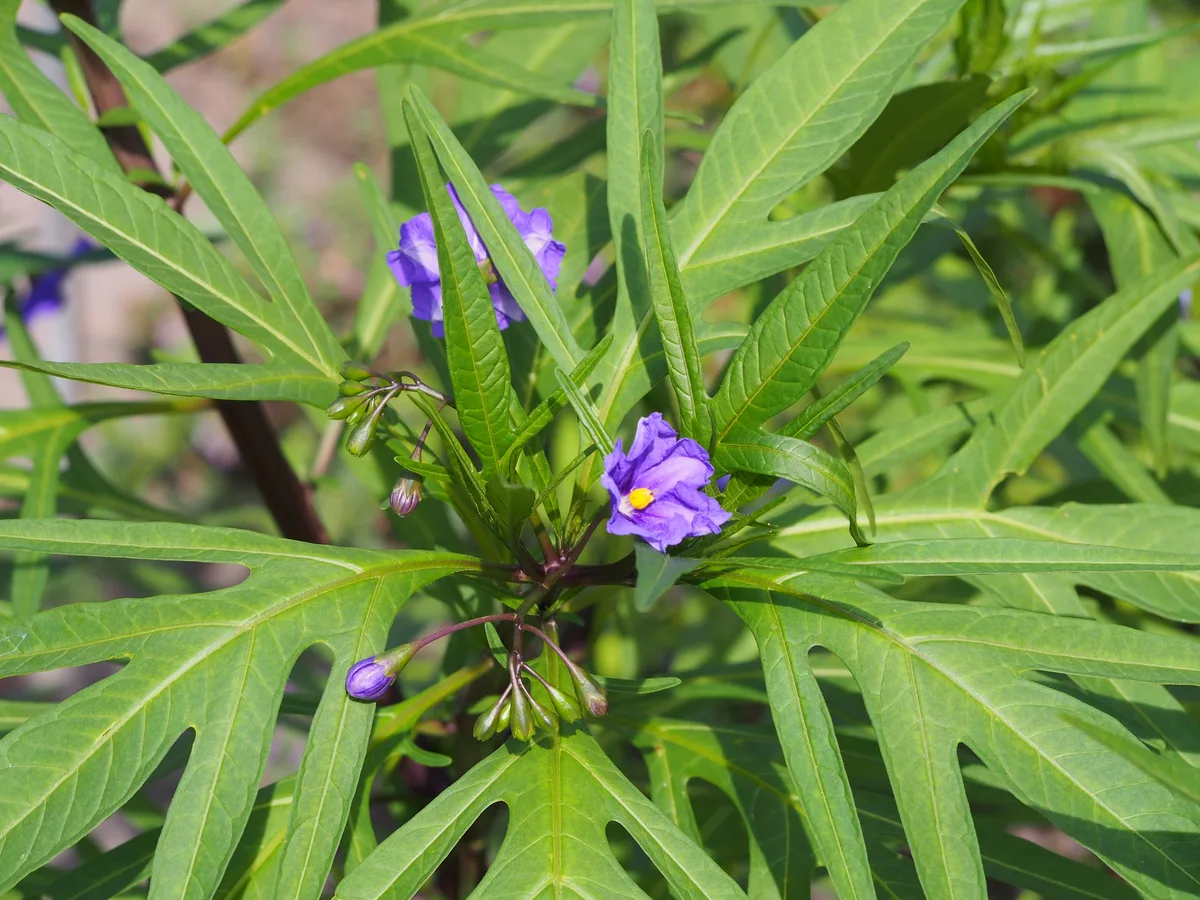
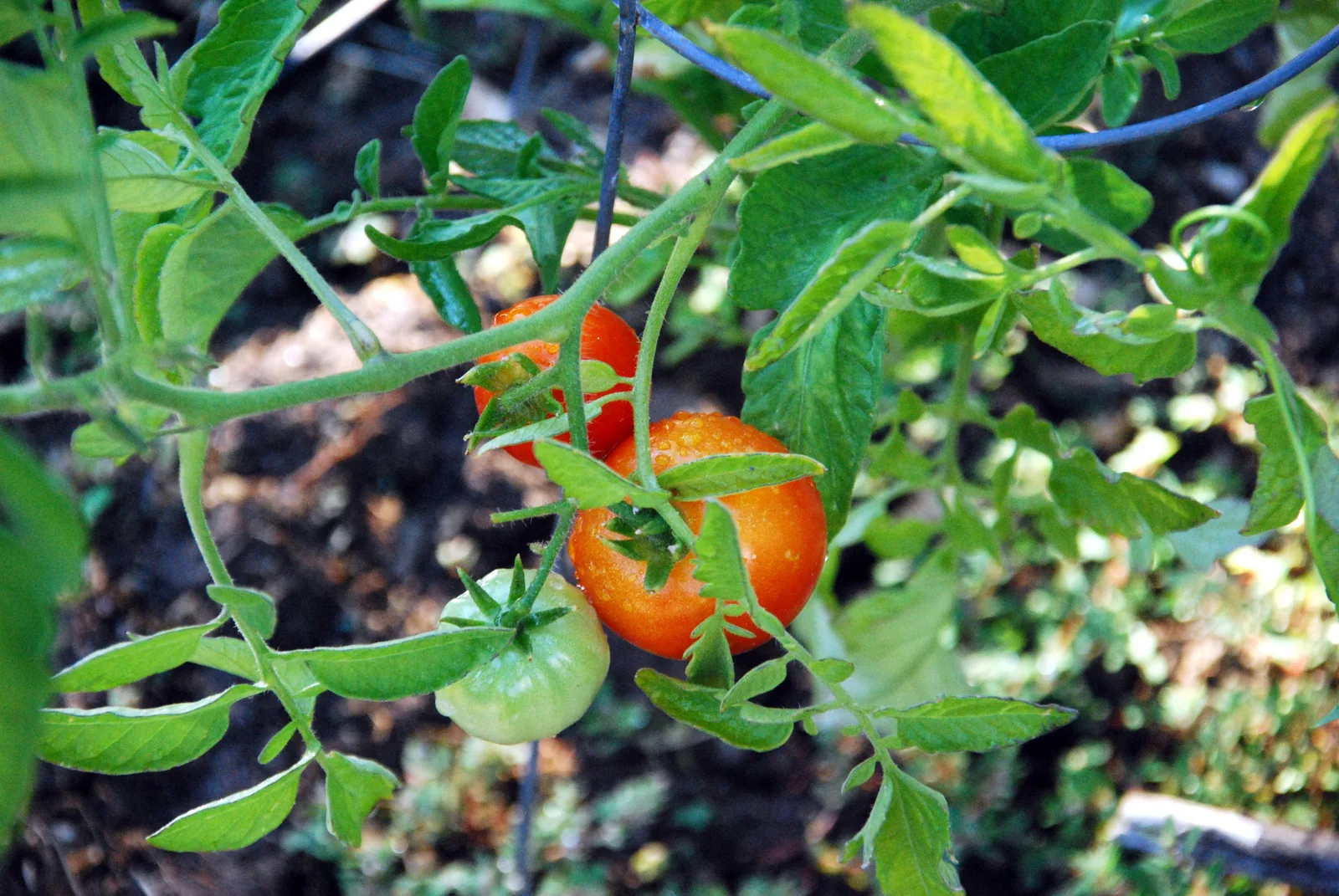
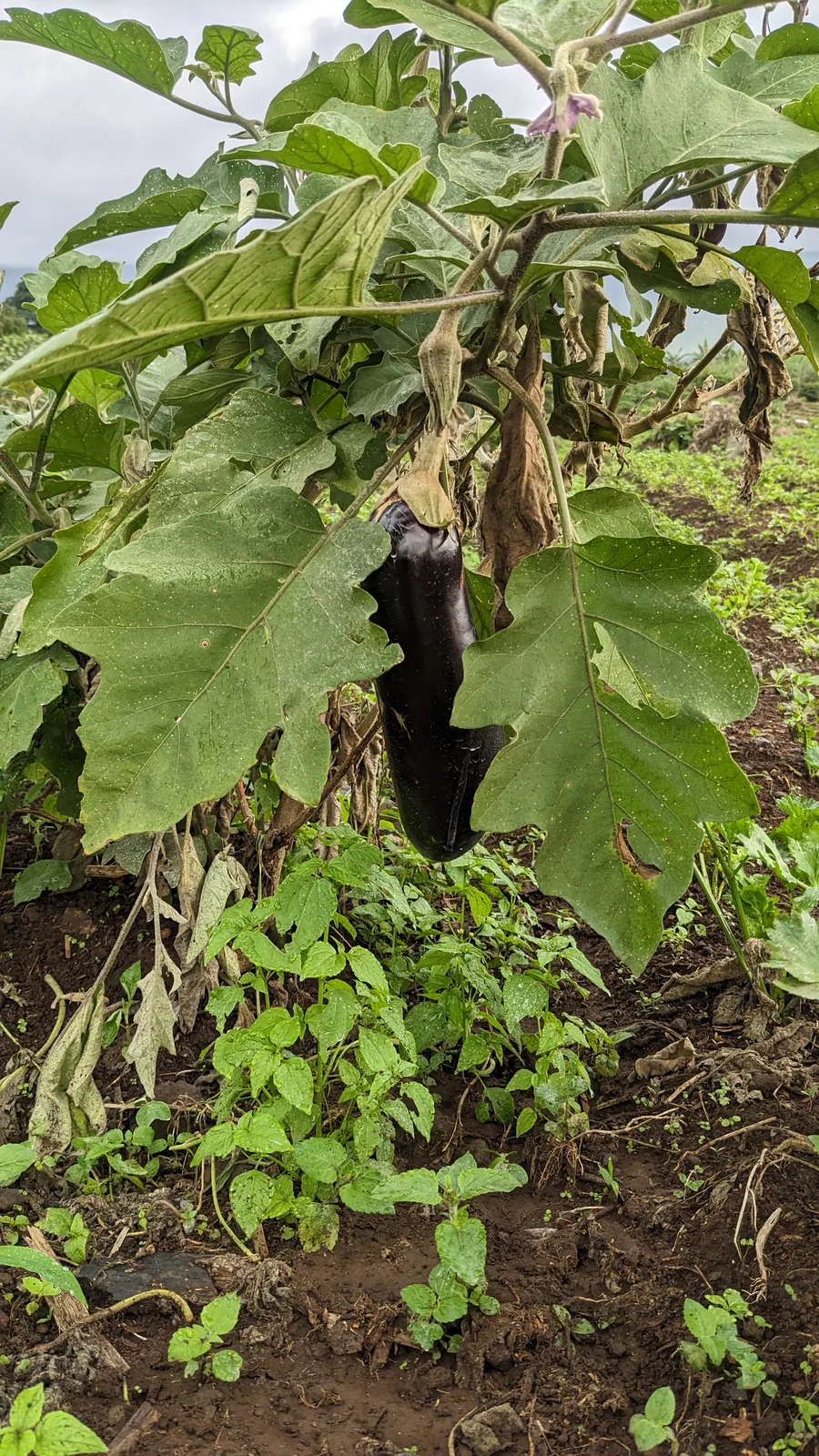
Find, buy, swap, or sell Potato
One World One Seed connects this plant profile to community sellers, plant swaps, storefronts, and participating garden retailers.
Growing Reference Note
Plant performance can vary with climate, soil, weather, cultivar, seed quality, and gardening methods. The values on this page are general database reference ranges rather than a substitute for local extension guidance or seed-packet instructions.