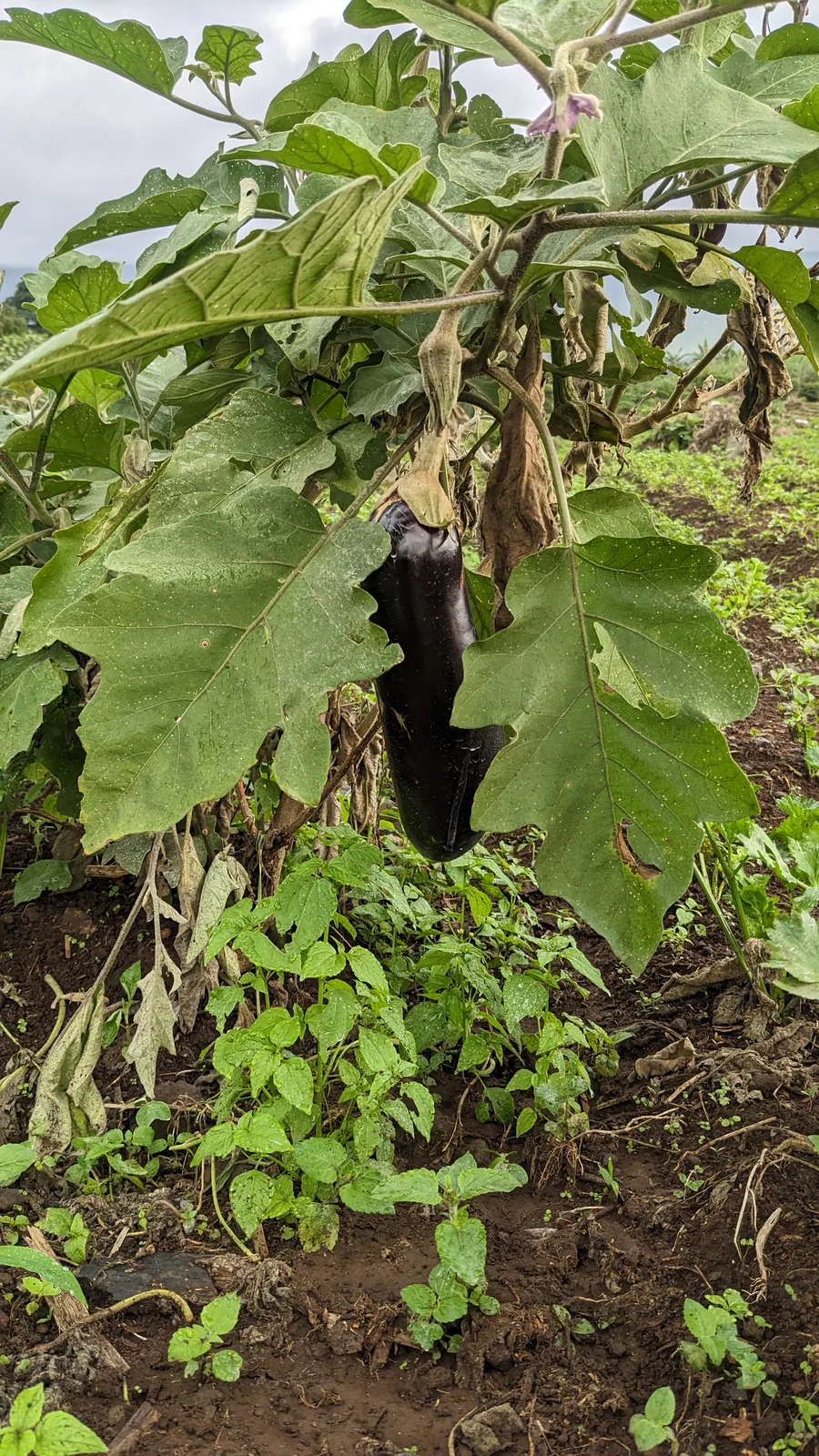
Eggplant
Solanum melongena
Family: Solanaceae
Eggplant grows in full sun and prefers fertile, well-drained loam rich in organic matter with good moisture retention. Water needs: Moderate; keep soil evenly moist during flowering and fruit development while avoiding prolonged waterlogging.
Photo Gallery
Plant reference images showing growth stages and identifying features.
Photo info
Photo info
Photo info
Photo info
How to Grow Eggplant
Eggplant growing information includes sunlight requirements of Full sun, soil conditions listed as Fertile, well-drained loam rich in organic matter with good moisture retention with a soil pH of 5.5-6.8, and Moderate; keep soil evenly moist during flowering and fruit development while avoiding prolonged waterlogging water needs. The listed hardiness zones are 9-12 as perennial; annual elsewhere. For propagation reference, the database lists germination or establishment information for Eggplant as Typically 5-14 days from seed when conditions are suitable, with planting or establishment depth listed as About 1/4-1 inch depending on seed size. Days to maturity are listed as Typically 45-120 days depending on cultivar and growing conditions.
Plant Overview
Eggplant (Solanum melongena) is listed in the Solanaceae family and categorized as a vegetable with a tender perennial commonly grown as an annual crop life cycle. This profile summarizes growing information for hardiness, light, soil, water, seed starting, maturity, and other available cultivation details. Difficulty is listed as Moderate.
- Plant ID
- PLT-0039
- Family
- Solanaceae
- Plant type
- Vegetable
- Life cycle
- Tender perennial commonly grown as an annual crop
- Growth habit
- Warm-season bushy herbaceous plant with branching stems, broad leaves, purple or white flowers, and fleshy fruits
- Mature height
- Commonly about 2-4 feet tall, depending on cultivar and growing conditions
- Mature spread
- Commonly about 2-3 feet wide
- Difficulty
- Moderate
Growing Conditions
Eggplant is listed for full sun conditions. Water needs are listed as moderate; keep soil evenly moist during flowering and fruit development while avoiding prolonged waterlogging. The database soil reference is Fertile, well-drained loam rich in organic matter with good moisture retention. The listed soil pH range is 5.5-6.8, and the listed hardiness range is 9-12 as perennial; annual elsewhere.
- Hardiness zones
- 9-12 as perennial; annual elsewhere
- Sunlight
- Full sun
- Soil
- Fertile, well-drained loam rich in organic matter with good moisture retention
- Soil pH
- 5.5-6.8
- Water needs
- Moderate; keep soil evenly moist during flowering and fruit development while avoiding prolonged waterlogging
- Plant spacing
- Space plants roughly 18-24 inches apart, with rows about 30-36 inches apart
Seed & Germination
For seed starting, the listed germination time is Typically 5-14 days from seed when conditions are suitable and the seed depth is About 1/4-1 inch depending on seed size. The listed time to maturity is Typically 45-120 days depending on cultivar and growing conditions. Use these values as general reference points and adjust for local climate, seed source, and growing conditions.
- Germination
- Typically 5-14 days from seed when conditions are suitable
- Germination temperature
- Eggplant seed germinates best in warm conditions, commonly around 75-85°F, with consistent moisture
- Seed depth
- About 1/4-1 inch depending on seed size
- Sowing method
- Start eggplant seed indoors several weeks before warm planting weather, then transplant hardened seedlings outdoors after frost danger has passed and soil temperatures have warmed
- Start indoors
- Optional for crops that tolerate transplanting; otherwise direct sow
- Transplanting
- Transplant after hardening off when temperatures suit the crop
Harvest & Propagation
- Days to maturity
- Typically 45-120 days depending on cultivar and growing conditions
- Harvest
- Harvest fruits while the skin is glossy, the flesh is firm, and seeds are still soft; overripe fruits become dull, seedy, and more bitter
- Propagation
- Primarily propagated by seed and usually started indoors before warm weather
- Seed saving
- Allow selected eggplant fruits to mature well beyond the eating stage until fully ripe and dull-colored, remove and clean the mature seeds from the flesh, then dry thoroughly before storage; separate varieties if maintaining seed purity
- Pollination
- Eggplant flowers are largely self-pollinating, though vibration from wind or insects such as bees can improve fruit set
Garden Information
- Common pests
- Flea beetles, aphids, spider mites, Colorado potato beetles, hornworms, whiteflies, and other solanaceous-crop pests
- Common diseases
- Verticillium wilt, bacterial wilt, Phomopsis blight, early blight, anthracnose, damping-off, and root rots
- Uses
- Cooked fruit for grilling, roasting, frying, curries, stews, casseroles, dips, sauces, and other savory dishes
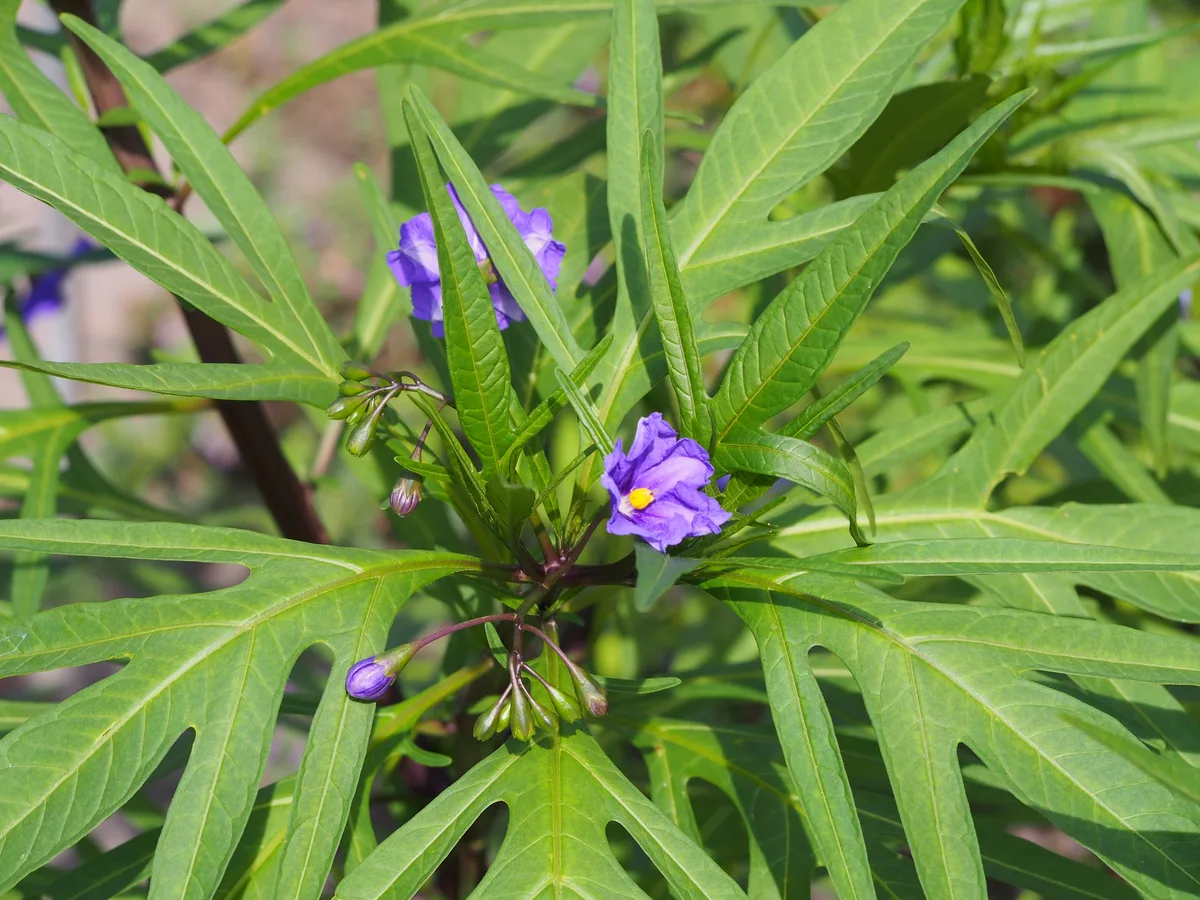
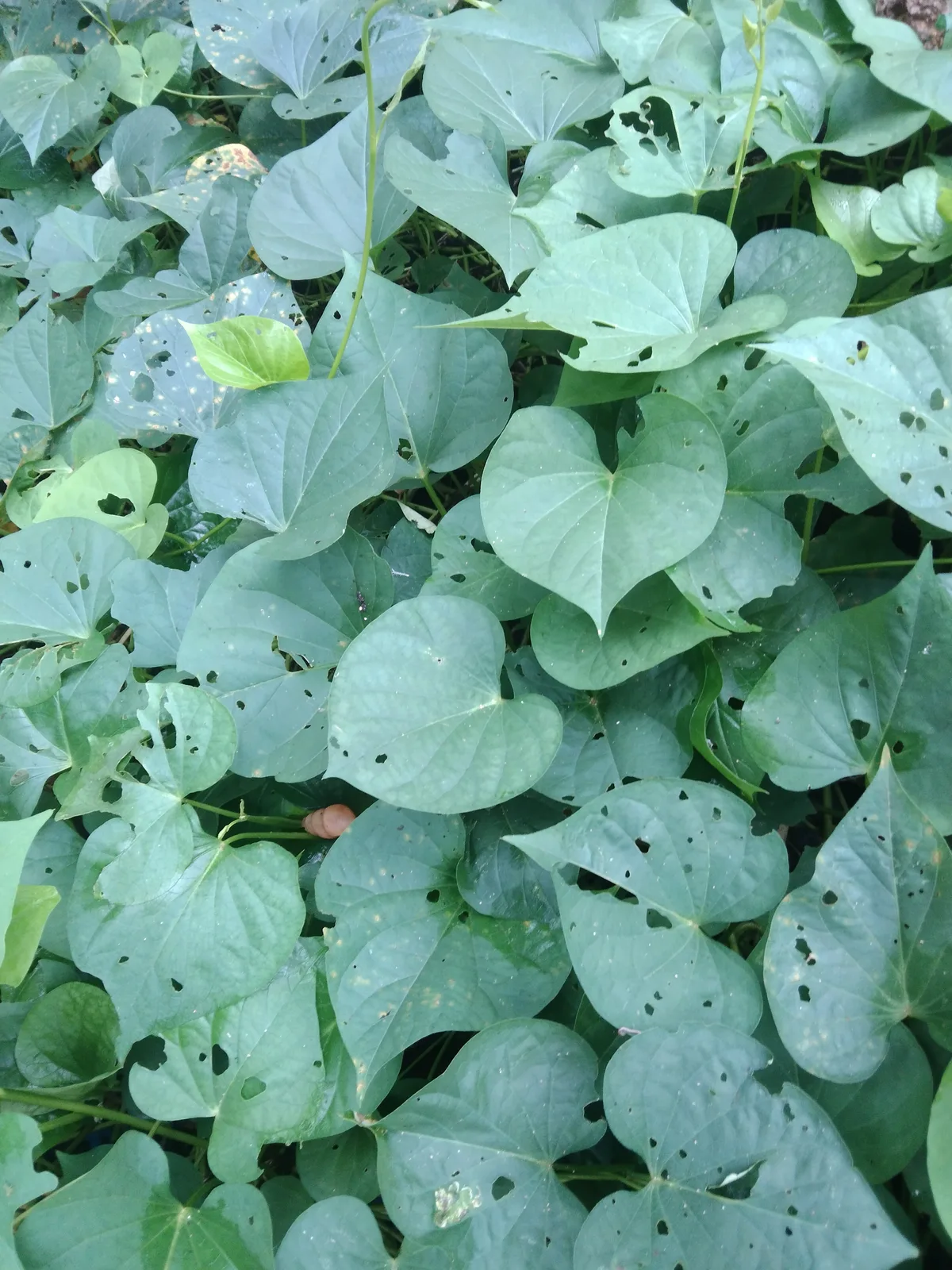
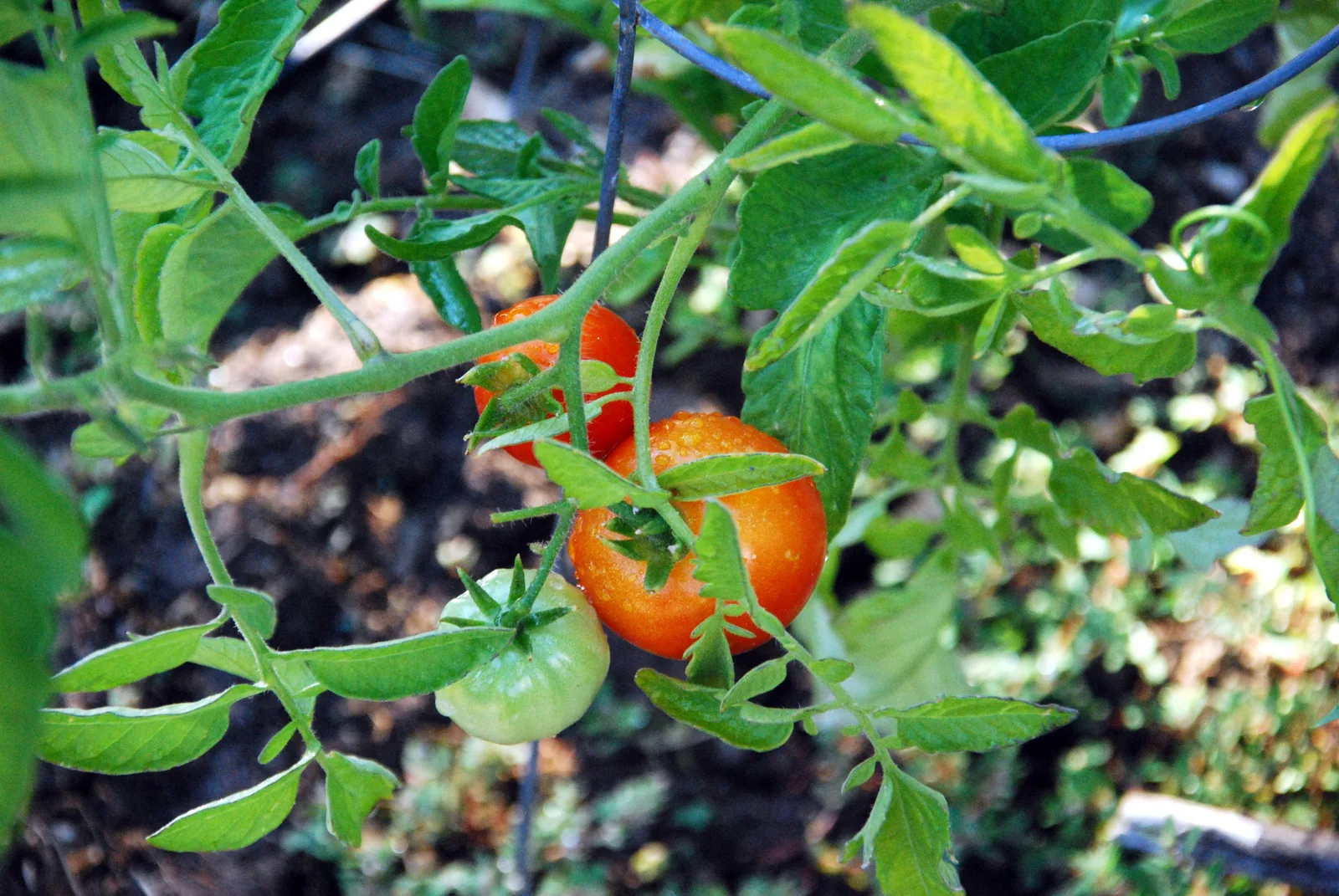
Related Plants
Find, buy, swap, or sell Eggplant
One World One Seed connects this plant profile to community sellers, plant swaps, storefronts, and participating garden retailers.
Growing Reference Note
Plant performance can vary with climate, soil, weather, cultivar, seed quality, and gardening methods. The values on this page are general database reference ranges rather than a substitute for local extension guidance or seed-packet instructions.