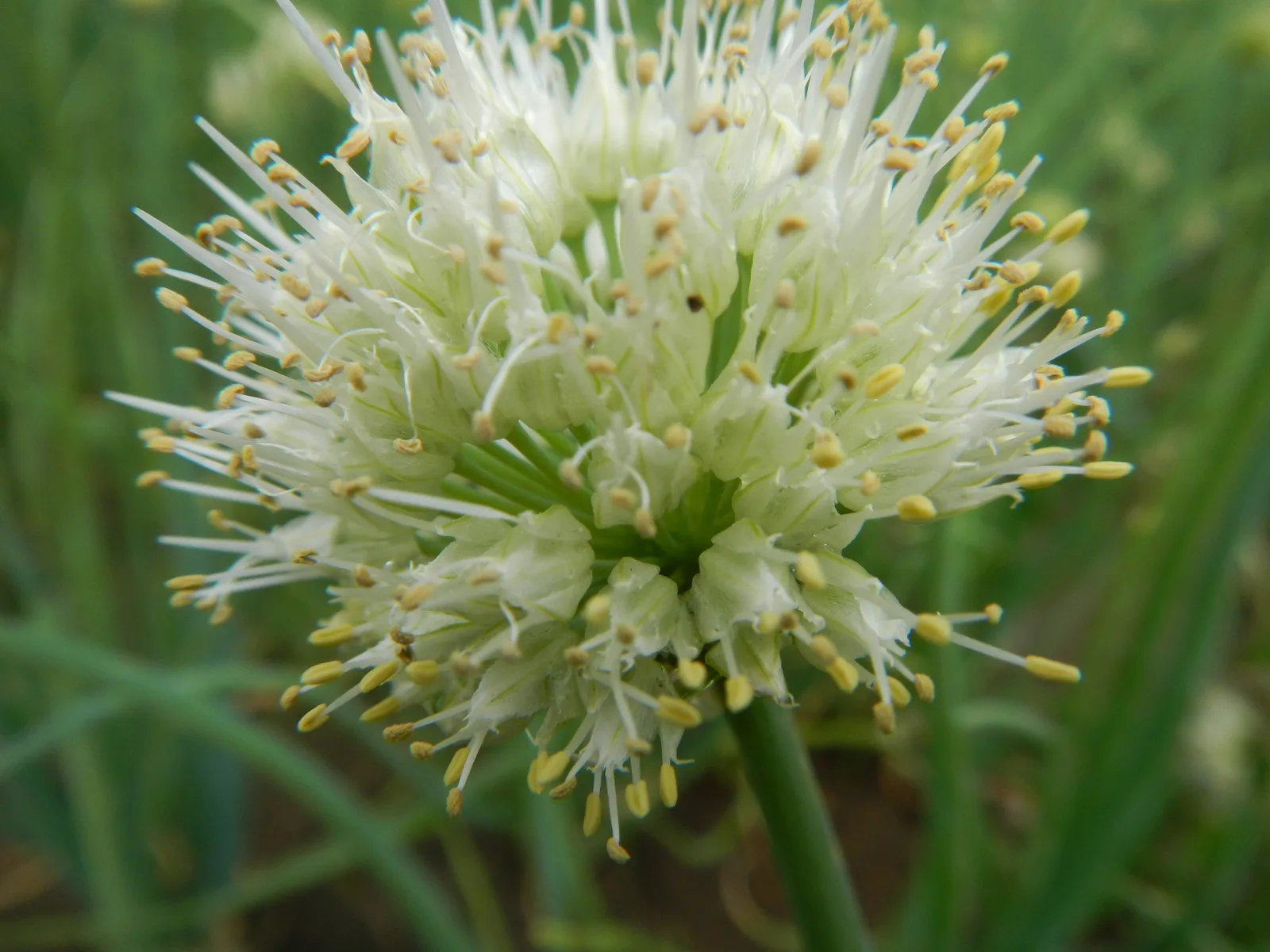
Scallion
Allium fistulosum
Family: Amaryllidaceae
Scallion grows in full sun and prefers fertile, loose, well-drained loam rich in organic matter. Water needs: Moderate; keep soil evenly moist for tender, steady leaf and stem growth while avoiding prolonged waterlogging.
Photo Gallery
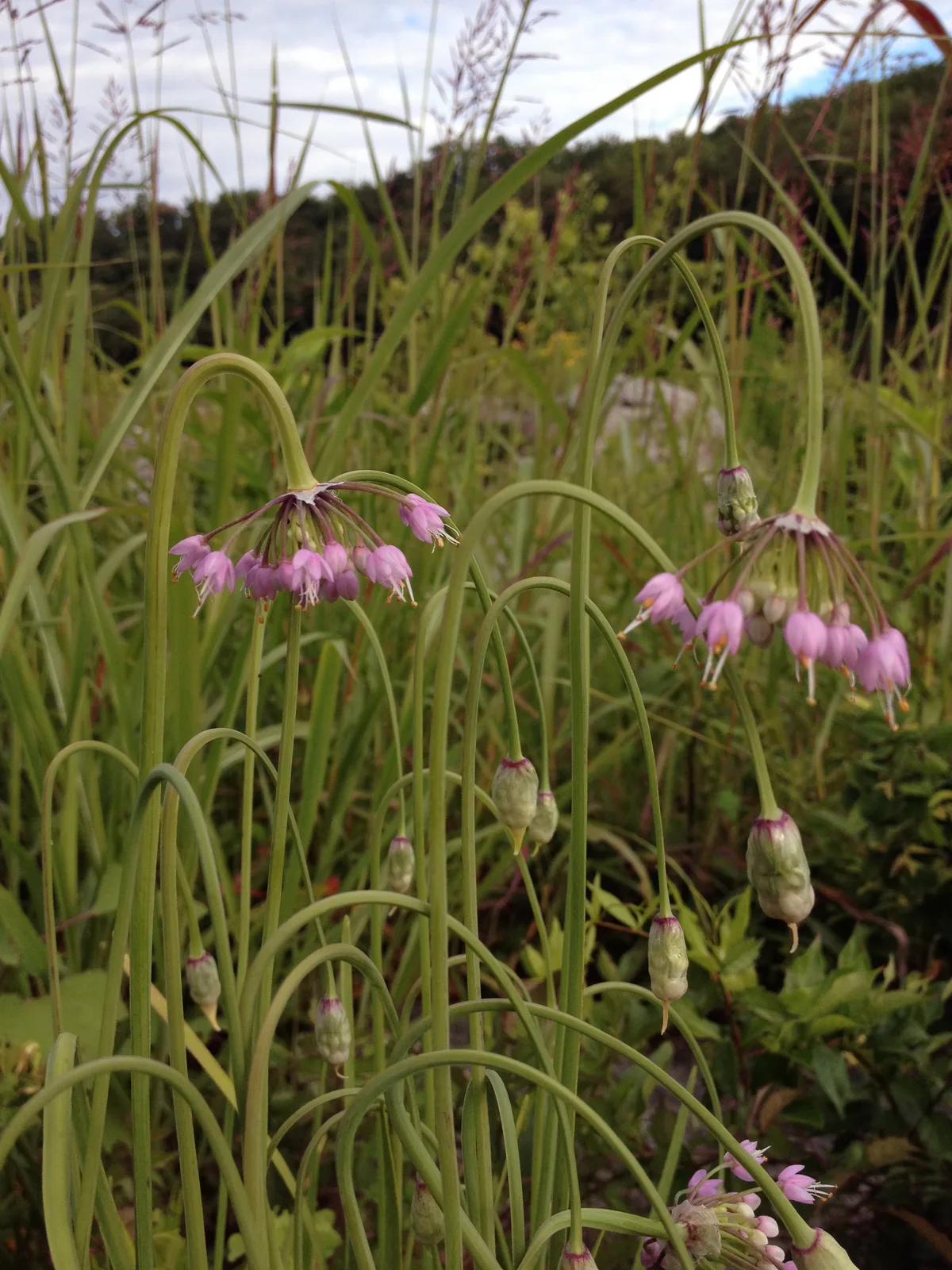
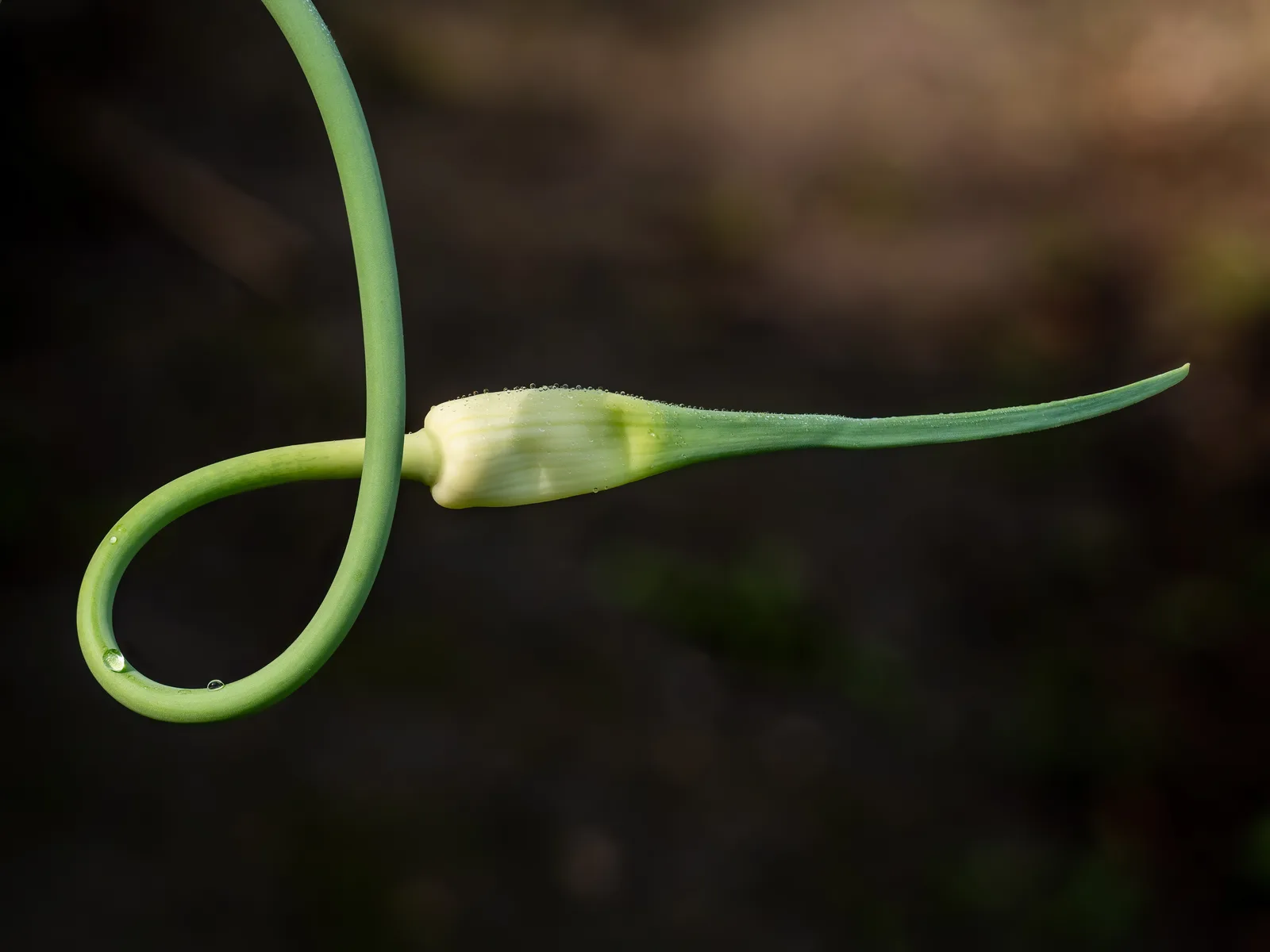
Plant reference images showing growth stages and identifying features.
Photo info
How to Grow Scallion
Scallion growing information includes sunlight requirements of Full sun, soil conditions listed as Fertile, loose, well-drained loam rich in organic matter with a soil pH of 6.0-7.0, and Moderate; keep soil evenly moist for tender, steady leaf and stem growth while avoiding prolonged waterlogging water needs. The listed hardiness zones are 3-9. For propagation reference, the database lists germination or establishment information for Scallion as Typically 5-14 days from seed when conditions are suitable, with planting or establishment depth listed as About 1/4-1 inch depending on seed size. Days to maturity are listed as Typically 45-120 days depending on cultivar and growing conditions.
Plant Overview
Scallion (Allium fistulosum) is listed in the Amaryllidaceae family and categorized as a vegetable with a perennial commonly grown as an annual crop life cycle. This profile summarizes growing information for hardiness, light, soil, water, seed starting, maturity, and other available cultivation details. Difficulty is listed as Easy.
- Plant ID
- PLT-0037
- Family
- Amaryllidaceae
- Plant type
- Vegetable
- Life cycle
- Perennial commonly grown as an annual crop
- Growth habit
- Clump-forming perennial allium commonly grown as an annual for its slender white stems and hollow green leaves
- Mature height
- Commonly about 12-24 inches tall
- Mature spread
- Commonly about 4-8 inches wide per clump
- Difficulty
- Easy
Growing Conditions
Scallion is listed for full sun conditions. Water needs are listed as moderate; keep soil evenly moist for tender, steady leaf and stem growth while avoiding prolonged waterlogging. The database soil reference is Fertile, loose, well-drained loam rich in organic matter. The listed soil pH range is 6.0-7.0, and the listed hardiness range is 3-9.
- Hardiness zones
- 3-9
- Sunlight
- Full sun
- Soil
- Fertile, loose, well-drained loam rich in organic matter
- Soil pH
- 6.0-7.0
- Water needs
- Moderate; keep soil evenly moist for tender, steady leaf and stem growth while avoiding prolonged waterlogging
- Plant spacing
- Space plants roughly 1-3 inches apart for slender scallions, with rows about 8-12 inches apart
Seed & Germination
For seed starting, the listed germination time is Typically 5-14 days from seed when conditions are suitable and the seed depth is About 1/4-1 inch depending on seed size. The listed time to maturity is Typically 45-120 days depending on cultivar and growing conditions. Use these values as general reference points and adjust for local climate, seed source, and growing conditions.
- Germination
- Typically 5-14 days from seed when conditions are suitable
- Germination temperature
- Scallion seed germinates well under cool to mild conditions, commonly around 60-75°F, with steady moisture
- Seed depth
- About 1/4-1 inch depending on seed size
- Sowing method
- Direct sow scallion seed in shallow rows or start seedlings in containers for transplanting; sow successively for a continuous supply of tender stems
- Start indoors
- Optional for crops that tolerate transplanting; otherwise direct sow
- Transplanting
- Transplant after hardening off when temperatures suit the crop
Harvest & Propagation
- Days to maturity
- Typically 45-120 days depending on cultivar and growing conditions
- Harvest
- Harvest when stems reach the desired thickness, usually while still slender and before large flower stalks develop; pull whole plants or cut leaves as needed
- Propagation
- Primarily propagated by seed, though established clumps can also be divided
- Seed saving
- Allow selected scallion plants to overwinter and flower, then collect seed once the flower heads and capsules have dried; isolate from other flowering Allium fistulosum varieties to reduce cross-pollination
- Pollination
- Flowers are insect-pollinated and attract bees and other pollinators; flowering plants can cross with other compatible Allium fistulosum types
Garden Information
- Common pests
- Onion thrips, onion maggots, aphids, cutworms, slugs, and other allium-feeding pests
- Common diseases
- Downy mildew, purple blotch, rust, white rot, basal rot, and other fungal or bacterial diseases
- Uses
- Fresh or cooked stems and leaves for salads, garnishes, soups, stir-fries, noodles, eggs, sauces, and other savory dishes
Related Plants
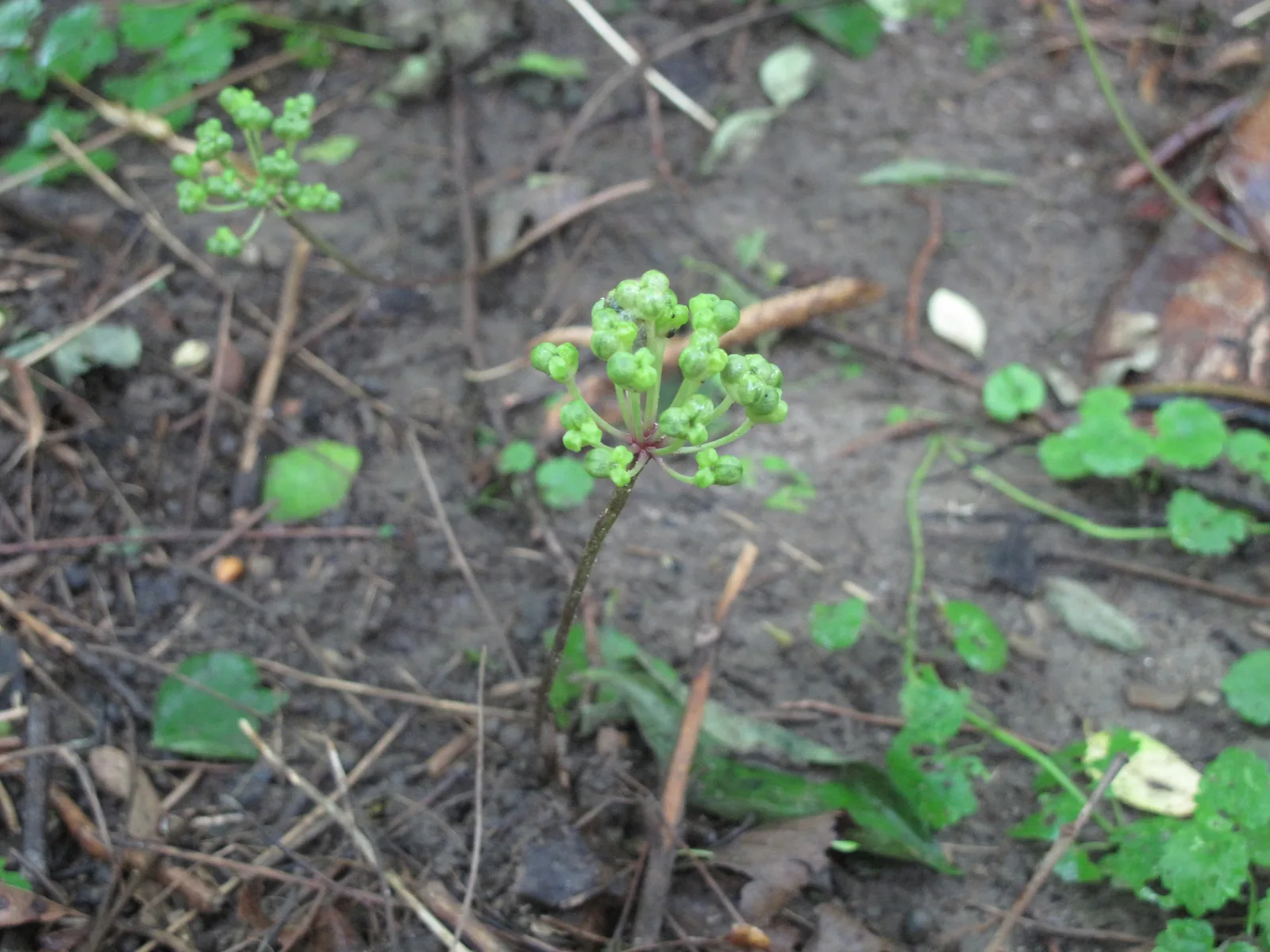
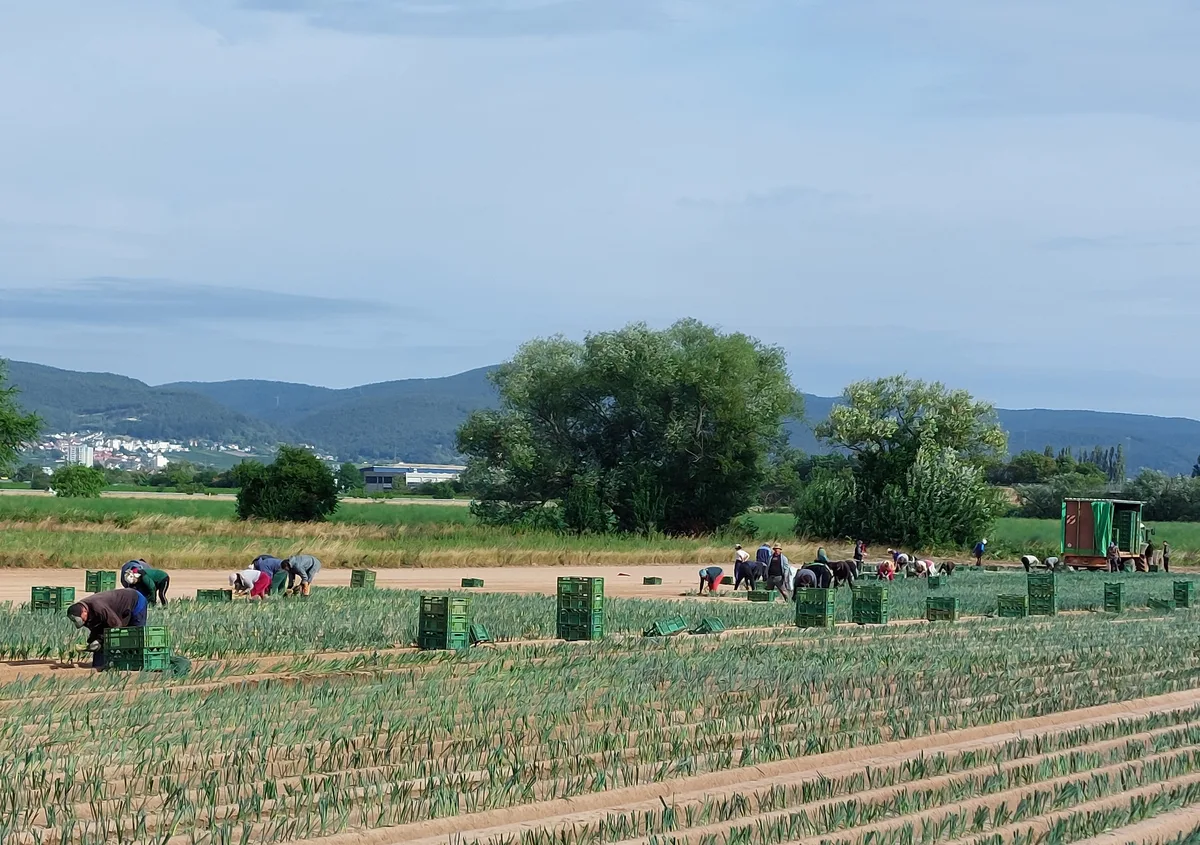
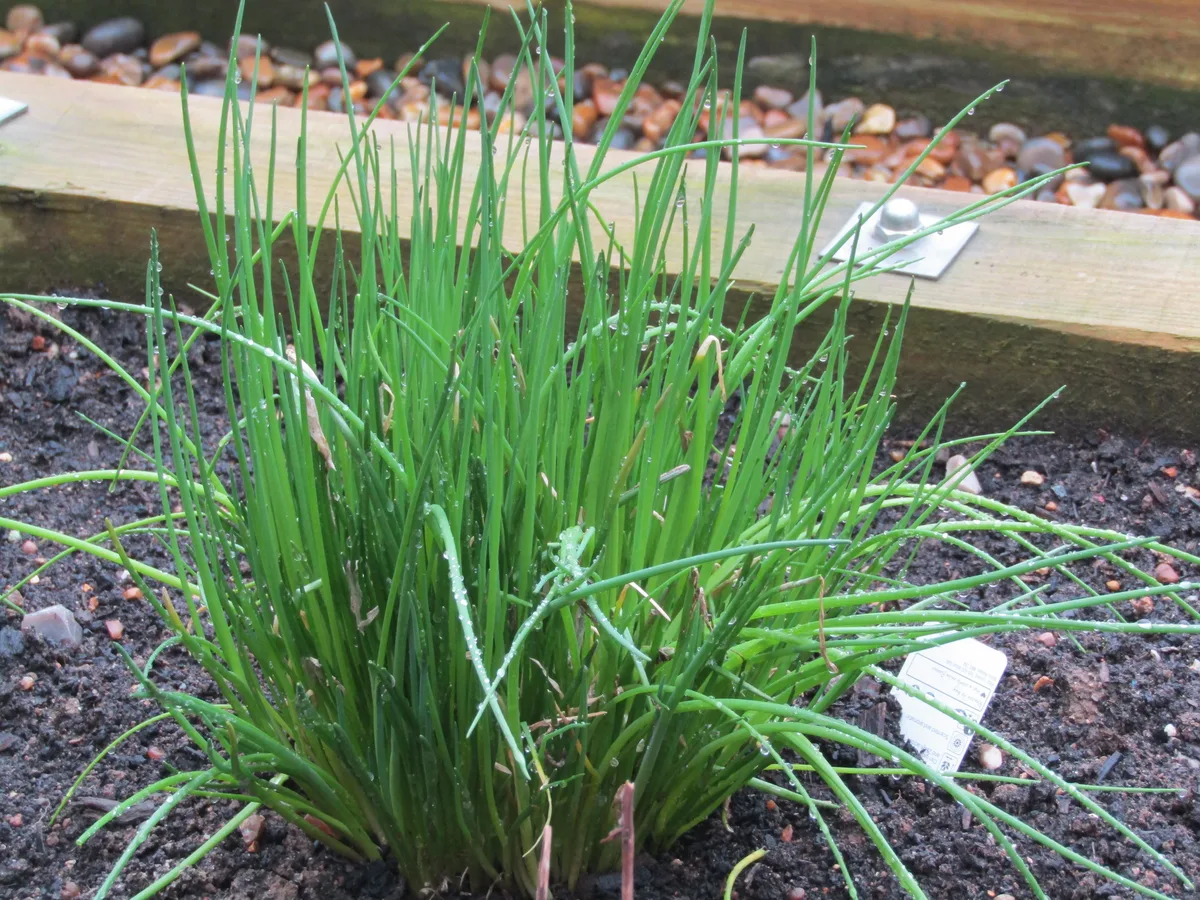
Find, buy, swap, or sell Scallion
One World One Seed connects this plant profile to community sellers, plant swaps, storefronts, and participating garden retailers.
Growing Reference Note
Plant performance can vary with climate, soil, weather, cultivar, seed quality, and gardening methods. The values on this page are general database reference ranges rather than a substitute for local extension guidance or seed-packet instructions.