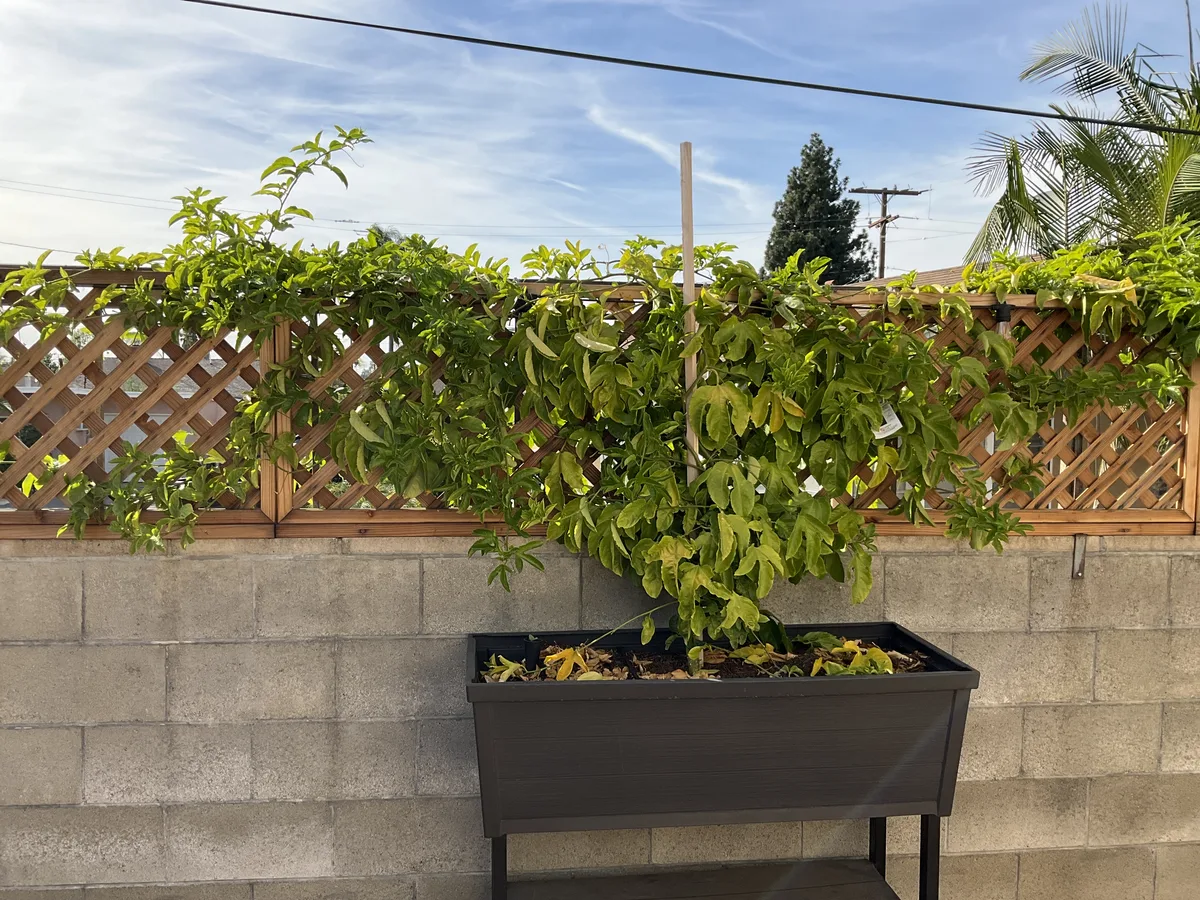
Passion Fruit
Passiflora edulis
Family: Passifloraceae
Passion Fruit grows in full sun and prefers fertile, well-drained loam or sandy loam rich in organic matter. Water needs: Moderate to high; maintain consistent moisture during active growth, flowering, and fruit development while avoiding waterlogged soil.
Photo Gallery
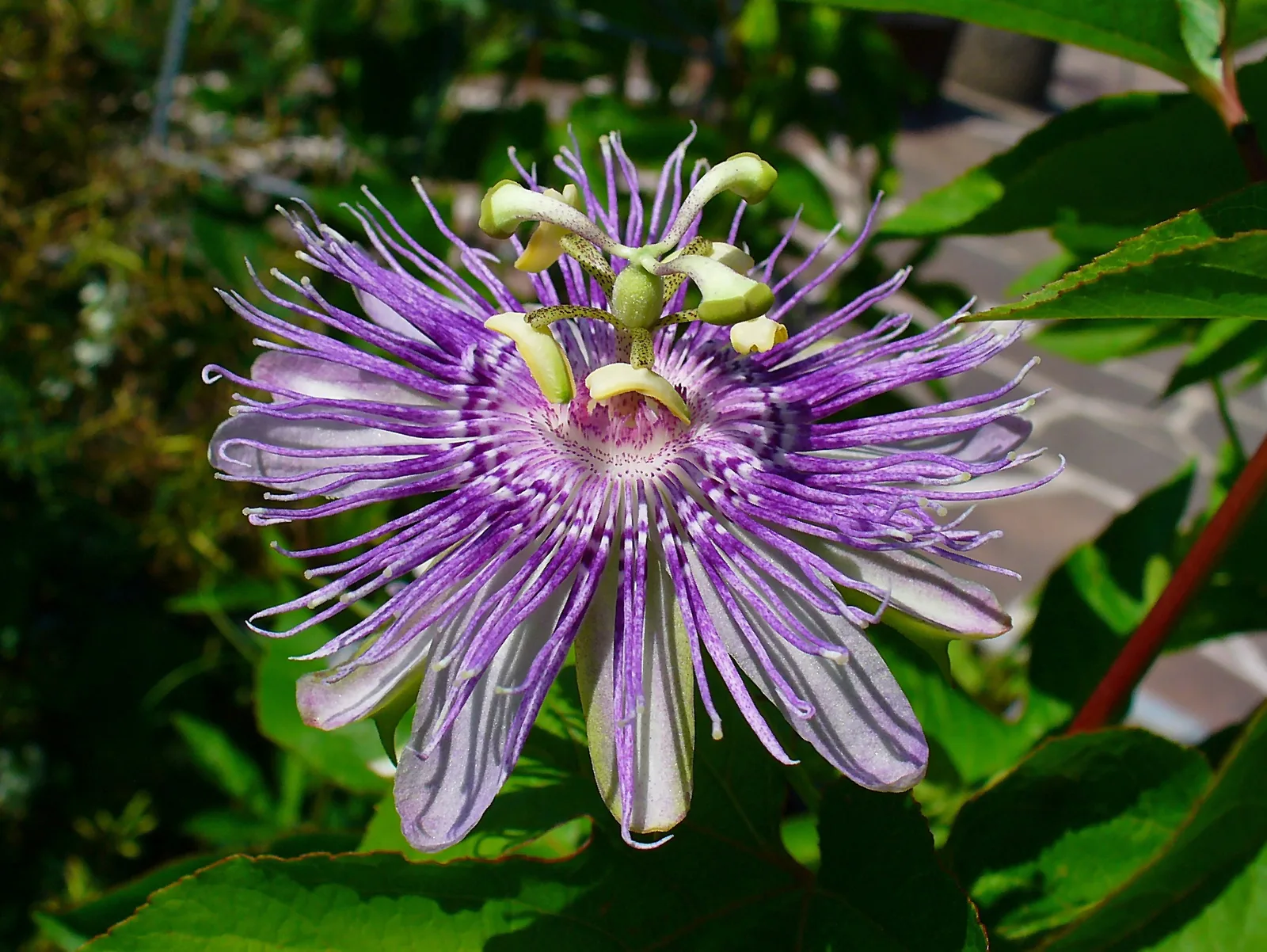
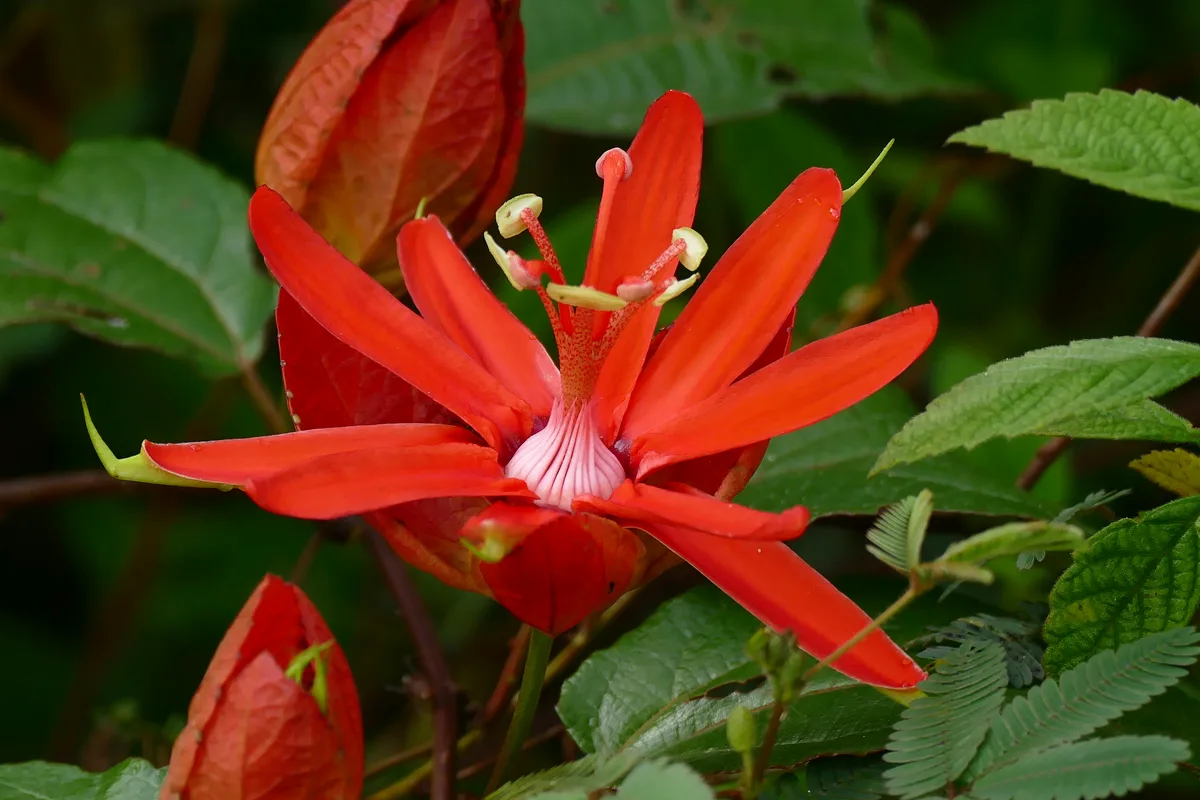
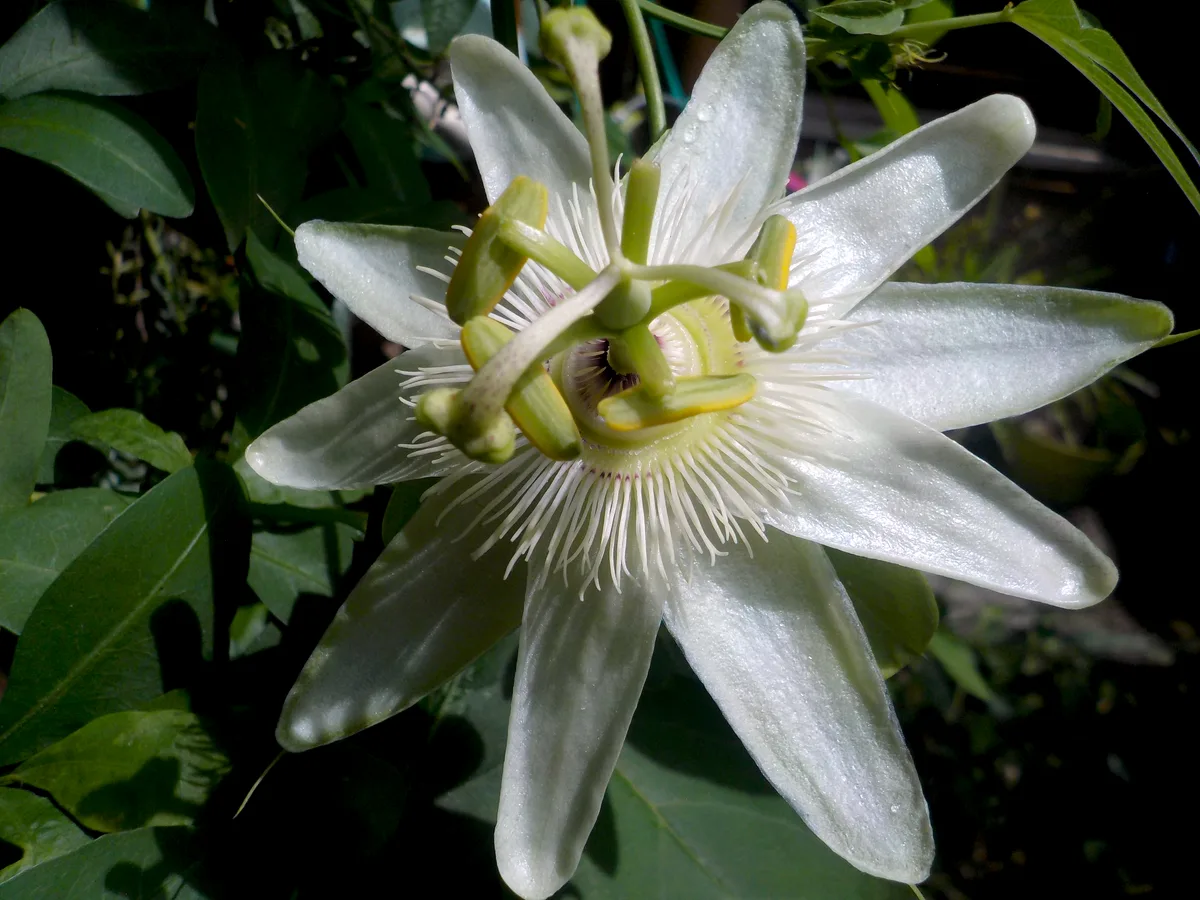
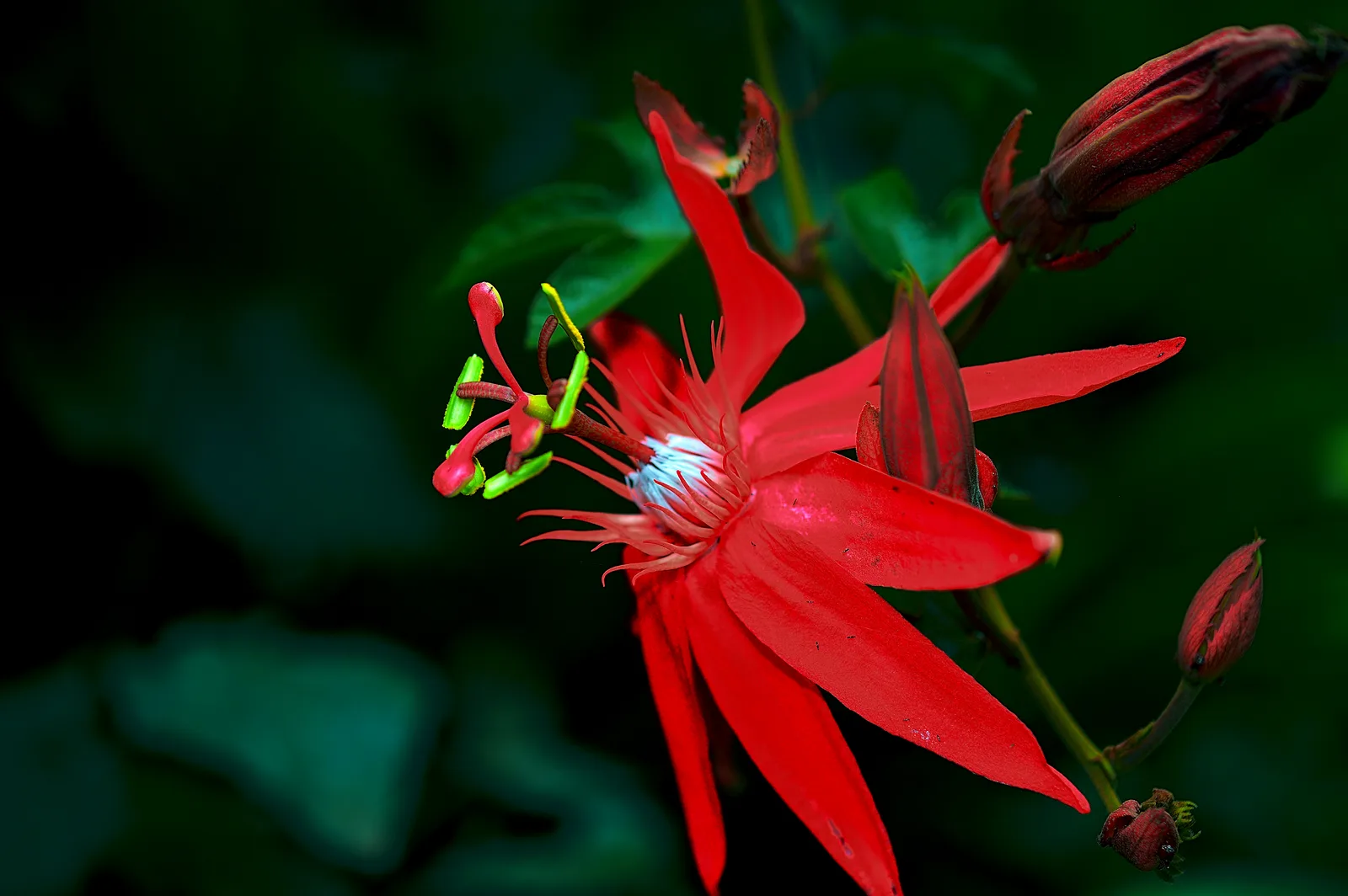
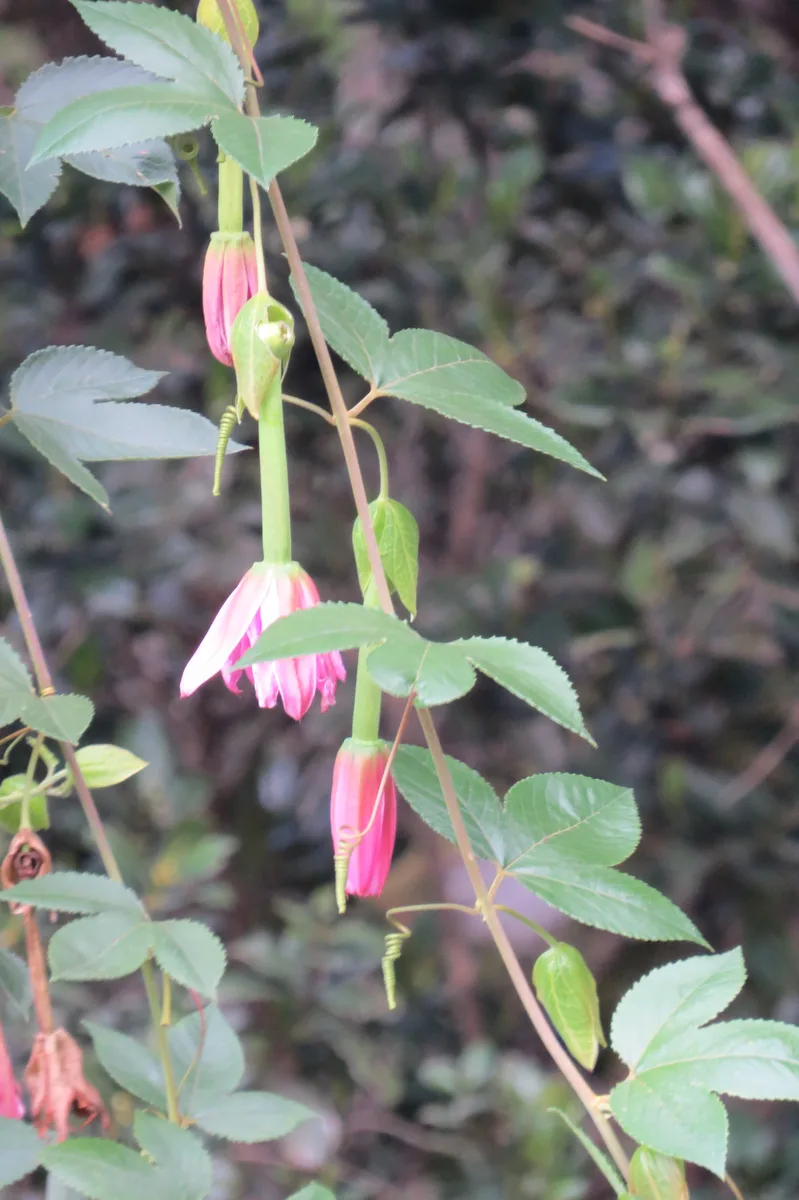
Plant reference images showing growth stages and identifying features.
Photo info
Photo info
Photo info
Photo info
How to Grow Passion Fruit
Passion Fruit growing information includes sunlight requirements of Full sun, soil conditions listed as Fertile, well-drained loam or sandy loam rich in organic matter with a soil pH of 5.5-6.5, and Moderate to high; maintain consistent moisture during active growth, flowering, and fruit development while avoiding waterlogged soil water needs. The listed hardiness zones are 9-11. For propagation reference, the database lists germination or establishment information for Passion Fruit as Fresh passion fruit seeds can germinate in several weeks under warm, consistently moist conditions, though germination can be irregular, with planting or establishment depth listed as Sow cleaned passion fruit seed about 1/4 to 1/2 inch deep in a moist, well-drained medium. Days to maturity are listed as Passion fruit vines can begin flowering and fruiting within about 1-2 years from seed, while vegetatively propagated plants may fruit sooner under favorable conditions.
Plant Overview
Passion Fruit (Passiflora edulis) is listed in the Passifloraceae family and categorized as a fruit with a perennial vine life cycle. This profile summarizes growing information for hardiness, light, soil, water, seed starting, maturity, and other available cultivation details. Difficulty is listed as Moderate.
- Plant ID
- PLT-0115
- Family
- Passifloraceae
- Plant type
- Fruit
- Life cycle
- Perennial vine
- Growth habit
- Fast-growing evergreen to semi-evergreen climbing vine that attaches with tendrils and benefits from a strong trellis or fence
- Mature height
- Commonly trained 6-10 feet high on a support, while vines can extend 15-30 feet or more
- Mature spread
- Commonly 10-20 feet or more along a trellis, depending on pruning and growing conditions
- Difficulty
- Moderate
Growing Conditions
Passion Fruit is listed for full sun conditions. Water needs are listed as moderate to high; maintain consistent moisture during active growth, flowering, and fruit development while avoiding waterlogged soil. The database soil reference is Fertile, well-drained loam or sandy loam rich in organic matter. The listed soil pH range is 5.5-6.5, and the listed hardiness range is 9-11.
- Hardiness zones
- 9-11
- Sunlight
- Full sun
- Soil
- Fertile, well-drained loam or sandy loam rich in organic matter
- Soil pH
- 5.5-6.5
- Water needs
- Moderate to high; maintain consistent moisture during active growth, flowering, and fruit development while avoiding waterlogged soil
- Plant spacing
- Allow roughly 8-12 feet between vines to provide airflow and room for vigorous growth
Seed & Germination
For propagation, the database note is fresh passion fruit seeds can germinate in several weeks under warm, consistently moist conditions, though germination can be irregular. Planting-depth guidance: Sow cleaned passion fruit seed about 1/4 to 1/2 inch deep in a moist, well-drained medium. The listed time to maturity is Passion fruit vines can begin flowering and fruiting within about 1-2 years from seed, while vegetatively propagated plants may fruit sooner under favorable conditions. Use these values as general reference points and adjust for local climate, seed source, and growing conditions.
- Germination
- Fresh passion fruit seeds can germinate in several weeks under warm, consistently moist conditions, though germination can be irregular
- Germination temperature
- Passion fruit seed germination is favored by warm conditions, generally around 70-85°F, with steady moisture and good aeration
- Seed depth
- Sow cleaned passion fruit seed about 1/4 to 1/2 inch deep in a moist, well-drained medium
- Sowing method
- Seed may be sown in containers or nursery beds, while named cultivars can also be established from rooted cuttings or grafted plants
- Start indoors
- Seeds can be started indoors in warm conditions before transplanting, or young nursery vines can be maintained under protection until outdoor temperatures are suitable
- Transplanting
- Transplant young vines with minimal root disturbance, set them at approximately the same depth they were growing previously, and provide a strong support soon after planting
Harvest & Propagation
- Days to maturity
- Passion fruit vines can begin flowering and fruiting within about 1-2 years from seed, while vegetatively propagated plants may fruit sooner under favorable conditions
- Harvest
- Harvest when fruit has developed full cultivar color and either drops naturally or detaches easily; wrinkling after harvest can indicate increasing sweetness
- Propagation
- Commonly propagated from seed, cuttings, or grafted plants depending on cultivar and production system
- Seed saving
- Collect seeds from fully ripe fruit, separate them from the pulp, rinse and dry briefly, and store cool and dry; seedlings may vary from the parent cultivar
- Pollination
- Pollination requirements vary by cultivar; many purple passion fruit types are self-fertile while some yellow forms benefit from or require cross-pollination, with large bees being important pollinators
Garden Information
- Common pests
- Passionvine hopper, aphids, mites, scale insects, mealybugs, fruit flies, thrips, and caterpillars including passionflower-feeding butterfly larvae
- Common diseases
- Fusarium wilt, Phytophthora root and crown rot, anthracnose, brown spot, scab, and viral diseases
- Uses
- Fresh pulp, juices, beverages, desserts, sauces, preserves, smoothies, and ornamental trellis planting
Related Plants
Find, buy, swap, or sell Passion Fruit
One World One Seed connects this plant profile to community sellers, plant swaps, storefronts, and participating garden retailers.
Growing Reference Note
Plant performance can vary with climate, soil, weather, cultivar, seed quality, and gardening methods. The values on this page are general database reference ranges rather than a substitute for local extension guidance or seed-packet instructions.