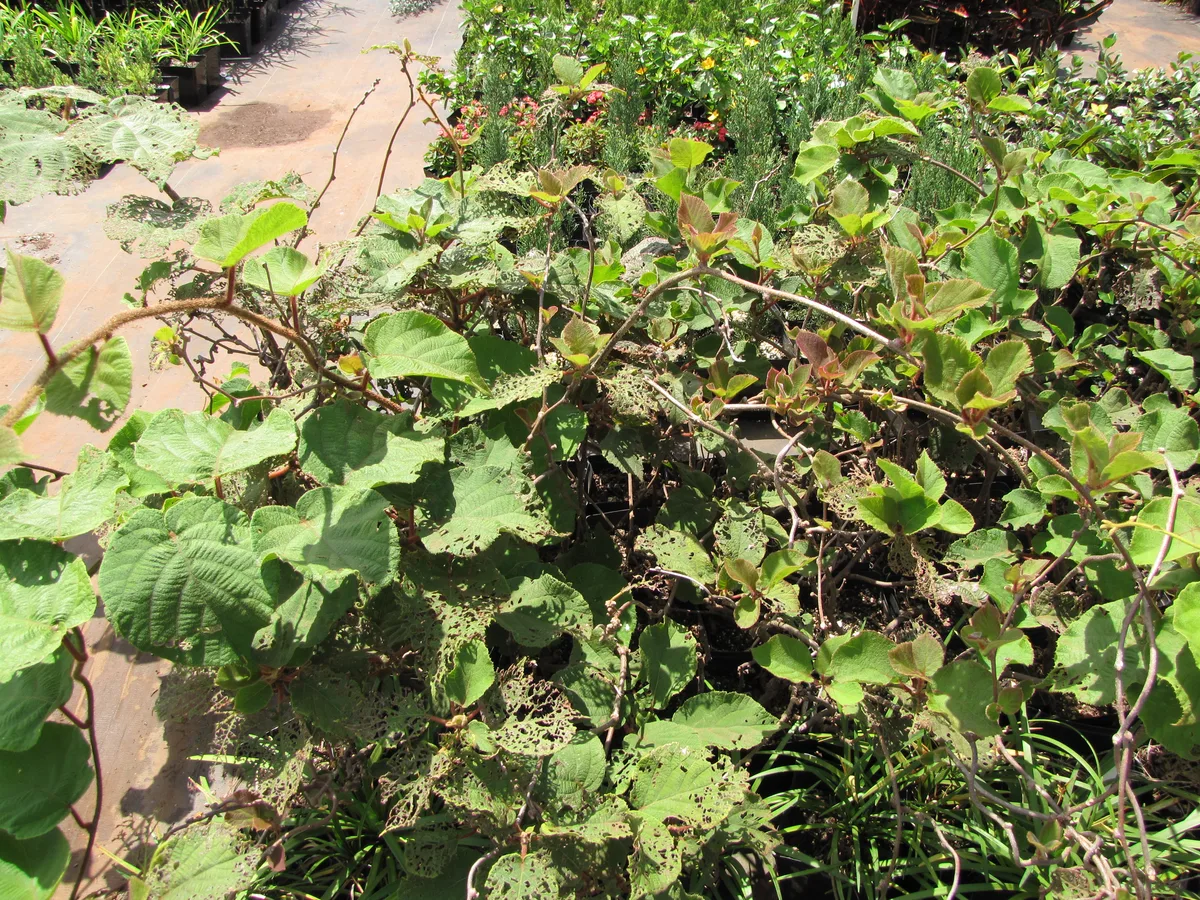
Kiwi
Actinidia deliciosa
Family: Actinidiaceae
Kiwi grows in full sun and prefers deep, fertile, well-drained loam with high organic matter and consistent moisture. Water needs: Moderate to high; maintain consistent moisture during active growth and fruit development while avoiding saturated soil.
Photo Gallery
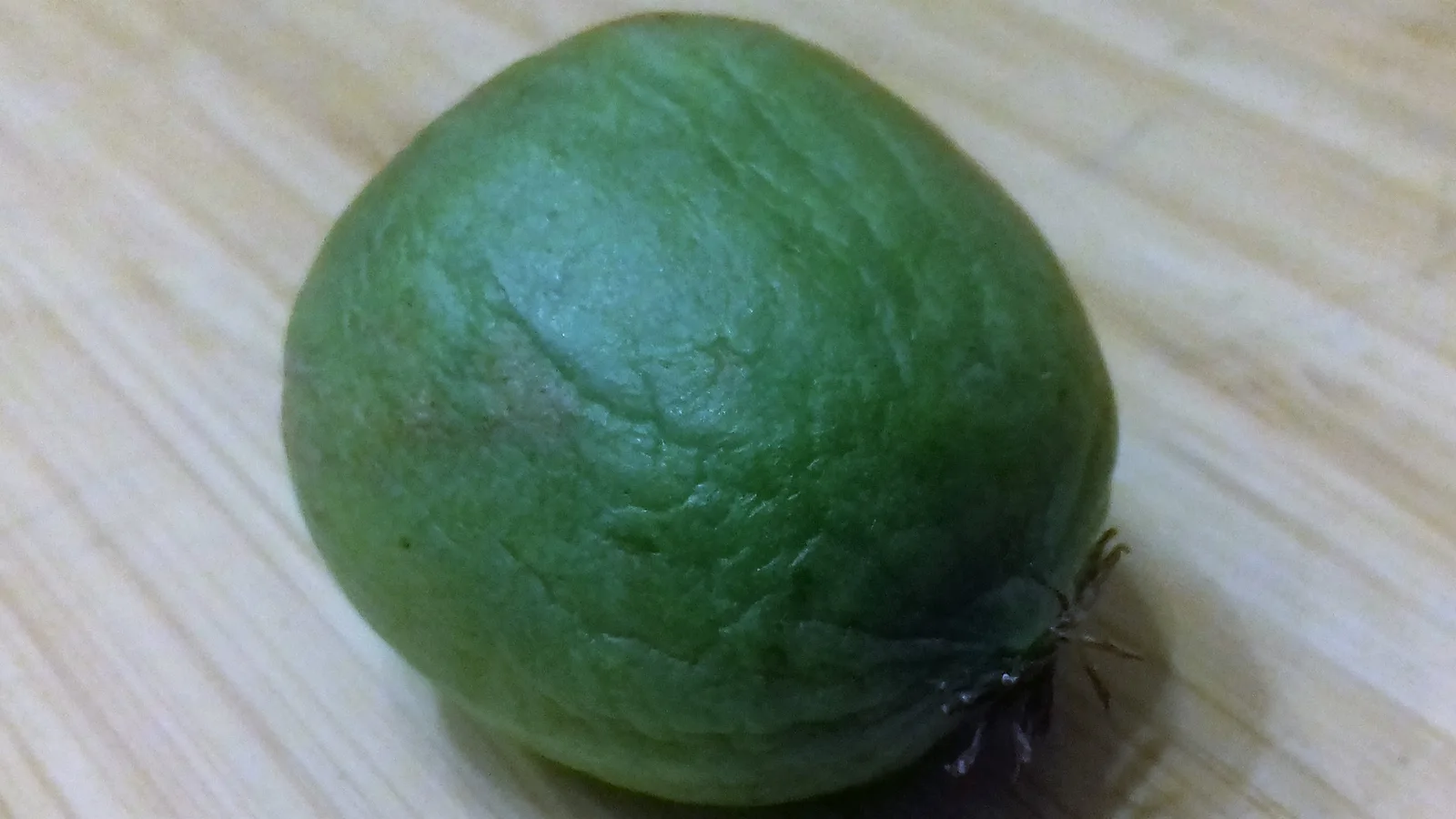
Plant reference images showing growth stages and identifying features.
Photo info
Photo info
Photo info
Photo info
How to Grow Kiwi
Kiwi growing information includes sunlight requirements of Full sun, soil conditions listed as Deep, fertile, well-drained loam with high organic matter and consistent moisture with a soil pH of 5.5-6.5, and Moderate to high; maintain consistent moisture during active growth and fruit development while avoiding saturated soil water needs. The listed hardiness zones are 7-9. For propagation reference, the database lists germination or establishment information for Kiwi as Kiwi seeds can germinate after a period of moist cold stratification followed by warm growing conditions, but named cultivars are normally propagated vegetatively, with planting or establishment depth listed as For seed propagation, sow stratified kiwi seed shallowly on or just beneath the surface of a moist, well-drained medium. Days to maturity are listed as Vegetatively propagated kiwifruit vines commonly require several years to begin meaningful fruit production, with yields increasing as the trained framework matures.
Plant Overview
Kiwi (Actinidia deliciosa) is listed in the Actinidiaceae family and categorized as a fruit with a perennial vine life cycle. This profile summarizes growing information for hardiness, light, soil, water, seed starting, maturity, and other available cultivation details. Difficulty is listed as Moderate.
- Plant ID
- PLT-0114
- Family
- Actinidiaceae
- Plant type
- Fruit
- Life cycle
- Perennial vine
- Growth habit
- Vigorous deciduous woody vine that climbs by twining shoots and requires a strong trellis or arbor
- Mature height
- Commonly trained 6-8 feet high on a support, while vines can extend 15-30 feet or more along a trellis
- Mature spread
- Commonly 10-20 feet or more along the support system, depending on training and pruning
- Difficulty
- Moderate
Growing Conditions
Kiwi is listed for full sun conditions. Water needs are listed as moderate to high; maintain consistent moisture during active growth and fruit development while avoiding saturated soil. The database soil reference is Deep, fertile, well-drained loam with high organic matter and consistent moisture. The listed soil pH range is 5.5-6.5, and the listed hardiness range is 7-9.
- Hardiness zones
- 7-9
- Sunlight
- Full sun
- Soil
- Deep, fertile, well-drained loam with high organic matter and consistent moisture
- Soil pH
- 5.5-6.5
- Water needs
- Moderate to high; maintain consistent moisture during active growth and fruit development while avoiding saturated soil
- Plant spacing
- Allow roughly 10-15 feet between vines in a trellised planting, with male pollinizers positioned to serve nearby female vines
Seed & Germination
For propagation, the database note is kiwi seeds can germinate after a period of moist cold stratification followed by warm growing conditions, but named cultivars are normally propagated vegetatively. Planting-depth guidance: For seed propagation, sow stratified kiwi seed shallowly on or just beneath the surface of a moist, well-drained medium. Maturity guidance: Vegetatively propagated kiwifruit vines commonly require several years to begin meaningful fruit production, with yields increasing as the trained framework matures. Use these values as general reference points and adjust for local climate, seed source, and growing conditions.
- Germination
- Kiwi seeds can germinate after a period of moist cold stratification followed by warm growing conditions, but named cultivars are normally propagated vegetatively
- Germination temperature
- After cold stratification, kiwi seed germination is favored by mild to warm conditions, generally around 65-75°F, with steady moisture
- Seed depth
- For seed propagation, sow stratified kiwi seed shallowly on or just beneath the surface of a moist, well-drained medium
- Sowing method
- Seed may be used for breeding or seedling production, while named fruiting cultivars are usually established from rooted cuttings, grafted plants, or other vegetative nursery stock
- Start indoors
- Stratified kiwi seeds can be started indoors, but named male and female cultivars are more commonly established from nursery-grown vegetative plants
- Transplanting
- Plant dormant or container-grown vines with roots protected from drying, set them at approximately their previous growing depth, and provide a strong permanent support soon after planting
Harvest & Propagation
- Days to maturity
- Vegetatively propagated kiwifruit vines commonly require several years to begin meaningful fruit production, with yields increasing as the trained framework matures
- Harvest
- Harvest when fruit has reached full size and physiological maturity; kiwifruit is often picked firm and allowed to soften after harvest
- Propagation
- Named cultivars are commonly propagated by cuttings, grafting, or budding so plant sex and cultivar identity are preserved
- Seed saving
- Seeds can be collected from fully ripe kiwifruit, cleaned of pulp, and stored cool and dry, but seedlings are genetically variable and their sex cannot be predicted from the seed
- Pollination
- Most kiwifruit vines are dioecious, with separate male and female plants; a compatible male flowering at the same time is usually required to pollinate female vines, primarily through bees
Garden Information
- Common pests
- Scale insects, mites, thrips, leafrollers, root-knot nematodes, and other sap-feeding or foliage-feeding pests
- Common diseases
- Bacterial canker caused by Pseudomonas syringae pv. actinidiae, Phytophthora root and crown rot, Botrytis fruit rot, and other fungal diseases
- Uses
- Fresh fruit, fruit salads, smoothies, desserts, preserves, sauces, dried fruit, and trellised edible landscapes
Related Plants
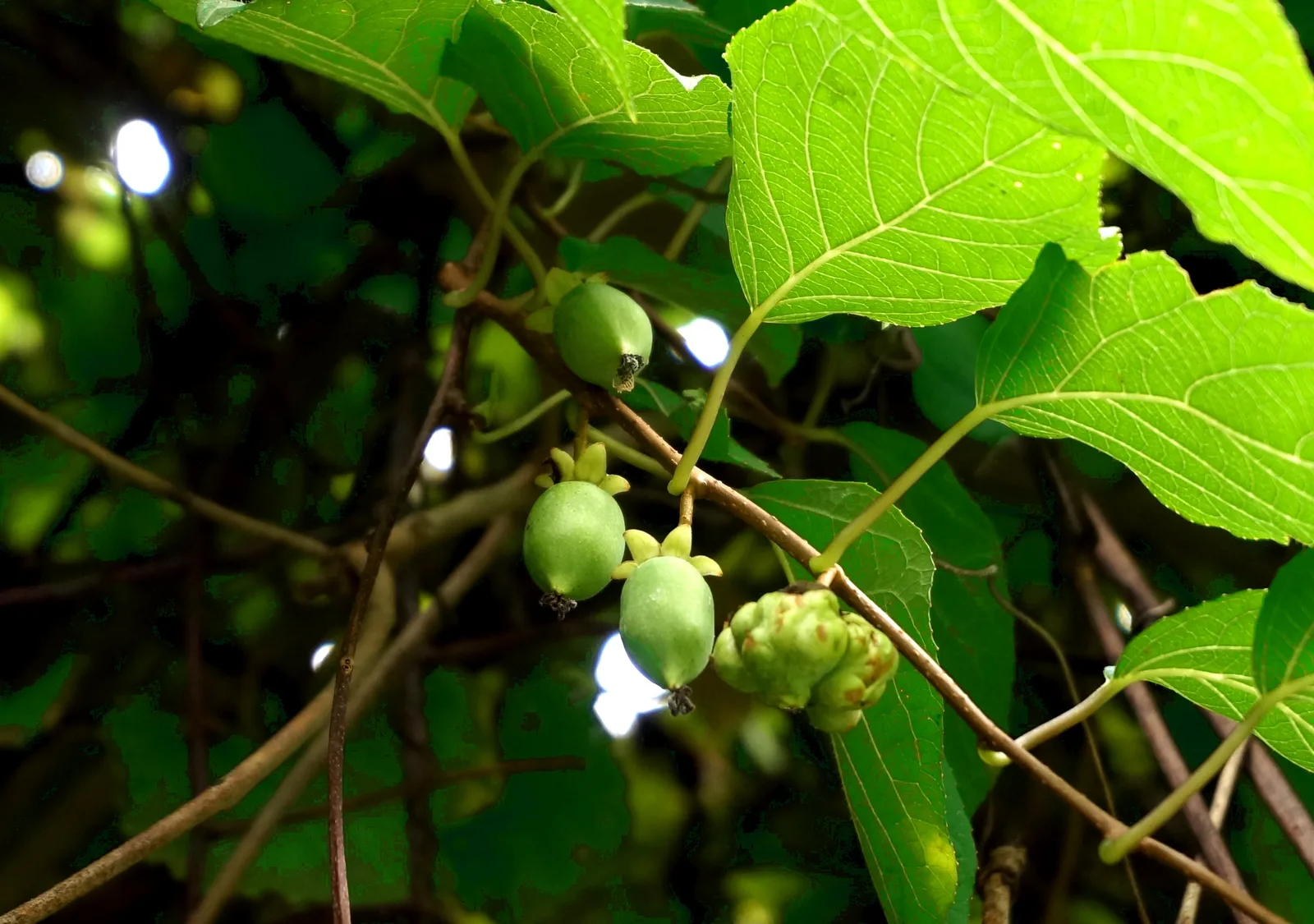
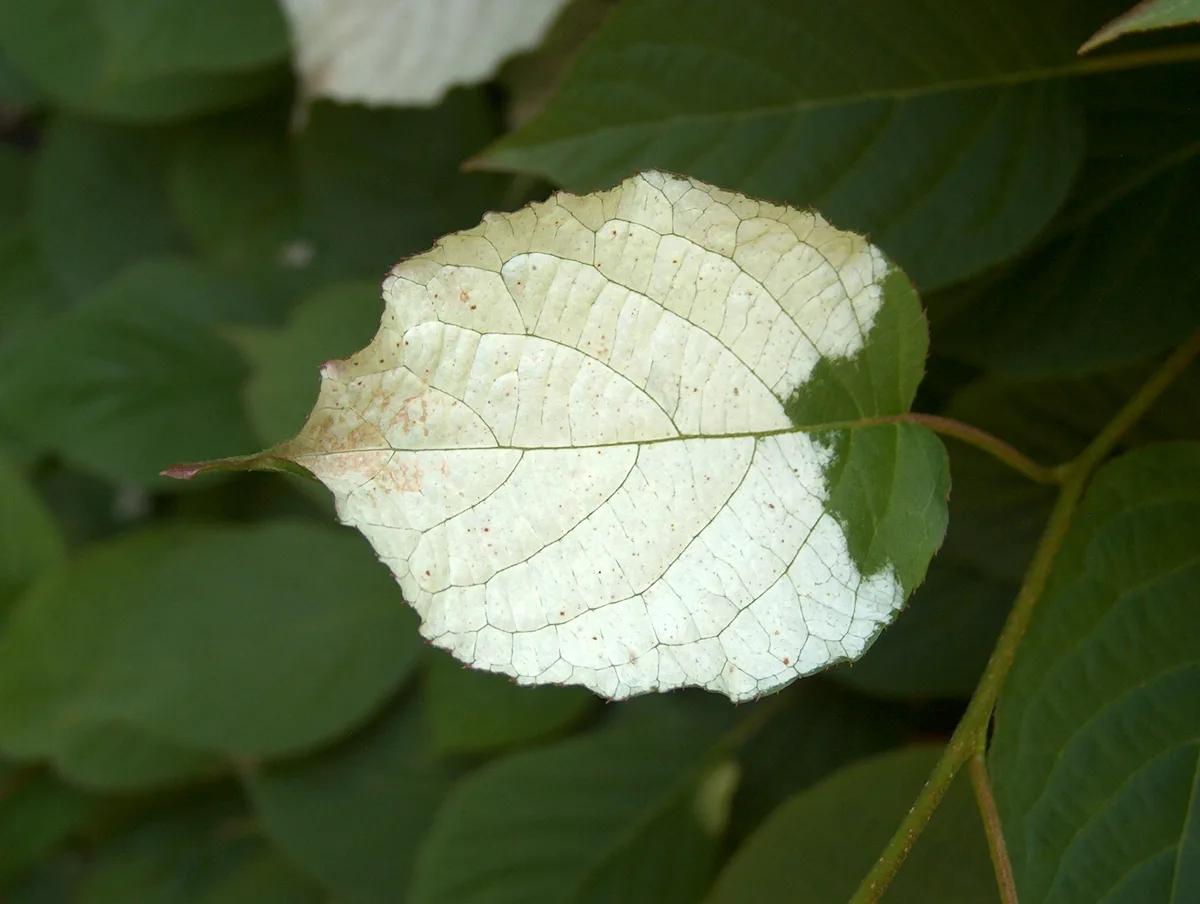
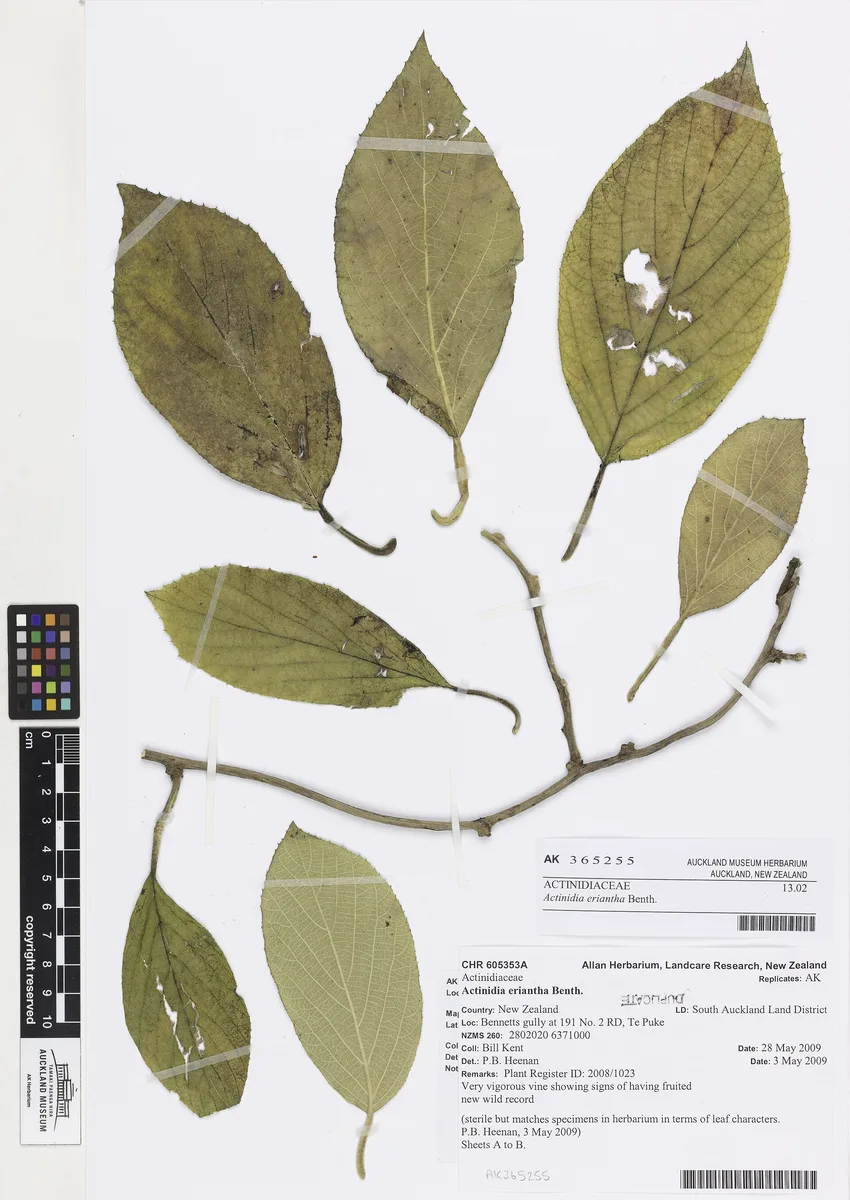
Find, buy, swap, or sell Kiwi
One World One Seed connects this plant profile to community sellers, plant swaps, storefronts, and participating garden retailers.
Where to buy Kiwi
These products were matched to this plant from participating retailers in the One World One Seed marketplace network.

Actinidia deliciosa 'Jenny'
One World One Seed may earn a commission from qualifying purchases. Affiliate disclosure.
Growing Reference Note
Plant performance can vary with climate, soil, weather, cultivar, seed quality, and gardening methods. The values on this page are general database reference ranges rather than a substitute for local extension guidance or seed-packet instructions.