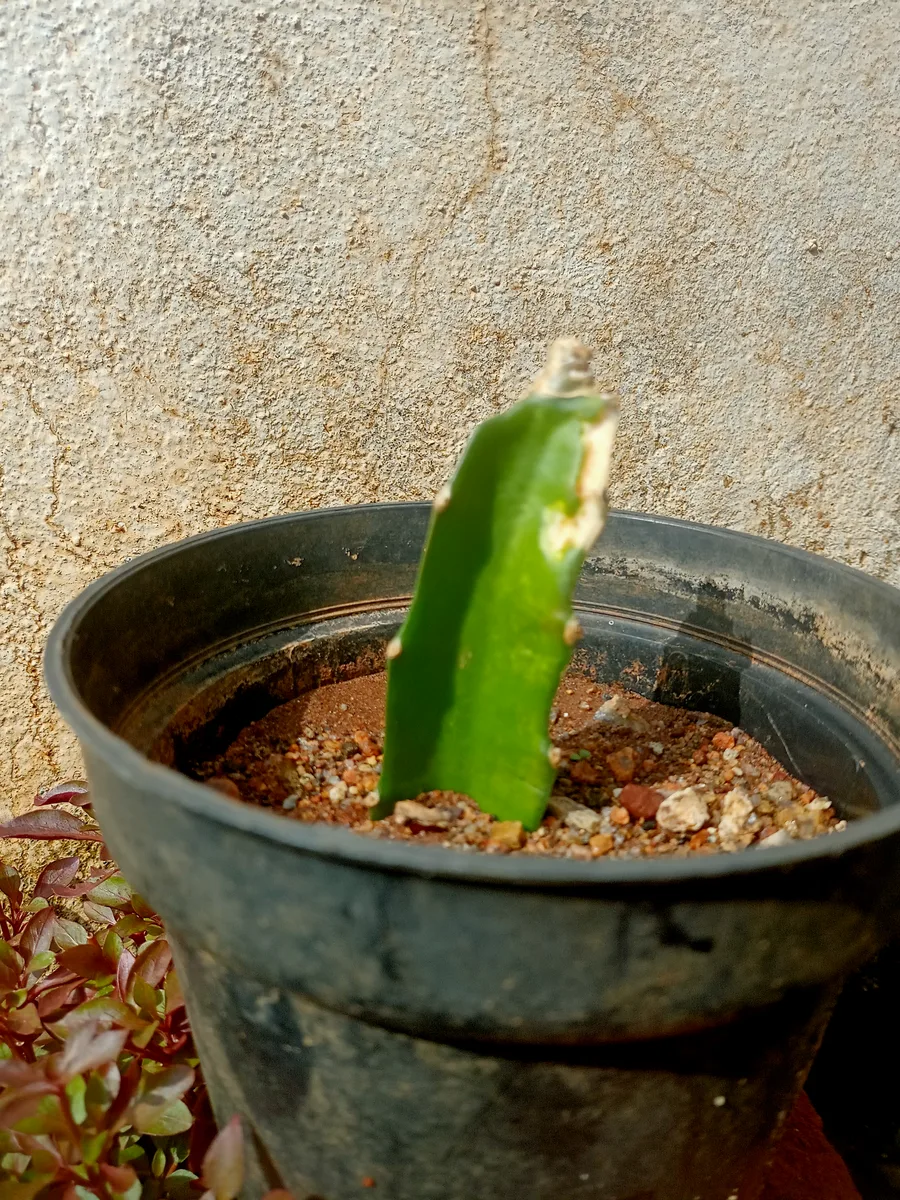
Dragon Fruit
Selenicereus undatus
Family: Cactaceae
Dragon Fruit grows in full sun to partial shade and prefers loose, fertile, very well-drained sandy loam or cactus-style mix enriched with organic matter. Water needs: Moderate; water deeply but allow the root zone to drain well and avoid prolonged saturation.
Photo Gallery
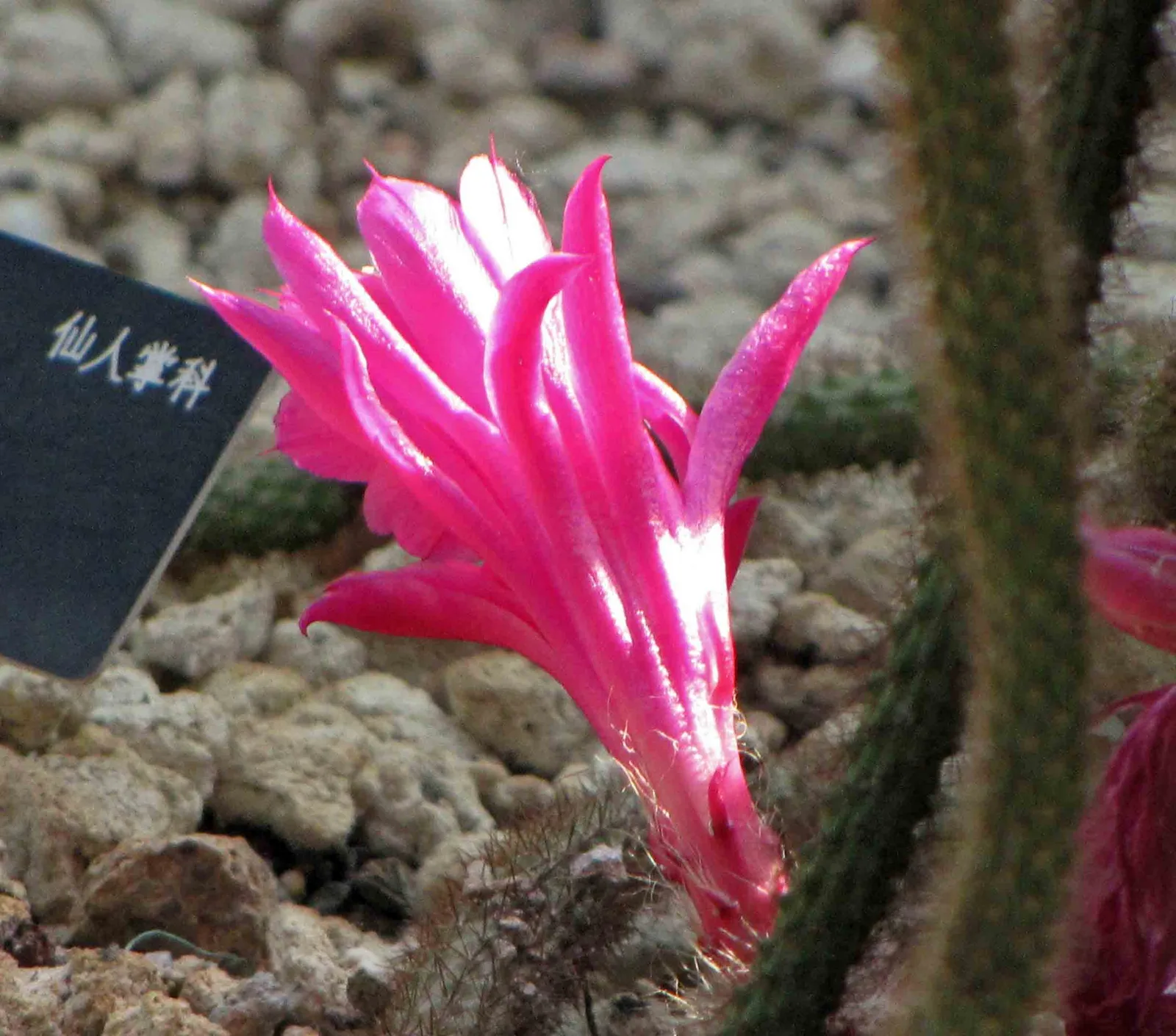
Plant reference images showing growth stages and identifying features.
Photo info
Photo info
How to Grow Dragon Fruit
Dragon Fruit growing information includes sunlight requirements of Full sun to partial shade, soil conditions listed as Loose, fertile, very well-drained sandy loam or cactus-style mix enriched with organic matter with a soil pH of 5.5-7.0, and Moderate; water deeply but allow the root zone to drain well and avoid prolonged saturation water needs. The listed hardiness zones are 10-11. For propagation reference, the database lists germination or establishment information for Dragon Fruit as Dragon fruit seeds can germinate within several weeks under warm, moist conditions, but fruiting plants are more commonly propagated from stem cuttings, with planting or establishment depth listed as For seed propagation, sow dragon fruit seed very shallowly on or just beneath the surface of a moist, well-drained medium; stem cuttings are planted with the basal end anchored firmly in the growing medium. Days to maturity are listed as Stem-cutting plants may begin fruiting in about 1-3 years under favorable conditions, while seed-grown plants generally take longer.
Plant Overview
Dragon Fruit (Selenicereus undatus) is listed in the Cactaceae family and categorized as a fruit with a perennial cactus life cycle. This profile summarizes growing information for hardiness, light, soil, water, seed starting, maturity, and other available cultivation details. Difficulty is listed as Moderate.
- Plant ID
- PLT-0116
- Family
- Cactaceae
- Plant type
- Fruit
- Life cycle
- Perennial cactus
- Growth habit
- Climbing or sprawling epiphytic cactus with long, three-angled succulent stems that benefit from a strong post or trellis
- Mature height
- Commonly trained about 5-8 feet high on a support, with stems capable of extending 10-20 feet or more
- Mature spread
- Commonly 6-10 feet or more around the support as stems branch and drape
- Difficulty
- Moderate
Growing Conditions
Dragon Fruit is listed for full sun to partial shade conditions. Water needs are listed as moderate; water deeply but allow the root zone to drain well and avoid prolonged saturation. The database soil reference is Loose, fertile, very well-drained sandy loam or cactus-style mix enriched with organic matter. The listed soil pH range is 5.5-7.0, and the listed hardiness range is 10-11.
- Hardiness zones
- 10-11
- Sunlight
- Full sun to partial shade
- Soil
- Loose, fertile, very well-drained sandy loam or cactus-style mix enriched with organic matter
- Soil pH
- 5.5-7.0
- Water needs
- Moderate; water deeply but allow the root zone to drain well and avoid prolonged saturation
- Plant spacing
- Allow roughly 6-10 feet between plants or support posts to provide airflow, training room, and harvest access
Seed & Germination
For propagation, the database note is dragon fruit seeds can germinate within several weeks under warm, moist conditions, but fruiting plants are more commonly propagated from stem cuttings. Planting-depth guidance: For seed propagation, sow dragon fruit seed very shallowly on or just beneath the surface of a moist, well-drained medium; stem cuttings are planted with the basal end anchored firmly in the growing medium. The listed time to maturity is Stem-cutting plants may begin fruiting in about 1-3 years under favorable conditions, while seed-grown plants generally take longer. Use these values as general reference points and adjust for local climate, seed source, and growing conditions.
- Germination
- Dragon fruit seeds can germinate within several weeks under warm, moist conditions, but fruiting plants are more commonly propagated from stem cuttings
- Germination temperature
- Dragon fruit seed germination is favored by warm conditions, generally around 70-85°F, with steady moisture and good aeration
- Seed depth
- For seed propagation, sow dragon fruit seed very shallowly on or just beneath the surface of a moist, well-drained medium; stem cuttings are planted with the basal end anchored firmly in the growing medium
- Sowing method
- Usually established from rooted or freshly callused stem cuttings planted beside a strong support; seed is mainly used for breeding or seedling production
- Start indoors
- Seeds and stem cuttings can be started indoors in warm, bright conditions before moving plants outdoors where temperatures are suitable
- Transplanting
- Move rooted plants with minimal root disturbance, set them at approximately their previous growing depth, and provide a sturdy post or trellis immediately
Harvest & Propagation
- Days to maturity
- Stem-cutting plants may begin fruiting in about 1-3 years under favorable conditions, while seed-grown plants generally take longer
- Harvest
- Harvest when the skin has developed full cultivar color, the bracts begin to soften slightly, and the fruit detaches readily with a gentle twist
- Propagation
- Most commonly propagated from stem cuttings, which root readily and fruit sooner than seed-grown plants
- Seed saving
- Collect seeds from fully ripe fruit, separate them from the pulp, rinse and dry briefly, and store cool and dry; seedlings are genetically variable and may not reproduce the parent cultivar
- Pollination
- Pollination requirements vary by cultivar; some dragon fruit are self-fertile while others require pollen from a genetically compatible cultivar, with nocturnal moths, bats, bees, or hand pollination contributing to fruit set
Garden Information
- Common pests
- Mealybugs, scale insects, aphids, mites, ants associated with sap-feeding pests, snails, slugs, and occasional fruit-feeding insects
- Common diseases
- Stem and fruit rots, anthracnose, cankers, bacterial soft rots, and other fungal or bacterial diseases favored by excessive moisture
- Uses
- Fresh fruit, smoothies, juices, fruit bowls, desserts, preserves, beverages, and ornamental edible landscaping
Related Plants
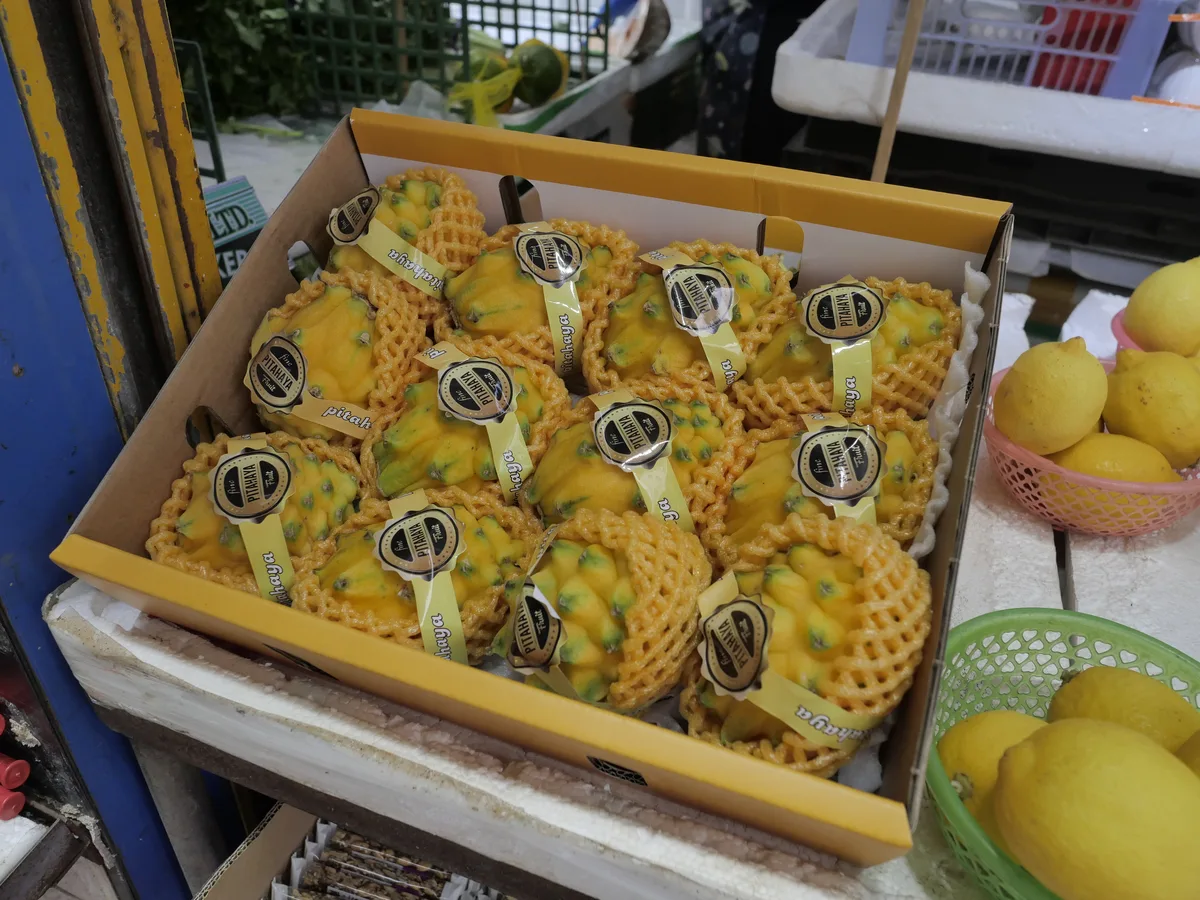
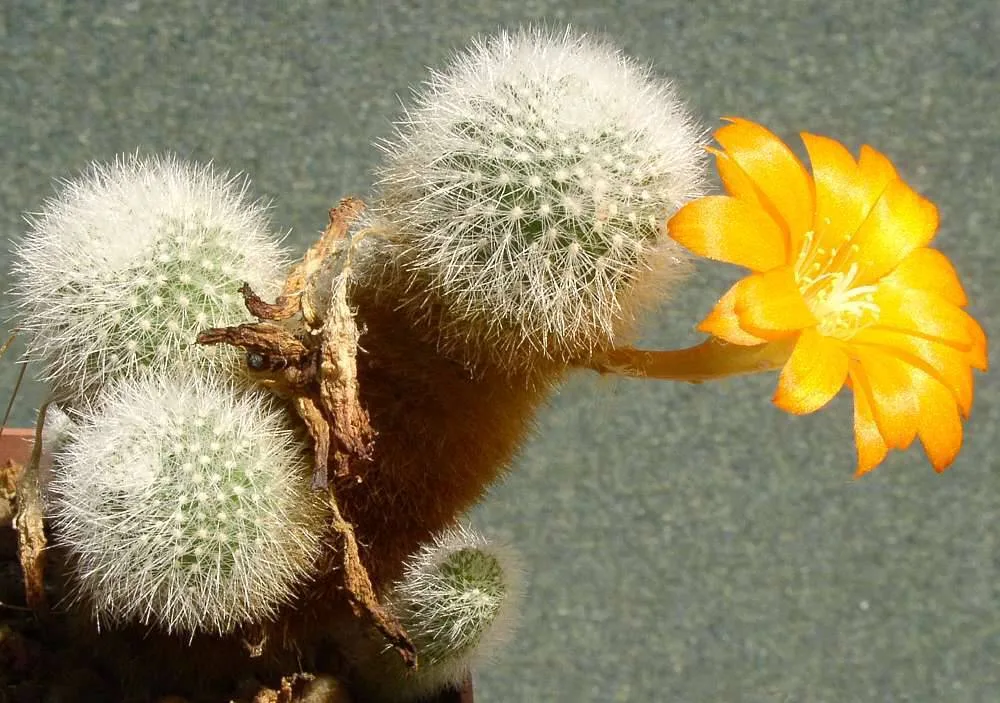
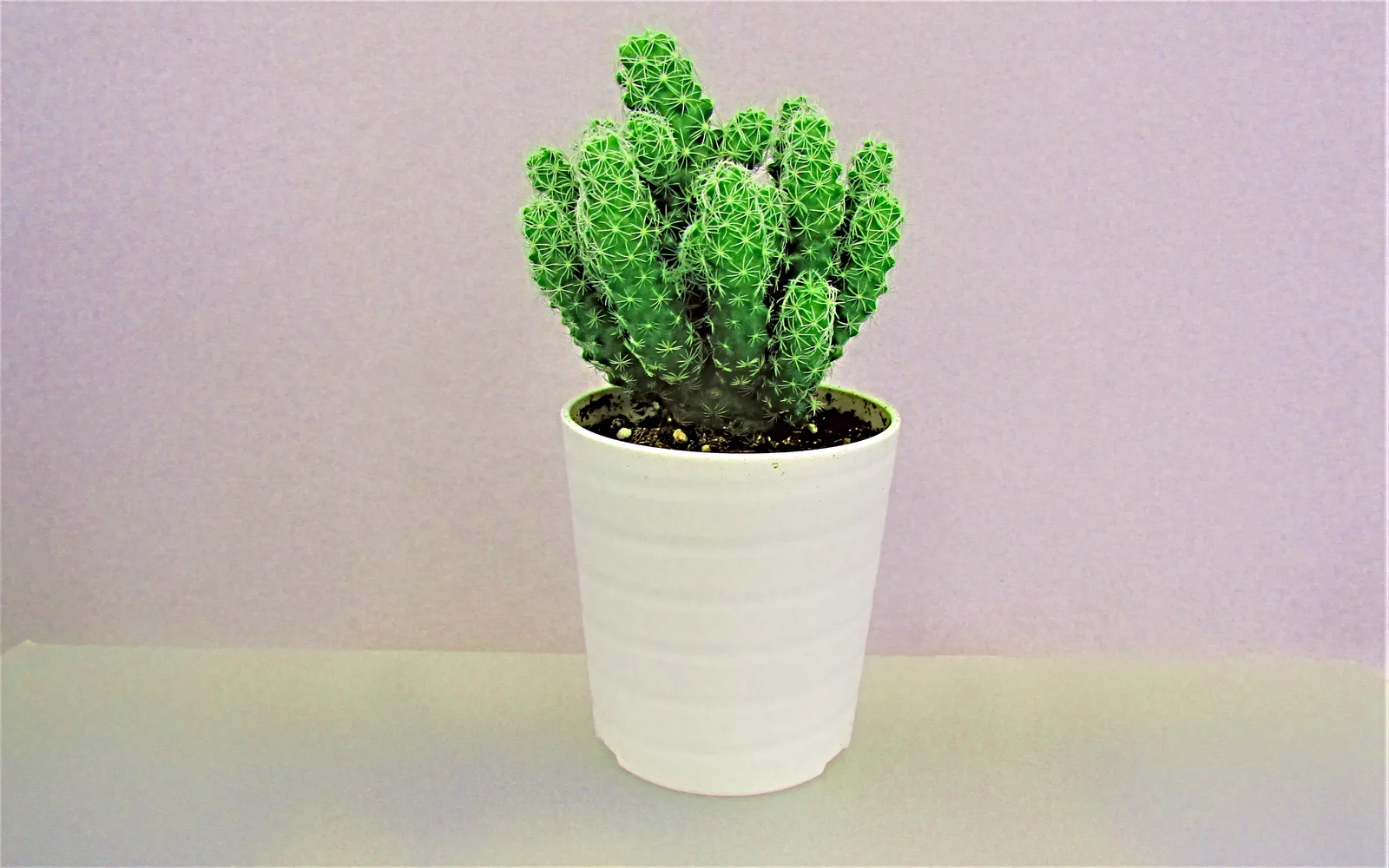
Find, buy, swap, or sell Dragon Fruit
One World One Seed connects this plant profile to community sellers, plant swaps, storefronts, and participating garden retailers.
Growing Reference Note
Plant performance can vary with climate, soil, weather, cultivar, seed quality, and gardening methods. The values on this page are general database reference ranges rather than a substitute for local extension guidance or seed-packet instructions.