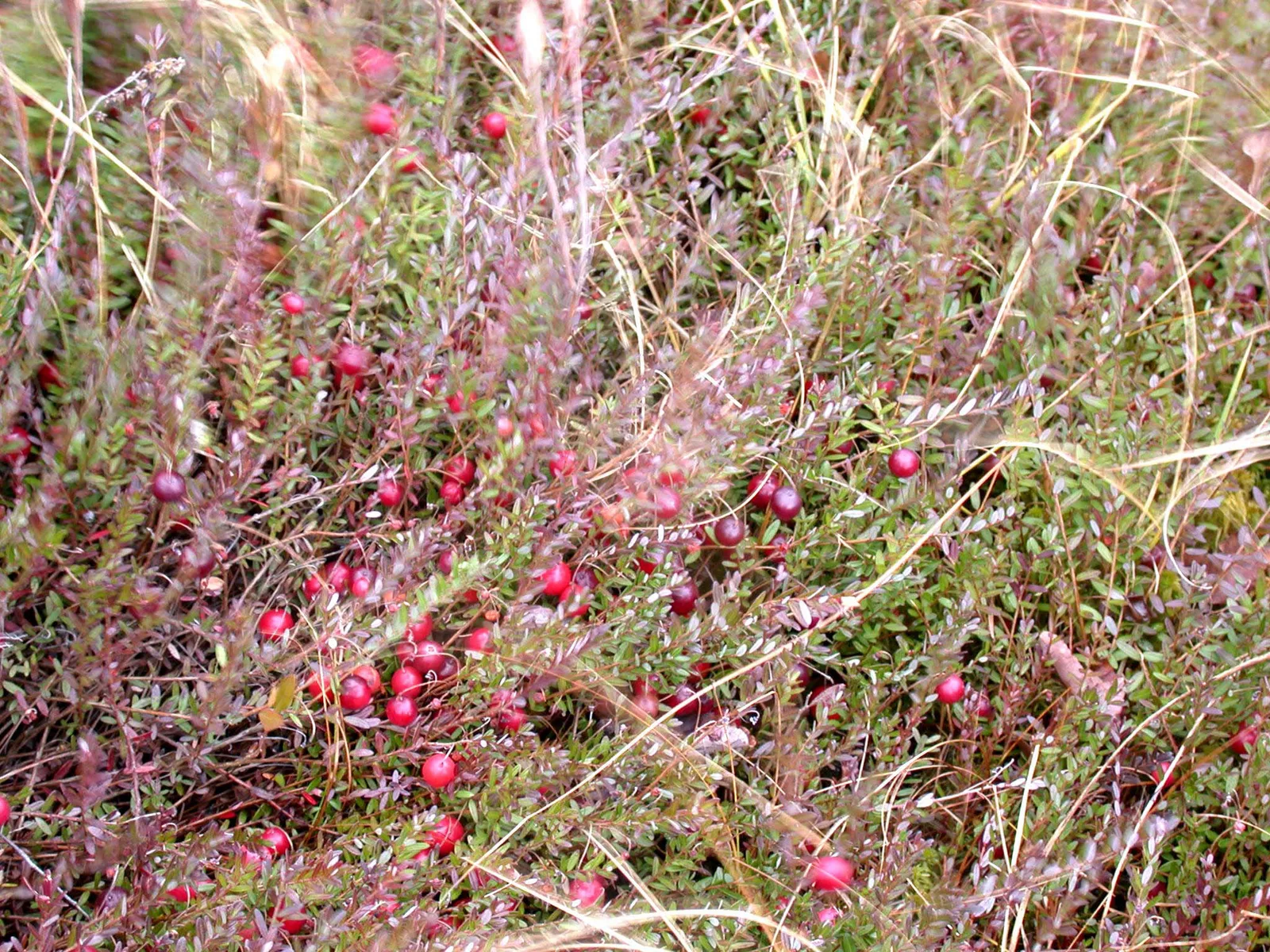
Cranberry
Vaccinium macrocarpon
Family: Ericaceae
Cranberry grows in full sun and prefers acidic, sandy or peaty soil rich in organic matter with good moisture retention and drainage. Water needs: Moderate to high; maintain consistently moist acidic soil during establishment and fruit development while avoiding prolonged stagnant water around the roots.
Photo Gallery
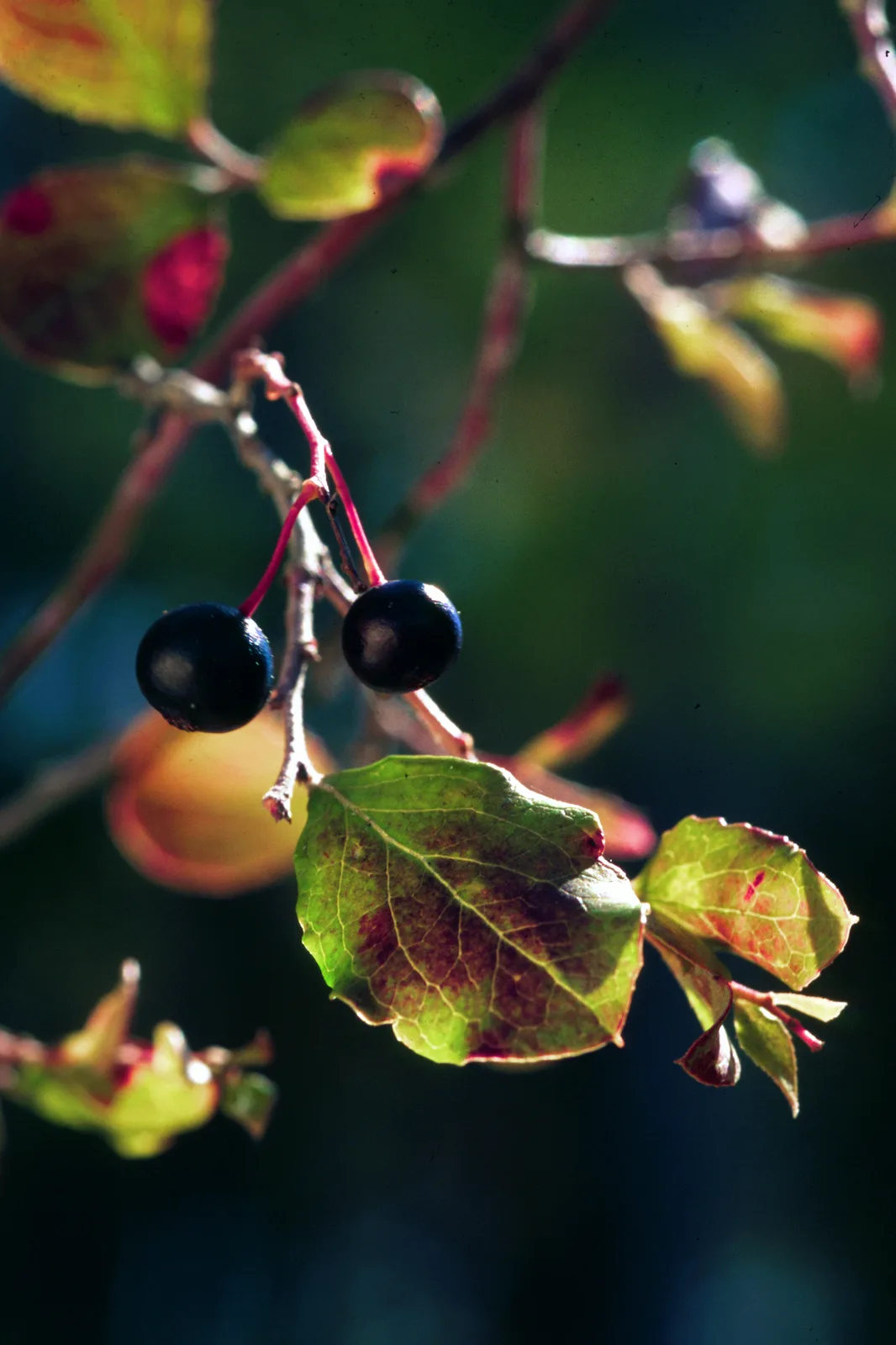
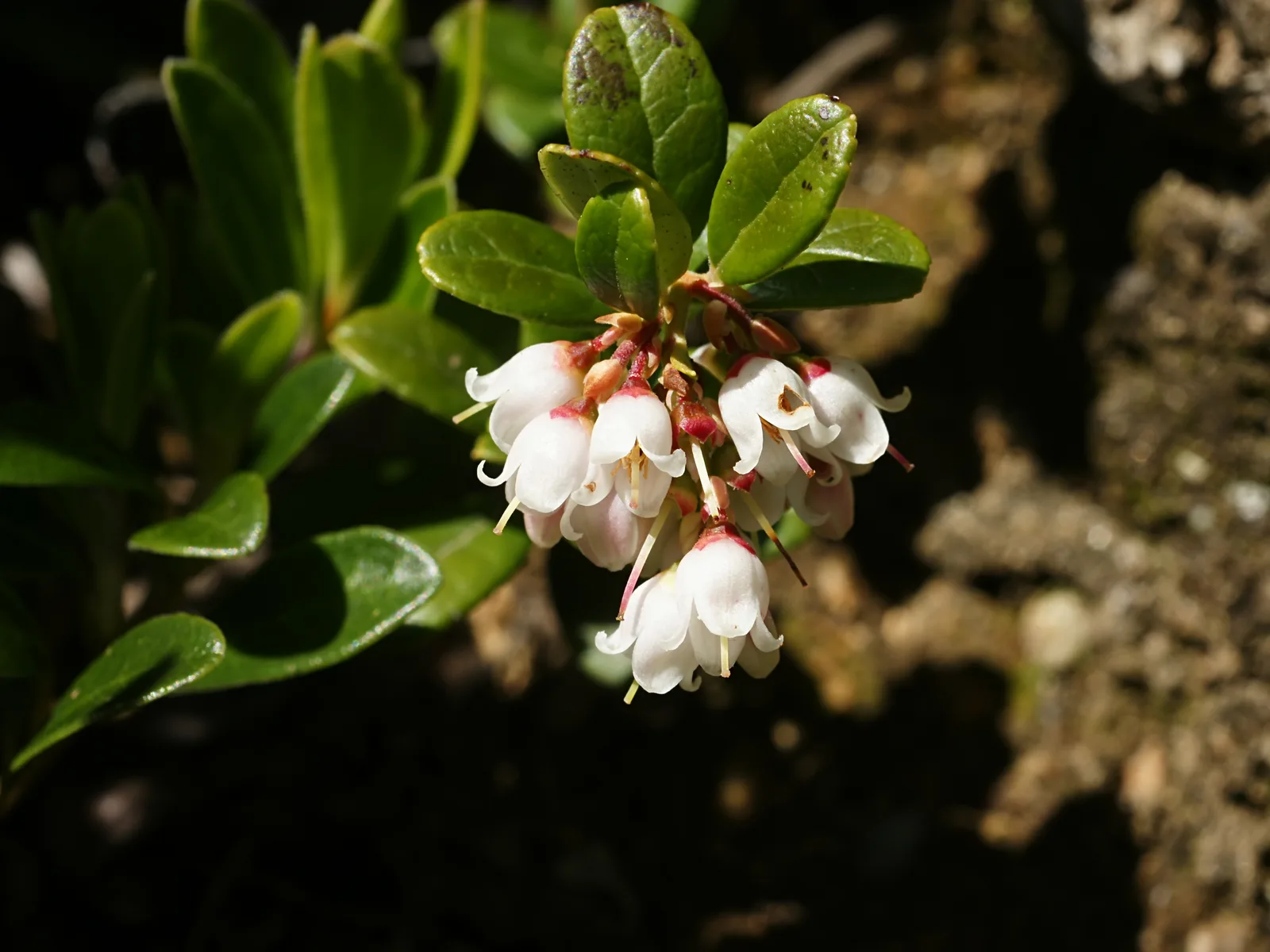
Plant reference images showing growth stages and identifying features.
Photo info
Photo info
Photo info
How to Grow Cranberry
Cranberry growing information includes sunlight requirements of Full sun, soil conditions listed as Acidic, sandy or peaty soil rich in organic matter with good moisture retention and drainage with a soil pH of 4.0-5.5, and Moderate to high; maintain consistently moist acidic soil during establishment and fruit development while avoiding prolonged stagnant water around the roots water needs. The listed hardiness zones are 2-7. For propagation reference, the database lists germination or establishment information for Cranberry as Cranberry seeds have dormancy and typically require cold, moist stratification before germination; commercial and named cultivars are usually propagated vegetatively, with planting or establishment depth listed as For seed propagation, sow stratified cranberry seed very shallowly, about 1/8 to 1/4 inch deep, in an acidic, moist, well-drained medium. Days to maturity are listed as Vegetatively established cranberry plants generally require about 2-3 years to develop meaningful fruit production, with full productivity taking longer.
Plant Overview
Cranberry (Vaccinium macrocarpon) is listed in the Ericaceae family and categorized as a fruit with a perennial groundcover life cycle. This profile summarizes growing information for hardiness, light, soil, water, seed starting, maturity, and other available cultivation details. Difficulty is listed as Moderate.
- Plant ID
- PLT-0121
- Family
- Ericaceae
- Plant type
- Fruit
- Life cycle
- Perennial groundcover
- Growth habit
- Low-growing evergreen perennial with trailing woody runners and short upright fruiting shoots
- Mature height
- Usually about 4-8 inches tall above the soil surface
- Mature spread
- Spreads outward through trailing runners and can form broad mats over time
- Difficulty
- Moderate
Growing Conditions
Cranberry is listed for full sun conditions. Water needs are listed as moderate to high; maintain consistently moist acidic soil during establishment and fruit development while avoiding prolonged stagnant water around the roots. The database soil reference is Acidic, sandy or peaty soil rich in organic matter with good moisture retention and drainage. The listed soil pH range is 4.0-5.5, and the listed hardiness range is 2-7.
- Hardiness zones
- 2-7
- Sunlight
- Full sun
- Soil
- Acidic, sandy or peaty soil rich in organic matter with good moisture retention and drainage
- Soil pH
- 4.0-5.5
- Water needs
- Moderate to high; maintain consistently moist acidic soil during establishment and fruit development while avoiding prolonged stagnant water around the roots
- Plant spacing
- Space rooted cuttings or plugs roughly 8-12 inches apart for small plantings, allowing runners to fill the bed
Seed & Germination
For propagation, the database note is cranberry seeds have dormancy and typically require cold, moist stratification before germination; commercial and named cultivars are usually propagated vegetatively. Planting-depth guidance: For seed propagation, sow stratified cranberry seed very shallowly, about 1/8 to 1/4 inch deep, in an acidic, moist, well-drained medium. The listed time to maturity is Vegetatively established cranberry plants generally require about 2-3 years to develop meaningful fruit production, with full productivity taking longer. Use these values as general reference points and adjust for local climate, seed source, and growing conditions.
- Germination
- Cranberry seeds have dormancy and typically require cold, moist stratification before germination; commercial and named cultivars are usually propagated vegetatively
- Germination temperature
- After cold stratification, cranberry seed germination is favored by mild conditions, generally around 60-70°F, with steady moisture and an acidic growing medium
- Seed depth
- For seed propagation, sow stratified cranberry seed very shallowly, about 1/8 to 1/4 inch deep, in an acidic, moist, well-drained medium
- Sowing method
- Seed may be used for breeding or seedling production, while fruiting plantings are commonly established from cuttings, runners, rooted plugs, or nursery stock
- Start indoors
- Stratified cranberry seeds can be started in acidic growing media under cool to mild protected conditions, though rooted cuttings or plugs are more commonly used for establishing fruiting plants
- Transplanting
- Transplant rooted cranberries into prepared acidic beds at approximately their previous growing depth, keep the root zone consistently moist, and avoid allowing young plants to dry out during establishment
Harvest & Propagation
- Days to maturity
- Vegetatively established cranberry plants generally require about 2-3 years to develop meaningful fruit production, with full productivity taking longer
- Harvest
- Harvest berries after they develop full red cultivar color and firm mature fruit, typically in fall before severe freezing weather
- Propagation
- Cranberries are commonly propagated vegetatively from cuttings, runners, or rooted nursery stock to preserve cultivar characteristics
- Seed saving
- Collect seeds from fully ripe berries, remove the pulp thoroughly, rinse the seeds, and provide cold moist stratification before sowing; seedlings are genetically variable and will not reliably reproduce named cultivars
- Pollination
- Flowers are primarily insect-pollinated, especially by bees; good pollinator activity improves fruit set and berry development
Garden Information
- Common pests
- Cranberry fruitworm, cranberry weevil, spanworms, cutworms, leafhoppers, mites, and other foliage- or fruit-feeding insects
- Common diseases
- Fruit rots, upright dieback, leaf spots, Phytophthora root rot, and other fungal diseases favored by poor drainage or prolonged wetness
- Uses
- Fresh or processed fruit for sauces, juices, dried fruit, baking, preserves, relishes, and ornamental edible groundcover plantings
Related Plants
Find, buy, swap, or sell Cranberry
One World One Seed connects this plant profile to community sellers, plant swaps, storefronts, and participating garden retailers.
Growing Reference Note
Plant performance can vary with climate, soil, weather, cultivar, seed quality, and gardening methods. The values on this page are general database reference ranges rather than a substitute for local extension guidance or seed-packet instructions.