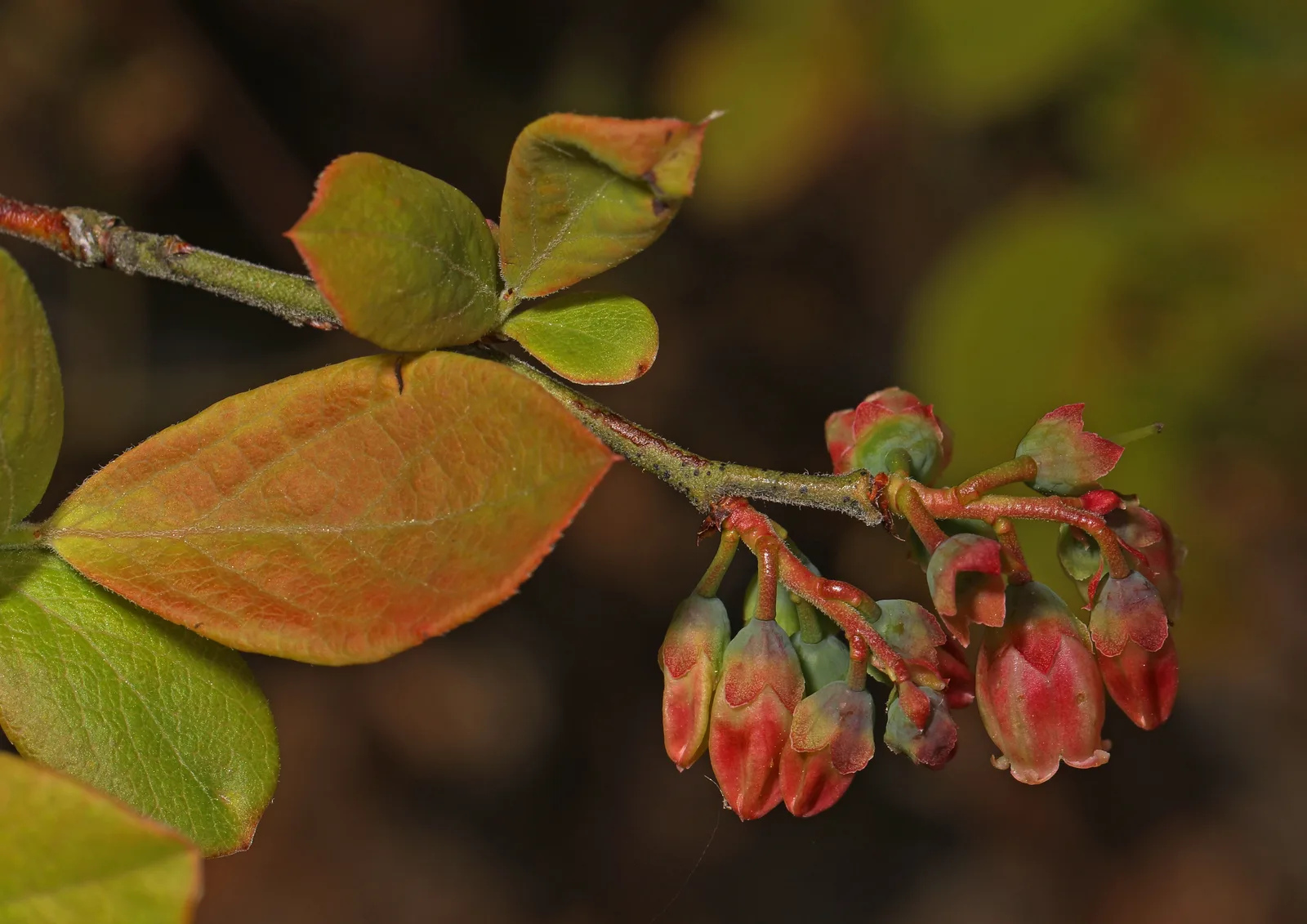
Blueberry
Vaccinium corymbosum
Family: Ericaceae
Blueberry grows in full sun and prefers moist, well-drained acidic soil rich in organic matter. Water needs: Moderate; keep soil consistently moist while maintaining good drainage.
Photo Gallery
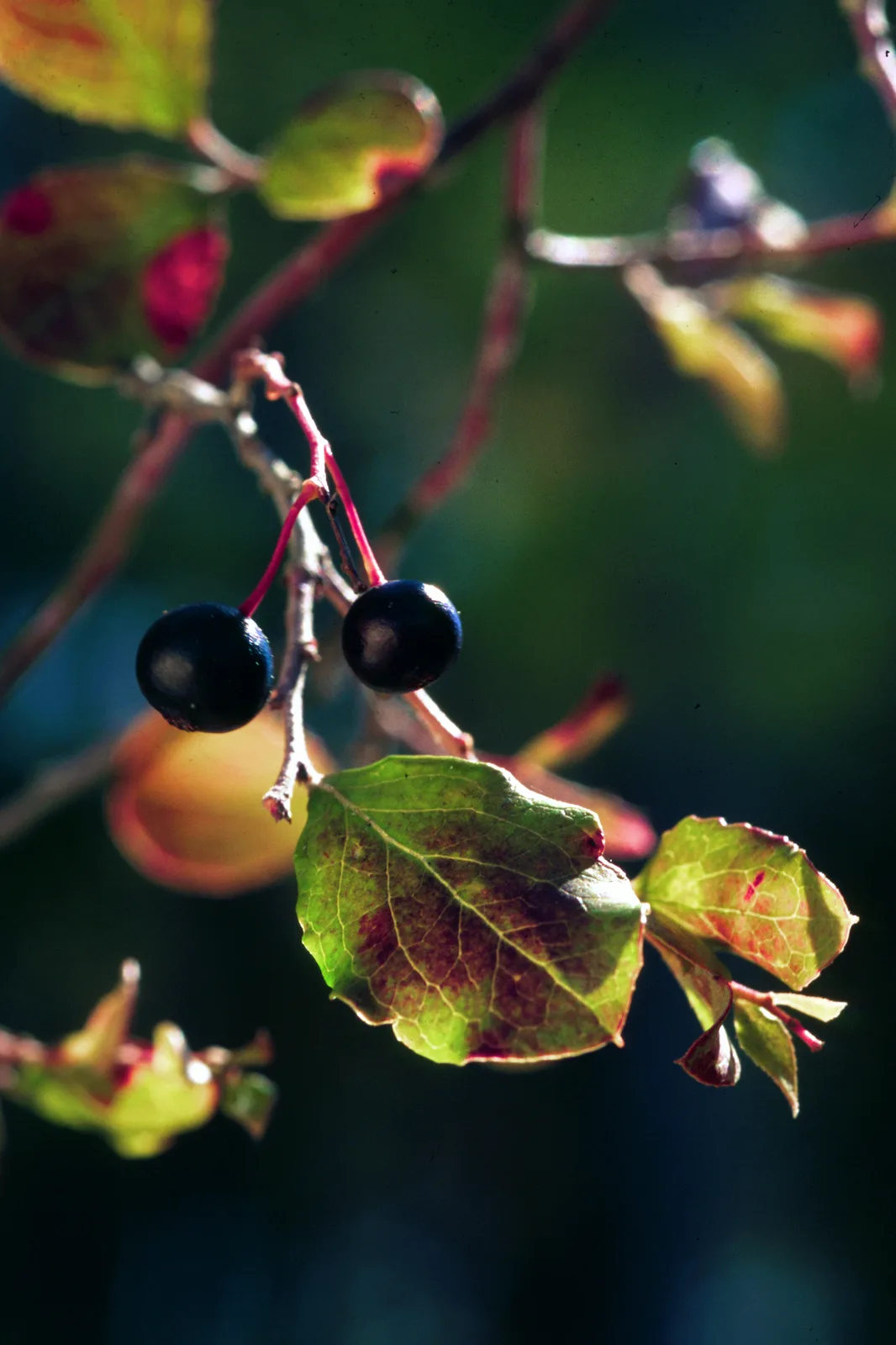
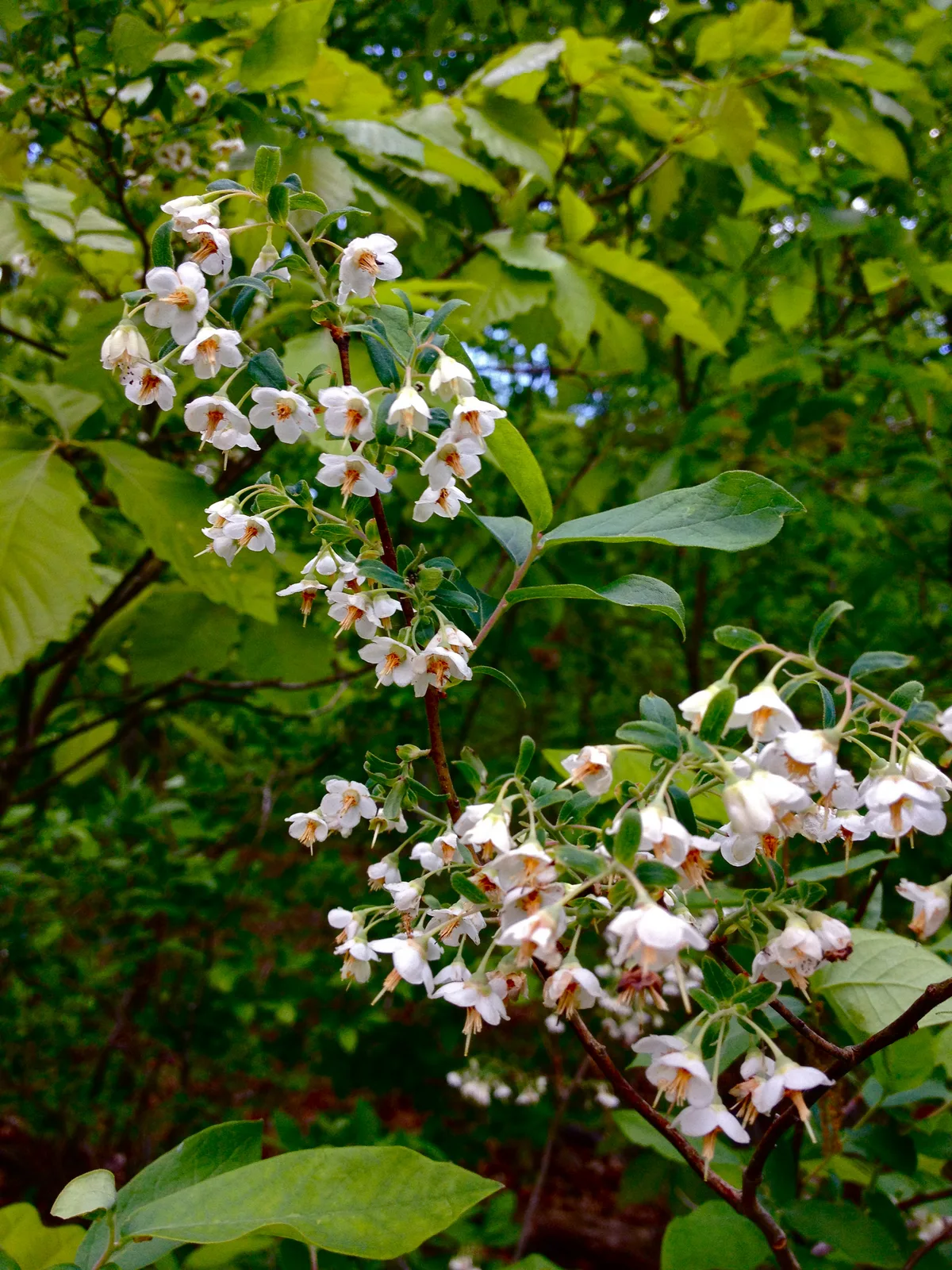
Plant reference images showing growth stages and identifying features.
Photo info
Photo info
Photo info
How to Grow Blueberry
Blueberry growing information includes sunlight requirements of Full sun, soil conditions listed as Moist, well-drained acidic soil rich in organic matter with a soil pH of 4.5-5.5, and Moderate; keep soil consistently moist while maintaining good drainage water needs. The listed hardiness zones are 4-8. For propagation reference, the database lists germination or establishment information for Blueberry as Seeds commonly require a period of cold stratification before germination; dormancy requirements vary by seed origin, with planting or establishment depth listed as Seed propagation is uncommon for home or commercial planting; blueberries are normally established from nursery-grown plants. Days to maturity are listed as Plants may produce a light crop within the first few years, with production increasing as bushes mature and approaching fuller production around five years.
Plant Overview
Blueberry (Vaccinium corymbosum) is listed in the Ericaceae family and categorized as a fruit with a perennial shrub life cycle. This profile summarizes growing information for hardiness, light, soil, water, seed starting, maturity, and other available cultivation details. Difficulty is listed as Moderate.
- Plant ID
- PLT-0089
- Family
- Ericaceae
- Plant type
- Fruit
- Life cycle
- Perennial shrub
- Native range
- Eastern North America
- Growth habit
- Upright, multi-stemmed deciduous shrub
- Mature height
- About 4-8 feet
- Mature spread
- About 5-8 feet
- Difficulty
- Moderate
Growing Conditions
Blueberry is listed for full sun conditions. Water needs are listed as moderate; keep soil consistently moist while maintaining good drainage. The database soil reference is Moist, well-drained acidic soil rich in organic matter. The listed soil pH range is 4.5-5.5, and the listed hardiness range is 4-8.
- Hardiness zones
- 4-8
- Sunlight
- Full sun
- Soil
- Moist, well-drained acidic soil rich in organic matter
- Soil pH
- 4.5-5.5
- Water needs
- Moderate; keep soil consistently moist while maintaining good drainage
- Plant spacing
- About 5 feet apart for individual shrubs
Seed & Germination
For propagation, the database note is seeds commonly require a period of cold stratification before germination; dormancy requirements vary by seed origin. Planting-depth guidance: Seed propagation is uncommon for home or commercial planting; blueberries are normally established from nursery-grown plants. Maturity guidance: Plants may produce a light crop within the first few years, with production increasing as bushes mature and approaching fuller production around five years. Use these values as general reference points and adjust for local climate, seed source, and growing conditions.
- Germination
- Seeds commonly require a period of cold stratification before germination; dormancy requirements vary by seed origin
- Germination temperature
- Seed germination conditions vary; named cultivars are normally propagated vegetatively or purchased as nursery plants
- Seed depth
- Seed propagation is uncommon for home or commercial planting; blueberries are normally established from nursery-grown plants
- Sowing method
- Usually established from a nursery-grown blueberry plant; seed can be sown when propagating the species rather than preserving a named cultivar
- Start indoors
- Not normally started indoors as a garden crop; establish from nursery-grown plants or propagate cuttings under protected conditions
- Transplanting
- Set nursery-grown plants while dormant or in cool conditions, keep roots moist during planting, and avoid burying the crown excessively
Harvest & Propagation
- Days to maturity
- Plants may produce a light crop within the first few years, with production increasing as bushes mature and approaching fuller production around five years
- Harvest
- Pick berries only when fully ripe and uniformly blue; flavor improves for several days after the berries first turn blue
- Propagation
- Seed or stem cuttings; named cultivars are generally propagated vegetatively to preserve cultivar traits
- Seed saving
- Collect seed from fully ripe berries; seed-grown offspring may differ from the parent cultivar
- Pollination
- Many cultivars are self-fertile, but planting a compatible cultivar nearby generally improves fruit set and berry size
Garden Information
- Common pests
- Spotted wing drosophila, birds, deer, and occasional other fruit-feeding pests
- Common diseases
- Mummy berry, stem blight, root rot, anthracnose, cane cankers, powdery mildew, and Botrytis
- Uses
- Edible fruit, fresh eating, baking, preserves, and ornamental or pollinator plantings
Related Plants
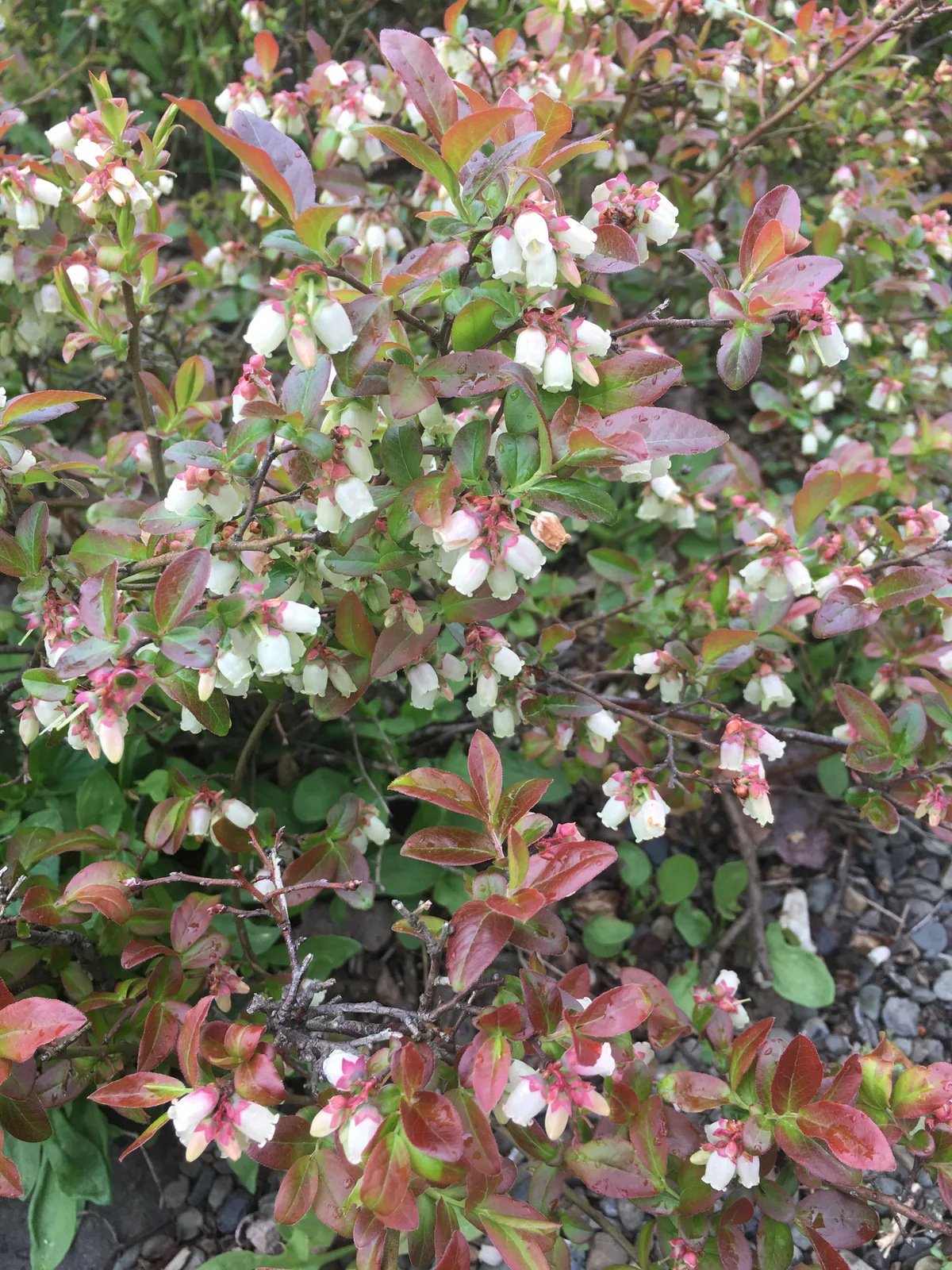
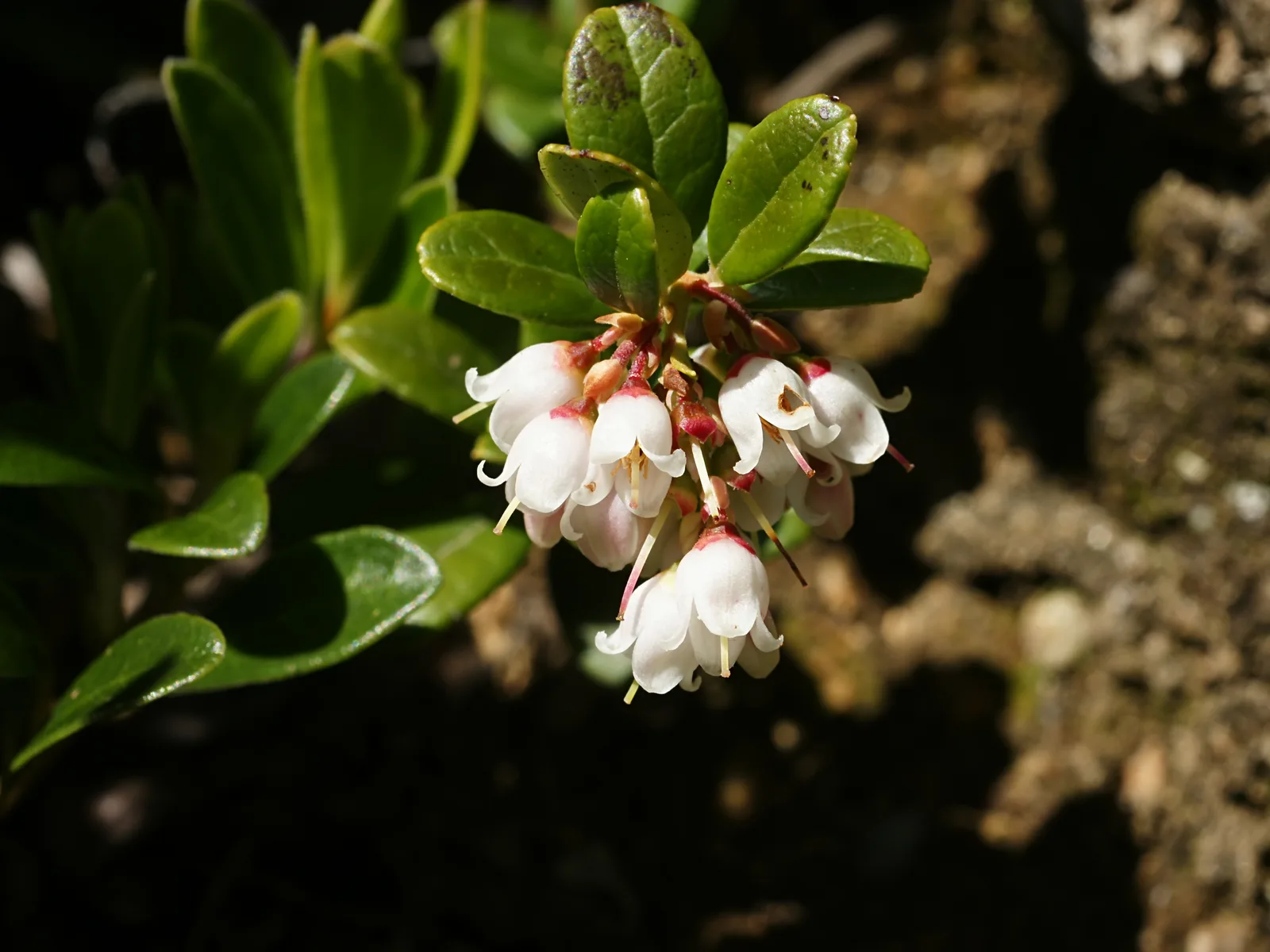
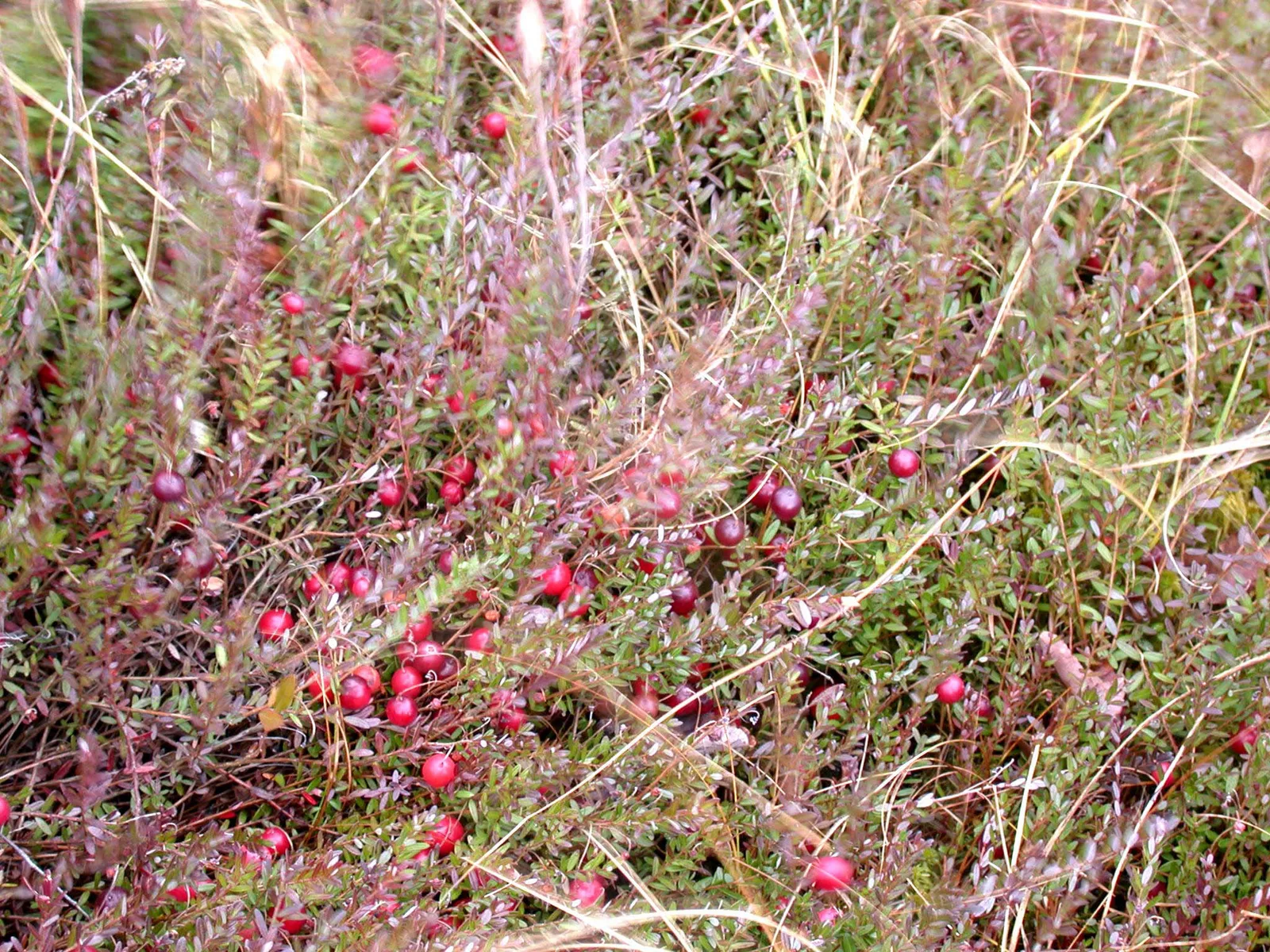
Find, buy, swap, or sell Blueberry
One World One Seed connects this plant profile to community sellers, plant swaps, storefronts, and participating garden retailers.
Growing Reference Note
Plant performance can vary with climate, soil, weather, cultivar, seed quality, and gardening methods. The values on this page are general database reference ranges rather than a substitute for local extension guidance or seed-packet instructions.