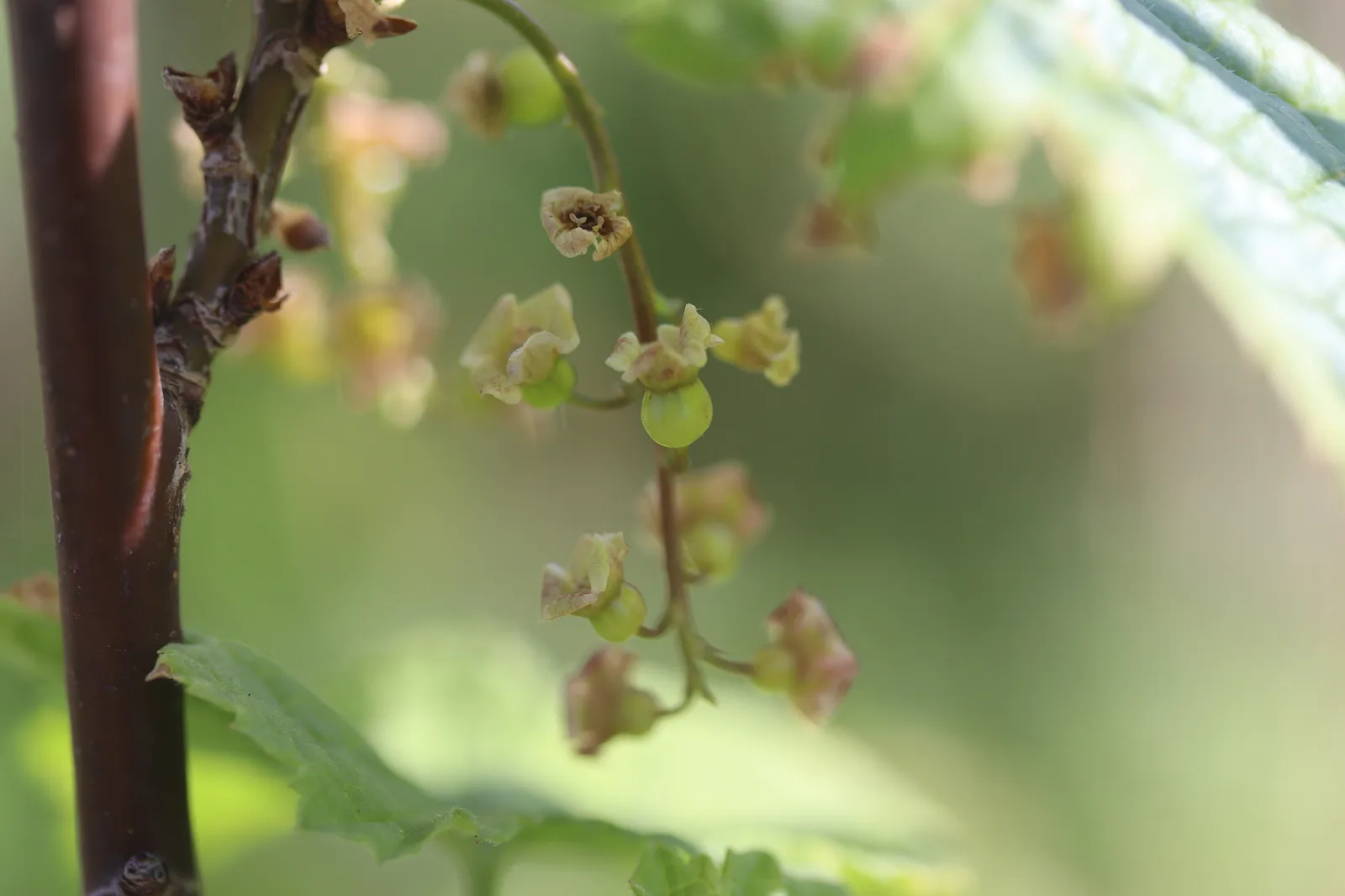
Red Currant
Ribes rubrum
Family: Grossulariaceae
Red Currant grows in full sun to partial shade and prefers rich, well-drained soil with good moisture-holding capacity and organic matter. Water needs: Moderate; keep soil consistently moist, especially during fruit development, while maintaining good drainage.
Photo Gallery
Plant reference images showing growth stages and identifying features.
Photo info
Photo info
How to Grow Red Currant
Red Currant growing information includes sunlight requirements of Full sun to partial shade, soil conditions listed as Rich, well-drained soil with good moisture-holding capacity and organic matter with a soil pH of 5.6-6.5, and Moderate; keep soil consistently moist, especially during fruit development, while maintaining good drainage water needs. The listed hardiness zones are 3-7. For propagation reference, the database lists germination or establishment information for Red Currant as Seed propagation is uncommon for routine garden establishment; red currants are more commonly propagated vegetatively, with planting or establishment depth listed as Seed sowing is uncommon for standard red currant planting; nursery-grown plants or rooted cuttings are normally used. Days to maturity are listed as Plants may produce a light crop in the second year, with fuller production commonly beginning around the third year.
Plant Overview
Red Currant (Ribes rubrum) is listed in the Grossulariaceae family and categorized as a fruit with a perennial shrub life cycle. This profile summarizes growing information for hardiness, light, soil, water, seed starting, maturity, and other available cultivation details. Difficulty is listed as Moderate.
- Plant ID
- PLT-0093
- Family
- Grossulariaceae
- Plant type
- Fruit
- Life cycle
- Perennial shrub
- Native range
- Western Europe
- Growth habit
- Compact deciduous shrub with upright, thornless canes and fruit borne in clusters
- Mature height
- About 3-5 feet
- Mature spread
- About 3-5 feet
- Difficulty
- Moderate
Growing Conditions
Red Currant is listed for full sun to partial shade conditions. Water needs are listed as moderate; keep soil consistently moist, especially during fruit development, while maintaining good drainage. The database soil reference is Rich, well-drained soil with good moisture-holding capacity and organic matter. The listed soil pH range is 5.6-6.5, and the listed hardiness range is 3-7.
- Hardiness zones
- 3-7
- Sunlight
- Full sun to partial shade
- Soil
- Rich, well-drained soil with good moisture-holding capacity and organic matter
- Soil pH
- 5.6-6.5
- Water needs
- Moderate; keep soil consistently moist, especially during fruit development, while maintaining good drainage
- Plant spacing
- About 3-5 feet between plants, with wider spacing between rows
Seed & Germination
For propagation, the database note is seed propagation is uncommon for routine garden establishment; red currants are more commonly propagated vegetatively. Planting-depth guidance: Seed sowing is uncommon for standard red currant planting; nursery-grown plants or rooted cuttings are normally used. Maturity guidance: Plants may produce a light crop in the second year, with fuller production commonly beginning around the third year. Use these values as general reference points and adjust for local climate, seed source, and growing conditions.
- Germination
- Seed propagation is uncommon for routine garden establishment; red currants are more commonly propagated vegetatively
- Germination temperature
- Exact seed-germination conditions vary; named cultivars are generally maintained by vegetative propagation
- Seed depth
- Seed sowing is uncommon for standard red currant planting; nursery-grown plants or rooted cuttings are normally used
- Sowing method
- Usually established from nursery-grown plants or rooted cuttings rather than direct seeding
- Start indoors
- Not normally started indoors as a garden crop; use nursery-grown or vegetatively propagated plants
- Transplanting
- Plant dormant nursery stock in cool conditions, keep roots moist, and set plants near their previous growing depth
Harvest & Propagation
- Days to maturity
- Plants may produce a light crop in the second year, with fuller production commonly beginning around the third year
- Harvest
- Harvest clusters when berries are fully colored and ripe; handle gently to avoid crushing the fruit
- Propagation
- Commonly propagated from hardwood or softwood cuttings; named cultivars are normally maintained vegetatively
- Seed saving
- Seed can be collected from fully ripe berries, but seedlings may differ from the parent cultivar
- Pollination
- Generally self-fruitful, but planting another compatible cultivar can improve fruit size and production
Garden Information
- Common pests
- Currant aphids, currant fruit fly, imported currant worm, currant borer, and other foliage or fruit pests
- Common diseases
- Powdery mildew, anthracnose leaf spot, and other fungal diseases
- Uses
- Fresh fruit, preserves, jams, jellies, baking, sauces, desserts, and edible landscapes
Related Plants
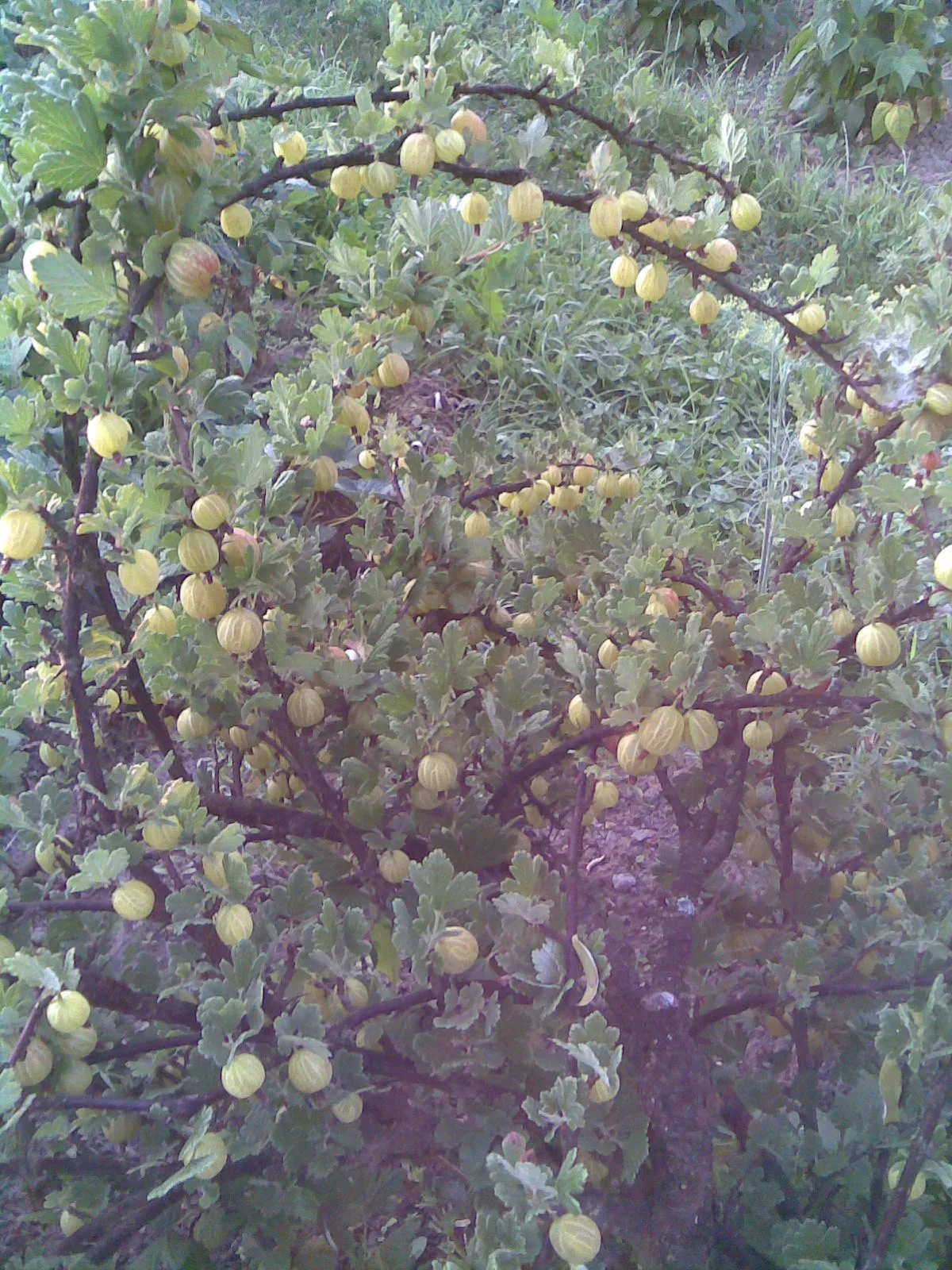
Find, buy, swap, or sell Red Currant
One World One Seed connects this plant profile to community sellers, plant swaps, storefronts, and participating garden retailers.
Where to buy Red Currant
These products were matched to this plant from participating retailers in the One World One Seed marketplace network.

Ribes rubrum Jonkheer van Tets
One World One Seed may earn a commission from qualifying purchases. Affiliate disclosure.
Growing Reference Note
Plant performance can vary with climate, soil, weather, cultivar, seed quality, and gardening methods. The values on this page are general database reference ranges rather than a substitute for local extension guidance or seed-packet instructions.