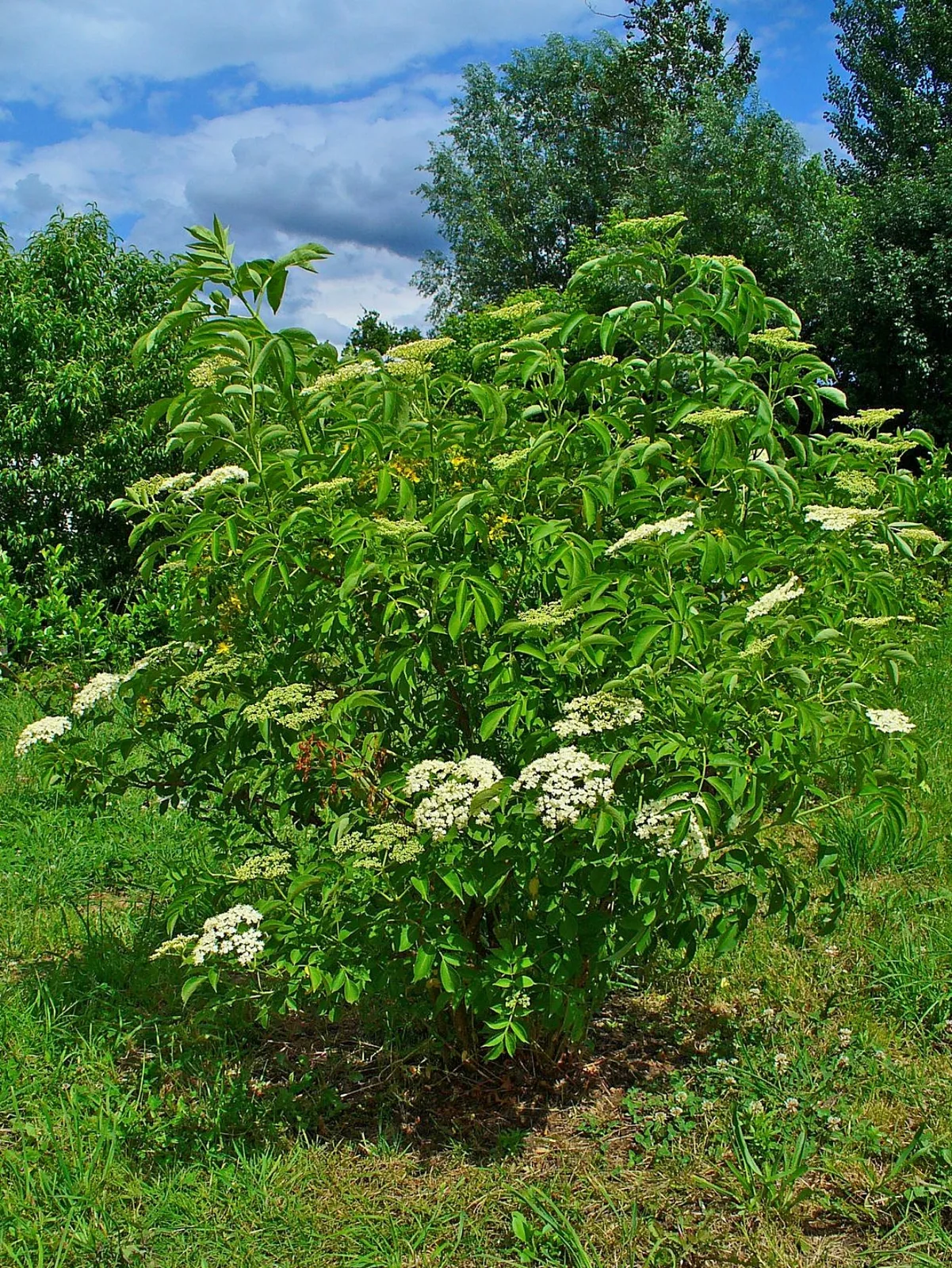
Elderberry
Sambucus canadensis
Family: Adoxaceae
Elderberry grows in full sun to partial shade and prefers fertile, moisture-retentive, well-drained loam rich in organic matter. Water needs: Moderate to high; elderberry performs best with consistent soil moisture, especially during establishment, flowering, and fruit development, while prolonged waterlogging should be avoided.
Photo Gallery
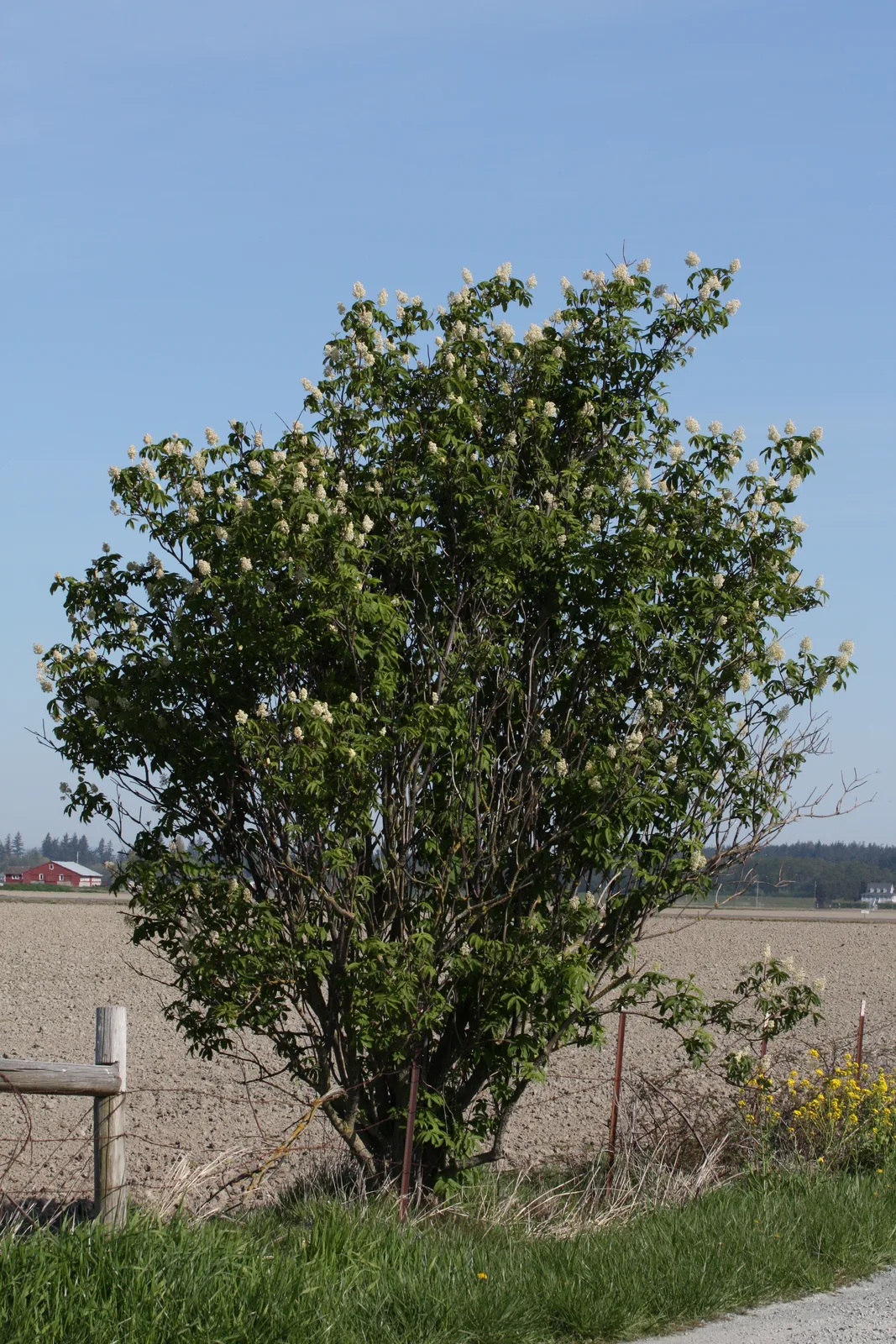
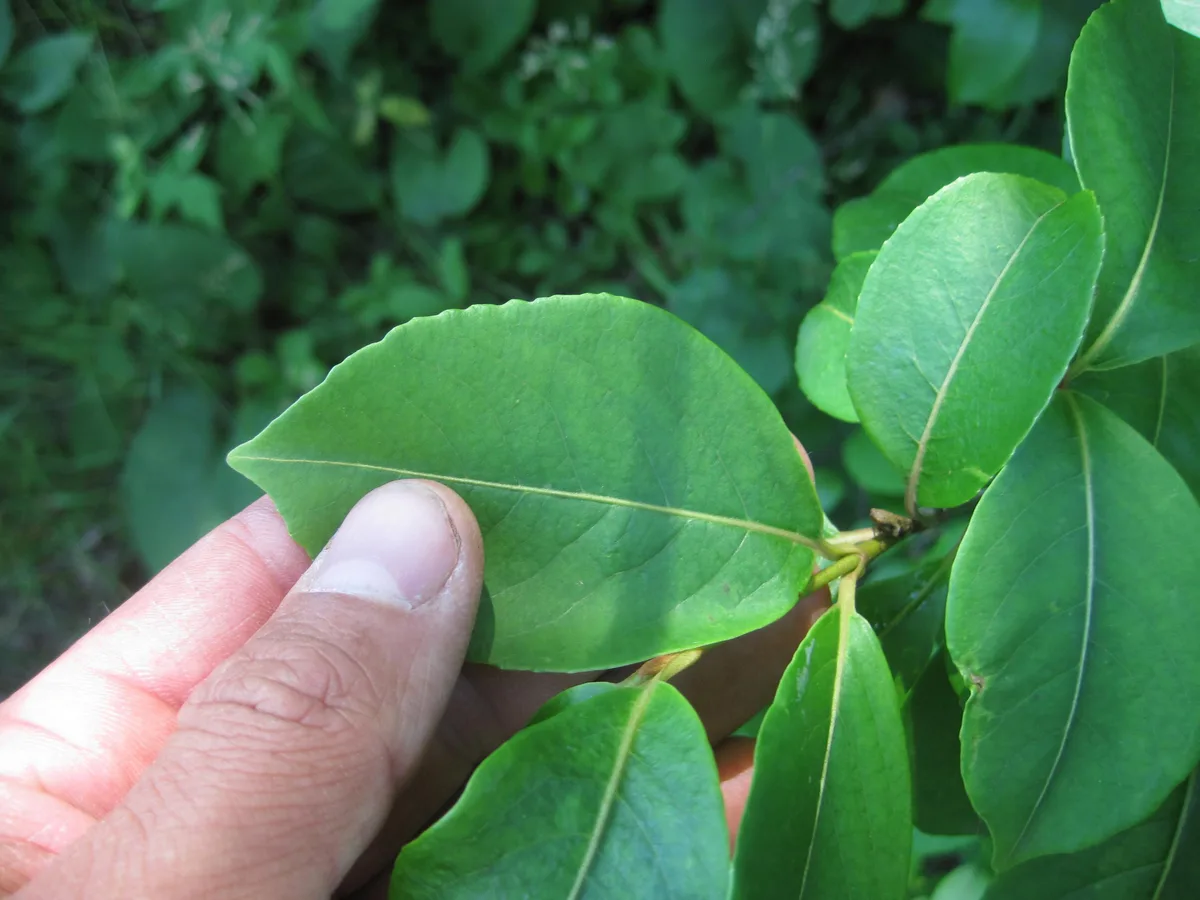
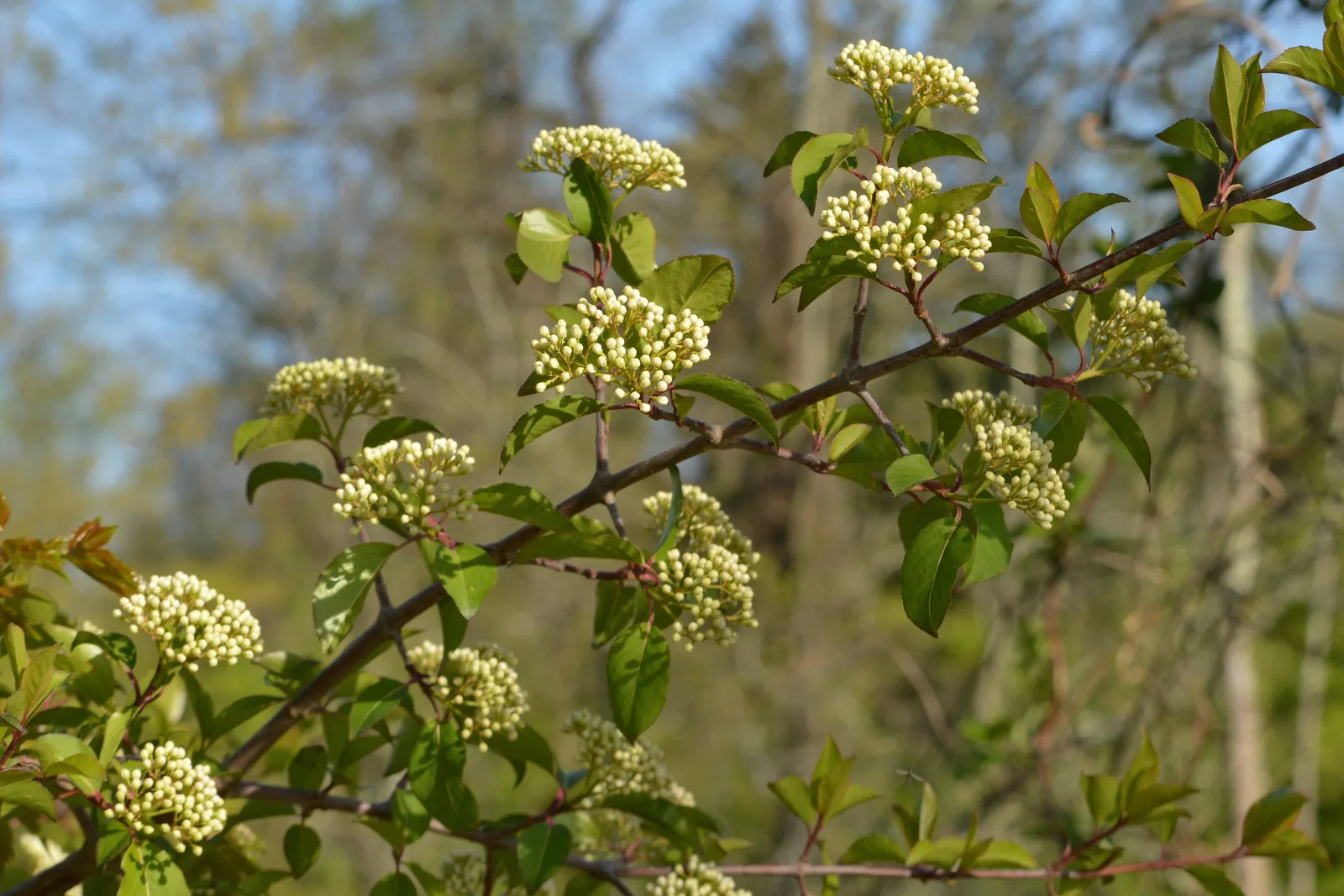
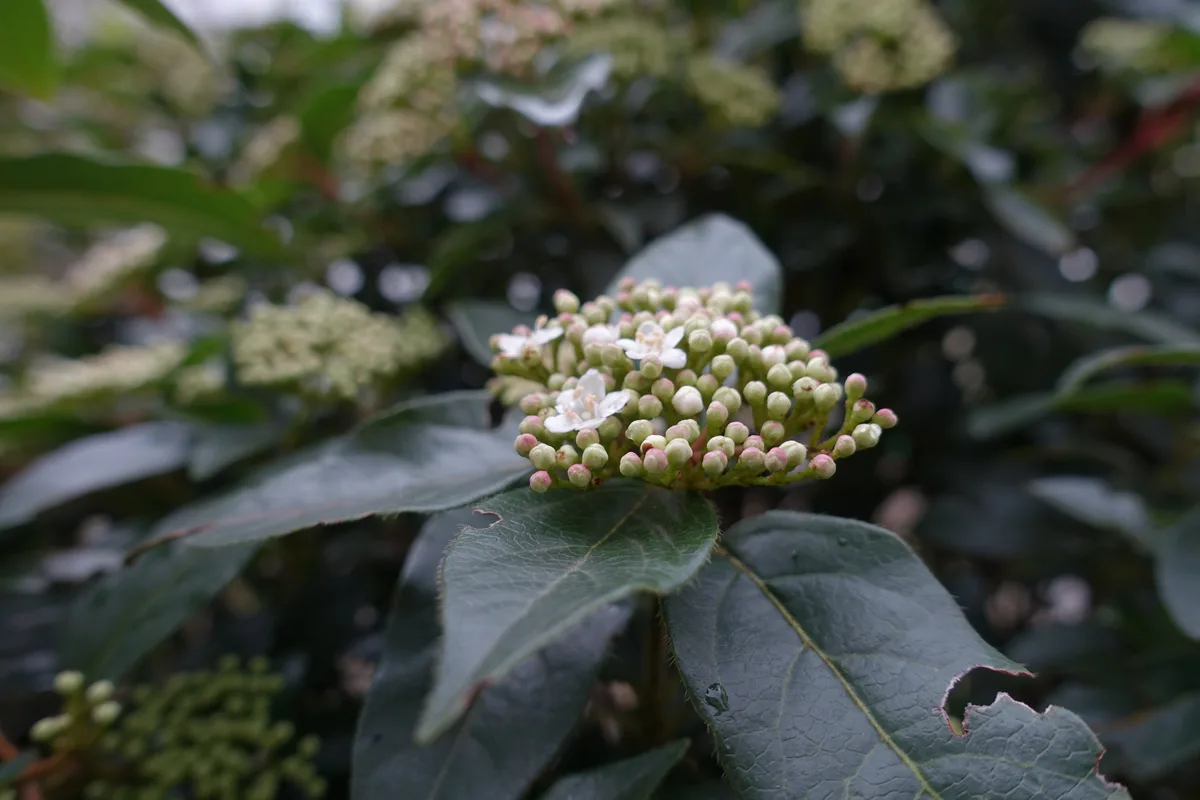
Plant reference images showing growth stages and identifying features.
Photo info
Photo info
Photo info
How to Grow Elderberry
Elderberry growing information includes sunlight requirements of Full sun to partial shade, soil conditions listed as Fertile, moisture-retentive, well-drained loam rich in organic matter with a soil pH of 5.5-6.5, and Moderate to high; elderberry performs best with consistent soil moisture, especially during establishment, flowering, and fruit development, while prolonged waterlogging should be avoided water needs. The listed hardiness zones are 3-9. For propagation reference, the database lists germination or establishment information for Elderberry as Elderberry seed can be slow and irregular to germinate because of dormancy; seed propagation commonly requires warm and cold stratification and may take many months, with planting or establishment depth listed as Sow prepared elderberry seed shallowly, about 1/4 inch deep, in a moist, well-drained medium. Days to maturity are listed as Vegetatively propagated elderberries can begin producing useful crops within about 2-3 years under favorable conditions, while seed-grown plants generally take longer.
Plant Overview
Elderberry (Sambucus canadensis) is listed in the Adoxaceae family and categorized as a fruit with a perennial shrub life cycle. This profile summarizes growing information for hardiness, light, soil, water, seed starting, maturity, and other available cultivation details. Difficulty is listed as Easy.
- Plant ID
- PLT-0120
- Family
- Adoxaceae
- Plant type
- Fruit
- Life cycle
- Perennial shrub
- Growth habit
- Fast-growing deciduous multi-stemmed shrub that spreads gradually by suckers and forms a broad colony or thicket
- Mature height
- Commonly about 5-12 feet tall, depending on cultivar, pruning, and growing conditions
- Mature spread
- Commonly about 6-12 feet wide, with plants capable of spreading farther through suckering if unmanaged
- Difficulty
- Easy
Growing Conditions
Elderberry is listed for full sun to partial shade conditions. Water needs are listed as moderate to high; elderberry performs best with consistent soil moisture, especially during establishment, flowering, and fruit development, while prolonged waterlogging should be avoided. The database soil reference is Fertile, moisture-retentive, well-drained loam rich in organic matter. The listed soil pH range is 5.5-6.5, and the listed hardiness range is 3-9.
- Hardiness zones
- 3-9
- Sunlight
- Full sun to partial shade
- Soil
- Fertile, moisture-retentive, well-drained loam rich in organic matter
- Soil pH
- 5.5-6.5
- Water needs
- Moderate to high; elderberry performs best with consistent soil moisture, especially during establishment, flowering, and fruit development, while prolonged waterlogging should be avoided
- Plant spacing
- Allow roughly 6-10 feet between plants for full-size shrubs, with closer spacing possible in managed rows or hedges
Seed & Germination
For propagation, the database note is elderberry seed can be slow and irregular to germinate because of dormancy; seed propagation commonly requires warm and cold stratification and may take many months. Planting-depth guidance: Sow prepared elderberry seed shallowly, about 1/4 inch deep, in a moist, well-drained medium. The listed time to maturity is Vegetatively propagated elderberries can begin producing useful crops within about 2-3 years under favorable conditions, while seed-grown plants generally take longer. Use these values as general reference points and adjust for local climate, seed source, and growing conditions.
- Germination
- Elderberry seed can be slow and irregular to germinate because of dormancy; seed propagation commonly requires warm and cold stratification and may take many months
- Germination temperature
- Elderberry seed dormancy is commonly treated with alternating warm and cold stratification before sowing; after stratification, mild growing temperatures and consistent moisture support germination
- Seed depth
- Sow prepared elderberry seed shallowly, about 1/4 inch deep, in a moist, well-drained medium
- Sowing method
- Seeds may be sown after appropriate stratification, but fruiting cultivars are commonly established from rooted hardwood or softwood cuttings, suckers, or nursery plants
- Start indoors
- Stratified elderberry seed can be started in containers, while cuttings may be rooted under protected conditions before planting outdoors
- Transplanting
- Transplant elderberries while dormant or during mild weather, set plants at approximately their previous growing depth, water thoroughly, and maintain consistent moisture while roots establish
Harvest & Propagation
- Days to maturity
- Vegetatively propagated elderberries can begin producing useful crops within about 2-3 years under favorable conditions, while seed-grown plants generally take longer
- Harvest
- Harvest entire fruit clusters when nearly all berries have turned deep purple to black and are fully ripe; remove berries from the stems before processing
- Propagation
- Elderberry is readily propagated from hardwood or softwood cuttings, suckers, division, or seed; named cultivars are best maintained vegetatively
- Seed saving
- Collect seed from fully ripe berries, remove and wash away the pulp, then prepare the seed for dormancy-breaking stratification; seedlings may differ genetically from the parent plant
- Pollination
- Flowers are insect-pollinated; planting two genetically distinct elderberry cultivars that bloom at the same time generally improves fruit set and yield
Garden Information
- Common pests
- Aphids, spider mites, elder shoot borers, Japanese beetles, scale insects, spotted-wing drosophila, and fruit-feeding birds
- Common diseases
- Powdery mildew, leaf spots, cankers, rusts, root rots, and other fungal diseases favored by poor airflow or prolonged wet conditions
- Uses
- Cooked berries for syrups, jams, jellies, pies, sauces, wine, and other preserves; flowers are also used in beverages and culinary preparations
Related Plants
Find, buy, swap, or sell Elderberry
One World One Seed connects this plant profile to community sellers, plant swaps, storefronts, and participating garden retailers.
Growing Reference Note
Plant performance can vary with climate, soil, weather, cultivar, seed quality, and gardening methods. The values on this page are general database reference ranges rather than a substitute for local extension guidance or seed-packet instructions.