Growing Parsley From Seed
Parsley is a biennial herb usually grown for its leaves during the first season. It grows well from seed but is known for relatively slow and sometimes uneven germination. Patience, steady moisture, strong light after emergence, and careful weed control help seedlings become productive plants in beds or containers.
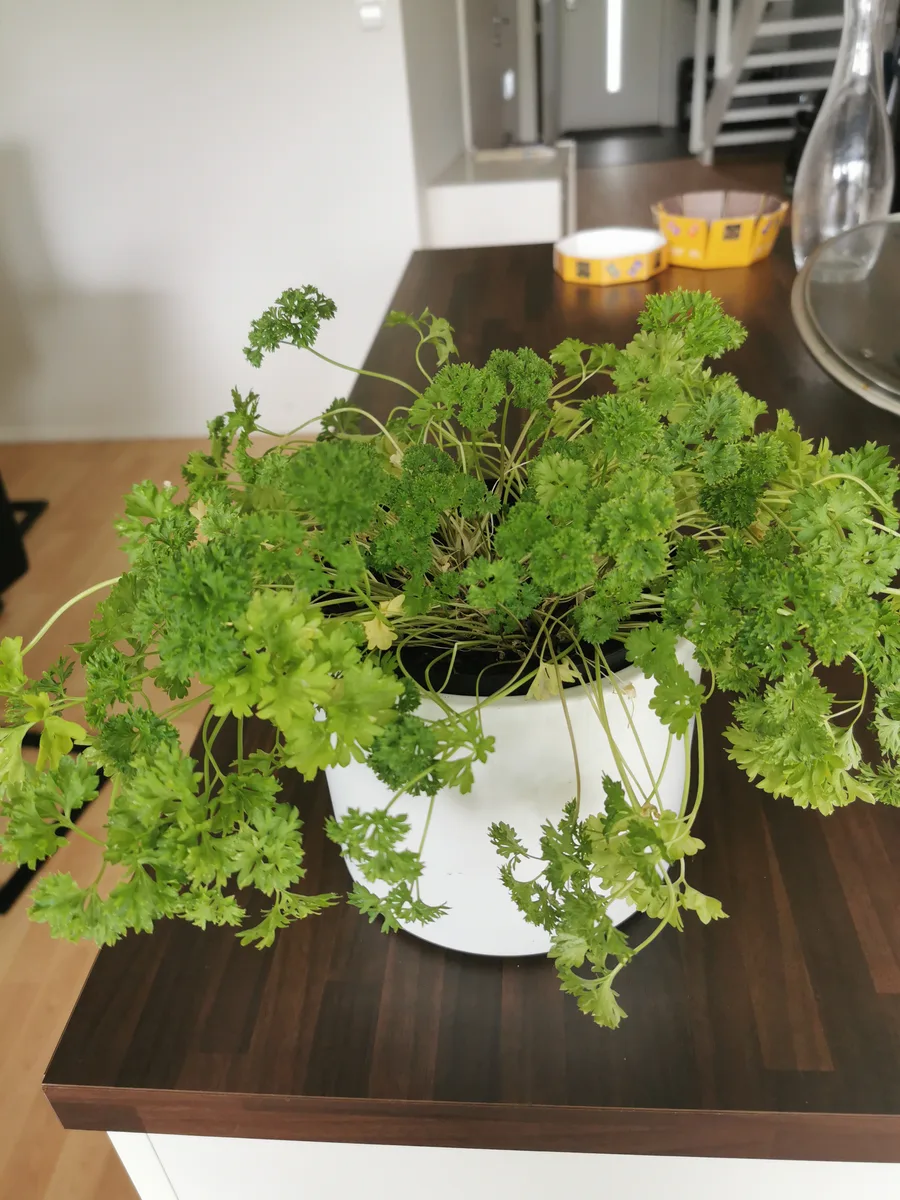

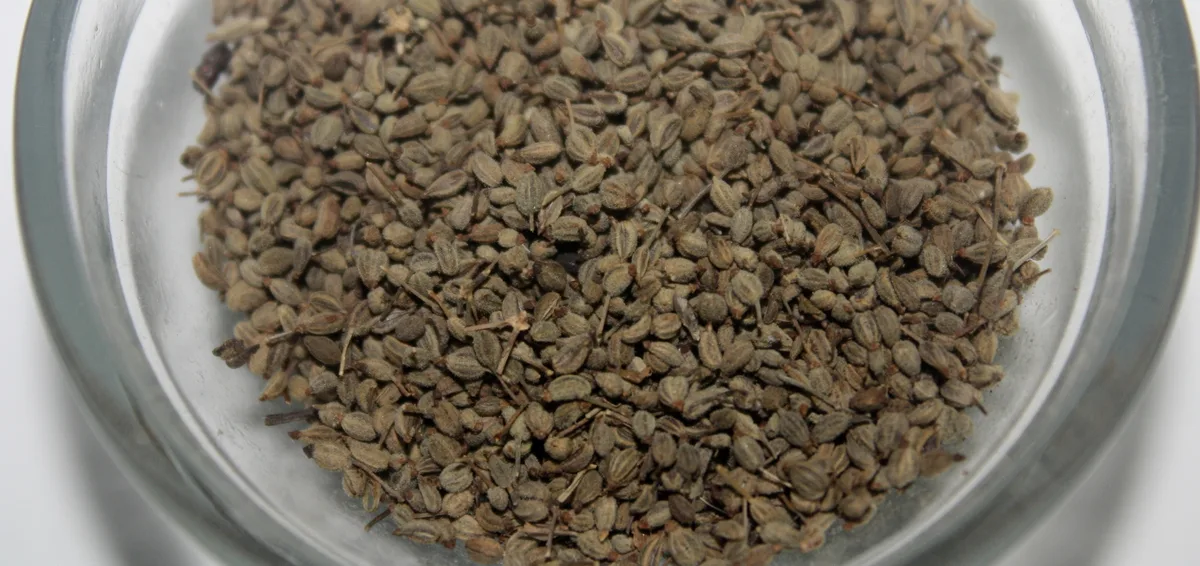
.JPG)
Explore the Parsley plant profile →
On this page
Choose a parsley type
Choose a Parsley Type
Curly parsley and flat-leaf parsley differ in leaf shape, texture, flavor, and growth habit.
Use Fresh Seed
Properly stored seed generally germinates more reliably than very old seed exposed to heat or moisture.
Expect Germination to Take Time
Parsley often emerges more slowly than many annual herbs, so do not assume failure after only a short wait.
Soaking May Be Used Carefully
Some gardeners soak parsley seed before sowing, but the seed should not be left in stagnant water indefinitely.
Sow seeds
Use a Clean Seed-Starting Mix
A light, well-drained medium provides moisture while maintaining air around young roots.
Sow at Packet Depth
Follow the seed supplier's recommended depth rather than burying parsley seed too deeply.
Keep the Seed Zone Moist
Slow-germinating seed should not repeatedly dry out during the waiting period.
Label the Tray Clearly
Mark the variety and sowing date so the tray is not mistaken for failed seed.
Care for seedlings
Provide Strong Light After Emergence
Once seedlings appear, bright light helps keep them compact and sturdy.
Provide Gentle Air Movement
Air circulation reduces stagnant humidity around indoor seedlings.
Thin Crowded Seedlings
Give each plant enough root and leaf space before heavy competition develops.
Pot Up if Needed
If seedlings remain indoors for an extended period, move them into larger containers before roots become badly crowded.
Transplant outdoors
Harden Off Before Transplanting
Gradually expose seedlings to outdoor sun, wind, and temperature changes.
Direct Sow When Conditions Fit
Parsley can also be seeded directly into prepared garden soil if the seedbed can be kept consistently moist during germination.
Choose Sun or Partial Shade
Parsley grows well with good light and can tolerate some shade, particularly in warm climates.
Use Well-Drained Soil
Roots need consistent moisture but should not remain in continuously saturated ground.
Grow and care
Prepare Soil Before Planting
Loose soil with useful organic matter supports root growth and makes weeding easier.
Water During Establishment
Young parsley needs dependable moisture while roots develop.
Water Established Plants as Needed
Check the root zone during dry periods and avoid allowing severe repeated wilting.
Use Mulch After Plants Establish
A light mulch can conserve moisture and reduce weed pressure.
Control Weeds Early
Because parsley seedlings grow slowly at first, fast-growing weeds can easily overtake them.
Weed Carefully Around the Crown
Pull nearby weeds gently so shallow parsley roots and the central growing point are not disturbed unnecessarily.
Harvest leaves
Harvest Outer Stems First
Cut mature outer leaf stems near the base while leaving healthy central growth to continue developing.
Avoid Stripping the Entire Plant
Leaving enough foliage allows parsley to recover and continue producing new leaves.
Harvest Regularly
Frequent moderate harvests can keep plants productive through favorable weather.
Remove Flower Stalks if Leaves Are the Goal
Once parsley enters its flowering stage, leaf quality and growth habit change. Gardeners growing only for foliage may replace bolting plants.
Watch for Caterpillars
Some butterfly caterpillars feed on parsley. Gardeners may choose to tolerate some feeding in wildlife-friendly plantings.
Protect Small Plants From Heavy Feeding
Young seedlings can be overwhelmed more easily than mature plants.
Watch for Leaf Disease
Spots, discoloration, or decline may become more common where foliage remains crowded and wet.
Improve Airflow Around Dense Plants
Thin crowded growth or neighboring weeds so leaves are not packed into a continuously damp mass.
Containers
Grow Parsley in Containers
Parsley grows well in pots with adequate depth, drainage, sunlight, and regular watering.
Use a Container With Root Room
Parsley develops a substantial root system, so very shallow containers can restrict growth.
Check Containers During Hot Weather
Potted parsley may dry more quickly than in-ground plants and can require more frequent moisture checks.
Expect Flowering in the Second Cycle
Parsley is biennial and typically sends up flower stalks after experiencing seasonal cold and entering its second growth cycle.
Allow Flowers for Beneficial Insects
Parsley flowers can attract small pollinators and beneficial insects when mature plants are allowed to bloom.
Save seed
Save Seed After It Matures
For seed saving, allow flower clusters to mature and dry before collecting seed.
Dry Seed Before Storage
Finish drying collected seed in a protected location before sealing it in a labeled container.
Keep Variety and Harvest Records
Record the parsley type, seed source, sowing date, and harvest year so future plantings can be compared.
Practical Takeaway
Grow parsley from seed with patience, steady moisture, and strong light. Keep slow young seedlings free of weeds, harvest mature outer stems while protecting the center, and provide adequate root space in beds or containers.