Growing Basil From Seed
Basil is a warm-season herb that grows readily from seed when it receives warmth, light, even moisture, and protection from cold. Starting basil indoors can provide earlier plants, while direct sowing works well once outdoor conditions are reliably warm. Good spacing, regular harvest, and careful watering help plants remain productive.
Basil at a glance
- Sunlight
- Full sun
- Germination
- 5–10 days
- Seed depth
- ¼ inch
- Plant spacing
- 8–12 inches
Growing conditions vary by variety and climate. See the full basil profile →


Explore the Basil plant profile →
On this page
Plan and sow
Choose a Basil Variety
Sweet basil, Thai basil, lemon basil, purple basil, and other types differ in flavor, color, plant size, flowering behavior, and growth habit.
Use Fresh Seed
Good-quality seed with a known variety name gives more predictable germination and plant characteristics.
Start Indoors for an Earlier Crop
Basil can be started in trays or small containers before outdoor conditions become warm enough for planting.
Use a Clean Seed-Starting Mix
A light, well-drained mix holds moisture around germinating seed while maintaining air spaces for young roots.
Sow Basil Shallowly
Cover the seed lightly according to packet directions rather than burying it deeply.
Keep the Seed Zone Moist
Do not allow freshly sown basil seed to dry repeatedly during germination. Moist does not mean saturated.
Provide Warm Conditions
Basil is sensitive to cold and generally germinates and grows best under warm conditions.
Care for seedlings
Provide Strong Light After Emergence
Seedlings need bright light to remain compact. Weak light can produce thin, stretched stems.
Keep Lights Close Enough to Be Effective
When using grow lights, position them according to the fixture manufacturer and plant response so seedlings receive adequate intensity without heat injury.
Provide Air Movement
Gentle airflow helps strengthen seedlings and reduces prolonged surface moisture.
Thin Crowded Seedlings
Remove or separate excess seedlings so remaining plants have room for light, roots, and airflow.
Pot Up When Needed
If basil will remain indoors for an extended period, move seedlings into larger containers before roots become severely crowded.
Harden Off Before Planting Outside
Gradually expose indoor-grown seedlings to outdoor sun, wind, and temperature changes before permanent transplanting.
Plant outdoors
Wait for Warm Outdoor Conditions
Basil dislikes cold soil and frost. Plant outside only when local conditions are suitable for a warm-season herb.
Choose a Sunny Site
Basil generally performs best with strong light, though very hot climates may benefit from some protection during the harshest afternoon conditions.
Use Well-Drained Soil
Roots grow poorly in soil that stays saturated. Improve drainage where water remains standing after rain or irrigation.
Space Plants for Airflow
Avoid packing basil so tightly that foliage remains crowded and damp.
Direct Sow When Conditions Are Warm
Basil can be seeded directly into prepared garden soil after cold conditions have passed and the soil is warm enough for reliable emergence.
Keep Direct-Sown Rows Moist
Because seed is shallow, the surface may need frequent checks until seedlings become established.
Keep plants healthy
Water the Root Zone
Apply water when needed and avoid keeping the soil continuously saturated.
Use Mulch After Plants Establish
A light organic mulch can reduce evaporation, suppress weeds, and limit soil splash.
Control Weeds Early
Young basil competes poorly with large weeds. Remove weeds before they overtake seedlings.
Pinch Growing Tips
Pinching encourages branching and can produce a fuller plant with more harvestable shoots.
Harvest basil
Harvest Regularly
Frequent cutting encourages continued leafy growth when plants are healthy and actively growing.
Harvest Above a Leaf Pair
Cutting just above a healthy pair of leaves can encourage new side shoots to develop below the cut.
Avoid Removing Too Much at Once
Leave enough healthy foliage for the plant to keep photosynthesizing and recovering after harvest.
Remove Flower Buds for Leaf Production
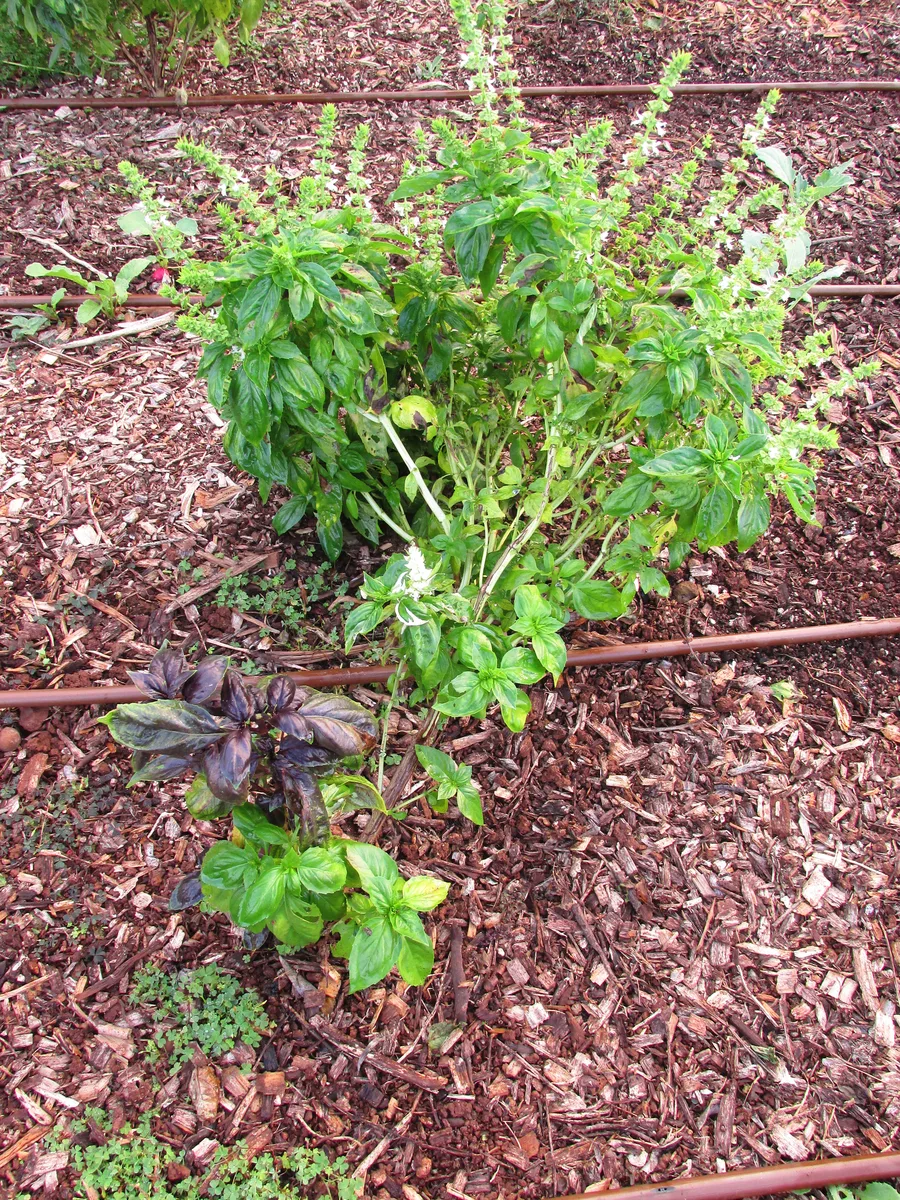
If the goal is continued leaf harvest, pinch flower shoots before extensive blooming. Allow selected plants to flower if saving seed or supporting pollinators.
Watch for Heat and Drought Stress
Containers and shallow beds can dry quickly in hot weather. Check root-zone moisture rather than waiting for severe wilt.
Watch for Pests and Leaf Damage
Inspect leaves regularly so chewing insects, sap feeders, or disease symptoms can be noticed early.
Watch for Cold Damage
Cool nights can slow basil dramatically, while frost can kill tender growth. Protect plants or harvest before damaging cold arrives.
Containers and seed saving
Grow Basil in Containers
Basil adapts well to containers when pots provide enough root room, drainage, strong light, and regular watering.
Keep Container Plants From Drying Severely
Potted basil can lose moisture rapidly during hot weather. Check containers separately from in-ground plants.
Save Seed From Open-Pollinated Basil Carefully
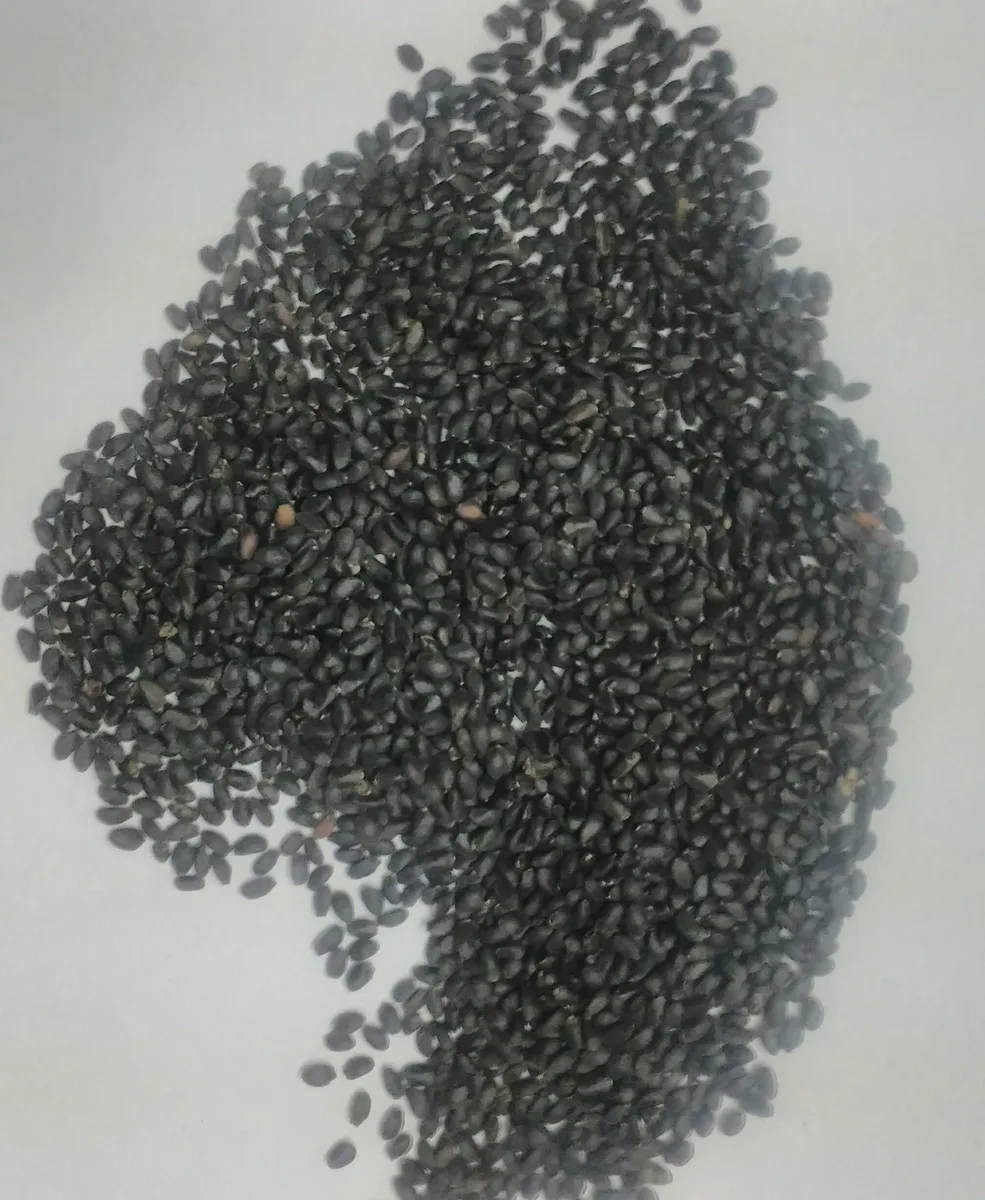
If seed saving is planned, identify the variety, allow flower heads to mature, and consider the possibility of cross-pollination with compatible basil nearby.
Keep Variety Records
Record which basil types perform best for flavor, harvest length, heat tolerance, and disease resistance in your garden.
Practical Takeaway
Grow basil from shallowly sown seed in warm conditions, provide strong light after emergence, transplant only after cold weather passes, and maintain productivity with proper spacing, watering, pinching, and regular harvest.