Growing Cilantro From Seed
Cilantro is a fast-growing cool-season herb whose leaves and mature seeds are both useful. The leafy stage is called cilantro in many culinary contexts, while the dried seeds are known as coriander. Because plants can flower quickly in heat, successful growing depends heavily on seasonal timing, direct sowing, steady moisture, and repeated plantings.
.jpg)
.jpg)
Explore the Cilantro plant profile →
On this page
Choose a variety
Choose a Cilantro Variety
Some varieties are selected for slower flowering, larger leaves, or seed production. Choose according to whether the main goal is foliage or coriander seed.
Use Fresh Seed
Good-quality seed improves the chance of an even stand and makes variety characteristics more predictable.
Direct sow
Direct Sow When Practical
Cilantro develops a taproot and is commonly sown directly where it will grow rather than transplanted after becoming large.
Use Loose Well-Drained Soil
Prepare soil so roots can penetrate easily without remaining in waterlogged conditions.
Follow Packet Depth Guidance
Plant seed at the recommended depth rather than burying it excessively.
Keep the Seed Zone Moist
Maintain consistent moisture during germination, particularly near the surface where newly sown seed can dry quickly.
Understand the Seed Structure
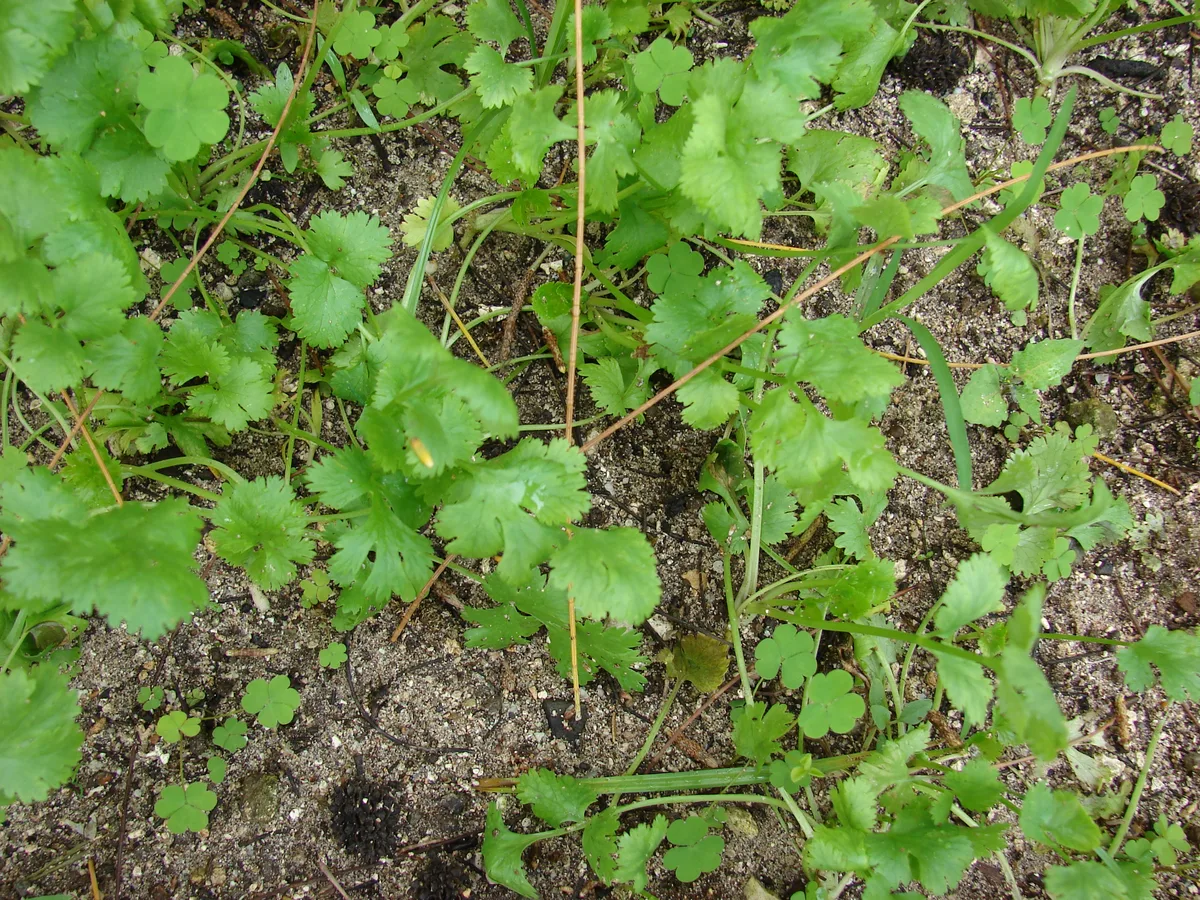
What appears to be one round cilantro seed is a dry fruit that can contain more than one seed, so multiple seedlings may emerge close together.
Thin Severe Crowding
If seedlings emerge too densely, thin them so remaining plants have enough light and root space.
Grow in cool weather
Grow Cilantro in Cool Weather
Cilantro generally produces the best leafy growth during cool or mild conditions rather than intense summer heat.
Heat Encourages Flowering
Warm weather and long days can accelerate bolting, when the plant shifts from leaf production toward flowers and seed.
Use Succession Sowing
Sow small batches at intervals so younger plants can replace older ones as they begin flowering.
Choose a Sunny or Partly Shaded Site
Strong light supports growth, but some afternoon protection can help reduce heat stress in warm climates.
Water Consistently
Repeated drought stress can accelerate poor growth or early flowering. Keep soil reasonably even without saturating it.
Use Mulch After Establishment
A light mulch can reduce moisture loss and help moderate soil temperature around established plants.
Control Weeds Early
Young cilantro can be overtaken by fast-growing weeds. Weed carefully around the developing taproots.
Avoid Heavy Transplant Disturbance
If cilantro is started in containers, move plants while relatively young and disturb the roots as little as possible.
Containers
Grow Cilantro in Containers
Containers can work well when they provide adequate depth, drainage, and regular moisture.
Use a Wider Container for Multiple Plants
A broad pot provides more useful growing area for a small stand than crowding many plants into a narrow container.
Check Containers Frequently
Potted cilantro can dry quickly during warm or windy weather, which may increase stress.
Harvest leaves
Harvest Outer Leaves
Remove mature leaves while leaving enough central growth for the plant to continue producing.
Harvest Whole Young Plants if Desired
Dense sowings can also be thinned by harvesting entire young plants, creating more space for those that remain.
Do Not Expect Bolting to Reverse
Once a plant has shifted strongly into flower production, removing the flower stalk rarely restores a long leafy growth phase.
Allow Flowers for Pollinators
Cilantro flowers attract many small beneficial insects and pollinators when selected plants are allowed to bloom.
Collect and save seed
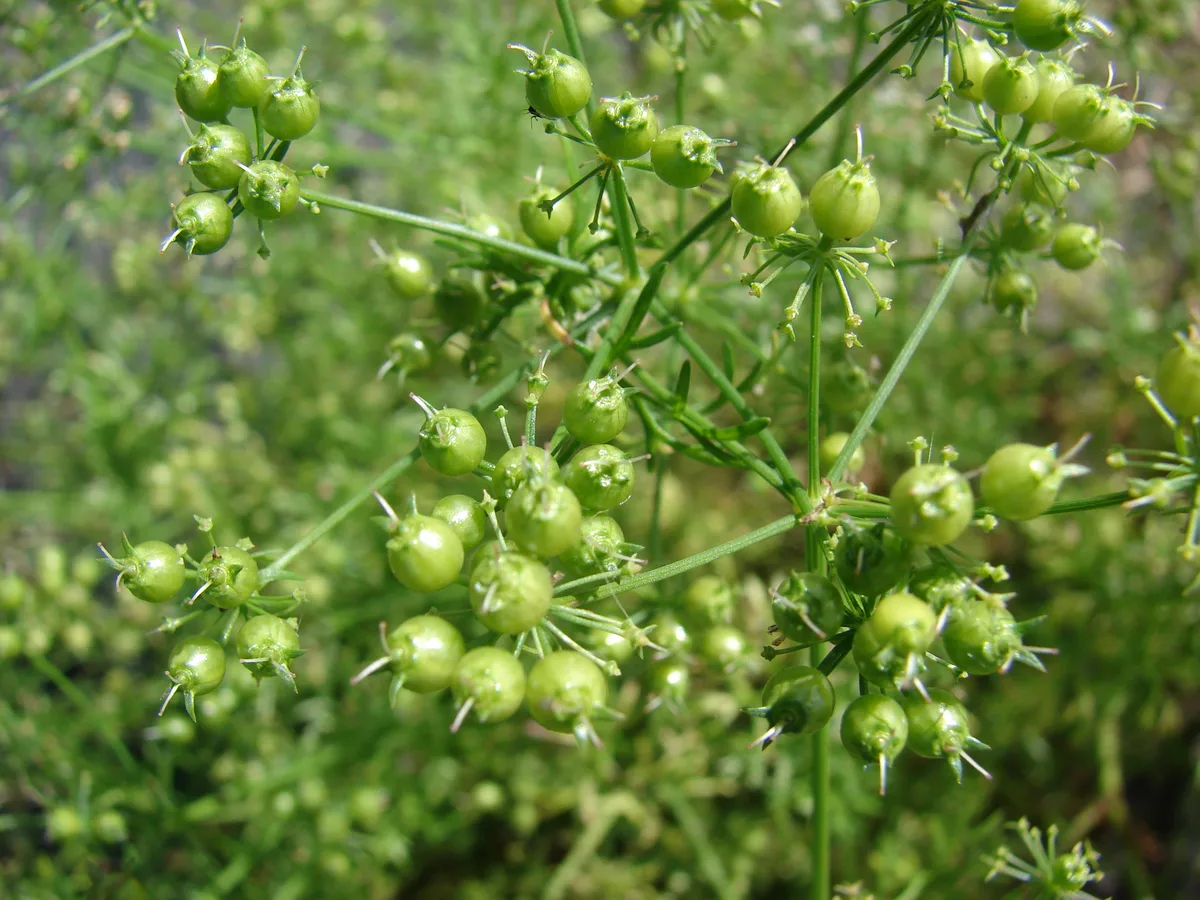
Allow Seed to Mature for Coriander
If harvesting coriander seed, leave flower clusters until seeds develop and begin drying.
Harvest Seed Before Excessive Shattering
Mature seeds can fall from dry stems. Cut seed heads or stalks when they are sufficiently mature but before too much seed is lost.
Finish Drying Seed in a Protected Area
Place harvested stems or seed heads where they can finish drying away from rain and excessive humidity.
Separate Seed From Chaff
Rub or thresh dry seed heads gently, then remove stems and light plant debris before storage.
Store Coriander Seed Dry
Seed intended for planting or culinary storage should be dry before being placed in a labeled container.
Expect Volunteers
Plants allowed to drop mature seed may produce volunteer seedlings when temperature and moisture become favorable again.
Keep Seasonal Notes
Record when plants begin flowering each year. This helps identify the most productive sowing windows for your climate.
Practical Takeaway
Direct sow cilantro during cool or mild weather, keep the seedbed evenly moist, use succession plantings for continued leaf harvest, and allow selected plants to mature if you want coriander seed.