Growing Columbine From Seed
Columbine is a perennial flowering plant known for delicate foliage and distinctive nodding or upright blooms. It can be grown from seed, but germination is often slower and less uniform than many annual flowers. Depending on the species or variety, seed may benefit from a period of cool, moist conditions before germination. Patience, good labeling, appropriate light, and careful moisture management are important when starting columbine.
.JPG)

Explore the Columbine plant profile →
On this page
Choose a columbine
Choose the Right Columbine
Different Aquilegia species and hybrids vary in flower color, height, bloom shape, climate adaptation, and seed-germination behavior.
Check the Seed Packet First
Because germination requirements can differ, follow the instructions supplied for the exact species or variety whenever possible.
Understand Cold Stratification
Many columbines germinate more reliably after a cool, moist period that helps overcome seed dormancy.
Use a Clean Starting Mix
A light, well-drained seed-starting medium helps maintain moisture around the seed while still providing air to developing roots.
Sow seeds
Sow at the Recommended Depth
Columbine seed is small, so avoid burying it deeply unless the packet specifically directs otherwise.
Keep the Seed Zone Moist
Do not allow the surface to dry repeatedly during the germination period, but avoid saturating the mix.
Label the Tray Clearly
Because germination may take time, label each container with the variety and sowing date so it is not discarded accidentally.
Be Patient With Germination
Columbine may emerge more slowly or unevenly than fast-growing annual flowers. Do not assume failure too early.
Care for seedlings
Provide Light After Emergence
Once seedlings appear, give them strong appropriate light so they remain compact rather than stretching toward a distant light source.
Provide Gentle Air Movement
Air circulation helps reduce stagnant humidity and encourages sturdier young plants.
Thin Crowded Seedlings
If several seedlings emerge close together, give them enough space for roots and foliage before serious competition begins.
Pot Up Carefully
Move seedlings into larger containers when roots begin filling their starting cells, handling small roots gently.
Plant outdoors
Harden Off Before Planting Outside
Gradually introduce indoor-grown seedlings to outdoor sun, wind, and temperature changes.
Choose a Suitable Garden Site
Columbine often grows well in sun to partial shade, depending on climate. In hot regions, some afternoon shade can reduce heat stress.
Use Well-Drained Soil
Columbine prefers soil that retains useful moisture without remaining waterlogged around the roots.
Allow Room for Mature Plants
Space plants according to the size of the variety so foliage has adequate airflow and room to expand.
Care for plants
Water During Establishment
Young transplants need dependable moisture while roots spread into surrounding soil.
Use Mulch Carefully
A light organic mulch can conserve moisture and suppress weeds, but keep heavy wet mulch away from the crown.
Control Weeds Early
Remove competing weeds while plants are small so roots have access to available water and nutrients.
Expect the First Bloom to Take Time
Seed-grown perennial columbines may not produce a full display immediately. Some plants bloom more strongly after becoming established.
Flowers and seed
Allow Some Flowers to Set Seed
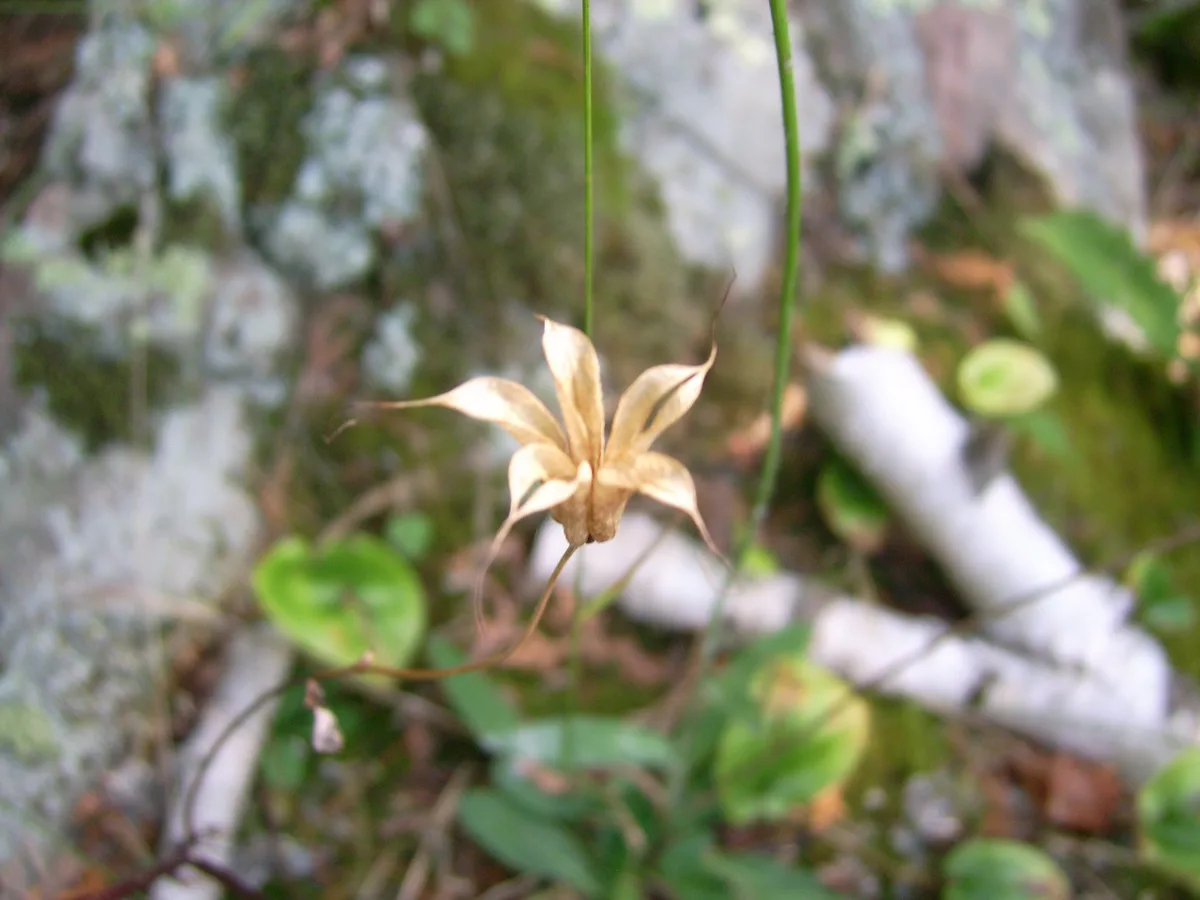
If natural reseeding is desired, leave selected flower stalks in place until seed develops and matures.
Deadhead to Limit Self-Seeding
If unwanted seedlings are a concern, remove spent flowers before mature seed is released.
Expect Seedling Variation
Hybrid columbines may produce offspring with flower colors or forms different from the parent plant.
Watch for Leaf Miners
Columbine foliage can show pale winding tunnels caused by leaf-mining insects. Damage is often cosmetic but should still be monitored.
Watch for problems
Watch for Crown and Root Problems
Persistent wet soil and poor drainage can contribute to decline, especially where the crown remains buried or saturated.
Protect Young Plants From Slugs
Slugs and snails may feed on tender seedlings during damp weather. Inspect damaged plants and nearby hiding places.
Let Mature Plants Naturalize Carefully
Columbine can reseed successfully in favorable garden sites. Remove unwanted volunteers before they become established if spread is excessive.
Keep Variety Records
Record which types germinate best, bloom reliably, and tolerate local summer or winter conditions.
Practical Takeaway
Grow columbine from seed with patience, suitable stratification when required, steady moisture, strong light after emergence, and careful establishment in a well-drained site with appropriate sun exposure.