Growing Calendula From Seed
Calendula is an easy-to-grow flowering annual commonly started from seed for bright orange or yellow blooms. It performs especially well during mild or cool weather and can be grown in beds, borders, containers, and pollinator gardens. Direct sowing is simple, though indoor starts can provide earlier flowers where the growing season is short.
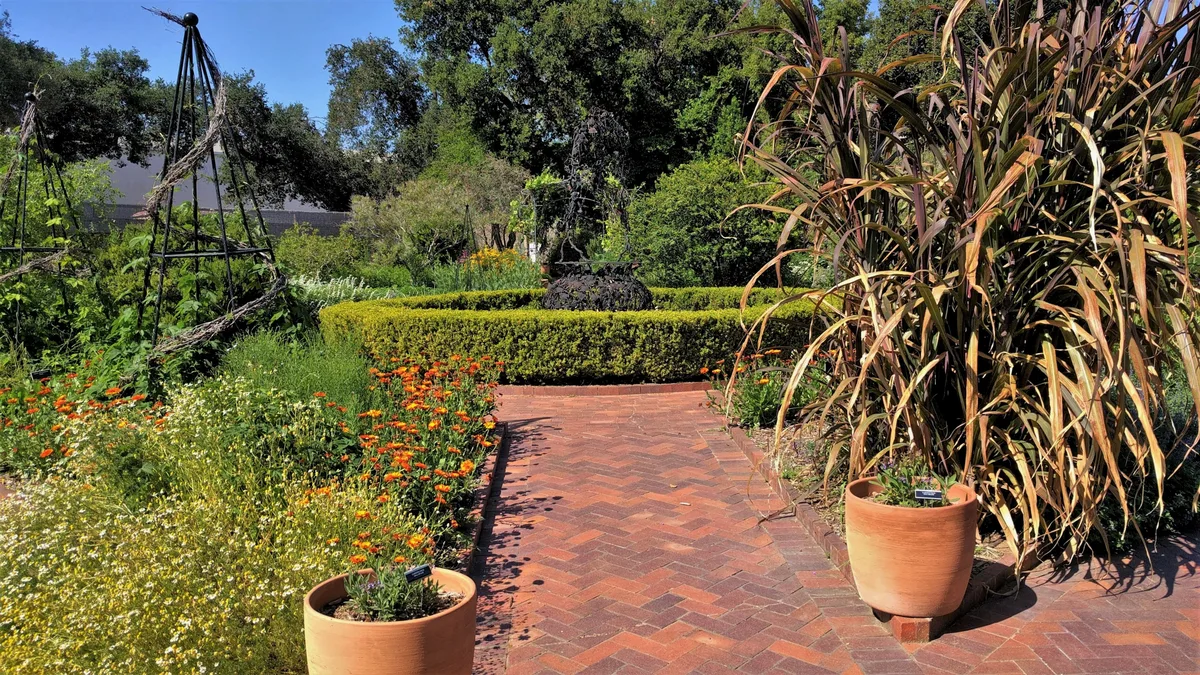

Explore the Calendula plant profile →
On this page
Choose a variety
Choose a Calendula Variety
Varieties differ in flower color, plant height, bloom form, and growth habit. Choose a type suited to the garden space and intended use.
Use Fresh Seed
Healthy seed from a known variety helps provide more predictable germination and flower characteristics.
Sow seeds
Direct Sow When Conditions Are Mild
Calendula is commonly sown directly into prepared soil during cool or moderate weather.
Start Indoors for Earlier Flowers
In colder climates, indoor sowing can produce established seedlings ready to transplant when outdoor conditions improve.
Use a Light Seed-Starting Mix
A clean, well-drained mix helps indoor seedlings develop roots without remaining waterlogged.
Follow Packet Depth Guidance
Sow calendula at the depth recommended for the variety instead of using one depth for every flower seed.
Keep the Seed Zone Moist
Maintain consistent moisture during germination without leaving the soil saturated.
Provide Strong Light After Emergence
Seedlings grown indoors need bright light to avoid becoming thin and stretched.
Care for seedlings
Thin Crowded Seedlings
Remove or transplant extras so remaining plants have room for roots, branching, and airflow.
Harden Off Indoor Seedlings
Gradually introduce seedlings to outdoor sun, wind, and temperature changes before permanent planting.
Plant outdoors
Choose a Sunny Location
Calendula generally flowers best with good light, although some protection from intense afternoon heat may be helpful in very warm climates.
Use Well-Drained Soil
Calendula tolerates a range of soils but performs poorly where roots remain continuously waterlogged.
Avoid Excessive Fertility
Very rich conditions can encourage lush foliage at the expense of balanced flowering. Fertilize according to actual soil needs.
Space Plants for Airflow
Adequate spacing helps leaves dry and reduces excessive competition between neighboring plants.
Water During Establishment
Young plants need dependable moisture while their roots spread into surrounding soil.
Care for plants
Reduce Watering Once Established
Established calendula can tolerate moderate drying better than newly germinated seedlings, though prolonged drought may reduce flowering.
Use Mulch Carefully
A light mulch can conserve moisture and suppress weeds, but avoid burying young stems or crowns.
Control Weeds Early
Weeds compete most strongly while calendula plants are still small. Remove them before they become established.
Deadhead to Extend Flowering
Removing faded blooms can encourage additional flower production while plants remain healthy and weather is suitable.
Leave Some Flowers for Seed
If saving seed, allow selected flower heads to mature and dry rather than removing every spent bloom.
Watch for Heat Stress
Calendula often slows or declines during intense summer heat, particularly in climates with hot nights.
Use Seasonal Timing to Extend Bloom
In mild climates, calendula may perform best in fall, winter, or spring rather than during the hottest part of summer.
Watch for Aphids
Aphids may gather on tender growth or flower stems. Inspect plants regularly so infestations can be addressed early.
Watch for Fungal Problems
Crowded foliage, prolonged moisture, and poor airflow can encourage leaf diseases. Provide spacing and avoid unnecessary leaf wetness.
Containers and later care
Grow Calendula in Containers
Calendula adapts well to containers when pots provide drainage, adequate root space, and enough sunlight.
Check Containers More Often
Container soil dries faster than garden ground, so potted plants may require more frequent moisture checks.
Allow Pollinators Access
Open flowers attract bees and other insects when plants are grown where pollinators can reach them.
Save seed
Save Mature Seed
Calendula seed develops in curved structures around the flower center. Collect it after the heads mature and dry.
Dry Seed Before Storage
Spread harvested seed in a dry, protected location before sealing it in a labeled container.
Expect Some Self-Seeding
Plants allowed to drop mature seed may produce volunteer seedlings when conditions become favorable.
Practical Takeaway
Grow calendula from seed during mild weather, provide good light and drainage, keep young plants evenly moist, deadhead for continued bloom, and allow selected flowers to mature if you want to save seed.