Growing Cosmos From Seed
Cosmos are fast-growing annual flowers that are easy to start from seed and can provide a long season of colorful blooms. They perform best with plenty of sun, well-drained soil, and moderate fertility. Too much fertilizer can produce large leafy plants with fewer flowers, so simple garden conditions often suit cosmos better than heavily enriched beds.
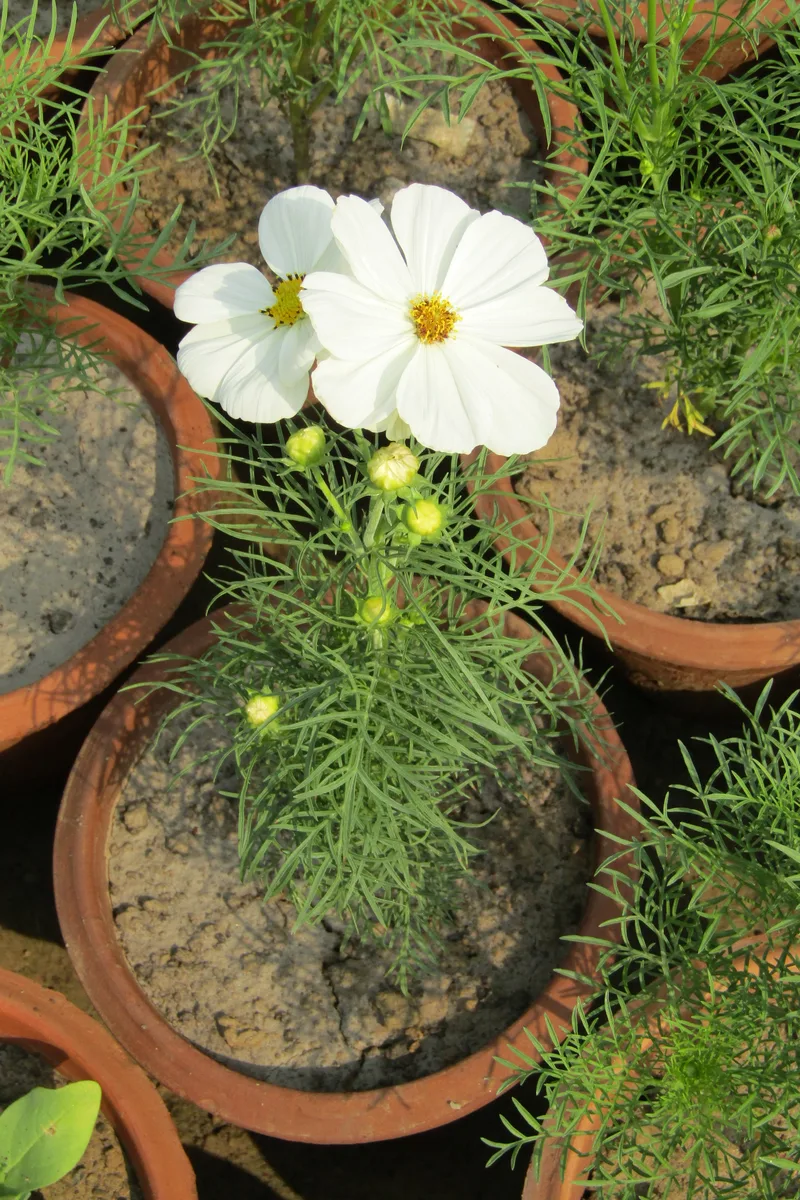



Explore the Cosmos plant profile →
On this page
Choose a variety
Choose a Cosmos Variety
Cosmos varieties differ in flower color, plant height, bloom shape, and mature size. Tall types may need more room or support than compact varieties.
Sow seeds
Direct Sow When Conditions Are Warm
Cosmos can be sown directly into prepared garden soil after the danger of damaging cold has passed.
Start Indoors for Earlier Flowers
Indoor sowing can produce transplants ready to bloom sooner in areas with short growing seasons.
Use a Light Seed-Starting Mix
A clean, well-drained mix helps indoor seedlings develop roots without remaining waterlogged.
Sow at Packet Depth
Follow the seed supplier's planting depth and avoid burying seed excessively.
Keep the Seed Zone Moist
Maintain consistent moisture until seedlings emerge, then allow appropriate drying between waterings.
Provide Strong Light After Emergence
Cosmos seedlings grow quickly and can stretch if light levels are inadequate.
Provide Air Movement
Gentle airflow can help produce stronger stems and reduce stagnant conditions around young plants.
Care for seedlings
Thin Crowded Seedlings
Give seedlings enough space for roots and foliage instead of allowing dense clusters to compete.
Harden Off Indoor Starts
Gradually expose seedlings to outdoor sun, wind, and temperature changes before planting them permanently.
Plant outdoors
Choose Full Sun
Cosmos generally flower most heavily in strong direct light.
Use Well-Drained Soil
Roots perform poorly in soil that remains saturated for long periods.
Avoid Excessive Fertilizer
Rich soil and heavy nitrogen can encourage lush foliage and tall stems while reducing flower production.
Do Not Over-Amend the Bed
Where garden soil already drains well and supports healthy growth, large fertilizer additions are often unnecessary for cosmos.
Space Plants According to Mature Size
Large cosmos varieties can become broad and tall, so adequate spacing improves airflow and access.
Care for flowers
Water During Establishment
Young seedlings and transplants need dependable moisture until roots spread into surrounding soil.
Reduce Watering After Establishment
Mature cosmos often tolerate moderate dry periods once roots are well developed.
Use Mulch Lightly
A modest mulch layer can suppress weeds and reduce moisture loss without keeping crowns excessively wet.
Control Weeds Early
Remove weeds while cosmos plants are still small so they do not compete heavily for light and moisture.
Support Tall Plants if Needed
Very tall varieties may lean or lodge in exposed sites. Stakes, neighboring plants, or a more sheltered location can help.
Avoid Overcrowding Tall Varieties
Dense stands may become tangled and difficult to inspect or deadhead.
Pinch Young Plants for Branching
Some gardeners pinch the growing tip of young cosmos to encourage bushier branching, especially with tall varieties.
Deadhead to Encourage Continued Bloom
Removing fading flowers can redirect growth toward additional flowering while conditions remain favorable.
Leave Some Flowers for Seed
If you want volunteer seedlings or saved seed, allow selected flowers to mature fully.
Flowering and seed
Expect Self-Seeding
Mature seed dropped onto suitable ground can produce new plants in later seasons or favorable weather periods.
Save Dry Seed Heads
Collect mature seed after flower heads dry and seeds become fully developed.
Dry Seed Before Storage
Allow harvested seed to finish drying before placing it in a sealed labeled container.
Expect Variation From Some Hybrids
Saved seed from hybrid or mixed-color populations may produce offspring unlike the original plant.
Watch for Aphids
Aphids may gather on tender growth. Inspect plants early so problems can be addressed before populations become large.
Watch for Stem Damage
Wind, heavy rain, or rough handling can break tall hollow stems, particularly on overgrown plants.
Remove Broken Growth Cleanly
If stems snap during storms, trim damaged tissue rather than leaving badly torn sections attached to the plant.
Use Cosmos in Pollinator Gardens
Open flowers attract many bees, butterflies, and other flower-visiting insects.
Keep Seasonal Notes
Record which sowing dates produce the strongest flowering before local summer heat, storms, or frost end the season.
Practical Takeaway
Grow cosmos from seed in strong sun and well-drained soil, avoid excessive fertilizer, water young plants while they establish, and deadhead regularly if you want a longer flowering period.