Saving Columbine Seeds
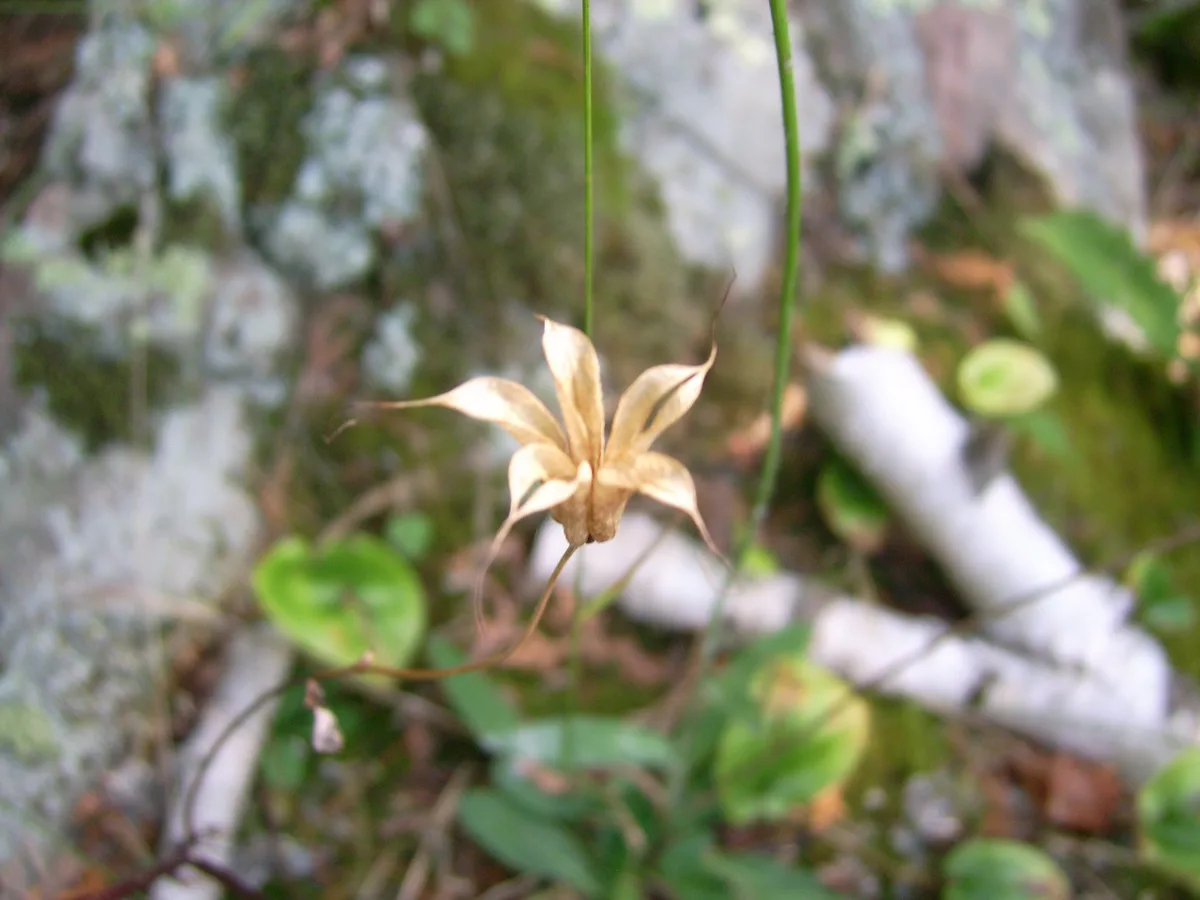
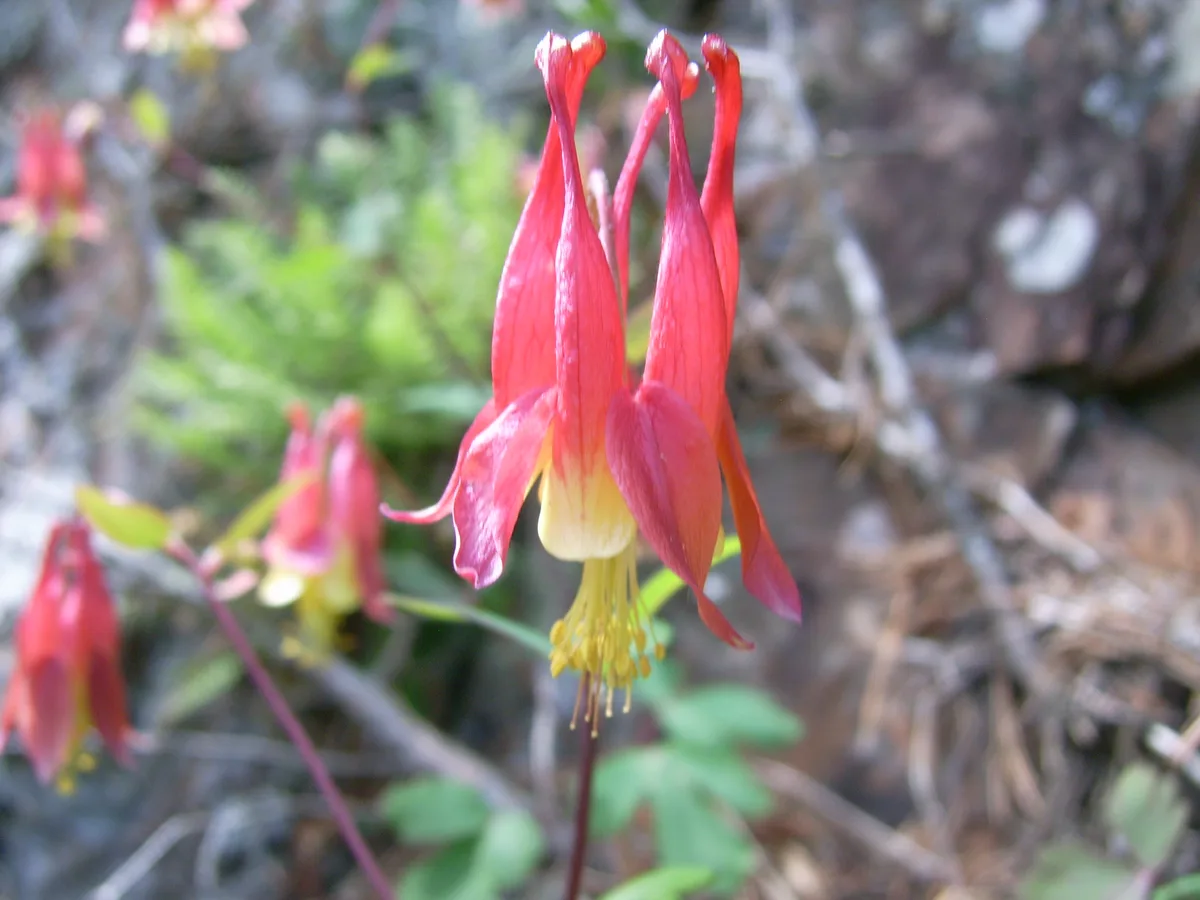
Columbines produce seed in dry pods after their distinctive flowers fade. Seed saving is simple once pods are allowed to mature, but columbines cross readily through pollinator activity, so offspring may differ in flower color, shape, or plant habit when several varieties grow together. Good labeling and careful selection are important when maintaining a particular line.
.JPG)
_1.JPG)
Explore the Columbine plant profile →
On this page
- Identify the Columbine Variety or Species
- Choose Healthy Parent Plants
- Understand That Many Columbines Cross Readily
- Expect Seedling Variation
- Use Isolation When Purity Matters
- Use Bagging for Small Controlled Projects
- Label Selected Seed Plants
- Allow Flowers to Fade Naturally
- Do Not Deadhead Every Flower
- Watch Pods Develop
- Wait for Pods to Mature
- Watch Pods Turn Dry
- Harvest Before Pods Spill Seed
- Check Plants Frequently Near Maturity
- Use Paper Bags or Envelopes
- Keep Varieties Separate During Harvest
- Finish Drying Under Cover
- Do Not Seal Damp Pods in Plastic
- Open Dry Pods Gently
- Work Over a Tray
- Separate Seed From Chaff
- Avoid Strong Airflow
- Inspect Seed Quality
- Dry Cleaned Seed Completely
- Label the Seed Container
- Record Parent Traits
- Store Seed Cool and Dry
- Keep Different Years Separate
- Expect Dormancy Differences
- Use Species-Specific Germination Guidance
- Test Older Seed
- Allow Volunteers if Variation Is Welcome
- Remove Volunteers if Maintaining a Line
- Rogue Clear Off-Types
- Save From Several Plants
- Keep Selection Goals Clear
- Track Generations Over Time
- Practical Takeaway
Identify the Columbine Variety or Species
Different Aquilegia species and hybrids can vary in height, flower form, color, and growth behavior.
Choose Healthy Parent Plants
Select vigorous plants with the flower shape, color, size, and performance you want to preserve.
Understand That Many Columbines Cross Readily
Bees and other pollinators can carry pollen between compatible columbines growing nearby.
Expect Seedling Variation
Saved seed from mixed plantings may produce a wide range of flower colors and forms.
Use Isolation When Purity Matters
Maintaining a named variety true to type may require greater distance or controlled pollination.
Use Bagging for Small Controlled Projects
Selected flower buds can be protected before opening when strict parentage is needed.
Label Selected Seed Plants
Mark plants before flowers fade so desirable parents are not forgotten later.
Allow Flowers to Fade Naturally
Seed pods form after successful pollination and need time to develop fully.
Do Not Deadhead Every Flower
Leave selected blooms on the plant if seed saving is the goal.
Watch Pods Develop
Columbine seed pods become more prominent as flowers dry.
Wait for Pods to Mature
Immature green pods contain seed that may not be ready for storage.
Watch Pods Turn Dry
Mature pods become dry and brown as seed ripens.
Harvest Before Pods Spill Seed
Very dry pods open and release small dark seed readily.
Check Plants Frequently Near Maturity
Seed can be lost quickly once pods begin opening.
Use Paper Bags or Envelopes
Cutting mature pods directly into a container helps catch loose seed.
Keep Varieties Separate During Harvest
Use a separate labeled bag for each intended seed lot.
Finish Drying Under Cover
Allow harvested pods to dry completely in a ventilated protected location.
Do Not Seal Damp Pods in Plastic
Trapped moisture can cause mold and reduce seed quality.
Open Dry Pods Gently
Mature columbine seed releases easily when pods are tipped, rubbed, or broken apart.
Work Over a Tray
The seed is small and can scatter easily on an uncontained work surface.
Separate Seed From Chaff
Use careful hand sorting, fine screens, or gentle winnowing to remove dry pod material.
Avoid Strong Airflow
Columbine seed is light enough to be blown away during aggressive winnowing.
Inspect Seed Quality
Keep mature firm seed and remove obvious debris or badly damaged material.
Dry Cleaned Seed Completely
Spread the seed in a thin layer if there is any uncertainty about residual moisture.
Label the Seed Container
Record species or variety, flower color, harvest year, and any isolation notes.
Record Parent Traits
Notes about flower color, spur length, plant height, bloom time, and vigor can guide later selection.
Store Seed Cool and Dry
Stable low-humidity conditions help preserve viability.
Keep Different Years Separate
Separate lots make future germination tests and comparisons easier.
Expect Dormancy Differences
Some columbine seed germinates more readily after exposure to cool moist conditions.
Use Species-Specific Germination Guidance
Cold-treatment requirements can vary among Aquilegia species and seed lots.
Test Older Seed
A germination test can help determine whether stored seed remains viable.
Allow Volunteers if Variation Is Welcome
Columbines often self-seed and can produce interesting new combinations in mixed plantings.
Remove Volunteers if Maintaining a Line
Unidentified seedlings can become future pollen sources and complicate varietal purity.
Rogue Clear Off-Types
If maintaining a specific variety, remove plants that differ strongly before they contribute pollen.
Save From Several Plants
Using multiple suitable parents can preserve more diversity than saving from a single plant.
Keep Selection Goals Clear
Decide whether you want a stable named line or a diverse population with new color combinations.
Track Generations Over Time
Good records can show how flower traits change through repeated open pollination and selection.
Practical Takeaway
Save columbine seed by leaving selected flowers to form pods, harvesting when pods are dry but before they spill, cleaning and drying the small seed carefully, and expecting cross-pollinated offspring to vary unless controlled isolation is used.