Saving Basil Seeds
Saving basil seed is straightforward once healthy plants are allowed to flower and mature fully. The main challenges are preventing unwanted crossing between varieties, waiting long enough for seed to ripen, and separating tiny mature seed from dry flower material. Good labeling and careful selection help preserve a useful seed line from one season to the next.


Explore the Basil plant profile →
On this page
- Start With Healthy Plants
- Know Whether the Variety Is Open-Pollinated
- Expect Hybrid Offspring to Vary
- Choose Plants Before Flowering
- Allow Selected Plants to Flower
- Understand Basil Pollination
- Separate Varieties When Purity Matters
- Use Time Isolation if Practical
- Use Physical Isolation for Small Projects
- Label Seed Plants Clearly
- Do Not Harvest Seed Too Early
- Watch Flower Spikes Change
- Check Individual Seed Structures
- Harvest on a Dry Day
- Cut Whole Seed Stalks
- Use Paper Bags for Final Drying
- Do Not Seal Damp Stalks in Plastic
- Finish Drying Before Threshing
- Thresh Gently
- Use a Tray or Bowl
- Separate Seed From Chaff
- Avoid Blowing Away Good Seed
- Inspect Seed Quality
- Dry Cleaned Seed Again if Needed
- Label the Seed Container
- Record the Parent Plant Traits
- Store Seed Cool and Dry
- Protect Seed From Insects
- Keep Different Years Separate
- Test Older Seed Before Planting
- Expect Natural Variation
- Rogue Off-Types in Future Generations
- Save From More Than One Plant
- Do Not Save Only From the Earliest Bolting Plant Automatically
- Choose Selection Goals Deliberately
- Keep Seed-Saving Records
- Practical Takeaway
Start With Healthy Plants
Choose vigorous basil plants that show the flavor, aroma, growth habit, color, and disease resistance you want to preserve.
Know Whether the Variety Is Open-Pollinated
Open-pollinated basil is generally more predictable for seed saving than an F1 hybrid.
Expect Hybrid Offspring to Vary
Seed saved from hybrid basil may produce plants with traits that differ from the original parent.
Choose Plants Before Flowering
Select seed parents early rather than waiting until weak or damaged plants are the only ones left.
Allow Selected Plants to Flower
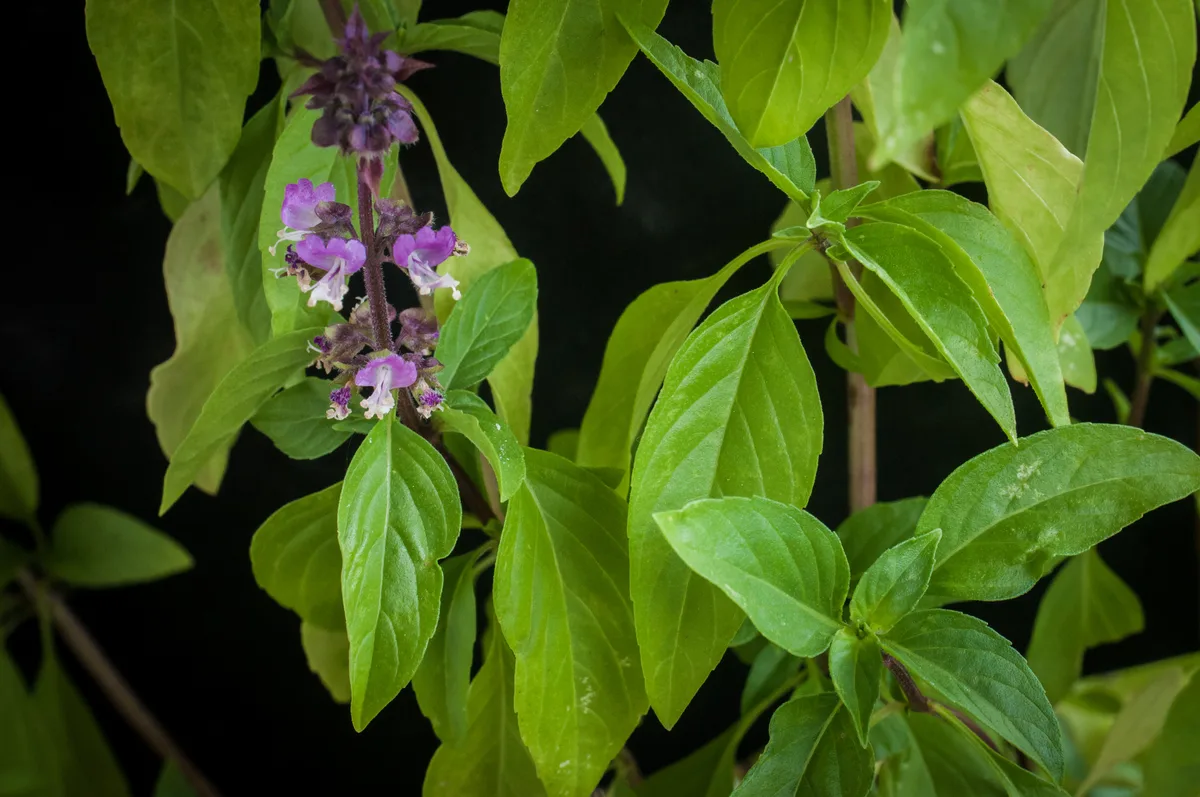
Stop pinching or harvesting the chosen seed plants so they can produce flower spikes.
Understand Basil Pollination
Basil flowers attract bees and other insects that can move pollen among compatible plants.
Separate Varieties When Purity Matters
Different basil varieties flowering close together may cross, so isolation or controlled pollination may be needed.
Use Time Isolation if Practical
Growing varieties so they flower at different times can reduce opportunities for crossing.
Use Physical Isolation for Small Projects
Bagging flowers, cages, or other controlled methods can help maintain parentage when only a small amount of seed is needed.
Label Seed Plants Clearly
Use weather-resistant labels so the variety identity remains attached through flowering and harvest.
Do Not Harvest Seed Too Early
Basil seed needs time to mature after flowers fade.
Watch Flower Spikes Change
As seed develops, flower heads become dry and brown rather than soft and green.
Check Individual Seed Structures
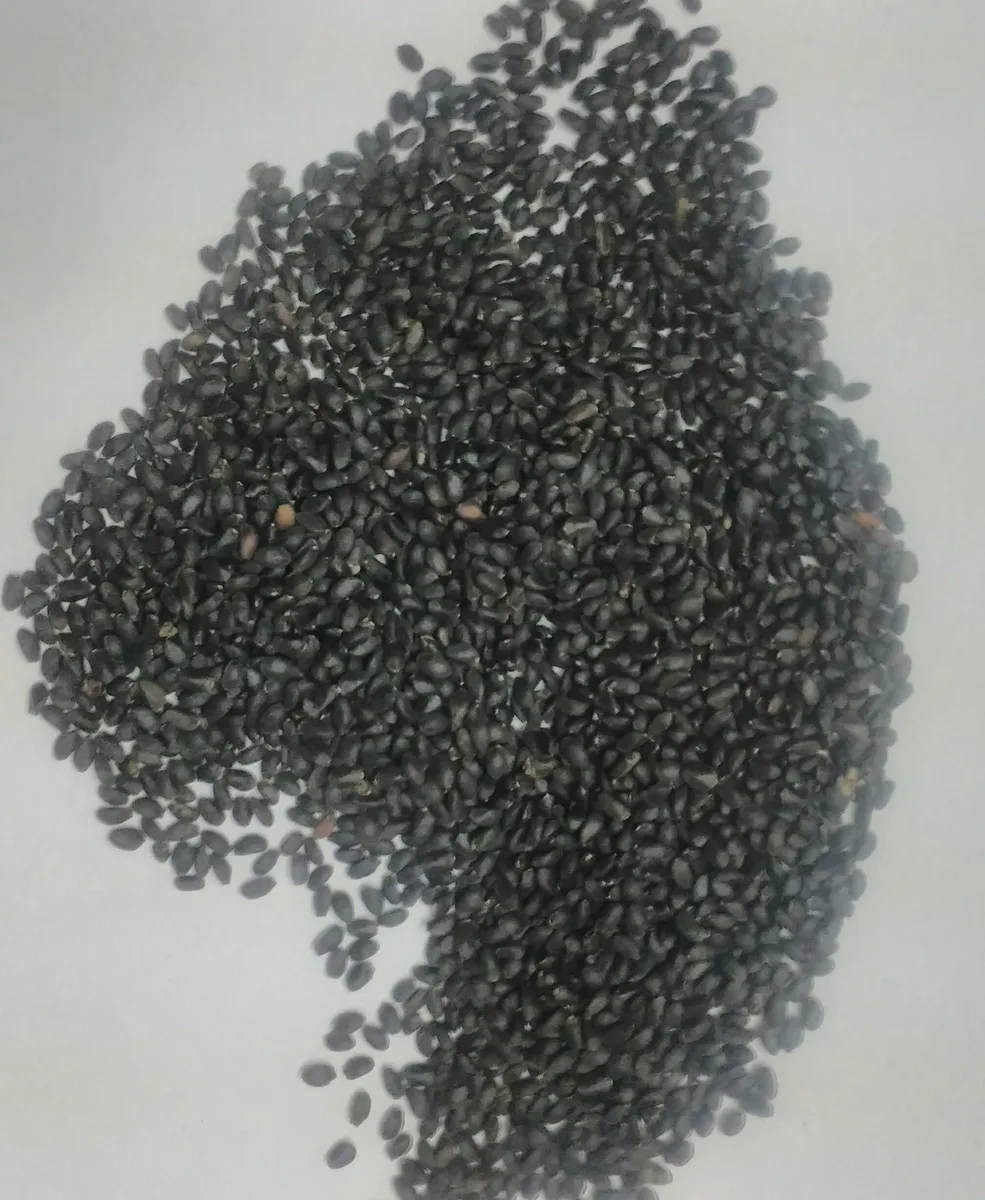
Mature basil seed is small, dark, and firm when fully developed.
Harvest on a Dry Day
Dry plant material is easier to process and less likely to mold during temporary storage.
Cut Whole Seed Stalks
Clipping mature sections into a bag or container reduces the chance of losing loose seed.
Use Paper Bags for Final Drying
Paper allows airflow while catching seed that drops from the flower heads.
Do Not Seal Damp Stalks in Plastic
Trapped moisture can encourage mold and damage seed.
Finish Drying Before Threshing
Dry flower heads break apart more easily than partially green material.
Thresh Gently
Rub or crush dry flower spikes carefully to release the small seed.
Use a Tray or Bowl
Work over a container so tiny basil seed does not scatter across the work area.
Separate Seed From Chaff
Use screening, gentle blowing, or careful hand sorting to remove dry plant fragments.
Avoid Blowing Away Good Seed
Basil seed is small, so use very gentle airflow if winnowing.
Inspect Seed Quality
Keep mature firm seed and remove badly damaged, pale, or obviously immature material when practical.
Dry Cleaned Seed Again if Needed
If any residual moisture remains after processing, spread seed in a thin layer before storage.
Label the Seed Container
Include crop, variety, harvest year, and any isolation notes.
Record the Parent Plant Traits
Notes about aroma, leaf shape, color, bolting time, and vigor can guide future selection.
Store Seed Cool and Dry
Stable low-humidity conditions help preserve viability better than heat and repeated moisture exposure.
Protect Seed From Insects
Use clean secure containers where stored-seed pests are a concern.
Keep Different Years Separate
Separate harvest years make future germination testing and comparison easier.
Test Older Seed Before Planting
A simple germination test can show whether stored basil seed still has useful viability.
Expect Natural Variation
Even open-pollinated lines can show modest variation, especially if crossing occurred.
Rogue Off-Types in Future Generations
If maintaining a named variety, remove plants that clearly differ before allowing them to contribute seed.
Save From More Than One Plant
Using several healthy plants can preserve more of the variety's genetic diversity.
Do Not Save Only From the Earliest Bolting Plant Automatically
If delayed flowering is desirable, repeatedly saving from early bolters could shift the population in the wrong direction.
Choose Selection Goals Deliberately
Save seed from plants that express the characteristics you actually want in future generations.
Keep Seed-Saving Records
Document isolation method, harvest date, plant traits, and germination results so the line can be tracked over time.
Practical Takeaway
Save basil seed by choosing healthy plants, allowing flowers to mature fully, protecting the variety from unwanted crossing when needed, harvesting dry flower spikes, threshing carefully, and storing fully dry labeled seed in stable conditions.