Growing Cauliflower From Seed
Cauliflower is a cool-season brassica that rewards steady growth and careful timing. It can be started indoors or direct sown when conditions are suitable, but it is less forgiving of stress than many other garden crops. Strong seedlings, fertile soil, consistent moisture, proper spacing, and mild temperatures help plants form high-quality heads.
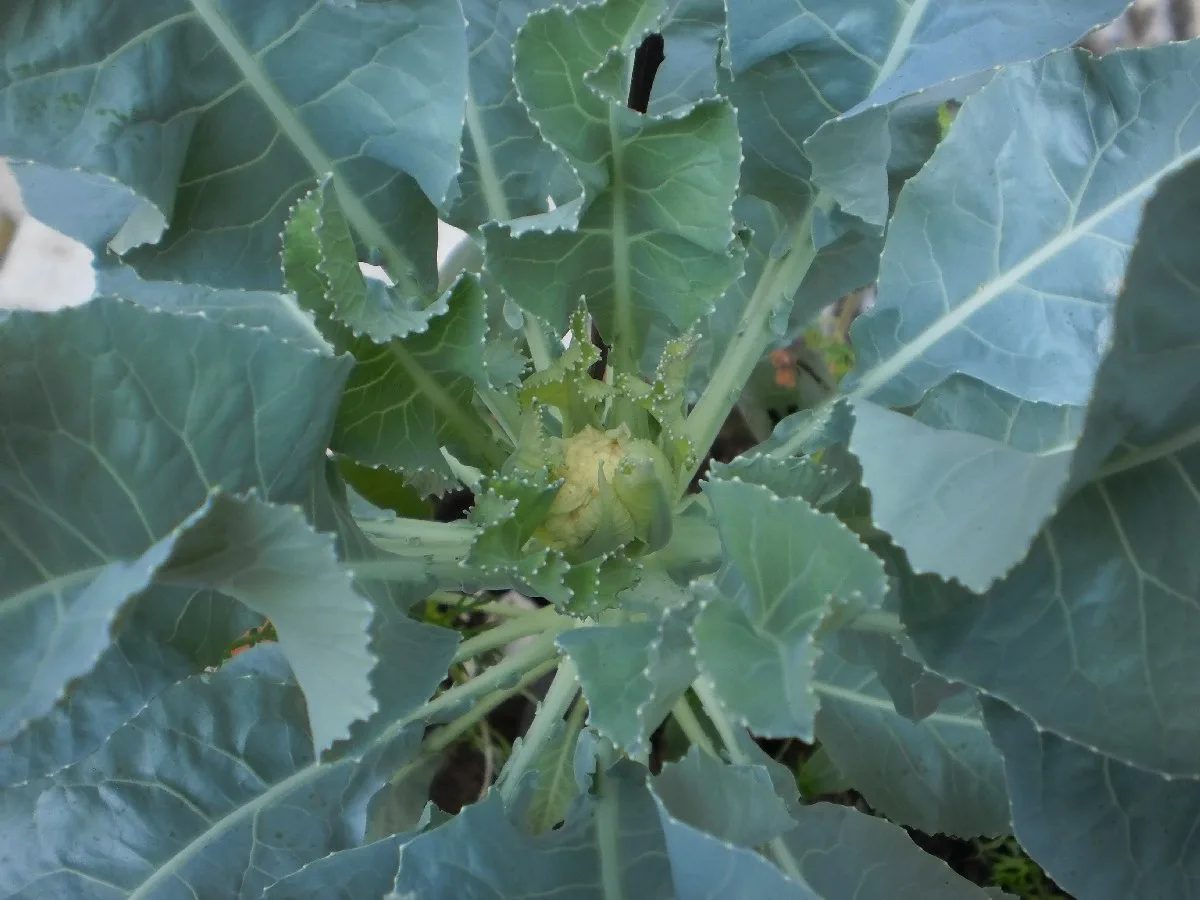

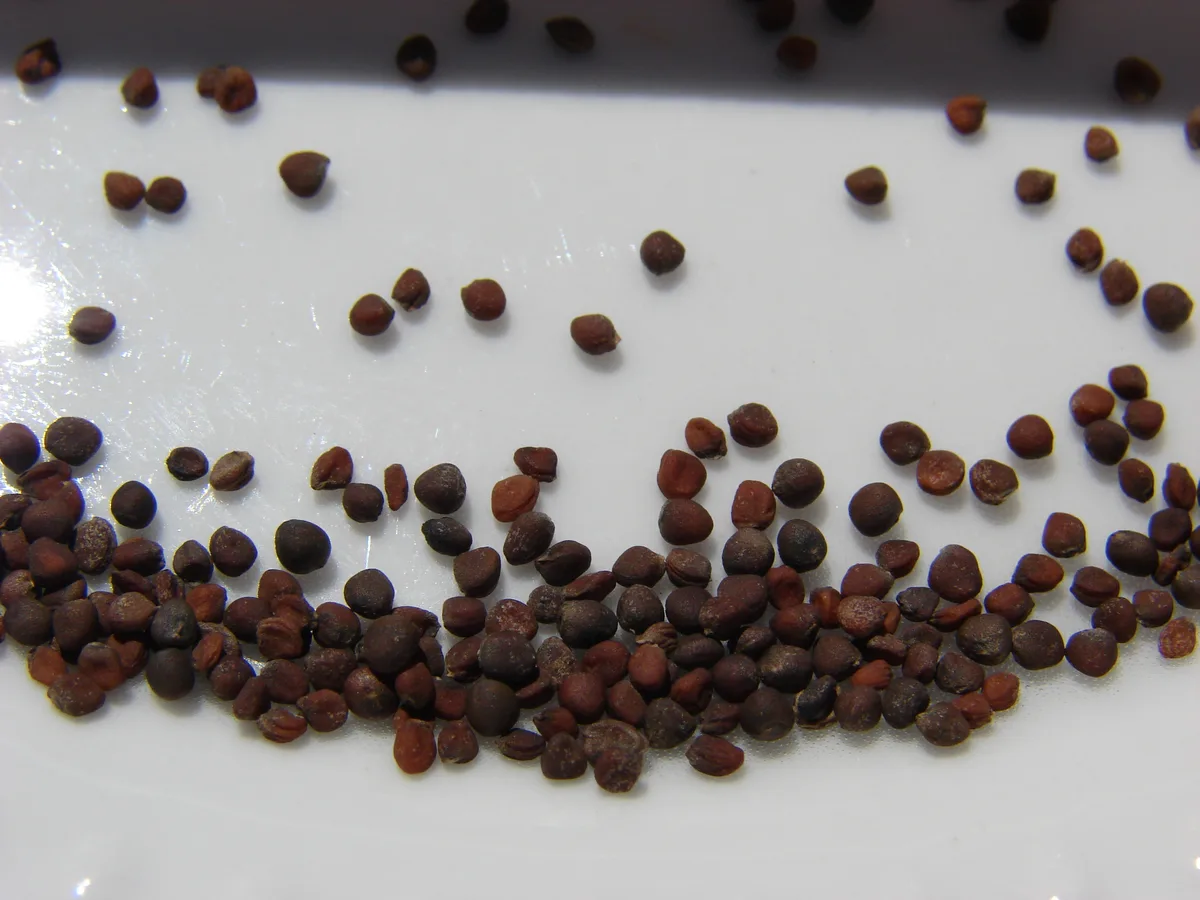
.jpg)
Explore the Cauliflower plant profile →
On this page
Choose and plan
Choose a Cauliflower Variety
Varieties differ in maturity time, head color, plant size, heat tolerance, cold tolerance, and disease resistance.
Match the Variety to Your Season
Choose maturity timing that allows head development during suitable temperatures rather than the most stressful part of the year.
Start seeds indoors
Start Indoors for Transplants
Indoor sowing allows plants to establish before the preferred outdoor planting period begins.
Use Clean Seed-Starting Mix
A light, well-drained mix supports germination while giving roots enough air in small containers.
Sow at Packet Depth
Follow the seed supplier's depth guidance rather than burying cauliflower seed excessively.
Maintain Even Moisture
Seedlings should not repeatedly dry out, but trays also should not remain saturated.
Provide Strong Light
Weak light can produce tall, thin seedlings that transplant poorly. Bright light encourages compact growth.
Provide Air Movement
Gentle airflow reduces stagnant humidity and can help seedlings develop stronger stems.
Care for seedlings
Thin Crowded Seedlings
Give each plant enough space for roots and leaves instead of allowing multiple seedlings to compete in one cell.
Pot Up if Necessary
If plants outgrow their original cells before transplanting time, move them into larger containers before roots become severely restricted.
Plant outside
Harden Off Gradually
Introduce indoor-grown seedlings to outdoor sunlight, wind, and temperature changes over time before permanent planting.
Choose Fertile Well-Drained Soil
Cauliflower grows best in productive soil that holds useful moisture without remaining waterlogged.
Use Soil Testing for Fertility Decisions
A soil test can guide nutrient and pH management instead of relying on guesswork.
Space Plants Properly
Cauliflower develops large leaves around the forming head and needs enough room for light, airflow, water, and nutrients.
Care and protect
Water Consistently
Repeated drought stress can interrupt growth and reduce head quality. Maintain reasonably steady root-zone moisture.
Use Mulch
Organic mulch can conserve moisture, suppress weeds, and moderate soil temperature around established plants.
Control Weeds Early
Remove competing weeds while cauliflower plants are young so roots have access to available moisture and nutrients.
Avoid Severe Growth Interruptions
Root damage, nutrient shortage, drought, or extreme temperatures can interfere with normal head development.
Watch for Cabbage Caterpillars
Inspect leaves regularly for chewing damage, eggs, or larvae common to brassica crops.
Watch for Aphids
Aphids can collect within folded leaves and around developing heads, where they may be difficult to notice later.
Use Insect Netting Where Appropriate
Physical barriers can reduce pest access when installed before insects arrive and maintained without gaps.
Protect Young Plants From Slugs
Slugs and snails can damage transplants rapidly during moist weather. Inspect the garden after dark or around hiding places if damage appears.
Watch for Heat
Hot conditions can interfere with head quality and shorten the useful harvest window. Seasonal timing is especially important for cauliflower.
Watch for Severe Cold
Although cauliflower prefers cool weather, young plants and developing heads can still be damaged by extreme cold depending on variety and stage.
Blanching and head quality
Understand Blanching
Some white cauliflower varieties benefit from having outer leaves positioned over the developing head to reduce sun exposure, while self-blanching varieties require less intervention.
Check the Variety Before Blanching
Colored cauliflower varieties may be grown specifically for pigmentation and should not automatically be treated like traditional white types.
Harvest
Harvest at Good Head Quality
Cut the head while it remains compact and firm for the variety, before the curd separates extensively or deteriorates.
Do Not Delay Harvest Unnecessarily
Once a mature head reaches good quality, warm weather or continued growth can cause rapid decline.
Other sowing and seed saving
Direct Sow When Conditions Fit
Cauliflower can be direct sown when the season provides enough time for germination, vegetative growth, and head formation during suitable weather.
Thin Direct-Sown Plants
Remove extras before serious crowding occurs so remaining plants have room to mature.
Save Seed Only With Careful Planning
Cauliflower is a biennial Brassica oleracea crop and can cross with cabbage, broccoli, kale, and other compatible varieties. Seed saving requires isolation and overwintering planning.
Practical Takeaway
Grow cauliflower from seed with strong light, fertile soil, steady moisture, adequate spacing, pest protection, and careful seasonal timing. Minimize stress so plants can form compact heads during mild weather.