Growing Cabbage From Seed
Cabbage is a cool-season brassica that grows well from seed when plants receive strong light, steady moisture, fertile soil, and enough time to form firm heads before stressful heat arrives. It can be started indoors for transplanting or direct sown when outdoor conditions are suitable. Good timing, spacing, and pest monitoring are central to producing healthy heads.
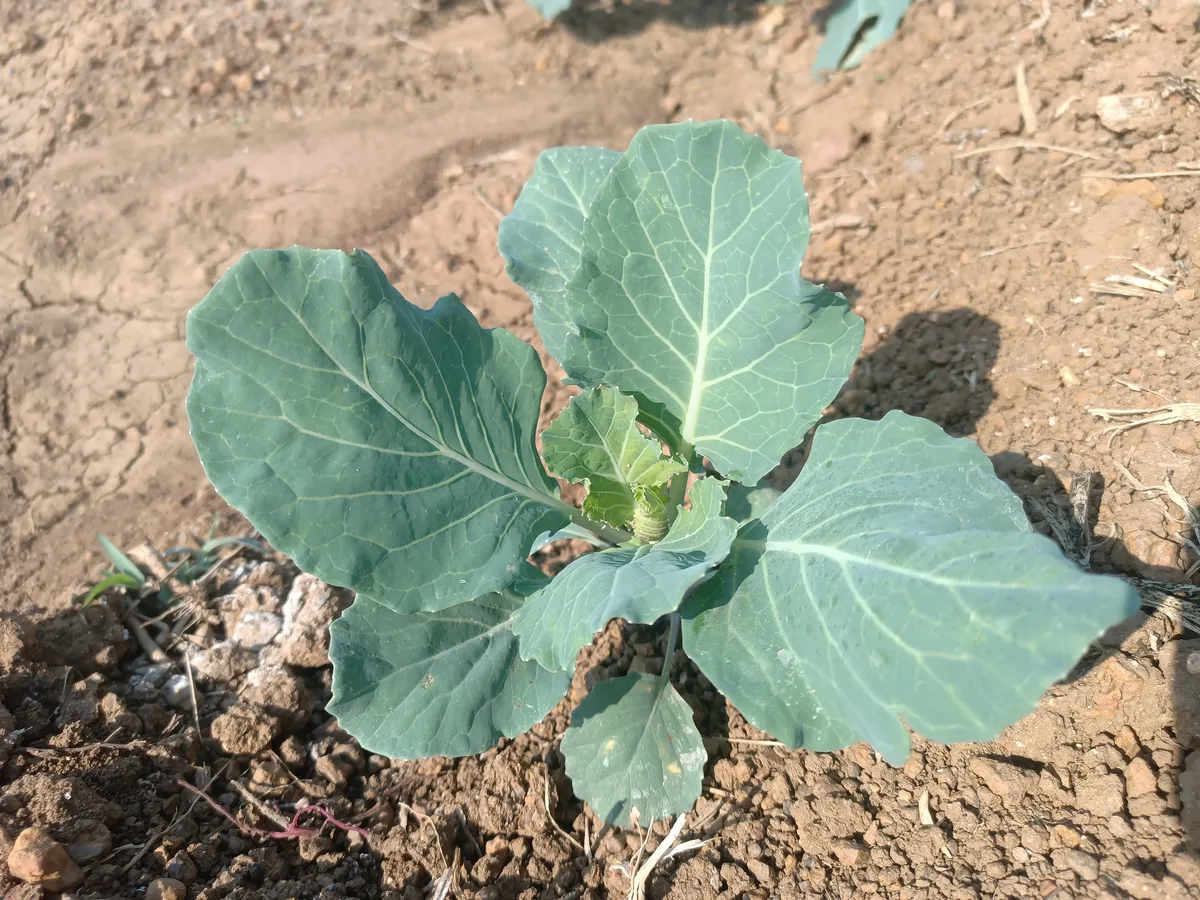

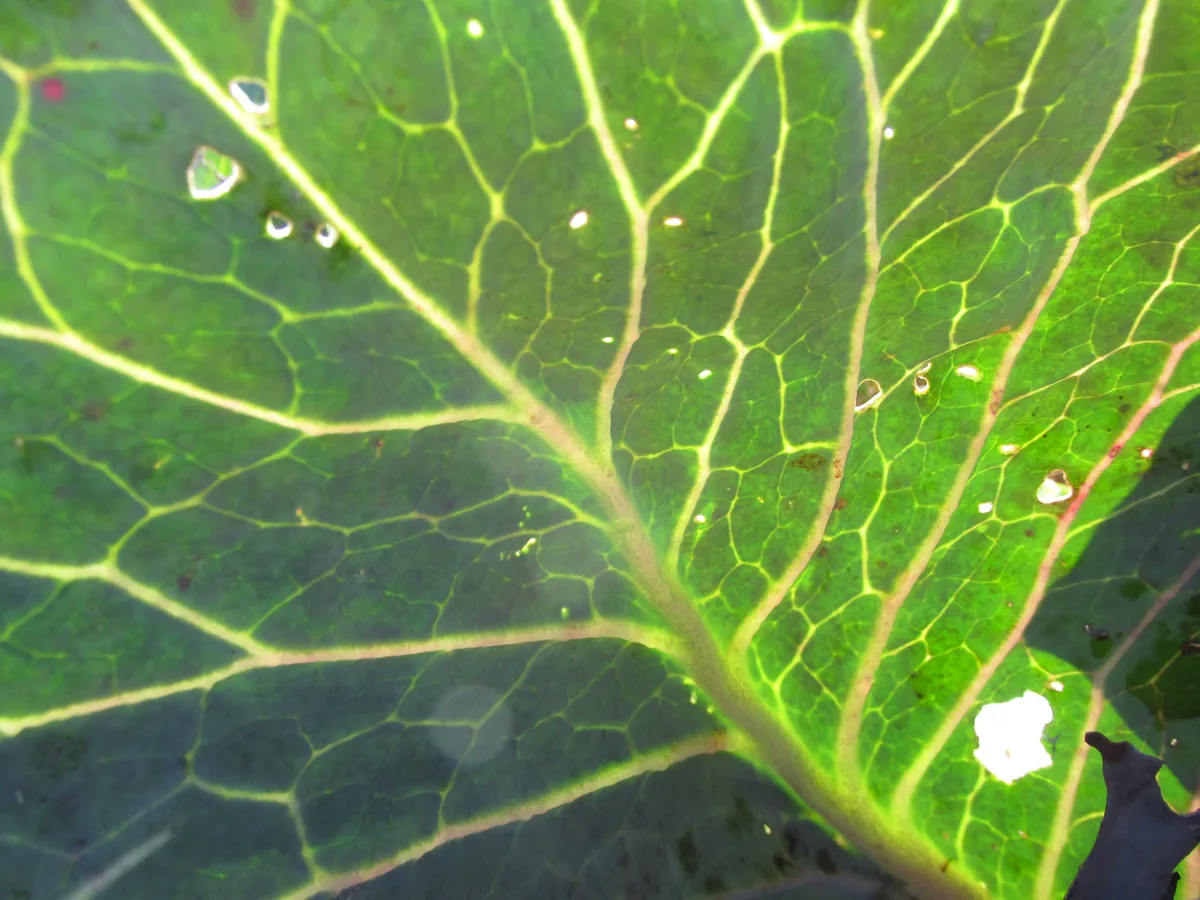
.jpg)
Explore the Cabbage plant profile →
On this page
Choose and plan
Choose a Cabbage Variety
Cabbage varieties differ in head size, maturity time, color, texture, storage quality, heat tolerance, and cold tolerance.
Match the Variety to the Season
Early varieties mature relatively quickly, while main-season and storage types generally require a longer growing period.
Start seeds indoors
Start Indoors for Transplants
Indoor sowing can provide established seedlings ready to move outside when the seasonal planting window arrives.
Use a Clean Seed-Starting Mix
A light, well-drained mix gives young roots moisture and air without the compaction common in ordinary garden soil.
Sow at the Recommended Depth
Follow the seed packet for planting depth rather than burying cabbage seed more deeply than necessary.
Keep the Mix Evenly Moist
Germinating seed should not repeatedly dry out, but saturated media can reduce root oxygen and encourage problems.
Provide Strong Light After Emergence
Cabbage seedlings can stretch rapidly under weak light. Bright light helps produce compact plants with sturdier stems.
Provide Gentle Air Movement
Air movement helps reduce stagnant humidity and encourages stronger seedling growth.
Care for seedlings
Thin Crowded Seedlings
Give each plant enough space for leaves and roots instead of allowing dense clusters to compete.
Pot Up When Necessary
If transplanting is still weeks away and roots fill the original cells, move seedlings into larger containers before severe crowding develops.
Plant outside
Harden Off Before Transplanting
Gradually expose seedlings to outdoor sun, wind, and temperature changes before planting them permanently in the garden.
Plant During Cool Conditions
Cabbage generally performs best when much of its development occurs in cool weather rather than intense summer heat.
Prepare Fertile Soil
Cabbage is a relatively demanding crop and benefits from productive soil with good structure and drainage.
Use Soil Testing When Needed
A soil test can guide nutrient and pH adjustments more accurately than adding fertilizer without knowing existing conditions.
Space Plants for Head Development
Crowded plants compete for water, nutrients, and light and may form smaller or poorly developed heads.
Care and protect
Water Consistently
Steady moisture supports continuous growth. Repeated severe drying can stress plants and reduce head quality.
Use Mulch After Establishment
Organic mulch can reduce evaporation, suppress weeds, and moderate soil temperature around established plants.
Control Weeds Early
Young cabbage plants compete poorly with large weeds. Remove weeds before they interfere with root and leaf growth.
Watch for Cabbage Caterpillars
Several caterpillar species feed on brassica leaves. Inspect leaf surfaces and growing points regularly for feeding damage.
Watch for Aphids
Aphids can collect inside curled leaves or developing heads. Regular inspection makes infestations easier to notice early.
Use Insect Barriers Where Appropriate
Row cover or insect netting can reduce pest access when installed before pests arrive and secured so insects cannot enter underneath.
Watch for Slugs and Snails
Moist conditions around young plants can favor slug or snail feeding. Inspect damaged seedlings and hiding places nearby.
Keep Plants Growing Steadily
Stress from drought, nutrient shortage, root damage, or extreme temperatures can interrupt normal head development.
Do Not Overcrowd Leaves
Adequate spacing improves airflow and makes it easier to inspect the interior of plants for pests or disease symptoms.
Direct sowing
Direct Sow When Conditions Fit
Cabbage can be direct sown when the season provides enough time for germination, growth, and head formation under suitable weather.
Thin Direct-Sown Seedlings
Remove extra plants before serious competition develops so the remaining seedlings have enough room to mature.
Harvest heads
Harvest When Heads Are Firm
Harvest mature cabbage when heads feel firm for the variety and before they deteriorate from excessive delay or stressful weather.
Handle Heads Carefully
Avoid unnecessary bruising or damage during harvest, especially for varieties intended for storage.
Plan Succession Plantings
Using varieties with different maturity dates or sowing at intervals can spread the harvest over a longer period.
Save Seed With Care
Cabbage is biennial and can cross with compatible Brassica oleracea crops. Seed saving requires overwintering or another method of carrying plants into flowering, along with isolation planning.
Practical Takeaway
Grow cabbage from seed during a season that provides cool growing conditions, give seedlings strong light and adequate space, maintain steady water and fertility, watch closely for brassica pests, and harvest when heads reach the desired firmness.