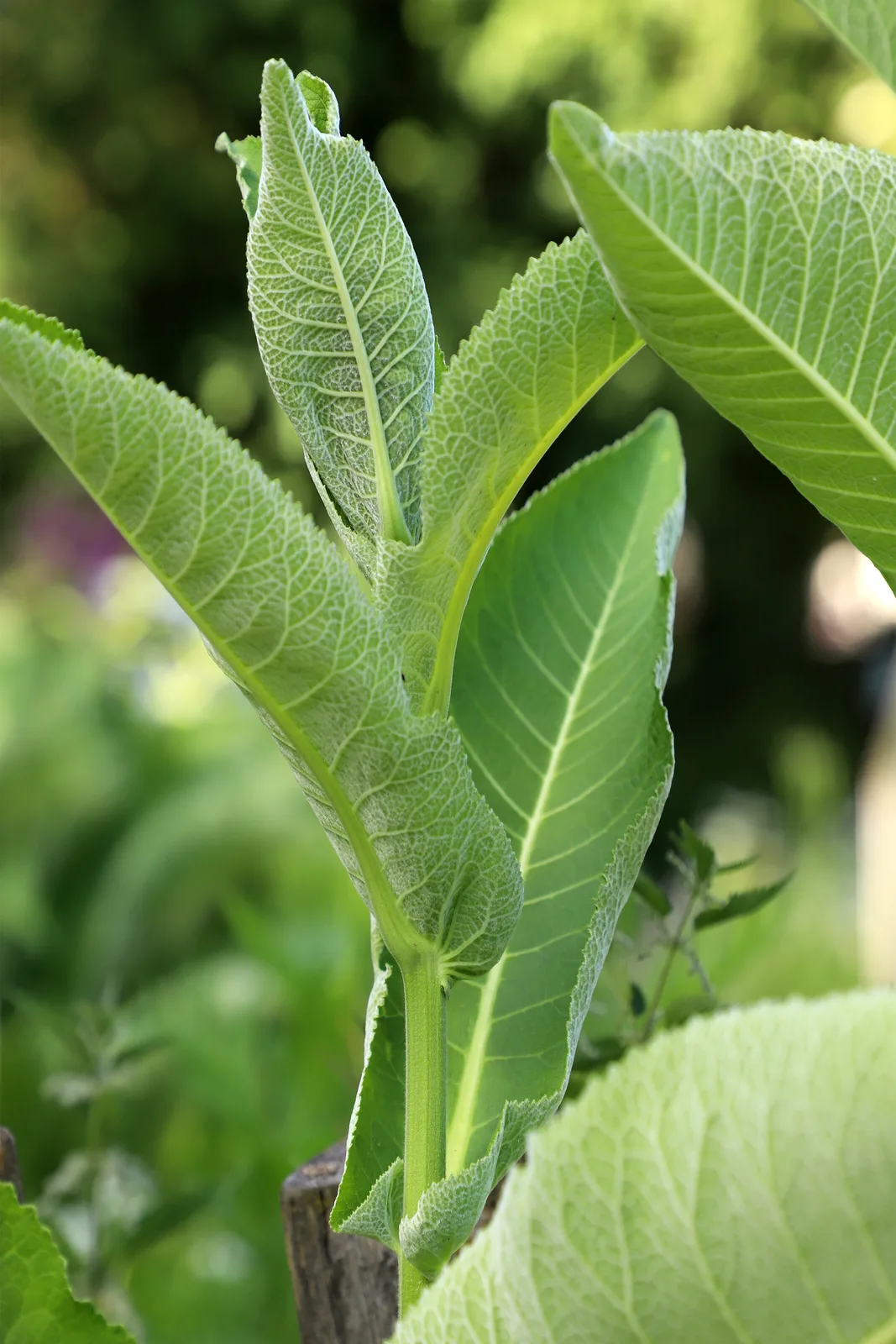
Horseradish
Armoracia rusticana
Family: Brassicaceae
Horseradish grows in full sun to partial shade and prefers deep, fertile, well-drained soil enriched with organic matter. Water needs: Water consistently for good root quality while avoiding waterlogging; drought stress can make roots woody.
Photo Gallery
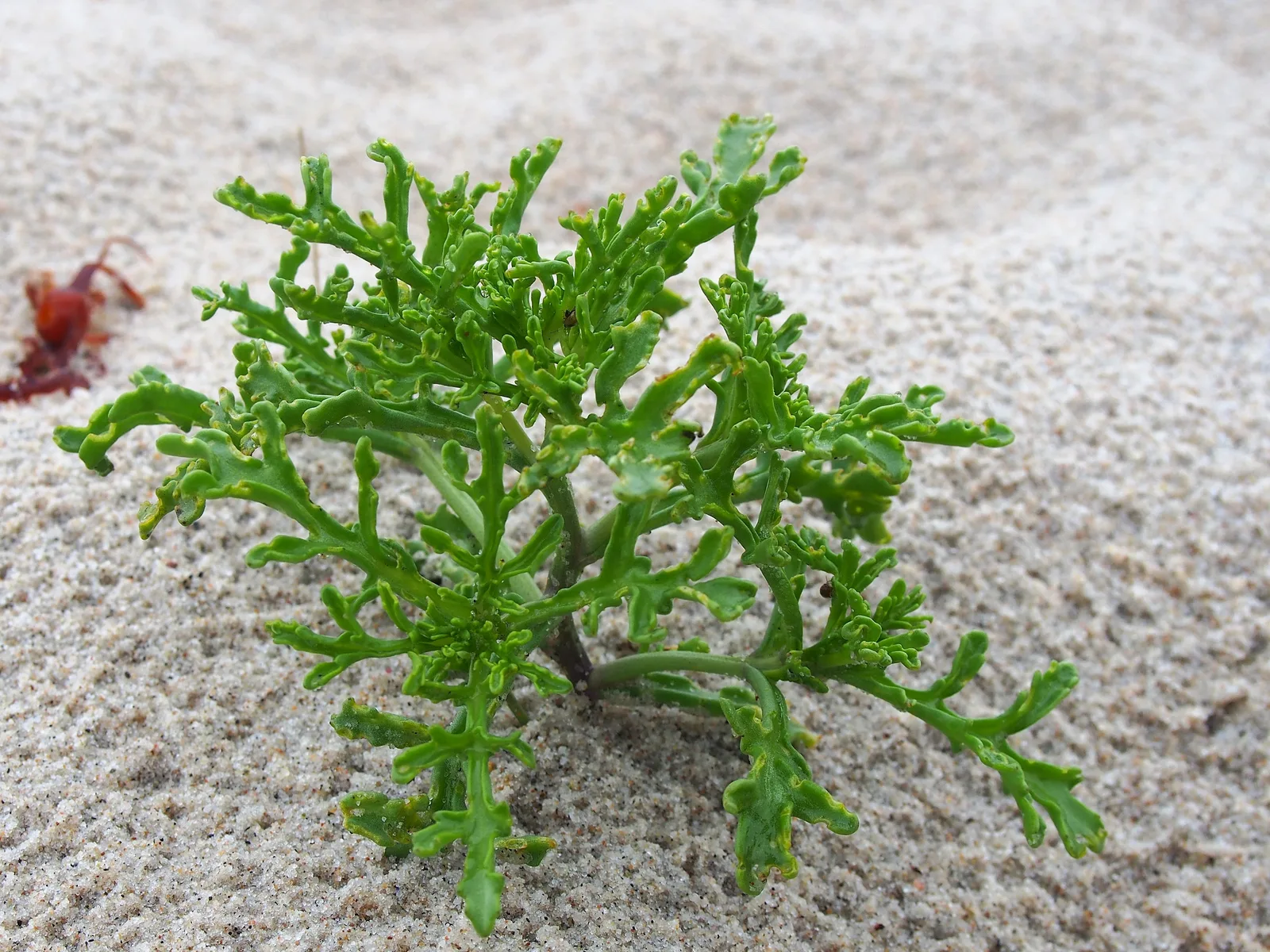
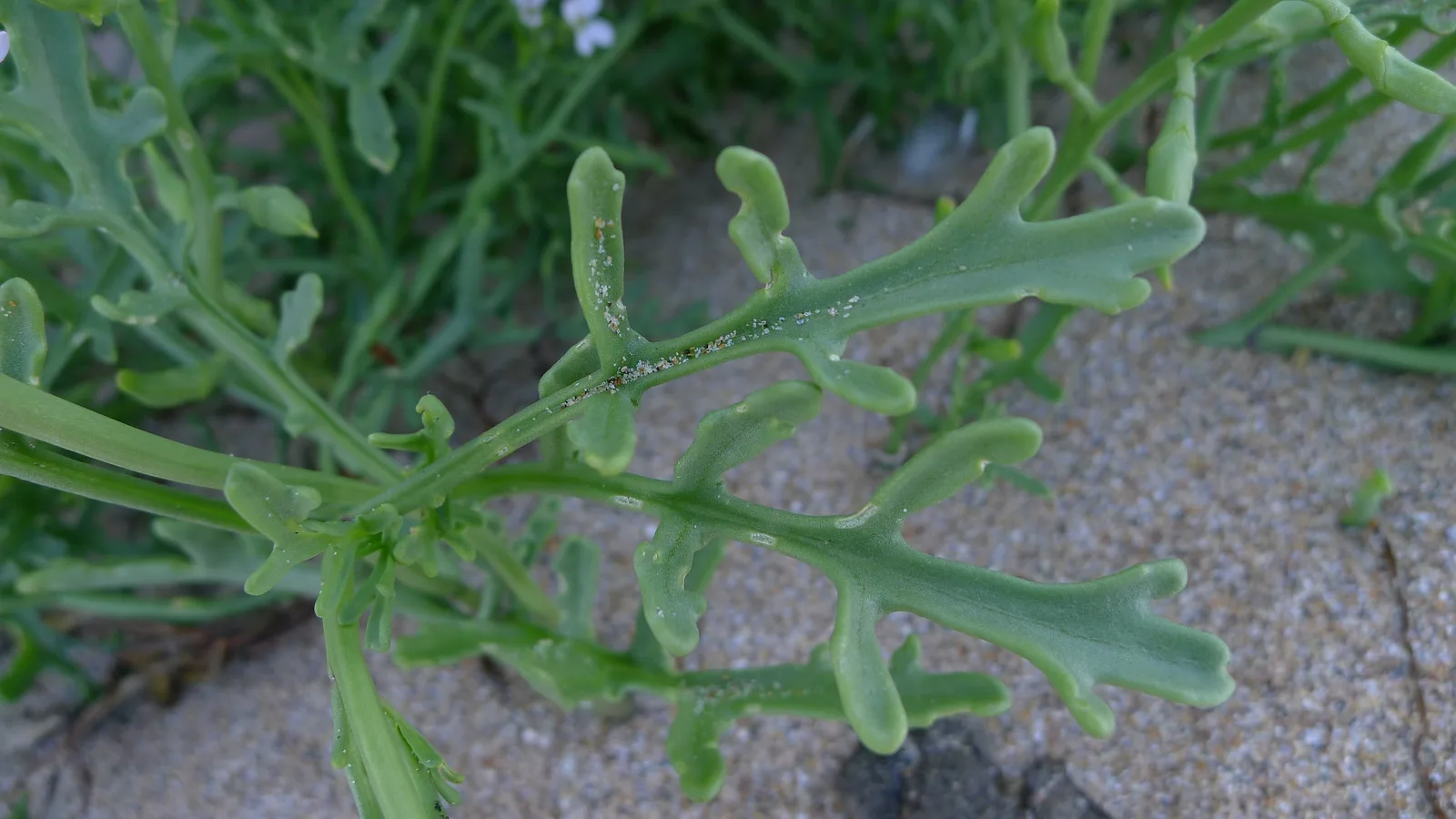
Plant reference images showing growth stages and identifying features.
Photo info
Photo info
How to Grow Horseradish
Horseradish growing information includes sunlight requirements of Full sun to partial shade, soil conditions listed as Deep, fertile, well-drained soil enriched with organic matter with a soil pH of 6.0-7.5, and Water consistently for good root quality while avoiding waterlogging; drought stress can make roots woody water needs. The listed hardiness zones are 3-9. For propagation reference, the database lists germination or establishment information for Horseradish as Not applicable to the usual method of growing from root or crown cuttings, with planting or establishment depth listed as For root cuttings rather than seed: plant root pieces about 2-3 inches deep with the end nearest the original crown positioned higher. Days to maturity are listed as Allow a full growing season, about 150 days under suitable conditions, for a first-year root harvest.
Plant Overview
Horseradish (Armoracia rusticana) is listed in the Brassicaceae family and categorized as a herb with a perennial life cycle. This profile summarizes growing information for hardiness, light, soil, water, seed starting, maturity, and other available cultivation details. Difficulty is listed as Easy.
- Plant ID
- PLT-0049
- Family
- Brassicaceae
- Plant type
- Herb
- Life cycle
- Perennial
- Alternate names
- Red cole
- Growth habit
- Hardy herbaceous perennial grown for its thick, pungent taproot; root fragments left in the soil can produce new plants
- Mature height
- About 2-5 feet, depending on variety and growing conditions
- Mature spread
- Established plants can spread about 2-4 feet across; unharvested roots can form expanding colonies
- Difficulty
- Easy
Growing Conditions
Horseradish is listed for full sun to partial shade conditions. Water needs are listed as water consistently for good root quality while avoiding waterlogging; drought stress can make roots woody. The database soil reference is Deep, fertile, well-drained soil enriched with organic matter. The listed soil pH range is 6.0-7.5, and the listed hardiness range is 3-9.
- Hardiness zones
- 3-9
- Sunlight
- Full sun to partial shade
- Soil
- Deep, fertile, well-drained soil enriched with organic matter
- Soil pH
- 6.0-7.5
- Water needs
- Water consistently for good root quality while avoiding waterlogging; drought stress can make roots woody
- Plant spacing
- Plant root cuttings about 12 inches apart; choose a dedicated area where spreading roots can be managed
Seed & Germination
For propagation, the database note is not applicable to the usual method of growing from root or crown cuttings. Planting-depth guidance: For root cuttings rather than seed: plant root pieces about 2-3 inches deep with the end nearest the original crown positioned higher. The listed time to maturity is Allow a full growing season, about 150 days under suitable conditions, for a first-year root harvest. Use these values as general reference points and adjust for local climate, seed source, and growing conditions.
- Germination
- Not applicable to the usual method of growing from root or crown cuttings
- Germination temperature
- Not applicable to root or crown cuttings; seed germination is not the standard establishment method
- Seed depth
- For root cuttings rather than seed: plant root pieces about 2-3 inches deep with the end nearest the original crown positioned higher
- Sowing method
- Plant root cuttings or crown divisions outdoors in early spring
- Start indoors
- Usually unnecessary; start the crop outdoors from root or crown pieces
- Transplanting
- Plant crown divisions in early spring after allowing cut surfaces to heal for several days. Position divisions at about a 45-degree angle with the crown 1-2 inches below the soil surface
Harvest & Propagation
- Days to maturity
- Allow a full growing season, about 150 days under suitable conditions, for a first-year root harvest
- Harvest
- Dig roots in autumn after several frosts for improved flavor. Remove tops and side roots, retaining healthy side roots for replanting. Collect unwanted root fragments carefully because pieces left in the soil can regrow and spread
- Propagation
- Usually propagated from root cuttings or divided crowns
- Seed saving
- Usually maintained by saving healthy side roots for replanting rather than collecting seed. Retain root cuttings at harvest and keep them cool and moist, without waterlogging, until spring planting
- Pollination
- Flowers are pollinated by bees, flies, and beetles; pollination is not required for harvesting roots or propagating root cuttings
Garden Information
- Common pests
- Cabbageworm larvae, mustard leaf beetles, and flea beetles may feed on leaves
- Common diseases
- Root rot can occur in overly wet soil; white rust and mosaic diseases can also affect susceptible varieties
- Uses
- Pungent roots grated for sauces, relishes, and condiments
Related Plants
Find, buy, swap, or sell Horseradish
One World One Seed connects this plant profile to community sellers, plant swaps, storefronts, and participating garden retailers.
Growing Reference Note
Plant performance can vary with climate, soil, weather, cultivar, seed quality, and gardening methods. The values on this page are general database reference ranges rather than a substitute for local extension guidance or seed-packet instructions.