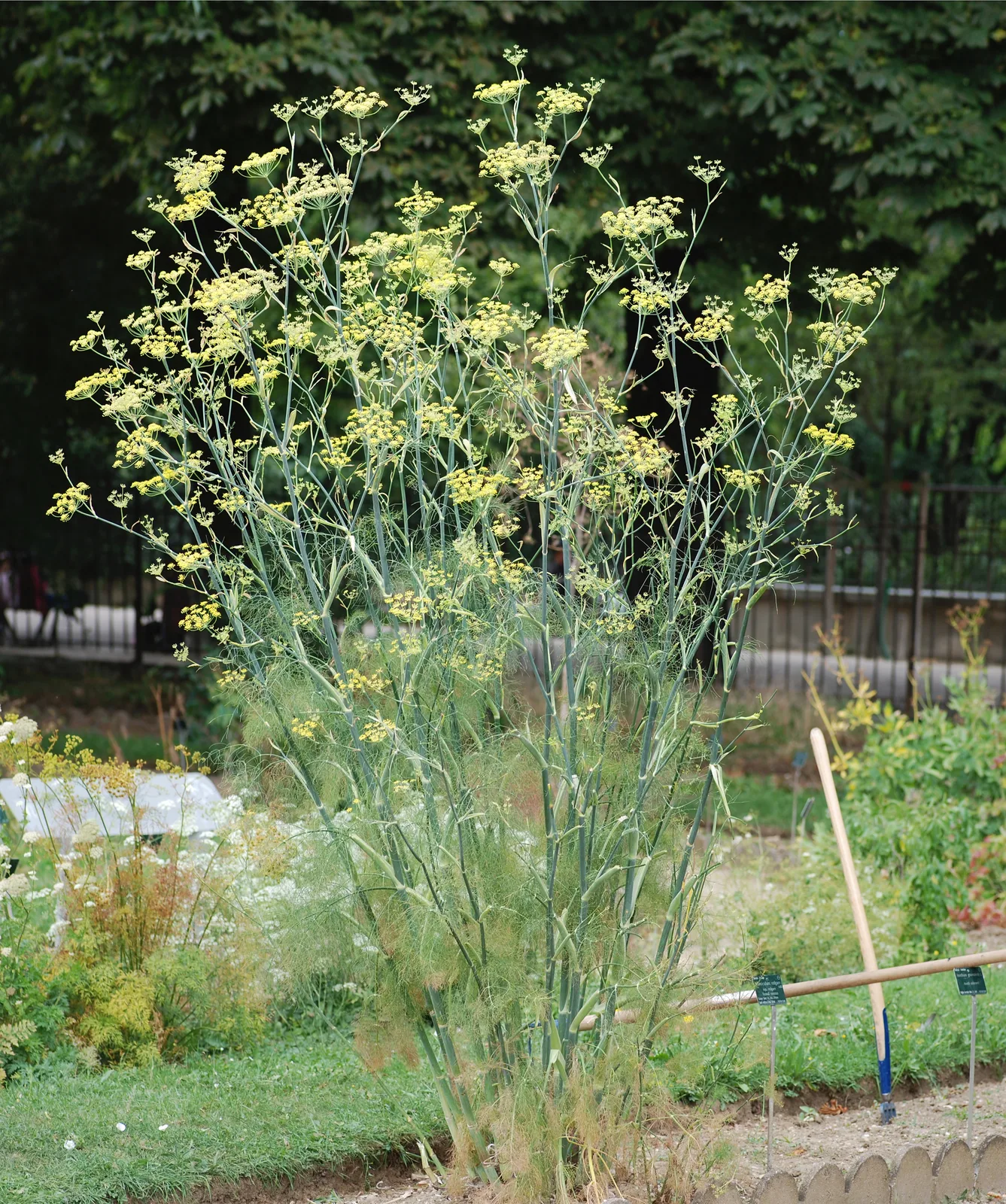
Fennel
Foeniculum vulgare
Family: Apiaceae
Fennel grows in full sun and prefers well-drained soil with moderate fertility. Water needs: Low to moderate; avoid prolonged waterlogging.
Photo Gallery
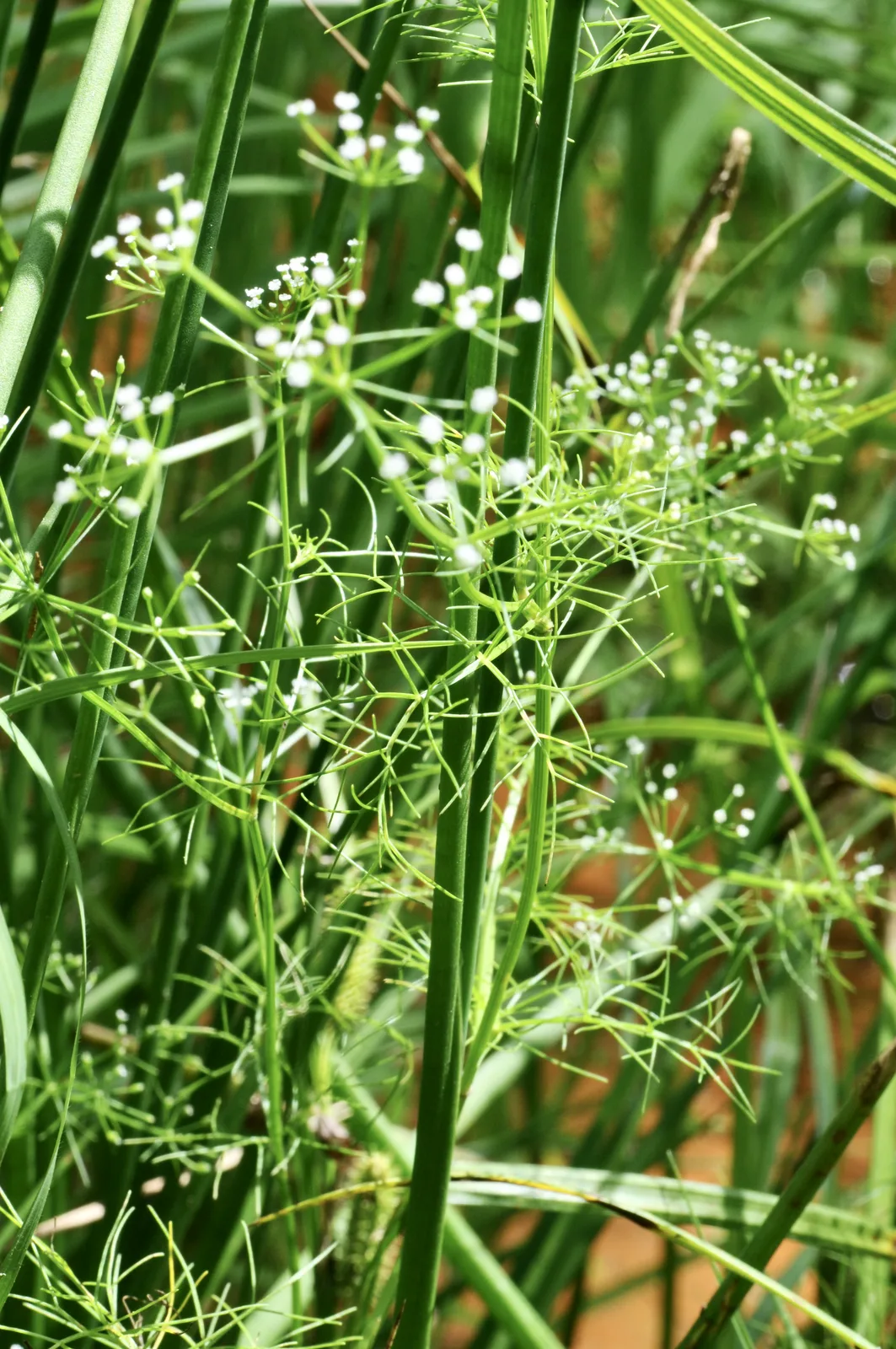
Plant reference images showing growth stages and identifying features.
Photo info
Photo info
Photo info
How to Grow Fennel
Fennel growing information includes sunlight requirements of Full sun, soil conditions listed as Well-drained soil with moderate fertility with a soil pH of 6.0-7.5, and Low to moderate; avoid prolonged waterlogging water needs. The listed hardiness zones are 4-9. For propagation reference, the database lists germination or establishment information for Fennel as Usually about 1-2 weeks; timing varies with temperature, moisture, and seed quality, with planting or establishment depth listed as Sow about 1/2 inch deep. Days to maturity are listed as Some herb fennel varieties are listed at about 60 days for leaf production; ripe seed requires flowering and additional maturation. Timing varies with variety and growing conditions.
Plant Overview
Fennel (Foeniculum vulgare) is listed in the Apiaceae family and categorized as a herb with a perennial life cycle. This profile summarizes growing information for hardiness, light, soil, water, seed starting, maturity, and other available cultivation details. Difficulty is listed as Easy.
- Plant ID
- PLT-0052
- Family
- Apiaceae
- Plant type
- Herb
- Life cycle
- Perennial
- Alternate names
- Herb fennel, common fennel
- Growth habit
- Aromatic perennial forming a clump of upright stems with finely divided, feathery foliage and flat clusters of yellow flowers; readily self-sows
- Mature height
- Herb fennel can reach about 6.5 feet when flowering; height varies with growing conditions
- Mature spread
- About 18-39 inches across at maturity; allow room for the selected variety and growing conditions
- Difficulty
- Easy
Growing Conditions
Fennel is listed for full sun conditions. Water needs are listed as low to moderate; avoid prolonged waterlogging. The database soil reference is Well-drained soil with moderate fertility. The listed soil pH range is 6.0-7.5, and the listed hardiness range is 4-9.
- Hardiness zones
- 4-9
- Sunlight
- Full sun
- Soil
- Well-drained soil with moderate fertility
- Soil pH
- 6.0-7.5
- Water needs
- Low to moderate; avoid prolonged waterlogging
- Plant spacing
- Thin young plants to at least 12 inches apart; allow additional room for large established plants
Seed & Germination
For seed starting, the listed germination time is Usually about 1-2 weeks; timing varies with temperature, moisture, and seed quality and the seed depth is Sow about 1/2 inch deep. The listed time to maturity is Some herb fennel varieties are listed at about 60 days for leaf production; ripe seed requires flowering and additional maturation. Timing varies with variety and growing conditions. Use these values as general reference points and adjust for local climate, seed source, and growing conditions.
- Germination
- Usually about 1-2 weeks; timing varies with temperature, moisture, and seed quality
- Germination temperature
- Soil temperatures around 60-68 F are suitable for seed germination
- Seed depth
- Sow about 1/2 inch deep
- Sowing method
- Direct sow herb fennel outdoors after the danger of frost has passed
- Start indoors
- Optional; sow in individual modules in spring and keep seedlings in good light. Direct sowing avoids root disturbance
- Transplanting
- Harden off indoor seedlings and transplant while very young, before a long taproot develops. Keep the root ball intact, plant at the previous depth, and water in well
Harvest & Propagation
- Days to maturity
- Some herb fennel varieties are listed at about 60 days for leaf production; ripe seed requires flowering and additional maturation. Timing varies with variety and growing conditions
- Harvest
- Snip young leafy sprigs as needed during active growth. For dried culinary seeds, cut ripe seed heads and place in a paper bag until seeds dry and fall free; store fully dried seeds in an airtight container
- Propagation
- Propagated by seed; readily self-sows. Very young seedlings can be moved carefully, but established plants dislike root disturbance
- Seed saving
- Leave selected flower heads to develop seed; plants often begin flowering in their second year. Cut seed heads as they turn brown, before seeds scatter, and finish drying on trays. Collect seeds as they detach. Remove unwanted seed heads to limit self-sowing
- Pollination
- Predominantly cross-pollinated; isolate flowering fennel varieties when saving seed to maintain variety purity. Pollination is not required for harvesting leaves
Garden Information
- Common pests
- Slugs and snails can damage seedlings and fresh shoots; aphids may colonize young foliage
- Common diseases
- Root rot can develop in waterlogged soil; provide good drainage
- Uses
- Anise-flavored leaves, flowers, and seeds used in salads and cooking; also grown for ornamental foliage and flowers that attract pollinating insects
Related Plants
Find, buy, swap, or sell Fennel
One World One Seed connects this plant profile to community sellers, plant swaps, storefronts, and participating garden retailers.
Growing Reference Note
Plant performance can vary with climate, soil, weather, cultivar, seed quality, and gardening methods. The values on this page are general database reference ranges rather than a substitute for local extension guidance or seed-packet instructions.