Saving Watermelon Seeds
Watermelon seed is straightforward to clean from fully ripe fruit, but variety maintenance requires attention to pollination. Compatible watermelon varieties can cross through insect activity, while watermelon does not ordinarily cross with cucumber, squash, or pumpkin simply because they are grown nearby. Selecting healthy parents, managing pollination, and drying seed thoroughly are the main steps.
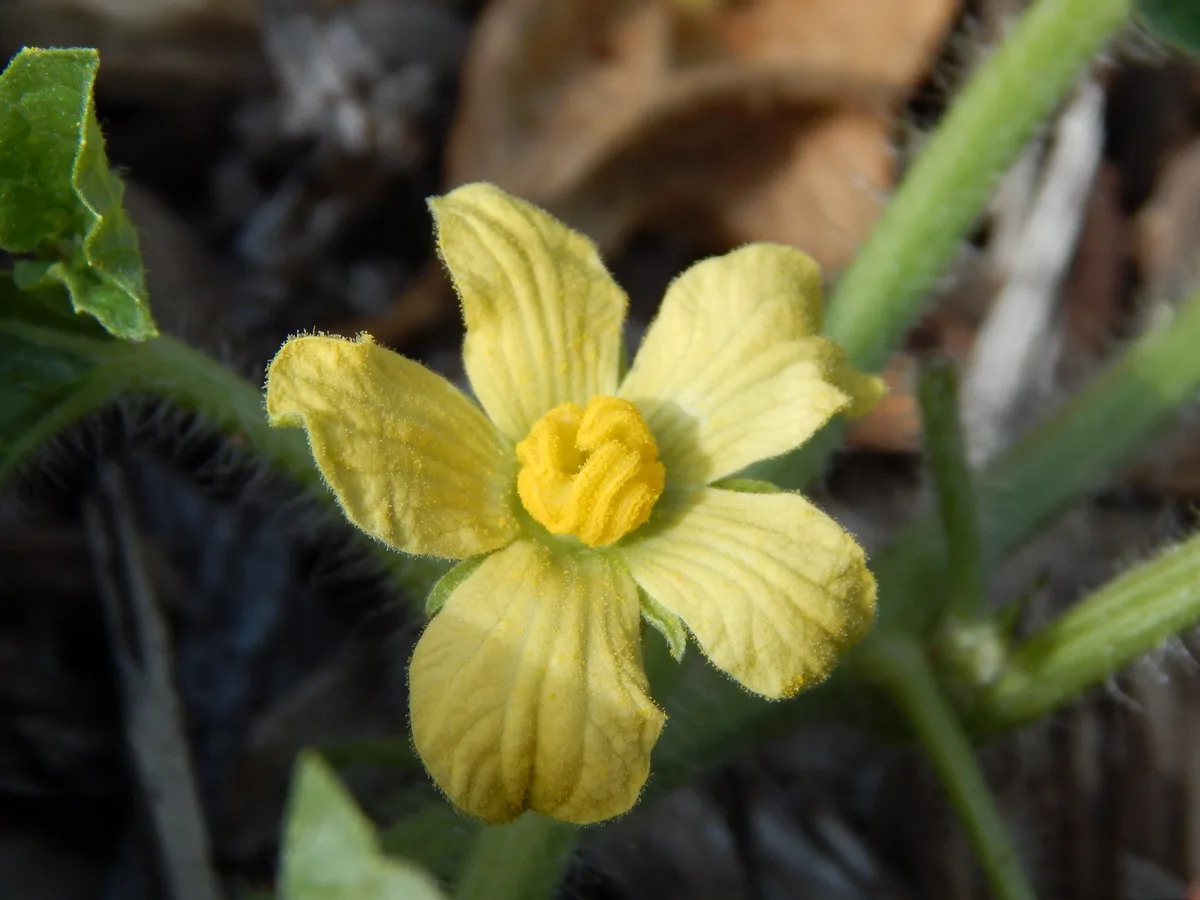
.jpg)
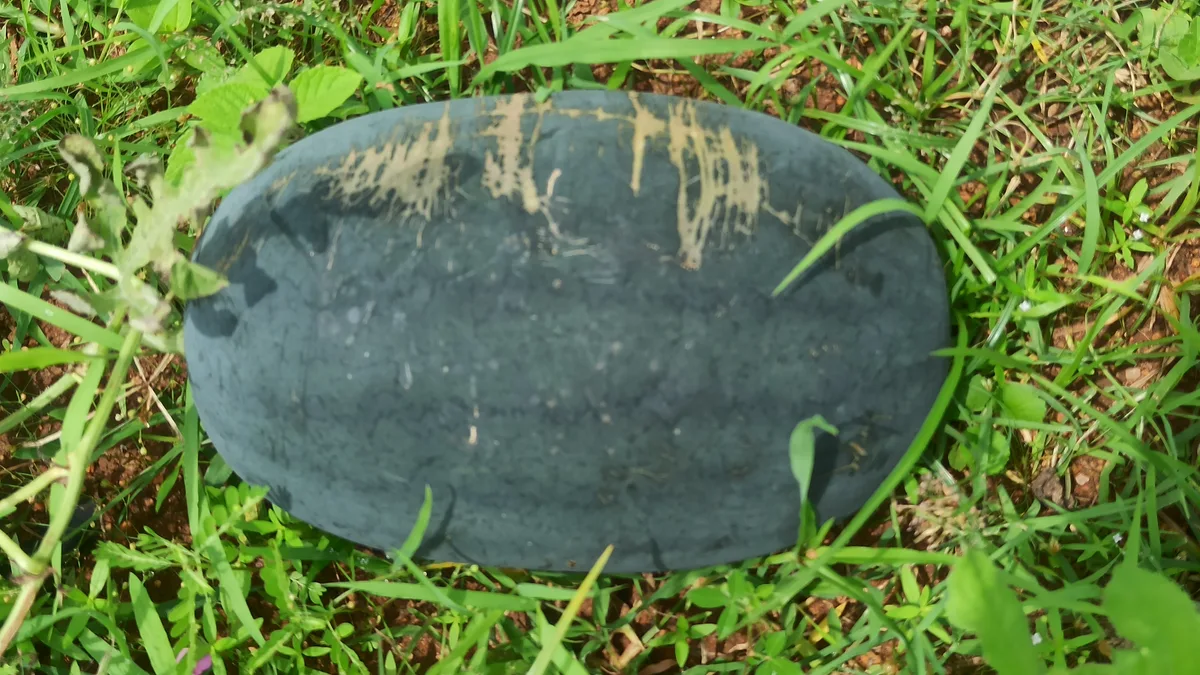

Explore the Watermelon plant profile →
On this page
- Identify the Crop Correctly
- Do Not Assume All Cucurbits Cross
- Choose an Open-Pollinated Variety
- Expect Hybrid Offspring to Vary
- Select Healthy Parent Plants
- Understand Watermelon Pollination
- Expect Crossing Between Watermelon Varieties
- Use Isolation if Purity Matters
- Use Crop-Specific Isolation Guidance
- Hand Pollinate for Greater Control
- Protect Flowers Before Opening
- Label Controlled Fruit
- Allow Fruit to Reach Full Maturity
- Use Variety-Specific Ripeness Signs
- Do Not Rely on One Ripeness Sign Alone
- Choose Sound Fruit
- Cut the Fruit Open Carefully
- Collect Fully Developed Seed
- Separate Seed From Pulp
- Use a Strainer
- Do Not Rely Only on Float Tests
- Inspect Seed Quality
- Drain Excess Water
- Spread Seed in a Thin Layer
- Use a Clean Drying Surface
- Separate Clumps During Drying
- Provide Good Airflow
- Avoid Excessive Heat
- Allow Thick Seeds Enough Time to Dry
- Dry Seed Completely Before Storage
- Label the Storage Container
- Keep Different Varieties Separate
- Store Seed Cool and Dry
- Protect Stored Seed From Pests
- Test Older Seed
- Grow Out Saved Seed
- Remove Clear Off-Types
- Keep Selection Records
- Practical Takeaway
Identify the Crop Correctly
Watermelon belongs to Citrullus lanatus, which is distinct from cucumber, melon, squash, and pumpkin.
Do Not Assume All Cucurbits Cross
Watermelon does not automatically cross with unrelated cucumber, squash, pumpkin, or muskmelon species.
Choose an Open-Pollinated Variety
Open-pollinated watermelon is generally the best choice when saved seed is expected to resemble the parent variety.
Expect Hybrid Offspring to Vary
Seed saved from hybrid watermelons may produce fruit that differs in size, sweetness, rind, flesh color, seed characteristics, or maturity.
Select Healthy Parent Plants
Choose vigorous vines with desirable fruit quality, productivity, disease response, and growth habit.
Understand Watermelon Pollination
Bees and other insects move pollen among flowers and between compatible watermelon plants.
Expect Crossing Between Watermelon Varieties
Different compatible watermelon varieties flowering together can exchange pollen.
Use Isolation if Purity Matters
Distance, flowering-time isolation, or controlled pollination may be needed to maintain a variety.
Use Crop-Specific Isolation Guidance
Isolation needs depend on desired purity and local pollinator activity.
Hand Pollinate for Greater Control
Selected female flowers can be pollinated with pollen from chosen male flowers when parentage must be controlled.
Protect Flowers Before Opening
Bagging selected buds before insects visit them helps prevent unwanted pollen.
Label Controlled Fruit
Mark hand-pollinated fruit clearly so it is not mixed with open-pollinated fruit.
Allow Fruit to Reach Full Maturity
Watermelon seed should be collected from fully mature fruit rather than immature melons.
Use Variety-Specific Ripeness Signs
Rind appearance, tendril drying, ground spot color, sound, and maturity timing vary among varieties.
Do Not Rely on One Ripeness Sign Alone
Combining several indicators gives a better picture of fruit maturity.
Choose Sound Fruit
Avoid severely rotten or badly diseased fruit when saving seed.
Cut the Fruit Open Carefully
Open the watermelon without damaging more seed than necessary.
Collect Fully Developed Seed
Remove mature seed from the flesh and place it into a clean labeled container.
Separate Seed From Pulp
Rinse seeds to remove sugar, fruit residue, and loose tissue.
Use a Strainer
A suitable screen helps wash seed thoroughly without losing it.
Do Not Rely Only on Float Tests
Seed density can vary, so floating alone should not determine what is discarded.
Inspect Seed Quality
Keep mature well-filled seed and remove obviously damaged, moldy, or undeveloped pieces.
Drain Excess Water
Allow washed seed to drain before spreading it to dry.
Spread Seed in a Thin Layer
A single loose layer encourages faster and more even drying.
Use a Clean Drying Surface
Trays, plates, filters, screens, or other clean surfaces can work well.
Separate Clumps During Drying
Move seeds periodically so moisture is not trapped where they overlap.
Provide Good Airflow
Ventilation helps reduce mold risk and promotes uniform drying.
Avoid Excessive Heat
Do not use intense heat that could damage living seed tissue.
Allow Thick Seeds Enough Time to Dry
Watermelon seed can retain internal moisture after the surface appears dry.
Dry Seed Completely Before Storage
Residual moisture in a sealed container can lead to mold or reduced viability.
Label the Storage Container
Record variety, harvest year, source, parent selection, and pollination method.
Keep Different Varieties Separate
Do not combine seed lots unless a mixture is intentional.
Store Seed Cool and Dry
Stable low-humidity conditions help preserve viability.
Protect Stored Seed From Pests
Use secure containers where rodents or insects could reach stored seed.
Test Older Seed
A germination test can show whether stored watermelon seed remains useful.
Grow Out Saved Seed
The next generation helps reveal whether cross-pollination occurred.
Remove Clear Off-Types
If maintaining a variety, avoid saving from plants or fruit that differ strongly from the intended type.
Keep Selection Records
Record sweetness, flesh color, rind quality, fruit size, maturity, productivity, and disease response.
Practical Takeaway
Save watermelon seed from fully mature fruit on healthy vines, control pollination when varietal purity matters, rinse and inspect the seed carefully, dry it completely with good airflow, and store each labeled lot in cool dry conditions.