Saving Sunflower Seeds
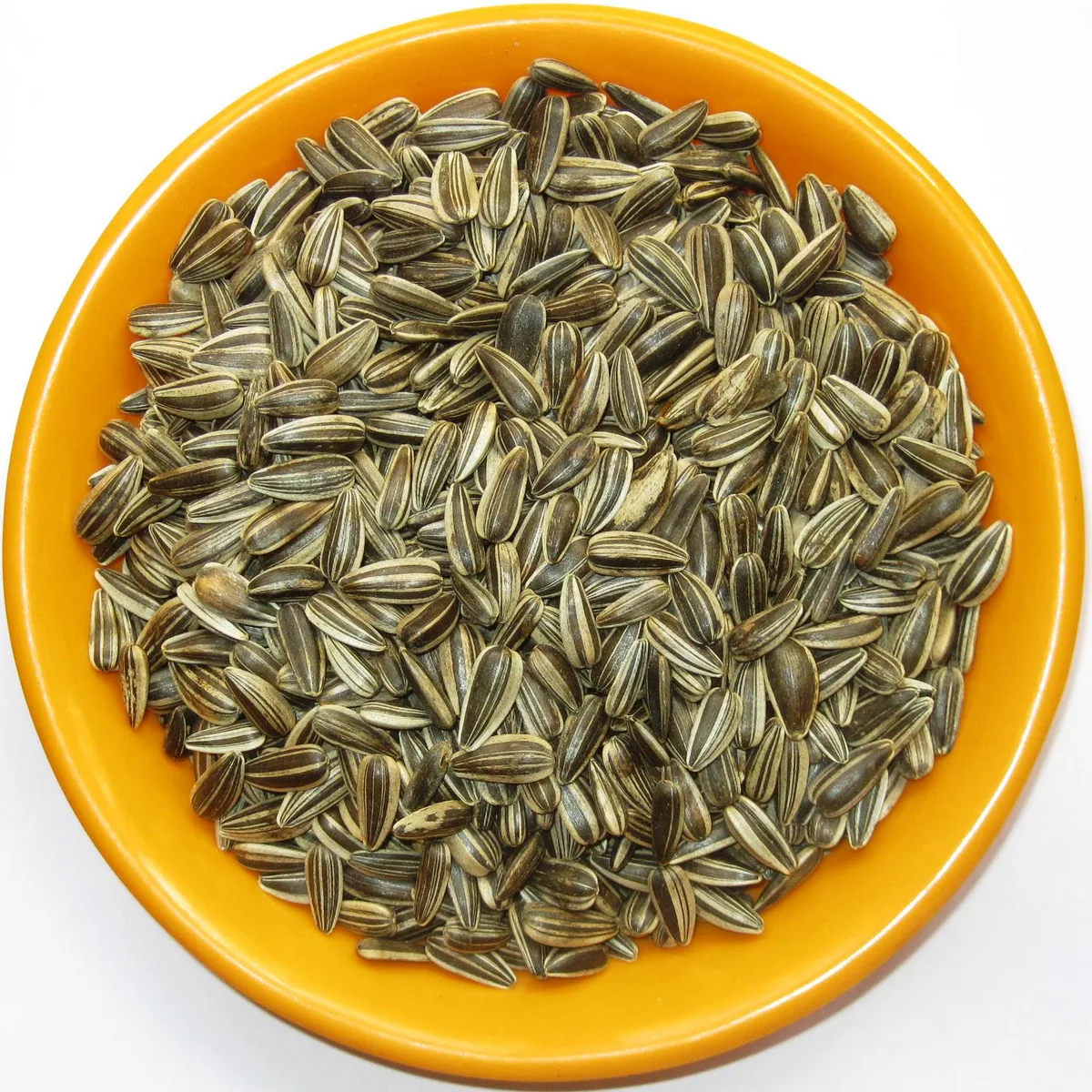
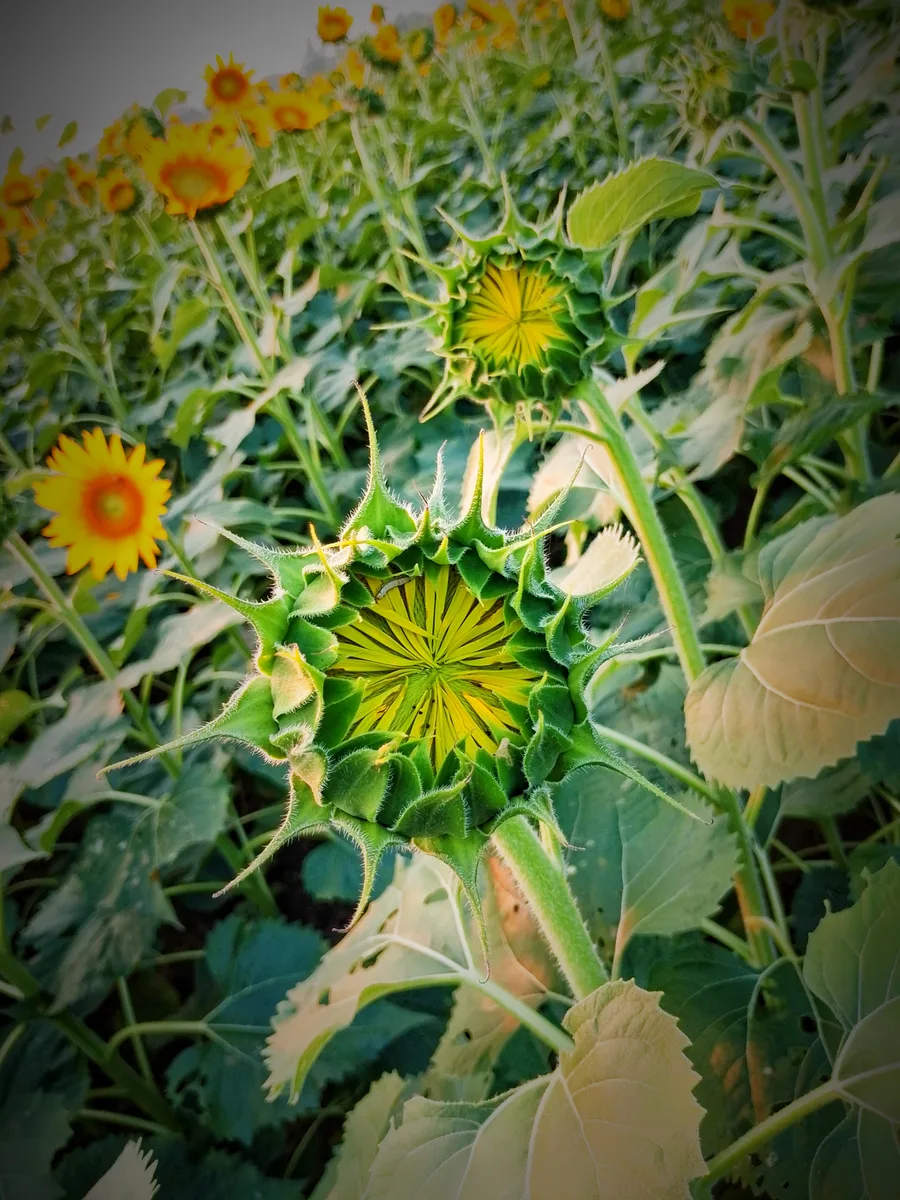
Sunflowers produce large quantities of seed in their mature flower heads, but they are strongly influenced by insect pollination. Different compatible sunflower varieties flowering nearby can cross readily, and hybrid offspring may differ substantially from the parent plants. Successful seed saving depends on good parent selection, pollination management, harvest timing, and protection from birds and moisture.
_seeds.jpg)
_with_a_small_insect_on_it,_just_before_blooming,_Munshiganj,_Satkhira_2026.jpg)
Explore the Sunflower plant profile →
On this page
- Choose an Open-Pollinated Variety
- Expect Hybrid Offspring to Vary
- Select Healthy Parent Plants
- Select Before Flower Heads Mature
- Understand Sunflower Pollination
- Expect Crossing Between Varieties
- Use Isolation if Purity Matters
- Use Bags for Controlled Pollination
- Hand Pollinate if Necessary
- Keep Parent Information Labeled
- Save From Several Plants
- Watch Petals Fade
- Watch the Back of the Head
- Watch Seed Fill
- Do Not Harvest Too Early
- Protect Heads From Birds
- Use Breathable Protection
- Avoid Sealing Wet Heads
- Watch for Rodents
- Harvest When Heads Are Mature
- Leave Enough Stem for Handling
- Harvest During Dry Weather
- Finish Drying Under Cover
- Protect Drying Heads From Wildlife
- Remove Seed From Dry Heads
- Work Over a Container
- Remove Flower Debris
- Inspect Seed Quality
- Dry Cleaned Seed Thoroughly
- Do Not Store Damp Seed
- Label the Storage Container
- Keep Controlled and Open-Pollinated Seed Separate
- Store Seed Cool and Dry
- Protect Stored Seed From Rodents
- Test Older Seed
- Grow Out Saved Seed
- Remove Clear Off-Types
- Keep Selection Records
- Practical Takeaway
Choose an Open-Pollinated Variety
Open-pollinated sunflowers are generally the best choice when you want to maintain a variety through saved seed.
Expect Hybrid Offspring to Vary
Seed from hybrid sunflowers may produce plants with different height, flower color, branching, seed size, or maturity.
Select Healthy Parent Plants
Choose vigorous plants with the height, flower form, seed characteristics, and performance you want to preserve.
Select Before Flower Heads Mature
Mark desirable plants while their flower traits and growth habit are still easy to evaluate.
Understand Sunflower Pollination
Bees and other insects carry pollen among individual flowers across sunflower heads and between plants.
Expect Crossing Between Varieties
Compatible sunflower varieties flowering together can exchange pollen readily.
Use Isolation if Purity Matters
Distance, flowering-time isolation, or controlled pollination can reduce unwanted crossing.
Use Bags for Controlled Pollination
Seed heads can be protected from outside pollen when a specific cross or selfed line is desired.
Hand Pollinate if Necessary
Pollen can be transferred intentionally between selected plants when parentage must be controlled.
Keep Parent Information Labeled
Mark controlled heads clearly so they are not mixed with open-pollinated seed.
Save From Several Plants
Using multiple true-to-type parents helps maintain a broader genetic base.
Watch Petals Fade
After pollination, ray petals dry and fall while seeds develop in the center of the head.
Watch the Back of the Head
As seed matures, the back of the flower head changes from green toward yellow and brown.
Watch Seed Fill
Mature seeds become plump and firm rather than thin and soft.
Do Not Harvest Too Early
Seeds that look formed may still be immature if the head remains green and moist.
Protect Heads From Birds
Birds can remove large quantities of seed before harvest.
Use Breathable Protection
Mesh or paper barriers can deter feeding while allowing airflow around the ripening head.
Avoid Sealing Wet Heads
Plastic around moist flower heads can trap humidity and encourage mold.
Watch for Rodents
Squirrels and other animals may also damage mature seed heads.
Harvest When Heads Are Mature
Cut heads after seed has filled and the flower head has dried substantially.
Leave Enough Stem for Handling
A short length of stalk makes harvested heads easier to hang or carry.
Harvest During Dry Weather
Dry conditions reduce moisture entering storage or drying areas.
Finish Drying Under Cover
Hang or place heads in a protected, ventilated location if additional drying is needed.
Protect Drying Heads From Wildlife
Birds and rodents can continue feeding on harvested heads if they remain accessible.
Remove Seed From Dry Heads
Rub or press mature seeds from the face of the flower head once they release easily.
Work Over a Container
A bucket, tray, or tarp catches seed and reduces loss.
Remove Flower Debris
Separate dry petals, disk material, and other chaff from the seed.
Inspect Seed Quality
Keep plump mature seed and remove obviously empty, moldy, or insect-damaged material.
Dry Cleaned Seed Thoroughly
Seeds should be fully dry before storage.
Do Not Store Damp Seed
Residual moisture can encourage mold and reduce viability quickly.
Label the Storage Container
Record variety, harvest year, source, and pollination method.
Keep Controlled and Open-Pollinated Seed Separate
Different pollination histories should remain as separate seed lots.
Store Seed Cool and Dry
Stable low-humidity conditions help preserve sunflower seed viability.
Protect Stored Seed From Rodents
Use secure containers where mice or other pests could reach stored seed.
Test Older Seed
A germination test can show whether an older lot remains useful.
Grow Out Saved Seed
The next generation reveals whether crossing or hybrid segregation changed the variety.
Remove Clear Off-Types
Plants that differ strongly from the intended type should not contribute to the next seed generation if purity is the goal.
Keep Selection Records
Record height, branching, flower color, head size, seed size, maturity, and disease response.
Practical Takeaway
Save sunflower seed by selecting healthy plants, controlling pollination when purity matters, protecting mature heads from wildlife, harvesting fully developed seed, drying thoroughly, and storing clearly labeled lots in cool dry conditions.