Saving Radish Seeds
Radishes are easy to grow for roots but take much longer to produce seed. Once selected plants bolt, they flower and form elongated seed pods that must mature and dry before harvest. Radishes are insect-pollinated and compatible varieties can cross readily, so isolation and careful parent selection matter when maintaining a named variety.
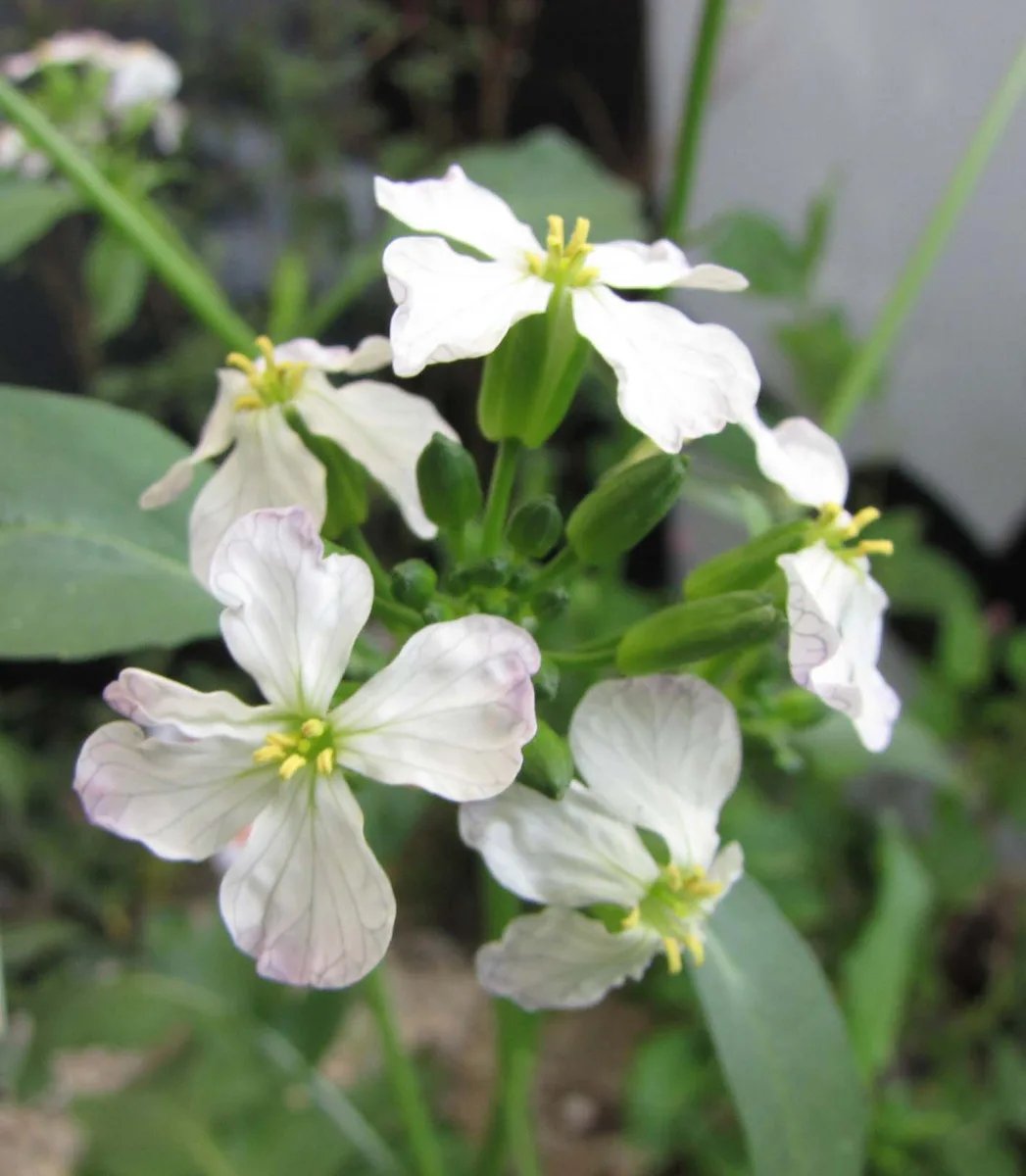
_Raphanus_sativus_v_longipinnatus_-%E9%A6%99%E6%B8%AF%E8%8A%B1%E5%B1%95_Hong_Kong_Flower_Show-_(9237504205).jpg)
Explore the Radish plant profile →
On this page
- Choose an Open-Pollinated Variety
- Expect Hybrid Offspring to Vary
- Select Roots Before Seed Production
- Evaluate Root Shape
- Evaluate Root Color
- Evaluate Texture and Flavor
- Avoid Diseased Seed Parents
- Understand Radish Pollination
- Expect Crossing Between Varieties
- Use Isolation if Purity Matters
- Watch for Nearby Flowering Radishes
- Save From Several Plants
- Allow Selected Plants to Bolt
- Expect Tall Branching Growth
- Support Plants if Needed
- Watch Flowers Develop
- Allow Pods to Mature Fully
- Do Not Harvest Green Pods Too Early
- Watch Pods Turn Tan or Brown
- Expect Uneven Maturity
- Harvest During Dry Weather
- Harvest Before Heavy Shattering
- Cut Whole Seed Stalks if Helpful
- Finish Drying Under Cover
- Do Not Pile Damp Material
- Thresh Dry Pods
- Work Over a Tarp or Tray
- Separate Seed From Pod Fragments
- Inspect Seed Quality
- Dry Cleaned Seed Thoroughly
- Label the Storage Container
- Keep Different Varieties Separate
- Store Seed Cool and Dry
- Test Older Seed
- Grow Out Saved Seed
- Remove Clear Off-Types
- Keep Selection Records
- Practical Takeaway
Choose an Open-Pollinated Variety
Open-pollinated radishes are generally the best choice when saved seed is expected to reproduce the parent variety reliably.
Expect Hybrid Offspring to Vary
Seed from hybrid radishes may produce roots that differ in color, shape, size, maturity, flavor, or texture.
Select Roots Before Seed Production
Good seed saving begins by identifying roots with the characteristics you want to preserve.
Evaluate Root Shape
Choose roots that match the expected form of the variety rather than obvious off-types.
Evaluate Root Color
Save from plants with the intended skin and flesh color when those traits are important.
Evaluate Texture and Flavor
When possible, base selection on plants that produced crisp roots with desirable eating quality.
Avoid Diseased Seed Parents
Do not intentionally save from severely diseased or badly damaged plants when healthier options are available.
Understand Radish Pollination
Radish flowers attract bees and other insects that can transfer pollen among plants.
Expect Crossing Between Varieties
Compatible radish varieties flowering together can cross readily.
Use Isolation if Purity Matters
Distance, flowering-time isolation, or controlled pollination may be needed to maintain a particular variety.
Watch for Nearby Flowering Radishes
Volunteer plants or neighboring garden radishes can contribute pollen if they flower at the same time.
Save From Several Plants
Using multiple true-to-type parents helps preserve more genetic diversity than relying on one plant.
Allow Selected Plants to Bolt
Seed plants must be allowed to send up tall flowering stalks instead of being harvested for roots.
Expect Tall Branching Growth
Seed-stage radishes look very different from the compact root crop and can occupy substantial space.
Support Plants if Needed
Tall seed stalks may lean or lodge in wind and can benefit from staking in exposed locations.
Watch Flowers Develop
Radish plants produce clusters of flowers that are followed by elongated seed pods.
Allow Pods to Mature Fully
Seed continues developing as pods enlarge and change from green to dry.
Do Not Harvest Green Pods Too Early
Immature pods can contain seed that has not reached full viability.
Watch Pods Turn Tan or Brown
Mature pods become dry and brittle as the seed inside finishes ripening.
Expect Uneven Maturity
Different pods on the same plant may mature at different times.
Harvest During Dry Weather
Dry pods are easier to process and less likely to mold.
Harvest Before Heavy Shattering
Very dry pods may split or drop seed if left too long.
Cut Whole Seed Stalks if Helpful
Nearly mature plants can be cut and moved under cover for final drying.
Finish Drying Under Cover
Hang or spread stalks in a protected, ventilated area until pods are fully dry.
Do Not Pile Damp Material
Dense piles of green stems and pods can trap moisture and encourage mold.
Thresh Dry Pods
Crush or rub mature pods to release seed.
Work Over a Tarp or Tray
A contained surface makes threshing easier and reduces seed loss.
Separate Seed From Pod Fragments
Use screens, hand sorting, or gentle winnowing to remove chaff.
Inspect Seed Quality
Keep firm mature seed and remove obviously damaged, moldy, or undeveloped material.
Dry Cleaned Seed Thoroughly
Make sure seed is fully dry before storage.
Label the Storage Container
Record variety, harvest year, source, and isolation notes.
Keep Different Varieties Separate
Radish seed lots can look very similar after cleaning, so clear labels are important.
Store Seed Cool and Dry
Stable low-humidity conditions help preserve viability.
Test Older Seed
A germination test can show whether stored radish seed remains useful.
Grow Out Saved Seed
The next generation helps reveal whether unexpected crossing occurred.
Remove Clear Off-Types
If maintaining a named variety, do not allow strongly atypical plants to contribute to the next seed generation.
Keep Selection Records
Record root quality, shape, color, maturity, flavor, bolting behavior, and disease response.
Practical Takeaway
Save radish seed by selecting true-to-type roots, allowing several healthy plants to flower, isolating compatible varieties, harvesting mature dry pods, threshing and cleaning carefully, and storing fully dry labeled seed.