Saving Parsley Seeds
Parsley is a biennial that usually produces leaves and roots during its first season, then flowers and sets seed after exposure to winter conditions. Saving parsley seed takes more patience than saving seed from annual herbs, but the process is straightforward once plants survive into their flowering year. Isolation, healthy parent selection, and careful harvest timing are especially important.
.JPG)

Explore the Parsley plant profile →
On this page
- Understand the Biennial Life Cycle
- Choose an Open-Pollinated Variety
- Expect Hybrid Offspring to Vary
- Select Healthy First-Year Plants
- Select Before Flowering Begins
- Preserve Enough Seed Parents
- Overwinter According to Climate
- Protect Crowns From Rot
- Protect Plants From Severe Weather
- Mark Seed Plants Clearly
- Expect Flowering Stalks in the Second Season
- Support Tall Stems if Needed
- Understand Parsley Pollination
- Isolate Compatible Parsley Varieties
- Use Crop-Specific Isolation Guidance
- Use Time Isolation Where Practical
- Watch Nearby Flowering Parsley
- Remove Off-Types Before Flowering
- Watch Umbels Develop
- Expect Uneven Seed Maturity
- Do Not Harvest Green Seed Too Early
- Watch Seed Heads Turn Brown
- Check Plants Frequently Near Harvest
- Harvest Mature Umbels in Stages
- Harvest During Dry Weather
- Cut Mature Seed Heads Into Bags
- Keep Varieties Separate
- Finish Drying Under Cover
- Spread Material Loosely
- Do Not Seal Damp Material
- Thresh Dry Seed Heads
- Work Over a Tray
- Separate Seed From Chaff
- Use Gentle Airflow
- Inspect Seed Quality
- Dry Cleaned Seed Thoroughly
- Label the Container
- Keep Harvest Years Separate
- Store Seed Cool and Dry
- Protect Seed From Moisture
- Check Stored Seed Periodically
- Test Older Seed
- Keep Selection Records
- Save From Several Good Plants
- Track Second-Year Performance
- Practical Takeaway
Understand the Biennial Life Cycle
Parsley generally grows vegetatively during the first season and flowers during the next reproductive stage.
Choose an Open-Pollinated Variety
Open-pollinated parsley is generally the most predictable choice for home seed saving.
Expect Hybrid Offspring to Vary
Seed from hybrid parsley may produce plants that differ in leaf form, flavor, vigor, or maturity.
Select Healthy First-Year Plants
Choose vigorous plants with the leaf type, flavor, color, and growth habit you want to preserve.
Select Before Flowering Begins
Evaluate plants while they are still in their normal leafy stage rather than waiting until all energy shifts to seed production.
Preserve Enough Seed Parents
Using several healthy plants helps maintain broader genetic diversity.
Overwinter According to Climate
Parsley may survive outdoors in mild conditions, while colder regions may require protection or other management.
Protect Crowns From Rot
Overwintering plants need drainage and should not remain in persistently saturated soil.
Protect Plants From Severe Weather
Plants being carried through winter should remain alive and healthy enough to resume strong growth when conditions improve.
Mark Seed Plants Clearly
Keep durable labels on selected plants through winter and spring regrowth.
Expect Flowering Stalks in the Second Season
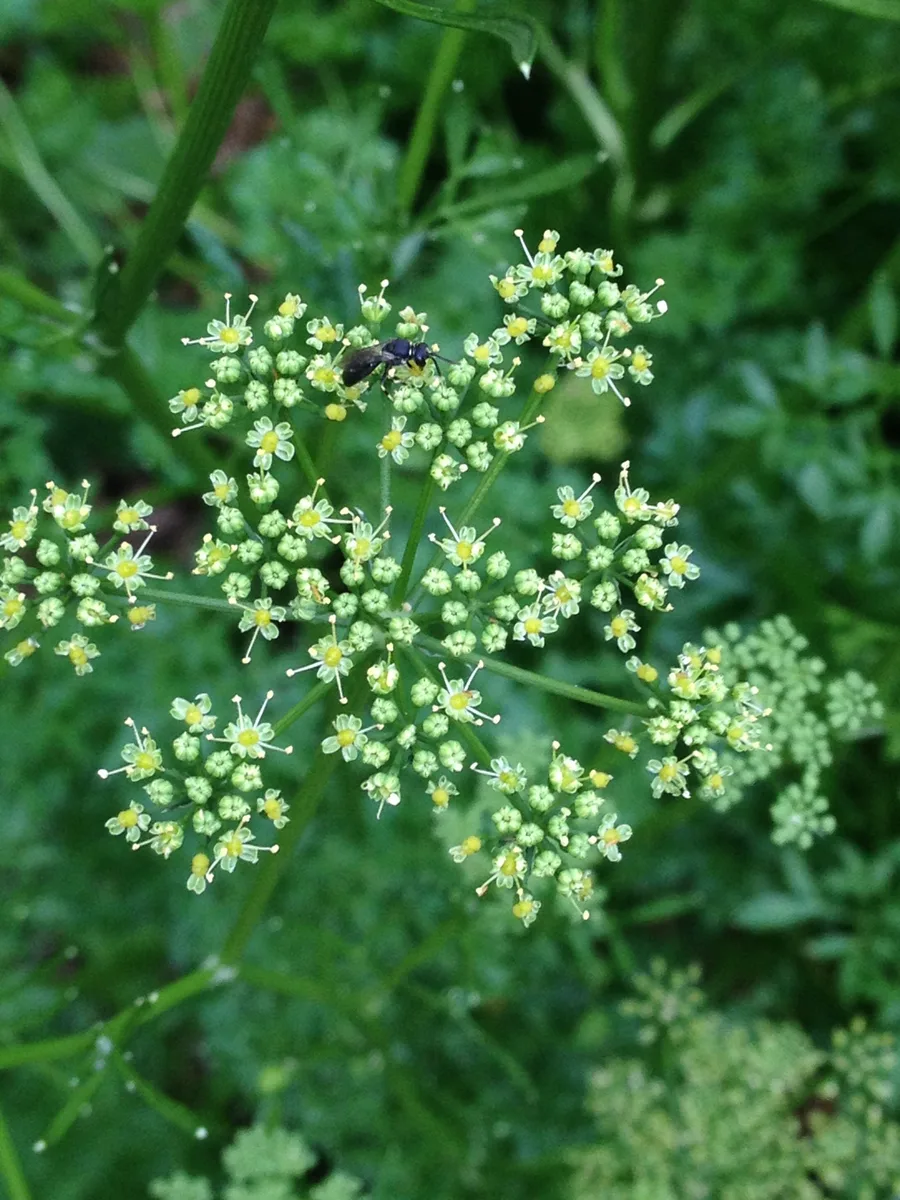
Mature parsley sends up tall branching stems topped with umbrella-shaped clusters of flowers.
Support Tall Stems if Needed
Flowering stalks may lean or break in exposed locations.
Understand Parsley Pollination
Parsley flowers attract insects that can move pollen among compatible plants.
Isolate Compatible Parsley Varieties
Different parsley varieties flowering together can cross.
Use Crop-Specific Isolation Guidance
The amount of separation needed depends on desired purity and local pollinator activity.
Use Time Isolation Where Practical
Non-overlapping flowering periods can reduce opportunities for unwanted crossing.
Watch Nearby Flowering Parsley
Volunteer plants or neighboring garden varieties can contribute pollen.
Remove Off-Types Before Flowering
Plants that clearly differ from the desired variety should not become pollen parents.
Watch Umbels Develop
Parsley flowers form in clusters that later produce many small seeds.
Expect Uneven Seed Maturity
Different umbels can ripen at different times on the same plant.
Do Not Harvest Green Seed Too Early
Immature seed may not have good viability or storage quality.
Watch Seed Heads Turn Brown
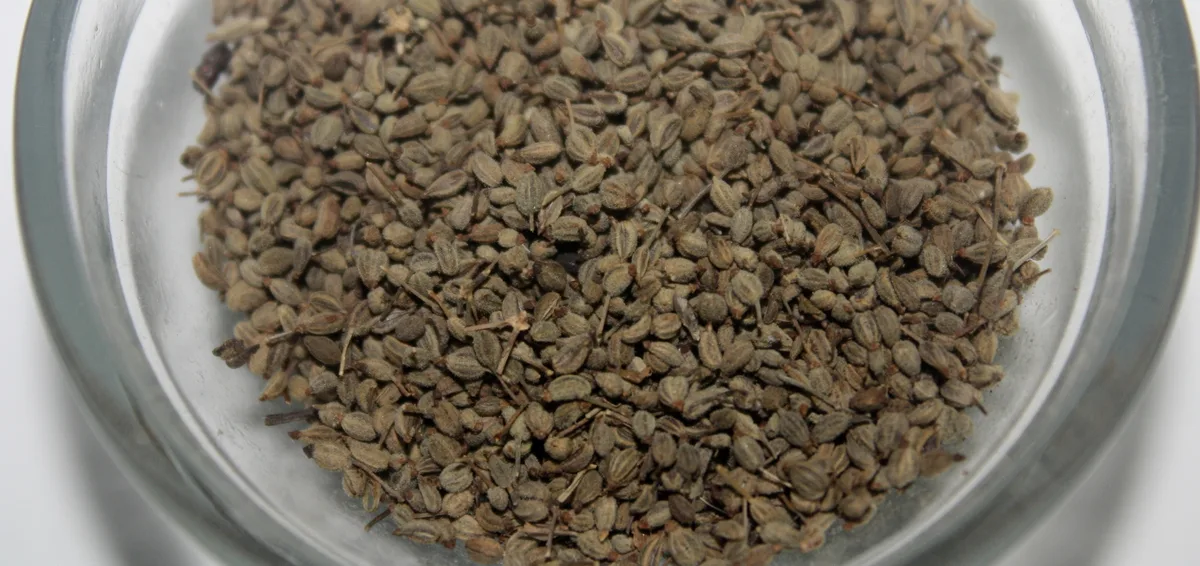
Mature seed clusters become dry and tan to brown as seed ripens.
Check Plants Frequently Near Harvest
Dry parsley seed can scatter if left too long in wind or storms.
Harvest Mature Umbels in Stages
Because different flower clusters ripen at different times, several small harvests may produce better seed than cutting the entire plant at once.
Harvest During Dry Weather
Dry umbels are easier to process and less likely to mold.
Cut Mature Seed Heads Into Bags
Use paper bags or other clean containers to catch loose seed during harvest.
Keep Varieties Separate
Use a different labeled container for each intended seed lot.
Finish Drying Under Cover
Spread harvested umbels in a protected, ventilated place.
Spread Material Loosely
Avoid piling freshly cut seed heads into a dense mass where moisture can remain trapped.
Do Not Seal Damp Material
Trapped moisture can cause mold and reduce seed viability.
Thresh Dry Seed Heads
Rub or shake mature umbels to release seed.
Work Over a Tray
A contained surface helps prevent loss during threshing and cleaning.
Separate Seed From Chaff
Use screens, hand sorting, or gentle winnowing to remove dry flower fragments.
Use Gentle Airflow
Parsley seed is small enough to be lost during aggressive winnowing.
Inspect Seed Quality
Remove obviously damaged, moldy, or undeveloped material.
Dry Cleaned Seed Thoroughly
Ensure seed is fully dry before sealing it for storage.
Label the Container
Record variety, harvest year, source, and isolation notes.
Keep Harvest Years Separate
Separate lots make it easier to track age and compare germination performance.
Store Seed Cool and Dry
Stable low-humidity conditions help preserve viability.
Protect Seed From Moisture
Repeated exposure to humidity can shorten storage life even after seed was dried properly.
Check Stored Seed Periodically
Look for condensation, mold, insects, or other signs that storage conditions need correction.
Test Older Seed
A germination test can show whether an older parsley lot remains useful.
Keep Selection Records
Document leaf shape, flavor, vigor, winter survival, bolting time, and disease response.
Save From Several Good Plants
Maintaining multiple healthy seed parents helps avoid narrowing the population unnecessarily.
Track Second-Year Performance
Notes on winter survival, flowering strength, and seed production can help guide future parent selection.
Practical Takeaway
Save parsley seed by selecting healthy first-year plants, overwintering them successfully, isolating compatible varieties, allowing second-year flower heads to mature fully, harvesting before seed scatters, and storing thoroughly dried labeled seed.