Saving Nasturtium Seeds
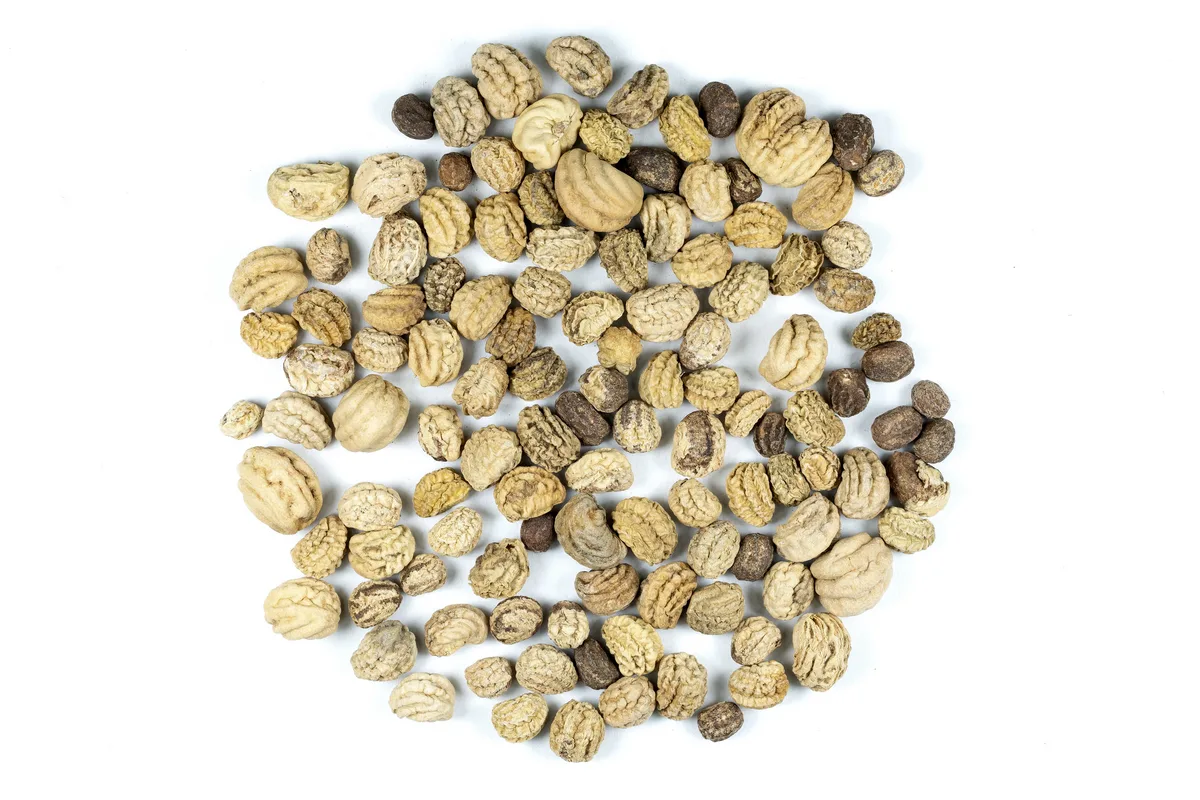
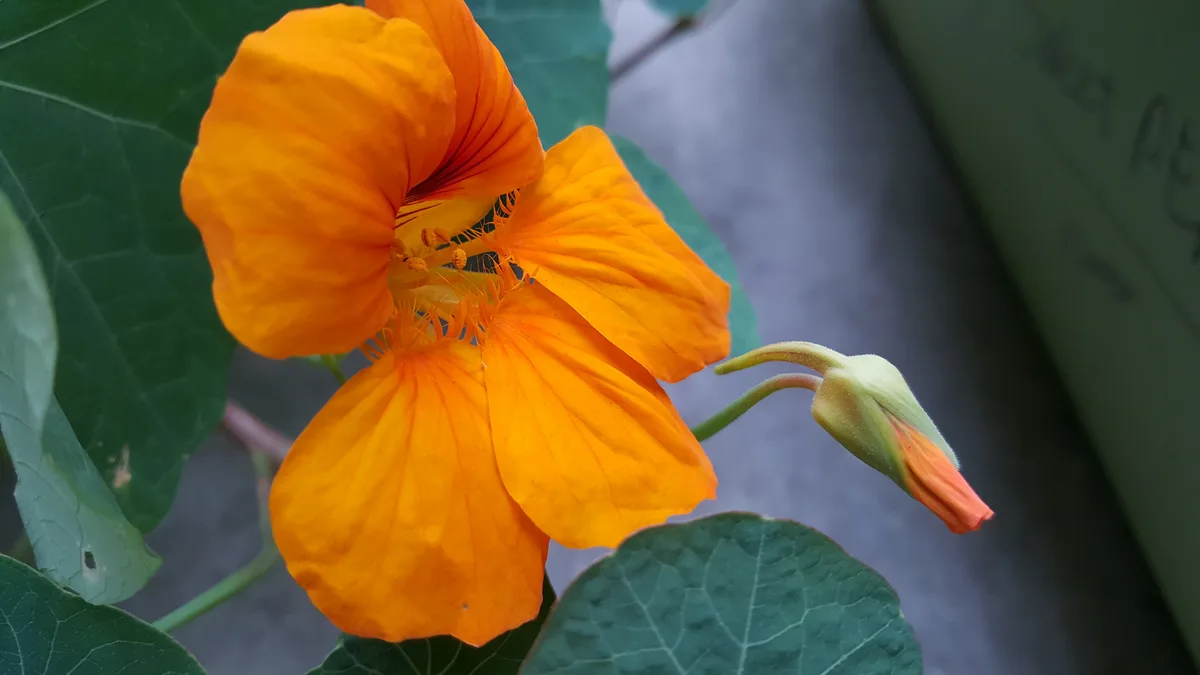
Nasturtiums produce large, easy-to-handle seeds after their bright flowers fade. Unlike many dry-seeded flowers, the seed often drops while still somewhat green and finishes drying after collection. Saving seed is simple, but varieties flowering together may cross through pollinating insects, so home-saved offspring can vary in flower color, growth habit, or leaf form.


Explore the Nasturtium plant profile →
On this page
- Choose Healthy Parent Plants
- Know the Variety
- Choose Open-Pollinated Plants for Predictability
- Expect Hybrid Offspring to Vary
- Understand Pollination
- Expect Crossing in Mixed Plantings
- Use Isolation if Purity Matters
- Label Seed Parents Early
- Leave Selected Flowers to Mature
- Watch Seed Form After Flowering
- Expect Seed to Drop Before Fully Dry
- Check Beneath Plants Frequently
- Harvest Seed From the Plant When Loose
- Do Not Collect Soft Rotting Seed
- Harvest During Dry Conditions When Possible
- Keep Varieties Separate
- Finish Drying After Harvest
- Do Not Seal Fresh Seed Immediately
- Turn Seed During Drying
- Provide Good Ventilation
- Avoid Excessive Heat
- Watch for Shrinking
- Allow Plenty of Drying Time
- Inspect Seed Before Storage
- Label the Storage Container
- Keep Years Separate
- Store Cool and Dry
- Protect Seed From Moisture
- Test Older Seed
- Expect a Hard Seed Coat
- Use Scarification if Appropriate
- Do Not Damage the Embryo
- Expect Volunteer Plants
- Use Volunteers Carefully for Variety Maintenance
- Expect Flower Color Variation
- Select for Desired Growth Habit
- Save From Several Plants
- Keep Selection Records
- Practical Takeaway
Choose Healthy Parent Plants
Select vigorous nasturtiums with desirable flower color, plant habit, leaf form, bloom time, and overall performance.
Know the Variety
Trailing, climbing, compact, and variegated types can differ substantially in growth.
Choose Open-Pollinated Plants for Predictability
Open-pollinated varieties are generally easier to maintain consistently than hybrids.
Expect Hybrid Offspring to Vary
Seed from hybrids may produce different flower colors, plant sizes, or foliage traits.
Understand Pollination
Bees and other insects can move pollen among compatible nasturtium flowers.
Expect Crossing in Mixed Plantings
Different varieties blooming together may produce genetically mixed seed.
Use Isolation if Purity Matters
Greater separation, timing, or controlled pollination may be useful when maintaining a particular line.
Label Seed Parents Early
Mark desirable plants before flowering ends so their traits remain known.
Leave Selected Flowers to Mature
Do not remove every spent flower if seed saving is planned.
Watch Seed Form After Flowering
Large rounded seed structures develop where flowers were attached.
Expect Seed to Drop Before Fully Dry
Nasturtium seed often falls from the plant while still pale or slightly green.
Check Beneath Plants Frequently
Mature seed can collect on the soil under spreading vines.
Harvest Seed From the Plant When Loose
Seed that detaches easily is generally more mature than seed that must be pulled forcefully.
Do Not Collect Soft Rotting Seed
Seed that has begun decomposing on wet ground may not store well.
Harvest During Dry Conditions When Possible
Seed collected from dry soil is easier to finish drying safely.
Keep Varieties Separate
Use different labeled containers for each intended seed lot.
Finish Drying After Harvest
Spread seed in a single layer in a dry ventilated location.
Do Not Seal Fresh Seed Immediately
Nasturtium seed may contain substantial internal moisture when first collected.
Turn Seed During Drying
Occasional movement helps expose all sides to airflow.
Provide Good Ventilation
Air movement helps prevent mold while the thick seed dries.
Avoid Excessive Heat
Do not attempt to force drying with high temperatures that could damage viability.
Watch for Shrinking
Nasturtium seed often becomes smaller and more wrinkled as it dries.
Allow Plenty of Drying Time
Large fleshy seeds generally take longer to dry than thin dry flower seed.
Inspect Seed Before Storage
Remove seed that is moldy, soft, badly damaged, or obviously decaying.
Label the Storage Container
Record variety, flower color, harvest year, and any useful parent information.
Keep Years Separate
Separate seed lots make age and germination performance easier to track.
Store Cool and Dry
Stable low-humidity storage helps preserve viability after the seed is fully dry.
Protect Seed From Moisture
Thick seed can mold if storage conditions become humid.
Test Older Seed
A germination test can show whether stored nasturtium seed remains useful.
Expect a Hard Seed Coat
Dried nasturtium seed has a firm outer coat that can slow water uptake during germination.
Use Scarification if Appropriate
Light abrasion or nicking can help some older or hard seed absorb water more readily.
Do Not Damage the Embryo
If scarifying, work only on the outer coat and avoid deep cuts.
Expect Volunteer Plants
Seed left on the ground may sprout naturally when conditions are suitable.
Use Volunteers Carefully for Variety Maintenance
Parentage can be uncertain when several varieties flowered together.
Expect Flower Color Variation
Open pollination can create new color combinations in the next generation.
Select for Desired Growth Habit
Save from compact, trailing, climbing, or variegated plants according to your goals.
Save From Several Plants
Using multiple suitable parents preserves broader diversity.
Keep Selection Records
Record flower color, vine length, leaf traits, bloom duration, heat tolerance, and vigor.
Practical Takeaway
Save nasturtium seed by selecting desirable plants, collecting large mature seeds as they loosen or fall, drying them thoroughly with good airflow before storage, and labeling each seed lot with variety, year, and parent information.