Saving Marigold Seeds
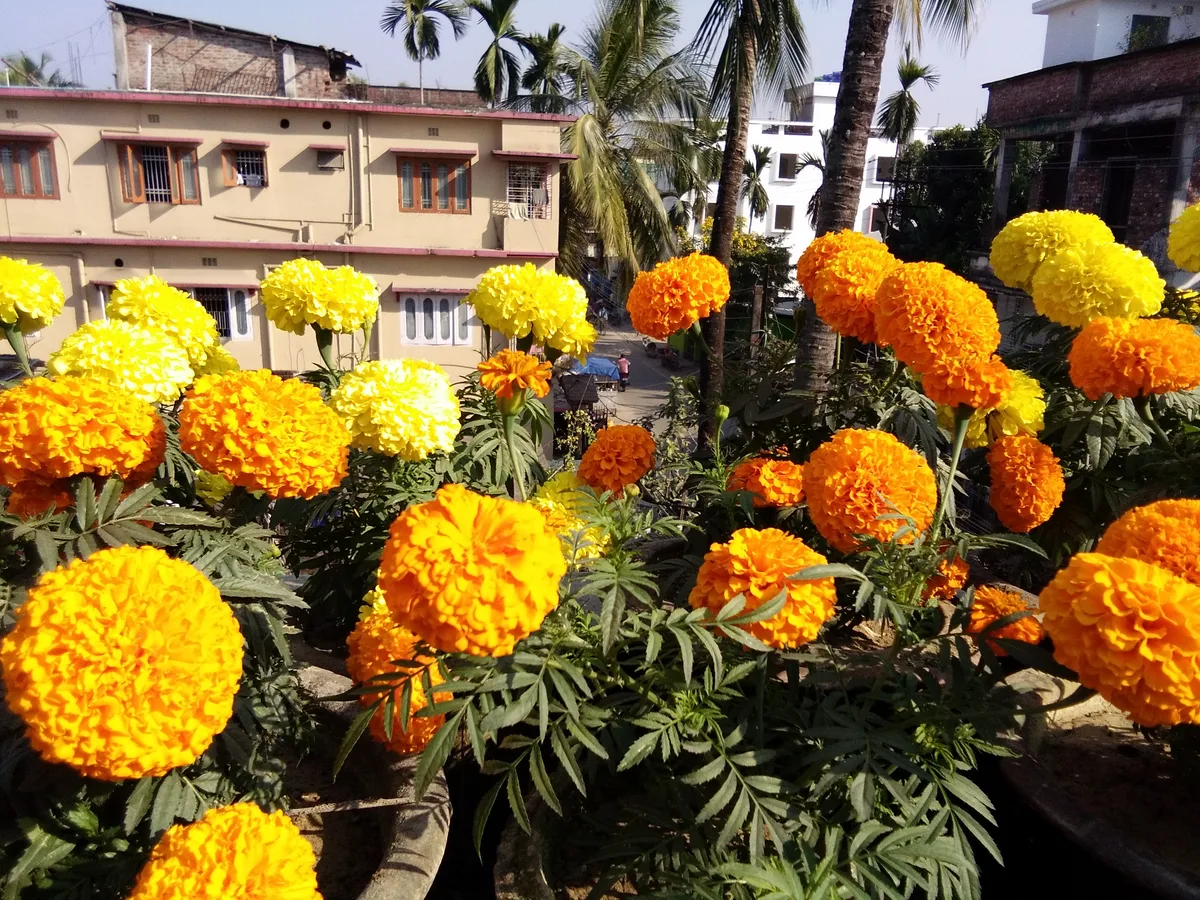
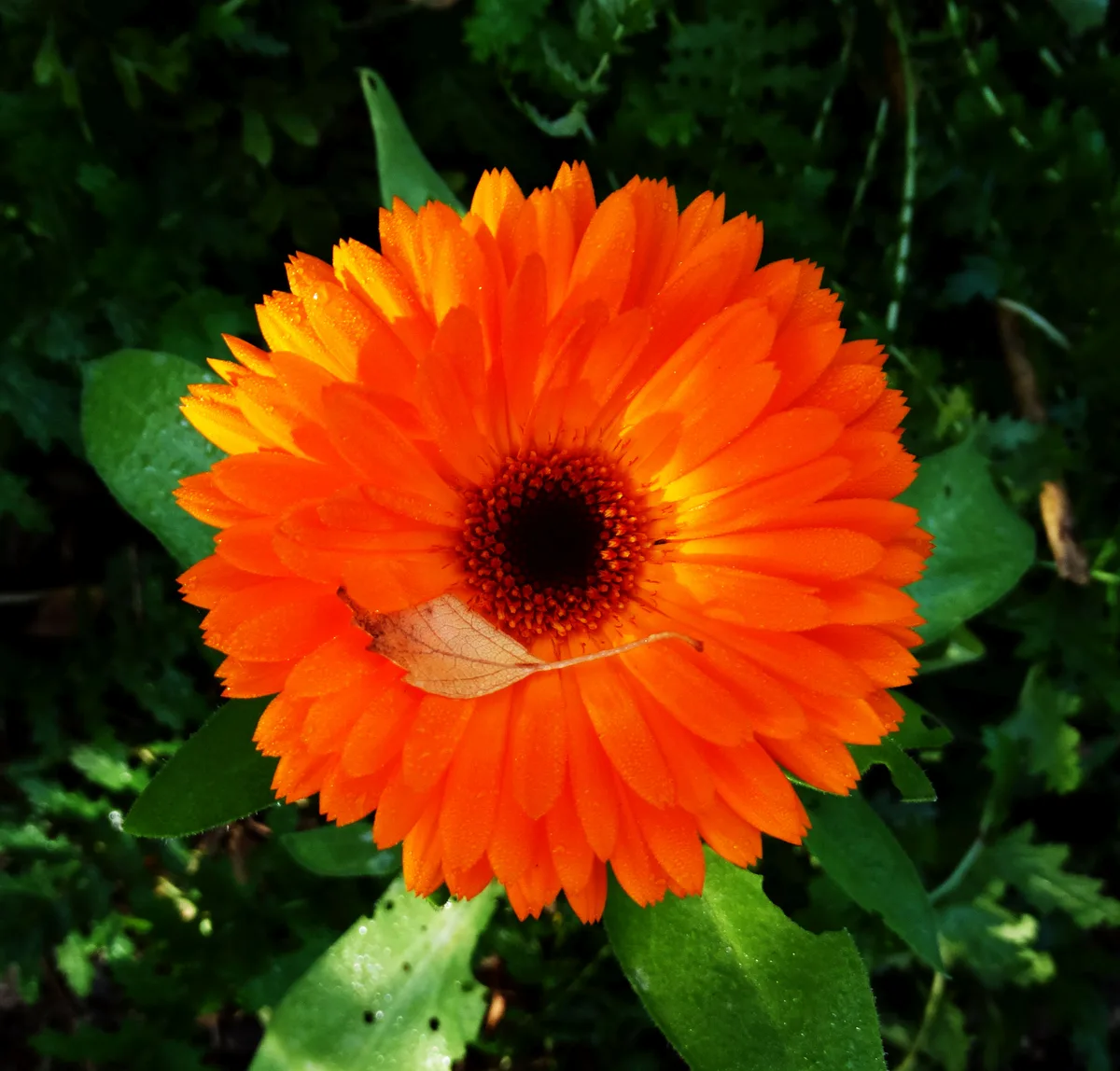
Marigolds produce easy-to-handle seeds inside dry flower heads after petals fade. Saving seed requires little equipment, but offspring can vary when different marigold varieties cross or when seed comes from hybrids. Selecting healthy plants, letting flower heads dry fully, and keeping seed lots labeled makes home seed saving simple and repeatable.

.jpg)
Explore the Marigold plant profile →
On this page
- Identify the Marigold Type
- Choose Healthy Parent Plants
- Choose Open-Pollinated Varieties for Predictability
- Expect Hybrid Offspring to Vary
- Understand Marigold Pollination
- Expect Crossing in Mixed Plantings
- Use Isolation if Purity Matters
- Label Seed Parents Early
- Leave Selected Flowers to Mature
- Watch Flower Heads Dry
- Do Not Harvest Too Early
- Check for Mature Seed Color
- Harvest During Dry Weather
- Pinch or Cut Dry Flower Heads
- Keep Varieties Separate
- Finish Drying Indoors
- Do Not Seal Damp Heads
- Open Dry Flower Heads
- Work Over a Tray
- Separate Petal and Flower Debris
- Inspect Seed Quality
- Dry Cleaned Seed Completely
- Label the Storage Container
- Keep Different Years Separate
- Store Seed Cool and Dry
- Protect Seed From Humidity
- Test Older Seed
- Expect Volunteer Seedlings
- Use Volunteers Carefully for Variety Maintenance
- Expect Color Segregation
- Select Desired Offspring
- Remove Off-Types if Maintaining a Named Variety
- Save From Several Plants
- Keep Notes on Plant Performance
- Leave Some Flowers for Pollinators
- Do Not Store Seed With Fresh Plant Material
- Use Saved Seed for Future Selection
- Practical Takeaway
Identify the Marigold Type
French, African, signet, and other marigold types can differ in height, flower size, color, and growth habit.
Choose Healthy Parent Plants
Select vigorous plants with the flower color, form, plant size, branching, and performance you want to preserve.
Choose Open-Pollinated Varieties for Predictability
Open-pollinated marigolds are generally easier to maintain consistently through saved seed.
Expect Hybrid Offspring to Vary
Seed from hybrid plants may produce different colors, flower forms, or heights in the next generation.
Understand Marigold Pollination
Pollinating insects can move pollen among compatible marigold flowers.
Expect Crossing in Mixed Plantings
Different varieties flowering near one another may produce mixed offspring.
Use Isolation if Purity Matters
Greater separation or controlled pollination may be needed when maintaining a named line.
Label Seed Parents Early
Mark desirable plants before flowers fade so their traits are not forgotten.
Leave Selected Flowers to Mature
Do not deadhead every bloom from plants chosen for seed.
Watch Flower Heads Dry
After petals fade, the base of the flower becomes dry and papery as seed matures.
Do Not Harvest Too Early
Green or soft flower heads may contain immature seed.
Check for Mature Seed Color
Marigold seed is usually dark along much of its length with a pale tip when mature.
Harvest During Dry Weather
Dry heads are easier to process and less likely to develop mold.
Pinch or Cut Dry Flower Heads
Remove mature heads gently and place them directly into a labeled container.
Keep Varieties Separate
Use a different bag or envelope for each intended seed lot.
Finish Drying Indoors
Allow flower heads to dry fully in a protected, ventilated location before storage.
Do Not Seal Damp Heads
Trapped moisture can cause mold and reduce seed quality.
Open Dry Flower Heads
Pull apart the papery base to expose the slender seeds packed inside.
Work Over a Tray
A contained surface keeps the seeds from scattering during cleaning.
Separate Petal and Flower Debris
Remove dry petals, husks, stems, and other chaff from the seed.
Inspect Seed Quality
Keep mature firm seed and remove clearly damaged, moldy, or undeveloped pieces.
Dry Cleaned Seed Completely
Spread seed in a thin layer if residual moisture is possible.
Label the Storage Container
Record variety, flower color, harvest year, and parent information if known.
Keep Different Years Separate
Separate lots make age and germination results easier to track.
Store Seed Cool and Dry
Stable dry conditions help preserve viability.
Protect Seed From Humidity
Repeated moisture exposure can shorten storage life.
Test Older Seed
A germination test can show whether an older marigold lot remains useful.
Expect Volunteer Seedlings
Seed dropped naturally can germinate around previous plantings when conditions are favorable.
Use Volunteers Carefully for Variety Maintenance
Volunteer plants may have uncertain parentage in mixed beds.
Expect Color Segregation
Saved seed from mixed or hybrid plantings may produce flowers in unexpected colors or patterns.
Select Desired Offspring
If developing your own line, continue saving only from plants that express the traits you want.
Remove Off-Types if Maintaining a Named Variety
Plants that differ strongly from the desired type should not contribute seed to the next generation.
Save From Several Plants
Using multiple suitable parents helps maintain broader diversity.
Keep Notes on Plant Performance
Record flower production, heat tolerance, plant size, disease response, and bloom duration.
Leave Some Flowers for Pollinators
Seed saving does not require removing every mature head, and blooming plants can continue supporting insects.
Do Not Store Seed With Fresh Plant Material
Green stems or petals can introduce moisture into an otherwise dry seed lot.
Use Saved Seed for Future Selection
Repeated selection from strong locally adapted plants can shape an open-pollinated population over time.
Practical Takeaway
Save marigold seed by selecting desirable plants, allowing flower heads to turn fully dry, pulling out mature seed, cleaning and drying it thoroughly, and labeling each lot with the variety, year, and useful parent information.