Saving Lettuce Seeds
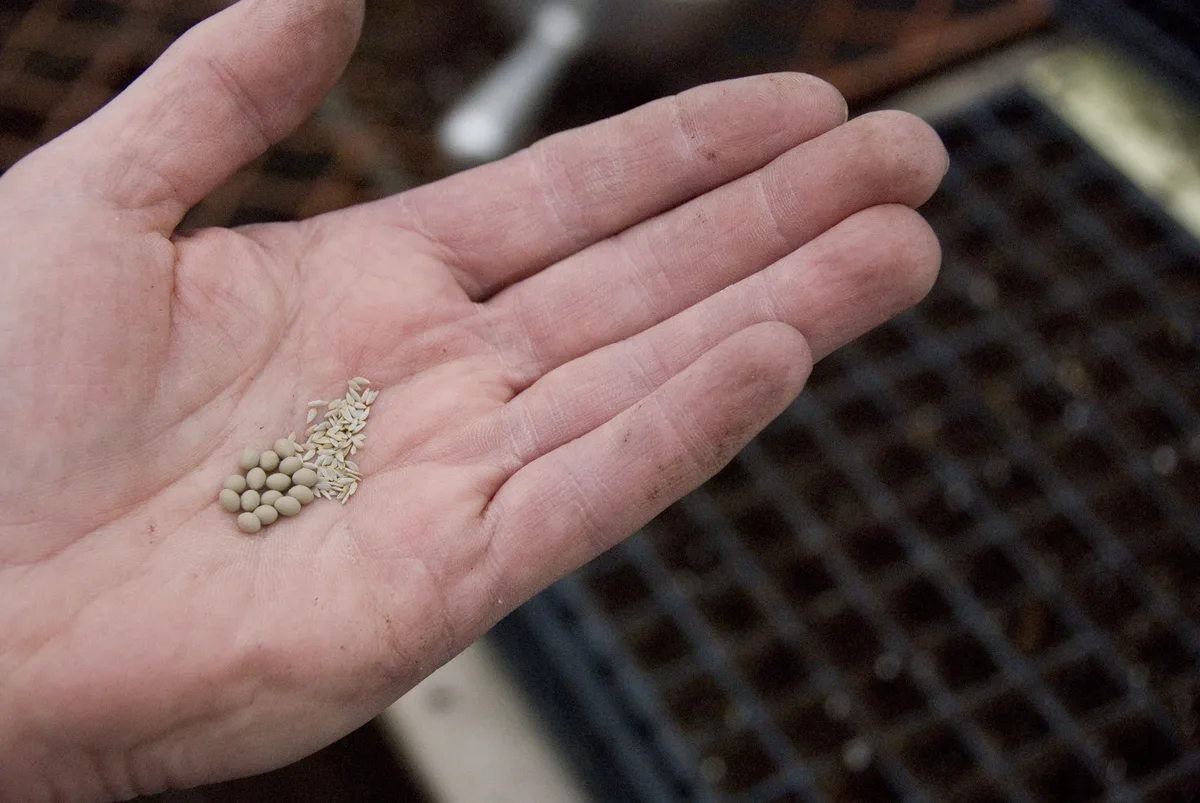
Lettuce is one of the easier vegetables to save seed from because most varieties are strongly self-pollinating. The main challenge is allowing plants to bolt, flower, and mature seed long after they stop producing high-quality leaves. Good parent selection, dry harvest conditions, and careful cleaning make it possible to maintain a favorite open-pollinated lettuce variety for future seasons.
.jpg)
.jpg)
Explore the Lettuce plant profile →
On this page
- Choose an Open-Pollinated Variety
- Expect Hybrid Offspring to Vary
- Select Healthy Parent Plants
- Select Before Bolting
- Select for Bolting Time Deliberately
- Leave Enough Seed Parents
- Allow Selected Plants to Bolt
- Expect the Plant to Change Shape
- Support Tall Plants if Needed
- Understand Lettuce Pollination
- Recognize That Crossing Is Still Possible
- Use Isolation When Purity Matters
- Label Seed Plants Clearly
- Watch Small Yellow Flowers Develop
- Expect Flowering to Continue Over Time
- Watch for Fluffy Mature Seed Heads
- Do Not Harvest Too Early
- Check Seed Firmness
- Harvest During Dry Weather
- Shake Seed Heads Into a Container
- Cut Whole Branches if Needed
- Keep Varieties Separate
- Finish Drying Under Cover
- Do Not Seal Damp Material
- Thresh Gently
- Separate Fluff and Chaff
- Avoid Strong Airflow
- Inspect Seed Quality
- Dry Cleaned Seed Completely
- Label the Storage Container
- Keep Harvest Years Separate
- Store Seed Cool and Dry
- Test Older Seed
- Grow Out Saved Seed
- Remove Clear Off-Types
- Keep Selection Records
- Practical Takeaway
Choose an Open-Pollinated Variety
Open-pollinated lettuce is generally the best choice when you want saved seed to resemble the parent plants.
Expect Hybrid Offspring to Vary
Seed saved from an F1 hybrid may produce plants that differ in head shape, color, maturity, texture, or bolting behavior.
Select Healthy Parent Plants
Choose plants that match the variety well and perform strongly under your growing conditions.
Select Before Bolting
Evaluate leaf quality, head form, color, disease tolerance, and vigor while the crop is still in its normal eating stage.
Select for Bolting Time Deliberately
If slow bolting is important, avoid saving only from plants that flower earliest.
Leave Enough Seed Parents
Saving from several good plants preserves more diversity than relying on a single specimen.
Allow Selected Plants to Bolt
Stop harvesting the chosen seed plants and allow tall flowering stalks to develop.
Expect the Plant to Change Shape
A seed-stage lettuce plant may become much taller and more branched than the leafy crop you harvested earlier.
Support Tall Plants if Needed
Bolting stalks can lean or break in wind and may benefit from staking in exposed locations.
Understand Lettuce Pollination
Lettuce flowers are mostly self-pollinating, which makes varietal maintenance easier than in many insect-pollinated crops.
Recognize That Crossing Is Still Possible
Occasional cross-pollination can occur, especially when compatible varieties flower close together.
Use Isolation When Purity Matters
Greater separation or flowering-time isolation can reduce the chance of unwanted crossing.
Label Seed Plants Clearly
Keep variety names attached to the selected plants throughout flowering and harvest.
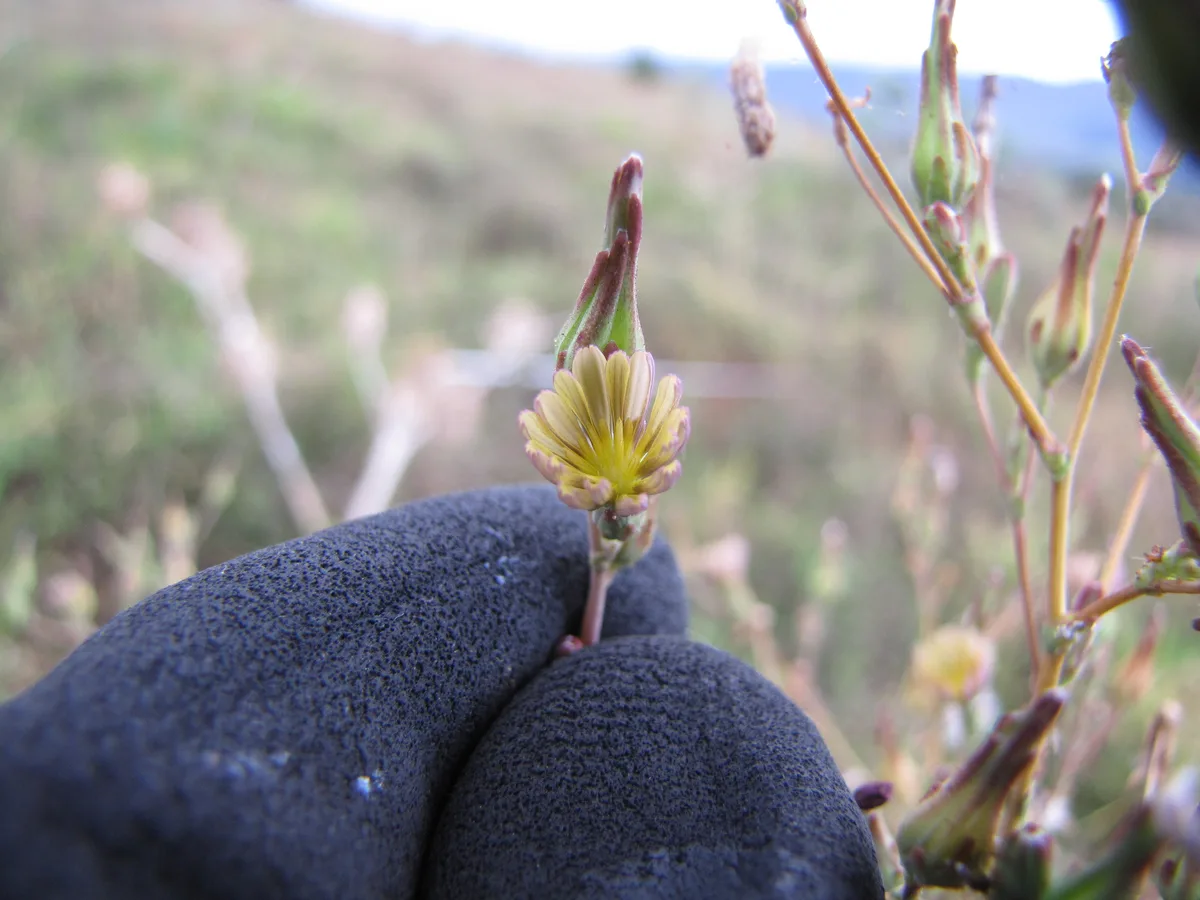
Watch Small Yellow Flowers Develop
Bolting lettuce produces many small flowers on branching stalks.
Expect Flowering to Continue Over Time
Not every flower opens or matures seed at once, so harvest is often spread over a period.
Watch for Fluffy Mature Seed Heads
Mature lettuce seed develops with light fluffy material that helps disperse it naturally.
Do Not Harvest Too Early
Green undeveloped seed may not have good viability.
Check Seed Firmness
Mature seed should be developed, dry, and firm rather than soft or translucent.
Harvest During Dry Weather
Dry seed heads are easier to collect and less likely to mold.
Shake Seed Heads Into a Container
Mature seed can be tapped or shaken into a clean bag, bucket, or tray.
Cut Whole Branches if Needed
If many heads mature together, sections of the flowering stalk can be cut and finished drying under cover.
Keep Varieties Separate
Use different labeled containers for each seed lot.
Finish Drying Under Cover
Spread harvested material in a protected, ventilated place before final cleaning.
Do Not Seal Damp Material
Moisture trapped with seed and stems can encourage mold.
Thresh Gently
Rub or shake dry flower heads enough to release seed without crushing it.
Separate Fluff and Chaff
Use screens, hand sorting, or very gentle winnowing to remove lightweight flower material.
Avoid Strong Airflow
Lettuce seed is light and can easily be blown away with the chaff.
Inspect Seed Quality
Remove obviously damaged, moldy, or poorly developed seed when practical.
Dry Cleaned Seed Completely
Spread cleaned seed in a thin layer if there is any uncertainty about moisture.
Label the Storage Container
Record variety, harvest year, source, and any isolation or selection notes.
Keep Harvest Years Separate
Separate lots make age tracking and germination testing easier.
Store Seed Cool and Dry
Stable low-humidity conditions help preserve lettuce seed viability.
Test Older Seed
A germination test can show whether an older lot remains useful for planting.
Grow Out Saved Seed
The next generation helps reveal whether the variety remained true to type.
Remove Clear Off-Types
If maintaining a named variety, avoid saving from plants that differ strongly from the desired characteristics.
Keep Selection Records
Record head type, leaf color, flavor, disease response, bolt timing, and other traits you value.
Practical Takeaway
Save lettuce seed by choosing healthy true-to-type plants, allowing them to bolt and flower, collecting mature dry seed heads over time, cleaning the light seed carefully, and storing fully dry labeled seed in stable conditions.