Saving Hollyhock Seeds
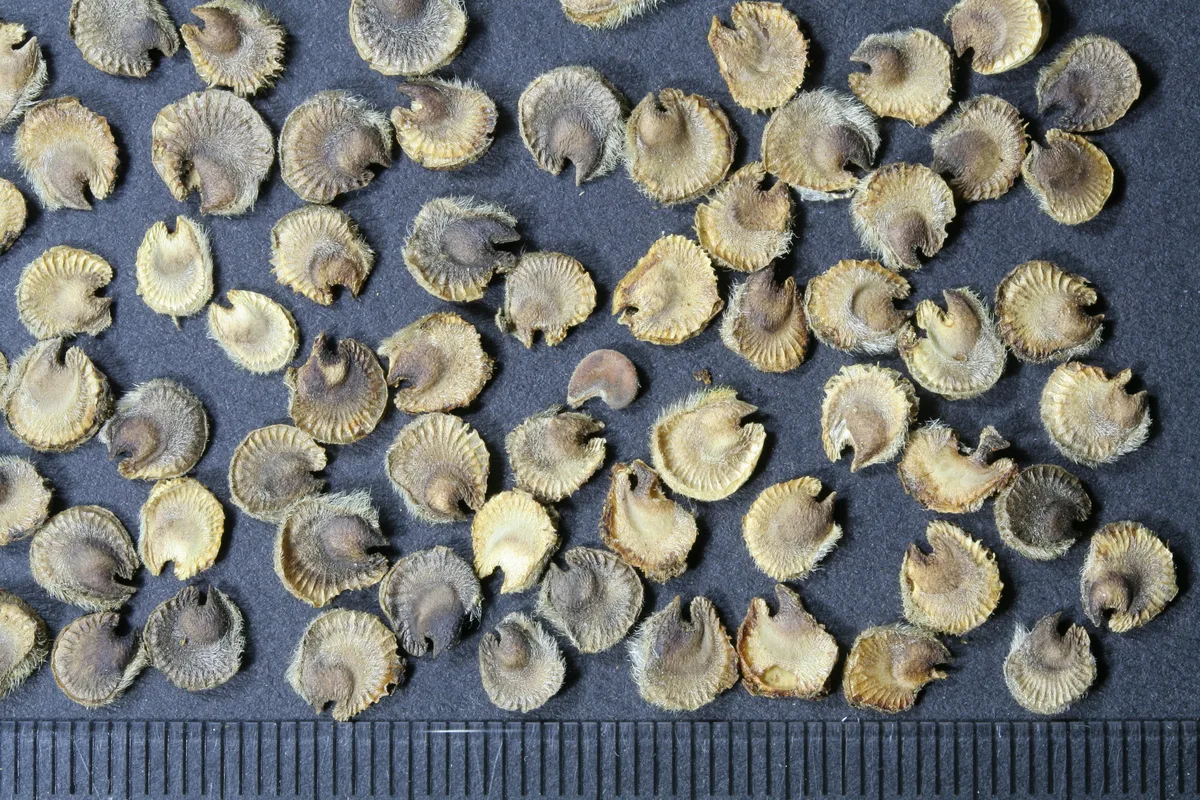
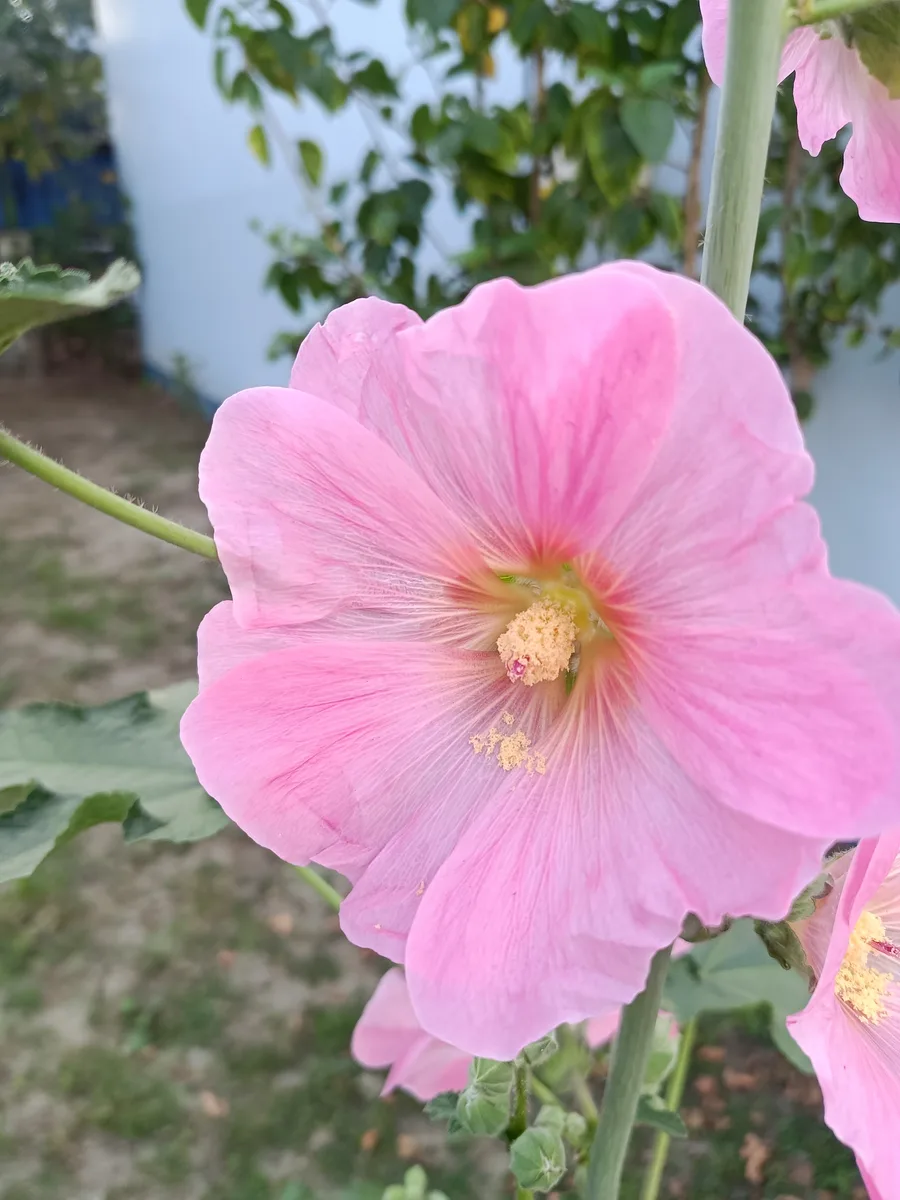
Hollyhocks produce large, easy-to-handle seed after their tall flower spikes finish blooming. Mature seed develops inside flattened round pods that dry on the stalk. Because pollinating insects can move pollen among compatible hollyhocks, saved offspring may vary in flower color, form, or height when several varieties grow together.


Explore the Hollyhock plant profile →
On this page
- Choose Healthy Parent Plants
- Identify the Variety Before Flowers Fade
- Know Whether the Plant Is Open-Pollinated
- Expect Hybrid Offspring to Vary
- Understand Hollyhock Pollination
- Expect Crossing in Mixed Plantings
- Use Isolation if Purity Matters
- Leave Selected Flowers to Form Seed
- Watch Seed Pods Develop
- Allow Pods to Mature Fully
- Watch Pods Turn Brown and Dry
- Do Not Harvest Too Early
- Check Pods Before They Open Completely
- Harvest During Dry Weather
- Use Gloves if Desired
- Cut Pods Into a Container
- Keep Varieties Separate
- Finish Drying Under Cover
- Do Not Seal Damp Pods in Plastic
- Open Dry Pods Gently
- Work Over a Tray
- Remove Chaff
- Inspect Seed Quality
- Dry Cleaned Seed Completely
- Label the Final Container
- Keep Different Parent Plants Separate if Useful
- Store Seed Cool and Dry
- Protect Seed From Moisture
- Test Older Seed
- Expect Some Seedlings to Differ
- Use Variation Deliberately
- Remove Off-Types if Maintaining a Variety
- Save From Several Plants
- Watch for Rust When Selecting Parents
- Do Not Assume Seed Carries Every Parent Trait
- Track Generations
- Allow Some Natural Self-Seeding if Desired
- Practical Takeaway
Choose Healthy Parent Plants
Select vigorous hollyhocks with the flower color, form, height, disease tolerance, and growth habit you want to preserve.
Identify the Variety Before Flowers Fade
Label desirable plants while their flower characteristics are still visible.
Know Whether the Plant Is Open-Pollinated
Open-pollinated hollyhocks are generally more predictable for seed saving than hybrids.
Expect Hybrid Offspring to Vary
Seed from hybrid plants may produce different flower colors, petal forms, heights, or growth habits.
Understand Hollyhock Pollination
Bees and other insects visit the flowers and can move pollen between compatible plants.
Expect Crossing in Mixed Plantings
Several hollyhock varieties flowering together may produce genetically mixed seed.
Use Isolation if Purity Matters
Greater separation or controlled pollination may be needed when maintaining a specific line.
Leave Selected Flowers to Form Seed
Do not remove every spent flower from plants chosen for seed production.
Watch Seed Pods Develop
After flowering, round flattened seed structures form along the stalk.
Allow Pods to Mature Fully
Seed continues developing after the petals have disappeared.
Watch Pods Turn Brown and Dry
Mature pods lose their green color and become dry and papery.
Do Not Harvest Too Early
Green pods may contain immature seed with poor viability.
Check Pods Before They Open Completely
Very mature pods can release seed onto the ground if left too long.
Harvest During Dry Weather
Dry pods are easier to handle and less likely to mold.
Use Gloves if Desired
Dry hollyhock material can be rough or irritating to sensitive skin.
Cut Pods Into a Container
Place pods directly into a bag, bucket, or tray to catch loose seed.
Keep Varieties Separate
Use labeled containers for each parent plant or intended seed lot.
Finish Drying Under Cover
Allow pods to dry thoroughly in a protected, ventilated area before final processing.
Do Not Seal Damp Pods in Plastic
Trapped moisture can cause mold and damage stored seed.
Open Dry Pods Gently
Mature pods separate easily and reveal a ring of relatively large flattened seeds.
Work Over a Tray
A contained surface makes seed collection and cleaning easier.
Remove Chaff
Separate dried pod pieces and stem fragments from the seed.
Inspect Seed Quality
Keep mature firm seed and discard obviously damaged, moldy, or poorly developed material.
Dry Cleaned Seed Completely
If seed may still contain moisture, spread it in a thin layer before storage.
Label the Final Container
Record variety or flower color, harvest year, source, and any isolation information.
Keep Different Parent Plants Separate if Useful
Separate lots allow you to compare offspring and identify which parents produced desirable traits.
Store Seed Cool and Dry
Stable low-humidity conditions help preserve viability.
Protect Seed From Moisture
Repeated dampness can reduce storage life and encourage mold.
Test Older Seed
A germination test can help determine whether stored hollyhock seed remains viable.
Expect Some Seedlings to Differ
Open pollination among different plants can create new combinations of color and flower form.
Use Variation Deliberately
If new combinations are welcome, mixed pollination can produce interesting seedlings.
Remove Off-Types if Maintaining a Variety
Plants that differ strongly from the intended type should be removed before they contribute pollen to another generation.
Save From Several Plants
Using multiple healthy parents helps maintain a broader genetic base.
Watch for Rust When Selecting Parents
Hollyhocks can suffer from rust disease, so favoring healthier plants may be useful when choosing seed parents.
Do Not Assume Seed Carries Every Parent Trait
Flower color and form can segregate in later generations, especially after crossing.
Track Generations
Record which parent plants produced the most desirable offspring over time.
Allow Some Natural Self-Seeding if Desired
Pods left on the plant can release seed around the base and produce volunteers in later seasons.
Practical Takeaway
Save hollyhock seed by selecting healthy flowering plants, allowing pods to turn fully brown and dry, harvesting before seed scatters, cleaning and drying the seed carefully, and expecting some offspring variation when compatible plants flower together.