Saving Dill Seeds
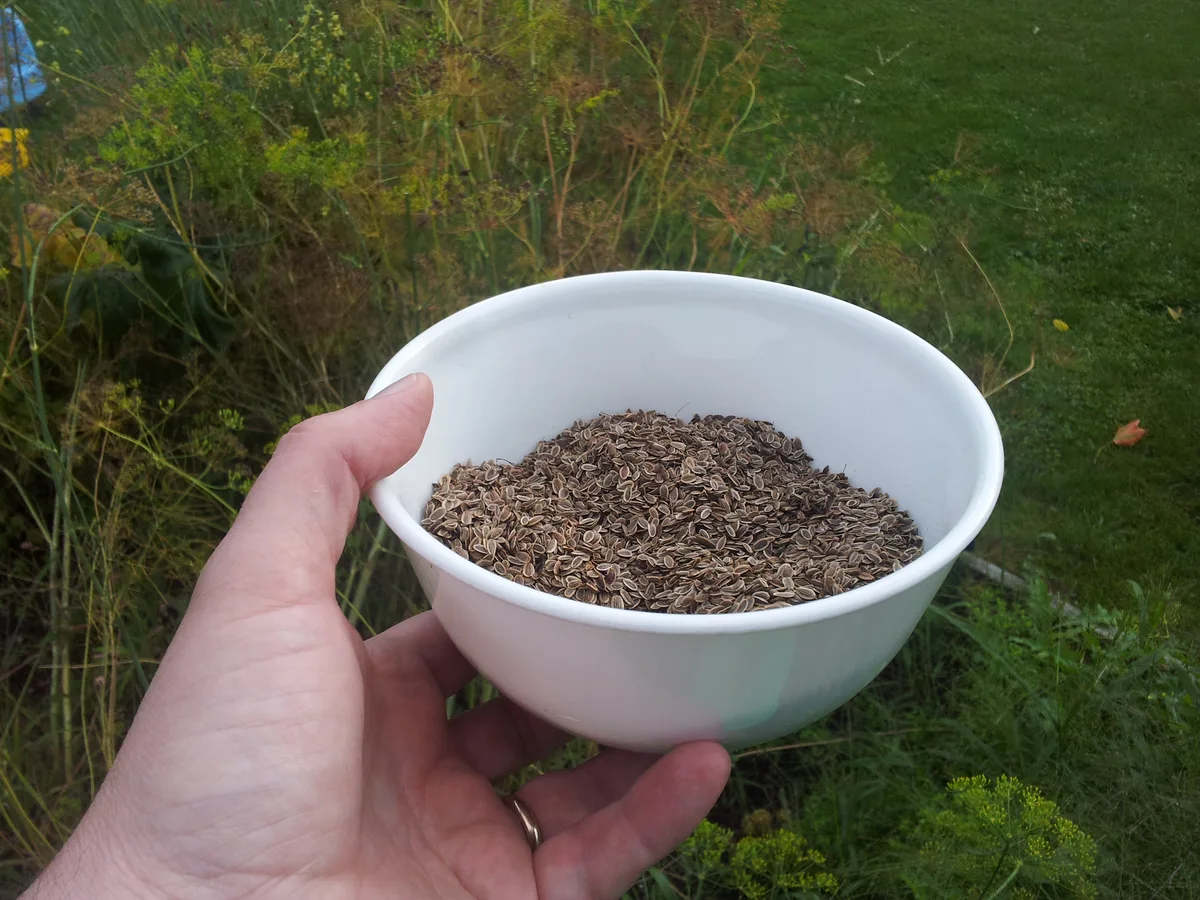
Dill produces seed in broad umbrella-shaped flower clusters after the leafy stage of growth. Seed is easy to collect once flower heads turn dry and brown, but mature seed can scatter quickly in wind or rain. Selecting healthy plants, allowing full maturity, harvesting at the right time, and keeping varieties labeled are the keys to a reliable home-saved dill supply.
.jpg)

Explore the Dill plant profile →
On this page
- Choose Healthy Parent Plants
- Choose Open-Pollinated Dill for Predictability
- Expect Hybrids to Segregate
- Allow Selected Plants to Bolt
- Understand Dill's Flower Structure
- Support Pollinating Insects
- Expect Crossing Between Dill Varieties
- Use Isolation if Purity Matters
- Use Time Isolation When Practical
- Know What Is Flowering Nearby
- Label Seed Plants
- Watch Flowers Become Green Seed
- Do Not Harvest Green Seed Too Early
- Watch Seed Heads Turn Brown
- Expect Uneven Maturity
- Check Plants Frequently Near Harvest
- Harvest Before Major Shattering
- Harvest During Dry Conditions
- Cut Umbels Into Paper Bags
- Keep Varieties Separate
- Finish Drying Under Cover
- Spread Seed Heads Loosely
- Protect Drying Seed From Rain
- Do Not Seal Damp Material
- Thresh Dry Seed Heads
- Work Over a Tray or Bowl
- Remove Stems and Chaff
- Avoid Strong Airflow
- Inspect Seed Quality
- Dry Cleaned Seed Again if Needed
- Label the Storage Container
- Keep Years Separate
- Store Cool and Dry
- Protect Seed From Humidity
- Protect Seed From Pests
- Test Older Seed
- Expect Volunteer Seedlings
- Use Volunteers Carefully for Variety Maintenance
- Select for Desired Bolting Time
- Save From Several Plants
- Keep Selection Notes
- Record the Harvest Date
- Keep Seed Lots Linked to Their Parent Plants
- Use Home-Saved Dill Seed for Succession Sowing
- Practical Takeaway
Choose Healthy Parent Plants
Select vigorous dill plants with the flavor, foliage production, height, bolting behavior, and performance you want to preserve.
Choose Open-Pollinated Dill for Predictability
Open-pollinated varieties generally give more consistent results when seed is saved from generation to generation.
Expect Hybrids to Segregate
If a hybrid dill variety is used, offspring may not match the original parent closely.
Allow Selected Plants to Bolt
Stop harvesting heavily from seed plants and allow flowering stems to develop.
Understand Dill's Flower Structure
Dill flowers form in flat or rounded umbrella-shaped clusters known as umbels.
Support Pollinating Insects
Dill flowers attract many small beneficial insects that can move pollen among plants.
Expect Crossing Between Dill Varieties
Compatible dill varieties flowering together may exchange pollen.
Use Isolation if Purity Matters
When maintaining a named variety, use suitable distance, timing, or controlled pollination methods.
Use Time Isolation When Practical
Planting varieties so their flowering periods do not overlap can reduce opportunities for unwanted crossing.
Know What Is Flowering Nearby
Other dill plants in neighboring gardens or volunteer plants can contribute pollen if they bloom at the same time.
Label Seed Plants
Keep durable labels on selected plants throughout flowering and seed maturity.
Watch Flowers Become Green Seed
After pollination, small green seeds develop where flowers were located.
Do Not Harvest Green Seed Too Early
Immature dill seed may not store or germinate well.
Watch Seed Heads Turn Brown
Mature umbels become dry and tan to brown as seed ripens.
Expect Uneven Maturity
Different umbels may mature at different times, even on the same plant.
Check Plants Frequently Near Harvest
Dill seed can fall readily once it is fully dry.
Harvest Before Major Shattering
Cut mature umbels before wind and weather scatter most of the seed.
Harvest During Dry Conditions
Dry seed heads are easier to handle and less likely to mold.
Cut Umbels Into Paper Bags
Placing heads directly into bags helps capture seed that loosens during harvest.
Keep Varieties Separate
Use a different labeled container for each intended seed lot.
Finish Drying Under Cover
Allow harvested umbels to dry in a protected, ventilated location.
Spread Seed Heads Loosely
Avoid piling damp plant material into a thick mass because trapped moisture can slow drying.
Protect Drying Seed From Rain
Repeated wetting can delay processing and increase the risk of mold.
Do Not Seal Damp Material
Trapped moisture can encourage mold and damage seed.
Thresh Dry Seed Heads
Rub or shake mature umbels to release seed.
Work Over a Tray or Bowl
A contained surface prevents small seeds from scattering.
Remove Stems and Chaff
Use hand sorting, screening, or gentle winnowing to clean the seed.
Avoid Strong Airflow
Dill seed is light enough to be lost during aggressive winnowing.
Inspect Seed Quality
Remove obviously damaged, moldy, or poorly developed material.
Dry Cleaned Seed Again if Needed
Spread seed in a thin layer if residual moisture is possible.
Label the Storage Container
Include variety, harvest year, source, and isolation notes.
Keep Years Separate
Separate lots simplify germination testing and inventory rotation.
Store Cool and Dry
Stable dry conditions help preserve viability.
Protect Seed From Humidity
Repeated moisture exposure can shorten storage life.
Protect Seed From Pests
Use clean secure containers where insects or rodents could reach stored seed.
Test Older Seed
A germination test can determine whether an older dill lot remains useful.
Expect Volunteer Seedlings
Dropped dill seed can germinate naturally in later seasons.
Use Volunteers Carefully for Variety Maintenance
Volunteer plants may have uncertain parentage if several dill varieties flowered together.
Select for Desired Bolting Time
If slow bolting is important, avoid repeatedly saving only from the earliest plants to flower.
Save From Several Plants
Using multiple healthy parents preserves more diversity than relying on one plant.
Keep Selection Notes
Record leaf quality, flavor, height, flowering time, vigor, and seed production.
Record the Harvest Date
Harvest dates can help compare maturity timing between varieties and seasons.
Keep Seed Lots Linked to Their Parent Plants
If several selections are being compared, separate lots make later performance easier to evaluate.
Use Home-Saved Dill Seed for Succession Sowing
A well-labeled seed supply makes repeated plantings easier without depending on a new packet each season.
Practical Takeaway
Save dill seed by allowing selected plants to flower and mature, harvesting dry brown umbels before heavy seed loss, threshing and cleaning gently, drying seed completely, and storing each labeled variety in cool dry conditions.