Saving Cosmos Seeds
Cosmos are prolific annual flowers that produce easy-to-harvest dry seed after blooms fade. Seed saving requires little equipment, but varieties growing together can cross through insect pollination, and hybrid offspring may differ from their parents. Waiting for seed heads to mature, harvesting before seed scatters, and keeping varieties clearly labeled are the main steps.


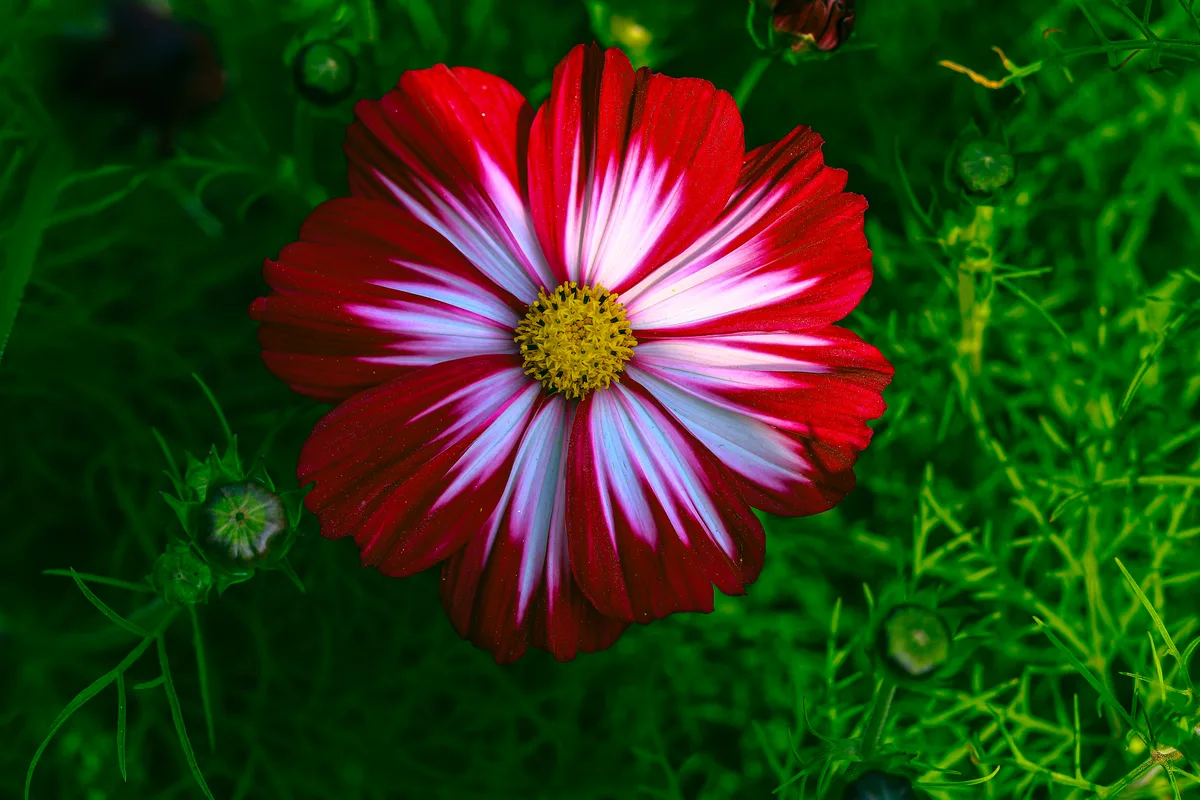

Explore the Cosmos plant profile →
On this page
- Choose Healthy Parent Plants
- Identify the Variety
- Choose Open-Pollinated Plants for Predictability
- Expect Hybrid Offspring to Vary
- Understand Cosmos Pollination
- Expect Crossing Between Nearby Varieties
- Use Isolation if Purity Matters
- Label Seed Parents Early
- Leave Selected Flowers to Mature
- Watch the Flower Center Change
- Wait for Mature Seed Color
- Do Not Harvest Too Early
- Harvest Before Seed Falls
- Harvest on a Dry Day
- Use a Container Under the Flower
- Pull Mature Seed Gently
- Keep Varieties Separate
- Finish Drying Indoors
- Do Not Seal Freshly Harvested Seed Immediately
- Remove Flower Debris
- Use Gentle Cleaning Methods
- Inspect Seed Quality
- Label the Final Container
- Keep Harvest Years Separate
- Store Seed Cool and Dry
- Protect Seed From Humidity
- Test Older Seed
- Expect Self-Seeding Outdoors
- Use Volunteers Carefully
- Expect Color Variation
- Select for the Traits You Want
- Do Not Select Only One Plant Repeatedly
- Remove Clear Off-Types if Maintaining a Variety
- Keep Notes on Crossing
- Track Generations
- Leave Some Seed for Birds if Desired
- Practical Takeaway
Choose Healthy Parent Plants
Select vigorous cosmos with the flower color, height, branching, bloom time, and growth habit you want to preserve.
Identify the Variety
Keep variety names attached to plants so seed lots remain meaningful after flowers fade.
Choose Open-Pollinated Plants for Predictability
Open-pollinated varieties are generally easier to maintain consistently through seed saving.
Expect Hybrid Offspring to Vary
Seed from hybrids may produce different flower colors, heights, or plant forms in the next generation.
Understand Cosmos Pollination
Bees and other insects visit cosmos flowers and can transfer pollen among compatible plants.
Expect Crossing Between Nearby Varieties
Different compatible cosmos varieties blooming together may produce mixed offspring.
Use Isolation if Purity Matters
Greater separation or controlled pollination may be useful when maintaining a specific line.
Label Seed Parents Early
Mark desirable plants while flower color and form are still obvious.
Leave Selected Flowers to Mature
Stop deadheading some blooms so they can develop seed fully.
Watch the Flower Center Change
After petals fall, the central seed head develops elongated seeds that gradually darken and dry.
Wait for Mature Seed Color
Fully developed cosmos seed usually becomes dark and dry rather than pale and soft.
Do Not Harvest Too Early
Immature seed may look formed but can have poor viability.
Harvest Before Seed Falls
Mature cosmos seed releases easily, so check plants frequently as heads dry.
Harvest on a Dry Day
Dry seed heads are easier to handle and less likely to develop mold.
Use a Container Under the Flower
Hold a bag, cup, or tray below the seed head while harvesting to catch loose seed.
Pull Mature Seed Gently
Fully ripe seed usually separates from the head with little force.
Keep Varieties Separate
Use different labeled containers for each intended seed lot.
Finish Drying Indoors
Spread harvested seed in a thin layer in a dry ventilated location before storage.
Do Not Seal Freshly Harvested Seed Immediately
Residual moisture can cause mold if trapped in an airtight container.
Remove Flower Debris
Separate dry petals, stems, and other plant fragments from the seed.
Use Gentle Cleaning Methods
Hand sorting and light screening are often enough because cosmos seed is relatively easy to distinguish.
Inspect Seed Quality
Keep firm mature seed and remove obviously damaged or poorly developed material.
Label the Final Container
Include variety, color if useful, harvest year, and any isolation notes.
Keep Harvest Years Separate
Separate lots make age and germination performance easier to track.
Store Seed Cool and Dry
Stable dry conditions help preserve viability.
Protect Seed From Humidity
Repeated exposure to moist air can shorten storage life.
Test Older Seed
A germination test can show whether an older cosmos lot is still worth planting.
Expect Self-Seeding Outdoors
Seed that falls naturally often produces volunteers when conditions are suitable.
Use Volunteers Carefully
Volunteer plants can be useful, but their parentage may be uncertain in mixed plantings.
Expect Color Variation
Open-pollinated populations can produce a range of colors, especially when multiple varieties grew together.
Select for the Traits You Want
Save seed preferentially from plants with desirable color, branching, height, vigor, and bloom duration.
Do Not Select Only One Plant Repeatedly
Using several good parent plants helps preserve broader diversity.
Remove Clear Off-Types if Maintaining a Variety
Plants that differ greatly from the intended type can contribute unwanted pollen.
Keep Notes on Crossing
Record what other cosmos varieties were flowering nearby during seed development.
Track Generations
Long-term records reveal how an open-pollinated population changes with selection over multiple years.
Leave Some Seed for Birds if Desired
There is no need to harvest every head when wildlife value is also important.
Practical Takeaway
Save cosmos seed by choosing desirable plants, allowing selected blooms to dry fully, collecting mature seed before it scatters, drying and cleaning it carefully, and labeling each lot with its variety and year.