Saving Cilantro Seeds
Cilantro produces coriander seed after the plant bolts, flowers, and completes its reproductive cycle. Saving seed is simple when healthy plants are allowed to mature fully, but varietal purity can be affected by insect pollination from nearby compatible cilantro plants. Good timing, dry harvest conditions, and careful cleaning produce seed suitable for future planting.
.jpg)
_in_Sarog_Village_of_Shimla_District.jpg)
Explore the Cilantro plant profile →
On this page
- Understand Cilantro's Life Cycle
- Know That Coriander Is the Seed
- Choose Healthy Parent Plants
- Select for Bolting Time Deliberately
- Choose Open-Pollinated Varieties for Predictability
- Allow Selected Plants to Bolt
- Expect the Plant Shape to Change
- Understand Pollination
- Separate Varieties When Purity Matters
- Use Time Isolation if Practical
- Label Seed Plants Clearly
- Watch Flowers Develop Into Seed
- Do Not Harvest Green Seed Too Early
- Watch Seed Change Color
- Expect Uneven Maturity
- Harvest Before Heavy Shattering
- Cut Seed Stems Into a Container
- Use Paper Bags for Final Drying
- Do Not Seal Damp Material in Plastic
- Finish Drying Before Threshing
- Thresh Gently
- Use a Clean Work Surface
- Separate Stems and Chaff
- Avoid Crushing the Seed
- Inspect for Immature Seed
- Dry Cleaned Seed Completely
- Label the Container
- Store Cool and Dry
- Keep Different Years Separate
- Test Older Seed Before Sowing
- Expect Volunteer Seedlings
- Use Volunteers Carefully for Seed Maintenance
- Save Seed From Several Plants
- Keep Selection Records
- Use Saved Seed for Succession Planting
- Do Not Confuse Culinary Coriander With Planting Quality Automatically
- Practical Takeaway
Understand Cilantro's Life Cycle
Cilantro is grown for leaves early in the season and later sends up flower stalks as it bolts.
Know That Coriander Is the Seed
The dried mature fruit commonly called coriander is what gardeners save for future planting.
Choose Healthy Parent Plants
Select vigorous plants with the flavor, leaf production, bolting behavior, and overall performance you want to preserve.
Select for Bolting Time Deliberately
If slow bolting is important, avoid saving only from the earliest plants to flower.
Choose Open-Pollinated Varieties for Predictability
Open-pollinated cilantro generally offers more consistent seed-saving results than hybrids.
Allow Selected Plants to Bolt
Stop harvesting heavily from the chosen seed plants and allow flowering stems to develop.
Expect the Plant Shape to Change
Flowering cilantro becomes taller and produces finer upper foliage than the leafy vegetative stage.
Understand Pollination
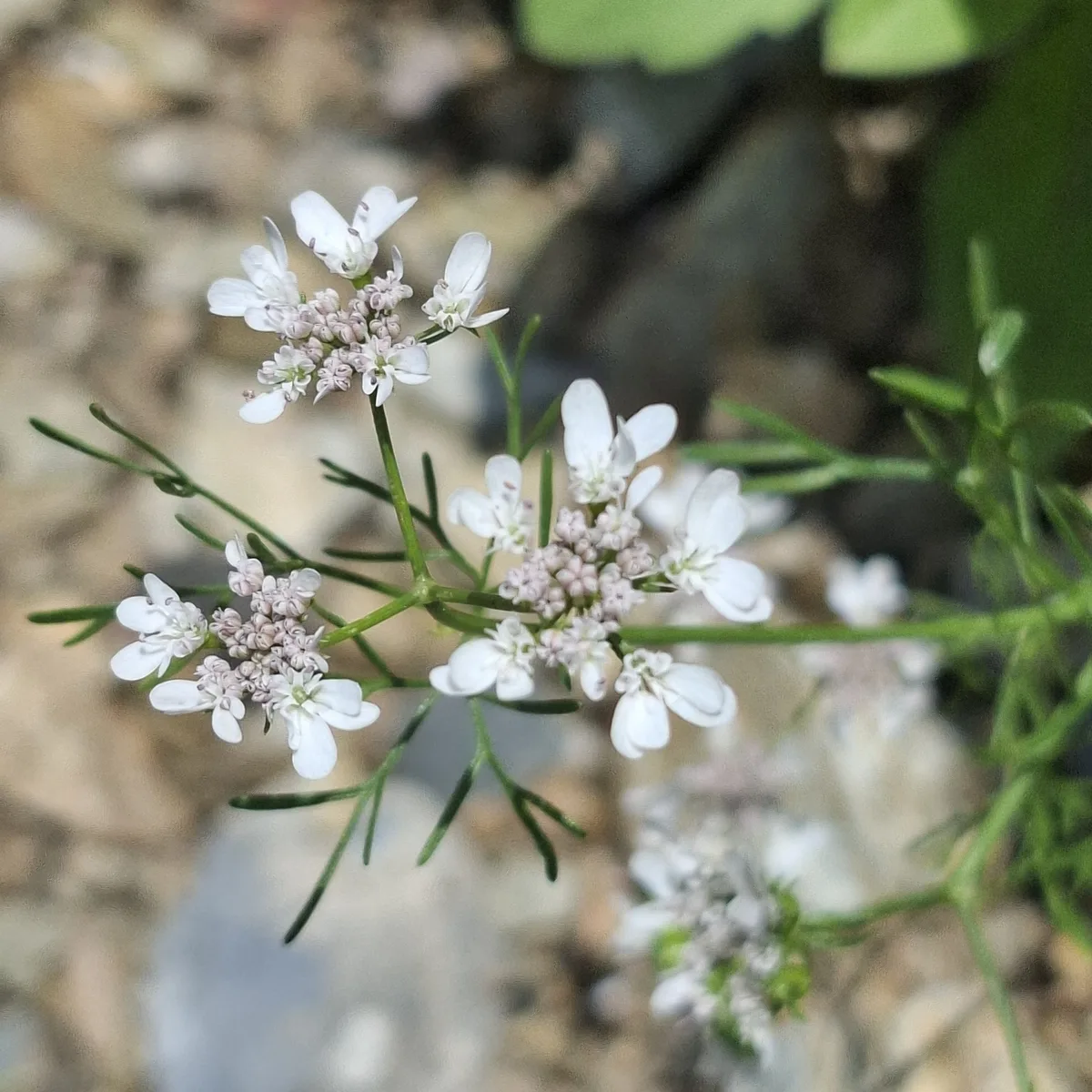
Small cilantro flowers attract insects that can move pollen among compatible plants.
Separate Varieties When Purity Matters
Different cilantro varieties flowering together can cross, so isolation may be needed for strict seed maintenance.
Use Time Isolation if Practical
Non-overlapping flowering periods can reduce opportunities for crossing.
Label Seed Plants Clearly
Keep variety names attached to plants through the flowering and drying stages.
Watch Flowers Develop Into Seed
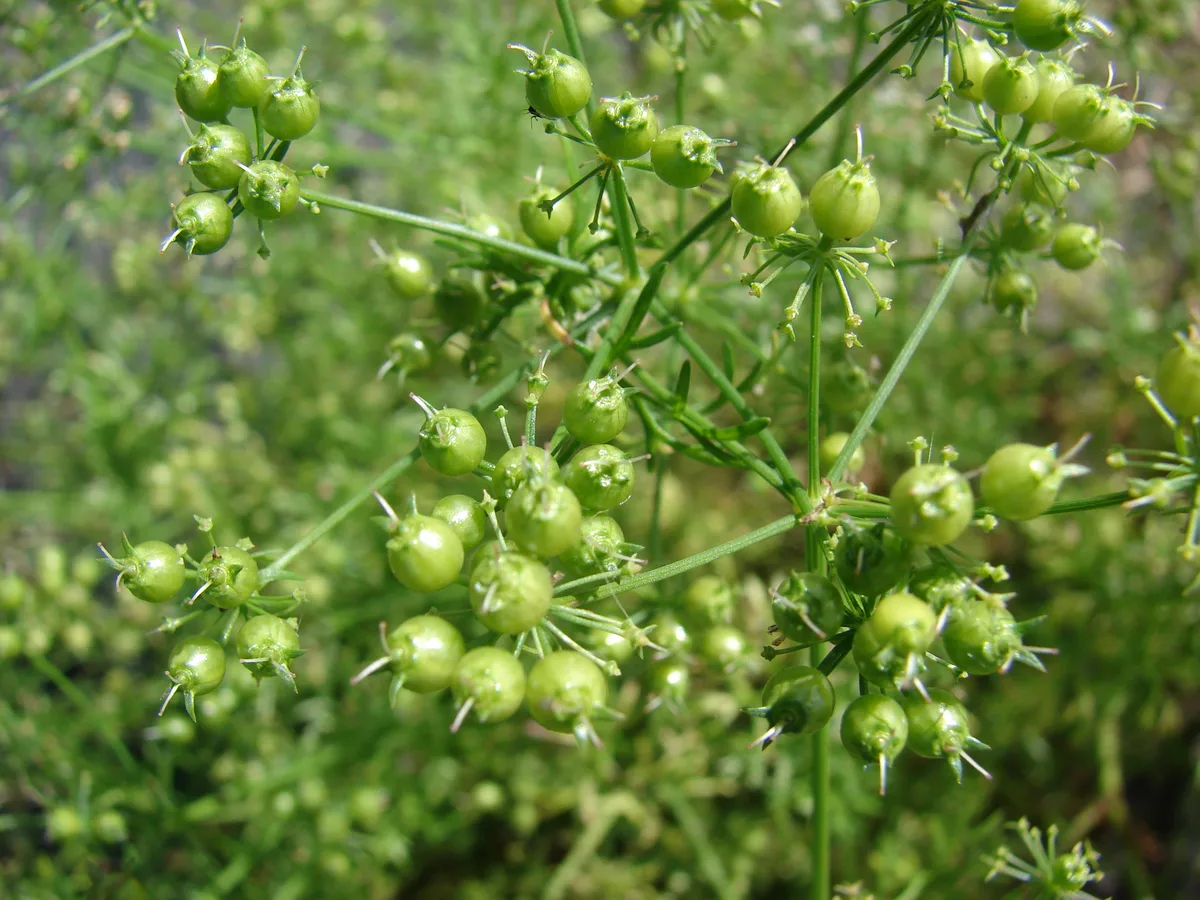
After pollination, round green seed structures form along the flower stems.
Do Not Harvest Green Seed Too Early
Seed needs time to mature and dry before storage.
Watch Seed Change Color
Mature coriander seed becomes tan to brown as stems and seed heads dry.
Expect Uneven Maturity
Not every seed cluster ripens at exactly the same time.
Harvest Before Heavy Shattering
Very dry mature seed can fall from plants if left too long in wind or storms.
Cut Seed Stems Into a Container
Harvest over a bag, bucket, or tray so loose seed is not lost.
Use Paper Bags for Final Drying
Paper allows airflow while catching seed that falls from drying stems.
Do Not Seal Damp Material in Plastic
Trapped moisture can encourage mold and spoilage.
Finish Drying Before Threshing
Dry stems and seed heads are easier to separate than green material.
Thresh Gently
Rub or crush dry seed heads enough to release the coriander seed.
Use a Clean Work Surface
A tray or sheet makes it easier to catch and sort small seed.
Separate Stems and Chaff
Use screens, hand sorting, or gentle winnowing to clean the seed.
Avoid Crushing the Seed
Handle mature coriander gently so seed coats are not damaged unnecessarily.
Inspect for Immature Seed
Remove obviously green, shriveled, or damaged material when practical.
Dry Cleaned Seed Completely
Spread seed in a thin layer if additional drying is needed before storage.
Label the Container
Include variety, harvest year, source, and isolation notes.
Store Cool and Dry
Stable low-humidity storage helps preserve seed viability.
Keep Different Years Separate
Separate harvests make it easier to track age and germination performance.
Test Older Seed Before Sowing
A germination test can show whether an older lot still has adequate viability.
Expect Volunteer Seedlings
Coriander seed that falls naturally may germinate when conditions become favorable.
Use Volunteers Carefully for Seed Maintenance
Volunteer plants may be useful, but their parentage can be uncertain if multiple varieties were flowering nearby.
Save Seed From Several Plants
Using multiple healthy parents can preserve more diversity within an open-pollinated line.
Keep Selection Records
Document bolting time, leaf quality, heat tolerance, vigor, and other useful traits.
Use Saved Seed for Succession Planting
A reliable home-saved lot can support repeated sowings throughout the appropriate season.
Do Not Confuse Culinary Coriander With Planting Quality Automatically
Seed intended for eating may not have been handled or stored to preserve germination.
Practical Takeaway
Save cilantro seed by allowing selected plants to bolt and flower, protecting varietal purity when needed, waiting until coriander seed turns mature and dry, harvesting before heavy shattering, cleaning gently, and storing fully dry labeled seed.