Growing Spinach From Seed
Spinach is a fast-growing cool-season leafy vegetable that is usually direct sown into the garden. It performs best during cool conditions and can bolt quickly when days lengthen and temperatures rise. Good seasonal timing, steady moisture, proper spacing, and repeated small sowings can extend the harvest.


Explore the Spinach plant profile →
On this page
Choose a variety
Choose a Spinach Variety
Varieties differ in leaf texture, growth speed, bolt resistance, disease resistance, and suitability for different seasons.
Match the Variety to the Season
Heat-tolerant or slow-bolting types may last longer in warming weather, while other varieties perform best in cool periods.
Sow spinach
Direct Sow Spinach
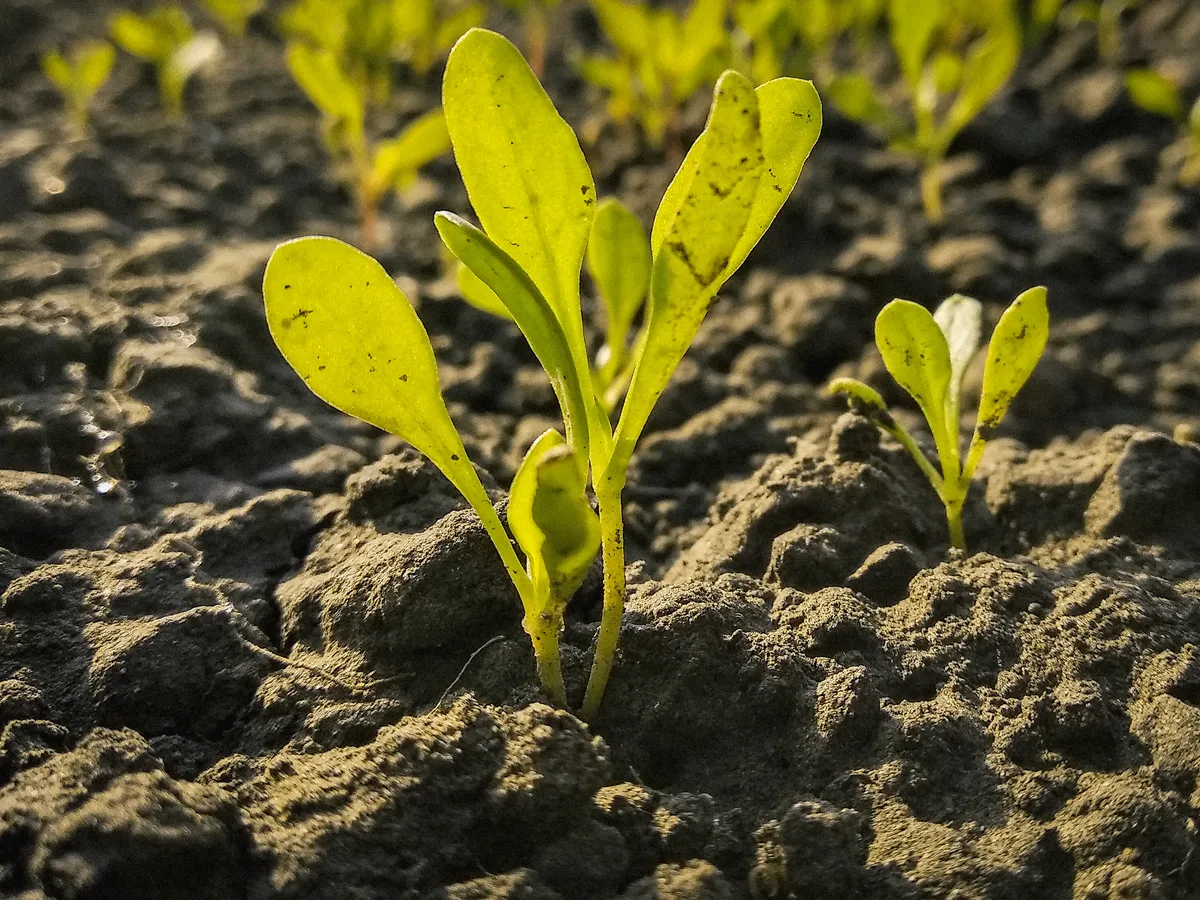
Spinach is commonly seeded where it will grow because it establishes quickly and does not require transplanting for most garden production.
Use Loose Well-Drained Soil
Roots grow best where soil holds useful moisture without staying saturated.
Follow Packet Depth Guidance
Plant seed at the recommended depth rather than burying it too deeply.
Keep the Seedbed Moist
Maintain consistent moisture during germination, especially near the surface.
Thin Crowded Seedlings
Dense stands can reduce airflow and produce smaller leaves. Thin according to the intended harvest size.
Use Thinnings as Baby Greens When Appropriate
Healthy young leaves can be harvested while creating more room for the plants left behind.
Use Succession Sowing
Small plantings made at intervals can provide a steadier harvest during suitable weather.
Care for plants
Grow Spinach in Cool Weather
Spinach generally performs best during cool conditions and may bolt quickly as temperatures and day length increase.
Choose Sun or Partial Shade
Strong light supports growth, while some shade can help reduce heat stress in warming weather.
Water Consistently
Repeated drought stress can reduce leaf quality and accelerate bolting.
Avoid Waterlogged Soil
Maintain even moisture while preserving air around the roots.
Use Mulch After Establishment
A light mulch can reduce evaporation, suppress weeds, and moderate soil temperature.
Control Weeds Early
Young spinach competes poorly with established weeds.
Watch for problems
Watch for Leaf Miners
Leaf-mining larvae can create pale tunnels or blotches inside leaves. Inspect foliage regularly.
Watch for Aphids
Aphids may gather on tender inner leaves and the undersides of foliage.
Watch for Downy Mildew
Cool humid conditions can favor downy mildew in susceptible varieties. Disease-resistant cultivars can be useful where the problem is common.
Improve Airflow
Avoid excessive crowding so foliage can dry after rain or irrigation.
Harvest leaves
Harvest Outer Leaves
Pick mature outer leaves while leaving the center intact for continued growth.
Harvest Whole Plants if Desired
Spinach can also be cut or pulled as a whole plant when it reaches the preferred size.
Harvest Baby Spinach Early
Dense stands can be harvested young for tender leaves before plants require wider spacing.
Do Not Delay Harvest in Warming Weather
Once bolting begins, leaves often become less desirable and the plant shifts toward flowering.
Recognize Bolting
The central stem begins elongating rapidly and leaves may change shape as the plant enters its reproductive stage.
Replace Bolting Plants
Once plants have clearly bolted, a new sowing in a better season is usually more productive than trying to reverse the process.
Containers and later crops
Grow Spinach in Containers
Spinach grows well in containers with adequate drainage, root space, light, and regular moisture.
Use Wide Containers for Multiple Plants
A broad container provides useful surface area for a small stand of leafy greens.
Check Containers Often
Potted spinach can dry faster than in-ground plants, especially during sunny or windy weather.
Use Clean Harvest Tools
Clean scissors or knives help avoid unnecessary damage when cutting leaves or whole plants.
Remove Damaged Leaves
Discard badly diseased or decaying foliage so it does not remain mixed with healthy harvestable leaves.
Plan Fall and Winter Crops Where Climate Allows
In mild areas, spinach may perform especially well during cooler seasons when summer heat is absent.
Protect Young Plants From Sudden Cold Where Needed
Spinach tolerates cool conditions well, but newly emerged seedlings can still benefit from protection during unusually severe weather.
Save seed
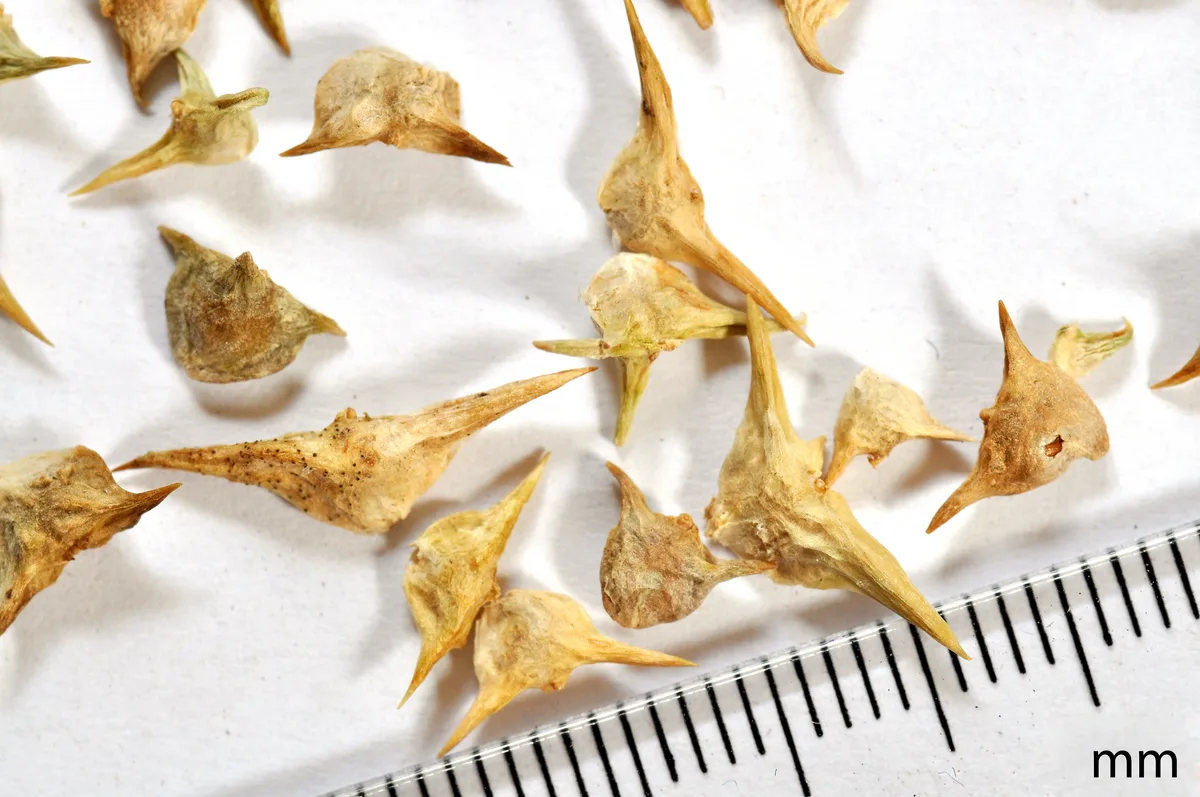
Save Seed With Care
Spinach is wind-pollinated and can cross with compatible spinach varieties flowering nearby.
Allow Seed Plants to Mature Fully
For seed saving, selected plants must be allowed to bolt, flower, and produce mature dry seed.
Dry Seed Before Storage
Allow harvested seed to finish drying before sealing it into labeled storage.
Practical Takeaway
Direct sow spinach during cool weather, thin according to harvest size, maintain consistent moisture, harvest before heat-driven bolting reduces quality, and use succession sowings to extend production.