Growing Kale From Seed
Kale is a cool-season leafy brassica that grows readily from seed and can be harvested over a long period when conditions remain favorable. It can be started indoors for transplanting or direct sown into prepared soil. Strong light, steady moisture, productive soil, proper spacing, and regular pest checks help plants produce healthy leaves.
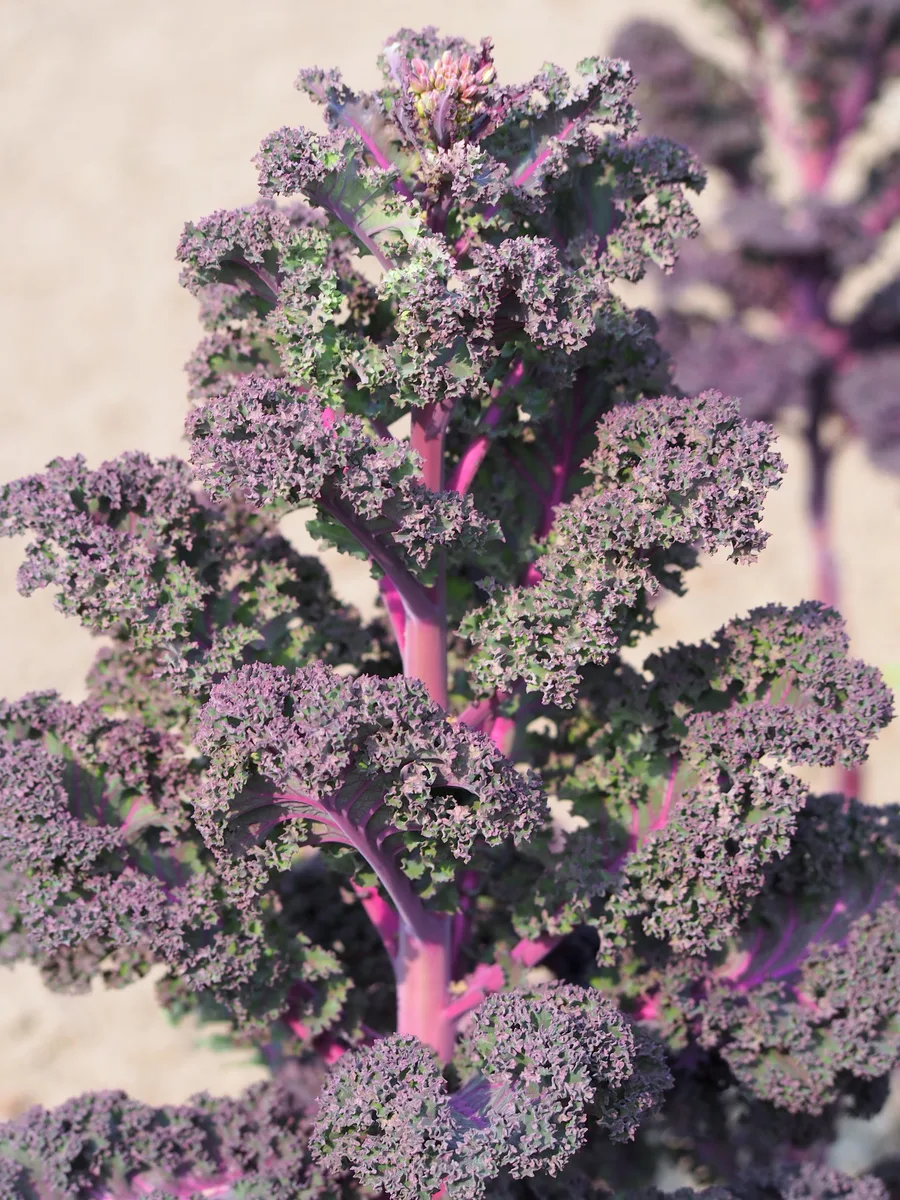

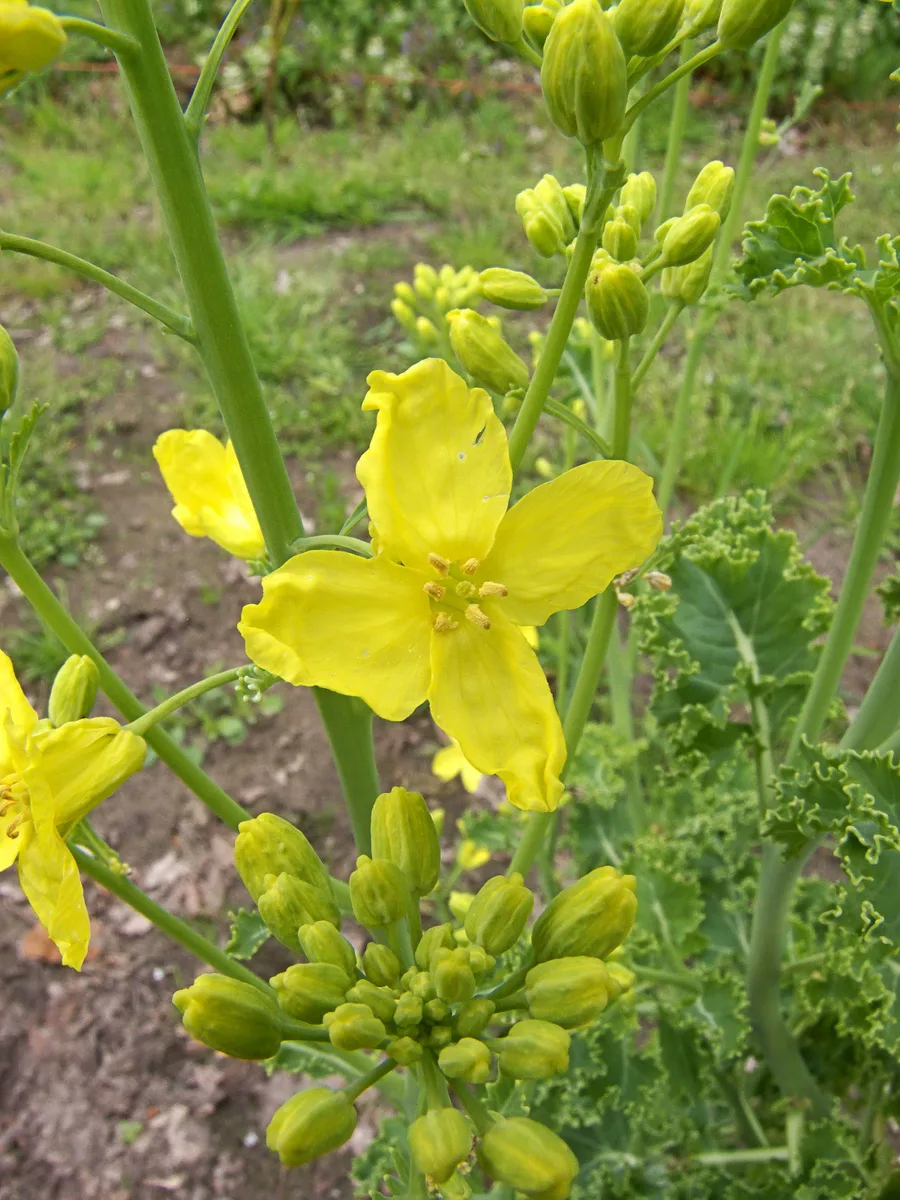

Explore the Kale plant profile →
On this page
Choose and plan
Choose a Kale Variety
Kale varieties differ in leaf shape, color, texture, mature size, cold tolerance, heat tolerance, and harvest style.
Match the Variety to the Season
Some types tolerate cold especially well, while others remain productive longer as temperatures rise. Choose varieties suited to the expected growing conditions.
Start seeds indoors
Start Indoors for Transplants
Indoor sowing can provide established seedlings ready to move into the garden during the preferred planting window.
Use a Clean Seed-Starting Mix
A light, well-drained mix keeps young roots supplied with moisture and air without becoming compacted.
Sow at Packet Depth
Follow the seed supplier's planting depth instead of burying kale seed more deeply than necessary.
Keep the Mix Evenly Moist
Do not allow germinating seed to dry repeatedly, but avoid keeping trays continuously saturated.
Provide Strong Light After Emergence
Kale seedlings can stretch under weak light. Bright conditions help produce compact plants with stronger stems.
Provide Gentle Air Movement
Air circulation helps reduce stagnant humidity and encourages sturdier seedling growth.
Care for seedlings
Thin Crowded Seedlings
Give each plant enough room for roots and leaves before heavy competition develops.
Pot Up When Needed
If seedlings remain indoors long enough to fill their cells with roots, move them into larger containers before severe crowding develops.
Plant outside
Harden Off Before Transplanting
Gradually introduce indoor-grown plants to outdoor sunlight, wind, and temperature changes.
Direct Sow When Conditions Fit
Kale can also be seeded directly into prepared garden soil when temperature and season length support germination and establishment.
Prepare Productive Soil
Kale grows best in soil with useful organic matter, adequate fertility, and good drainage.
Use Soil Testing When Needed
A soil test can guide nutrient and pH decisions more accurately than applying fertilizer without knowing existing conditions.
Space Plants for the Intended Harvest
Plants grown for full-size leaves require more room than dense plantings intended for very young leaves.
Care and protect
Water Consistently
Steady moisture supports continuous leaf production and helps reduce stress during dry weather.
Use Mulch After Establishment
Organic mulch can conserve moisture, reduce weeds, and moderate soil temperature around established plants.
Control Weeds Early
Young kale competes poorly with aggressive weeds. Remove weeds before they become large.
Watch for Cabbage Caterpillars
Several caterpillars commonly feed on brassica foliage. Inspect both leaf surfaces and the growing point regularly.
Watch for Aphids
Aphids may cluster on young leaves and inside curled growth. Early inspection makes infestations easier to notice.
Use Insect Barriers Where Appropriate
Row cover or insect netting can reduce pest access when installed before pests arrive and secured without gaps.
Protect Young Seedlings From Slugs
Slugs and snails can damage small plants quickly during damp weather. Check damaged plants and nearby hiding places.
Harvest leaves
Harvest Outer Leaves First
Removing mature outer leaves while leaving the central growing point allows the plant to continue producing.
Do Not Damage the Growing Point
Repeated leaf harvest works best when the central crown remains intact and healthy.
Harvest Baby Leaves if Desired
Kale can be harvested young from denser sowings when tender leaves are the goal.
Expect Flavor and Texture to Change With Weather
Leaf quality can vary with temperature, plant age, water stress, and variety.
Watch for Heat Stress
High temperatures can slow growth and reduce leaf quality in some varieties.
Use Succession Plantings
Additional sowings can provide younger plants as older ones decline or become heavily harvested.
Containers and seed saving
Grow Kale in Containers
Kale can grow in containers with adequate root space, drainage, sunlight, and regular watering.
Check Containers Frequently
Potted kale can dry faster than plants in the ground, particularly during sunny or windy weather.
Save Seed With Care
Kale is a biennial Brassica oleracea crop and can cross with cabbage, broccoli, cauliflower, and other compatible varieties. Seed saving requires isolation and a plan for carrying plants into flowering.
Practical Takeaway
Grow kale from seed in productive well-drained soil, provide strong light and steady moisture, space plants according to harvest style, monitor brassica pests, and harvest outer leaves while protecting the central growing point.