Growing Lettuce From Seed
Lettuce is a cool-season crop that is easy to grow from seed when temperature, moisture, spacing, and harvest timing are managed well. Seeds are small and should be planted shallowly, and seedlings perform best when they are not crowded or allowed to dry severely. Lettuce can be grown for baby leaves, full heads, loose-leaf harvests, or seed, and the planting method can be adjusted to match the intended use.
.jpg)
.jpg)
Explore the Lettuce plant profile →
On this page
Choose a lettuce type
Choose a Lettuce Type
Common types include loose-leaf, romaine, butterhead, and crisphead lettuce, each with different growth habits and maturity patterns.
Match Variety to the Season
Some varieties tolerate heat better than others, while many perform best in cool spring or fall conditions.
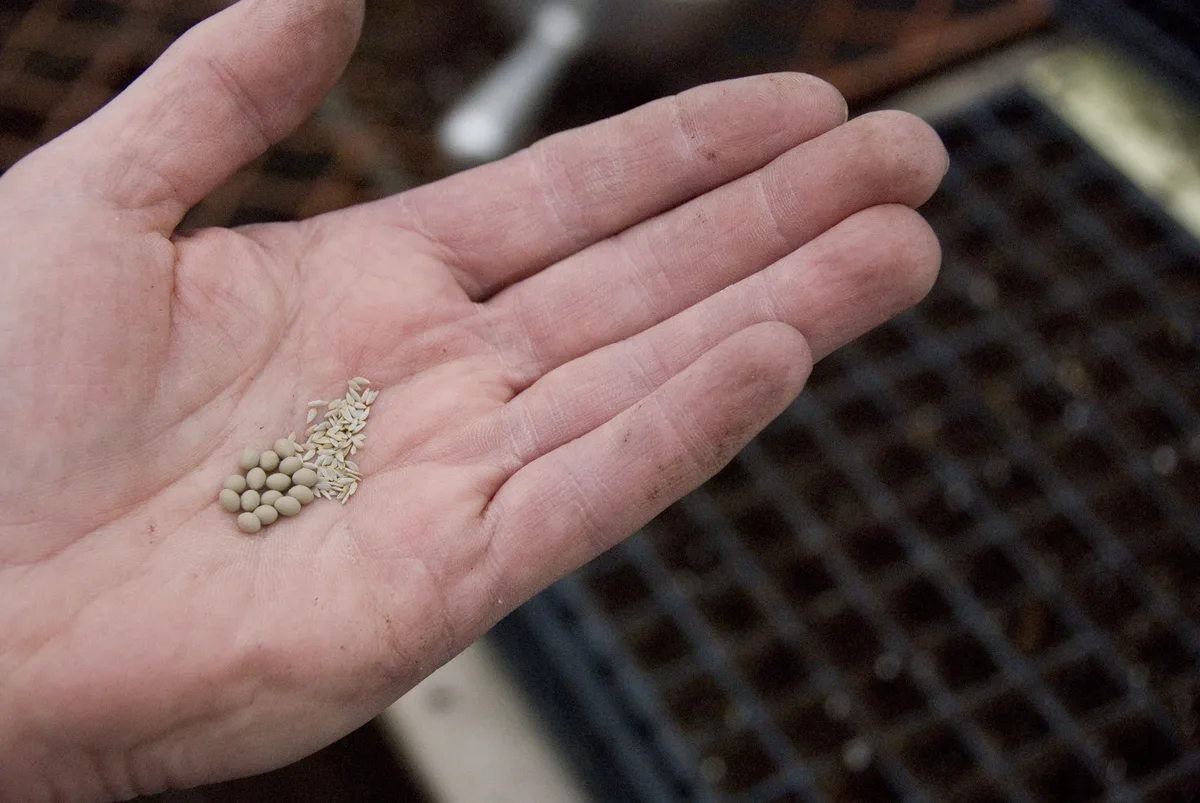
Use Fresh Seed
Fresh viable lettuce seed generally produces more uniform stands than very old or poorly stored seed.
Sow seeds
Understand Lettuce Germination
Lettuce seed usually germinates best under relatively mild conditions and can struggle when the seed zone becomes too warm.
Plant Shallowly
Lettuce seed is small and should be covered only lightly according to the seed packet or variety guidance.
Do Not Bury Seed Deeply
Deep planting can reduce emergence because small seeds have limited stored energy.
Prepare a Fine Seedbed
Break up large clods and remove debris so small seedlings can emerge through an even surface.
Keep the Surface Evenly Moist
The shallow seed zone can dry rapidly, so consistent moisture is especially important during germination.
Use Gentle Watering
A strong stream can move seed, wash out soil, or crust the surface.
Consider Bottom Watering Indoors
Seed trays can be watered from below to reduce disturbance around newly germinated seedlings.
Do Not Keep the Medium Saturated
Lettuce roots need oxygen as well as moisture, and constantly waterlogged conditions can cause disease problems.
Expect Quick Emergence Under Good Conditions
Healthy lettuce seed often germinates relatively quickly when temperature and moisture are suitable.
Care for seedlings
Provide Light Soon After Emergence
Seedlings need adequate light to remain compact and sturdy.
Avoid Leggy Seedlings
Weak stretched seedlings usually indicate insufficient light or overcrowding.
Thin Crowded Seedlings
Plants grown too close together compete for light, moisture, nutrients, and airflow.
Space According to Harvest Goal
Baby-leaf production can use closer spacing than plants intended to form mature heads.
Plant outdoors
Direct Sow Outdoors
Lettuce can be planted directly into prepared garden soil when conditions are suitable.
Start Lettuce Indoors
Seedlings can also be started in trays and transplanted when conditions outside improve.
Harden Off Indoor Seedlings
Gradually expose seedlings to outdoor sun, wind, and temperature before permanent planting.
Transplant Gently
Handle the root ball carefully and avoid crushing small stems.
Plant at an Appropriate Depth
Keep the crown near the soil surface rather than burying it deeply.
Use Loose Fertile Soil
Lettuce grows best in soil that drains well while still holding enough moisture for steady growth.
Use Compost Appropriately
Well-finished compost can improve soil structure and fertility when incorporated before planting.
Use Soil Testing When Fertility Is Uncertain
A soil test can help avoid unnecessary or excessive fertilizer applications.
Do Not Overfertilize
Excess fertilizer can stress roots or produce growth that is poorly balanced.
Care for plants
Maintain Consistent Moisture
Lettuce has relatively shallow roots and can wilt quickly when the upper soil dries severely.
Water the Root Zone
Apply enough water to moisten the soil where roots are growing rather than only wetting the surface.
Avoid Repeated Severe Wilting
Moisture stress can reduce leaf quality and encourage early bolting under hot conditions.
Use Mulch After Establishment
A light mulch can help conserve moisture and moderate soil temperature.
Do Not Bury Small Plants in Mulch
Keep heavy material away from young crowns and tiny seedlings.
Manage growing problems
Watch for Heat Stress
Warm weather can speed bolting and cause bitter or lower-quality leaves in many varieties.
Use Seasonal Timing to Avoid Extreme Heat
Planting during cooler periods is often more effective than trying to force lettuce through sustained high temperatures.
Use Shade Strategically
Afternoon shade or shade cloth can sometimes extend the growing period during warm weather.
Watch for Slugs and Snails
Tender lettuce leaves are attractive to these pests, especially in damp areas.
Watch for Aphids
Inspect inner leaves and growing points where colonies may develop.
Remove Diseased Leaves
Damaged or badly diseased foliage should not remain packed against healthy plants.
Improve Airflow
Reasonable spacing helps leaves dry after rain or irrigation.
Harvest lettuce
Harvest Outer Leaves
Loose-leaf varieties can often be harvested gradually while the center continues growing.
Harvest Whole Heads
Head-forming lettuce can be cut near the base when it reaches the desired size and quality.
Harvest During Cool Conditions
Leaves are often crisper and less wilted when harvested during cooler parts of the day.
Wash Harvested Lettuce Carefully
Remove soil and debris using clean water and appropriate food-handling practices.
Cool Lettuce Promptly
Fresh leaves lose quality quickly in heat, so prompt cooling helps preserve texture.
Save seed
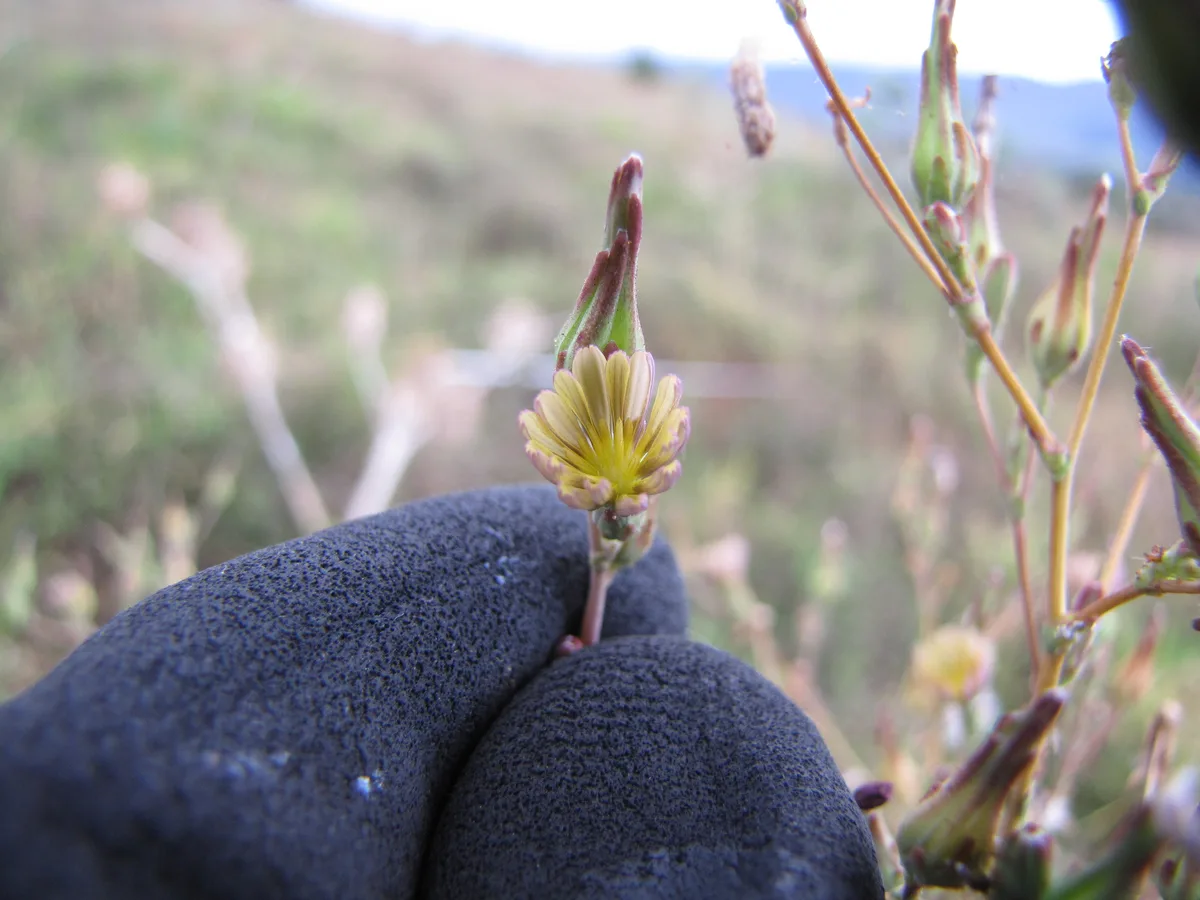
Allow Selected Plants to Bolt for Seed
If saving seed, leave healthy plants in place as they send up flowering stalks.
Expect Lettuce to Self-Pollinate Strongly
Lettuce is largely self-pollinating, though occasional crossing between nearby varieties can occur.
Harvest Mature Dry Seed Heads
Collect seed once flower heads have matured sufficiently and seed can be separated cleanly.
Practical Takeaway
Grow lettuce from shallowly planted seed in cool conditions, keep the seed zone evenly moist, provide strong light after emergence, thin or transplant for proper spacing, maintain steady moisture, protect plants from heat and pests, and harvest according to whether you want baby leaves, full heads, or seed.