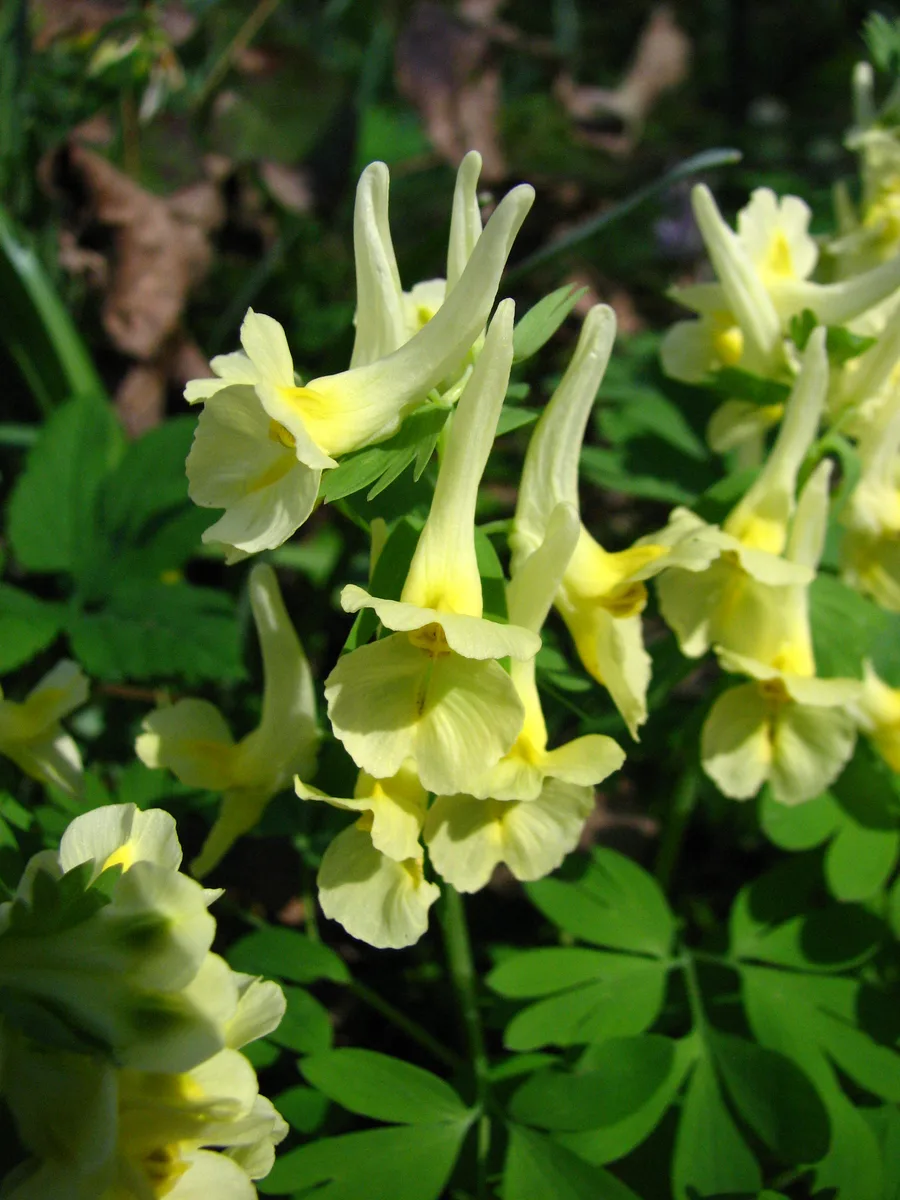
Curved Corydalis
Corydalis curvisiliqua
Family: Papaveraceae
Curved Corydalis grows in partial shade and prefers moist, well-drained soil. Water needs: Moderate.
How to Grow Curved Corydalis
Curved Corydalis growing information includes sunlight requirements of Partial shade, soil conditions listed as Moist, well-drained soil with a soil pH of 5.5-7.5, and Moderate water needs. The listed hardiness zones are 6-10. For propagation reference, the database lists germination or establishment information for Curved Corydalis as 10-21 days, with planting or establishment depth listed as Surface sow. Days to maturity are listed as 60-90 days.
Plant Overview
Curved Corydalis (Corydalis curvisiliqua) is listed in the Papaveraceae family and categorized as a flower with an annual life cycle. This profile summarizes growing information for hardiness, light, soil, water, seed starting, maturity, and other available cultivation details. Difficulty is listed as Easy.
- Plant ID
- PLT-3499
- Family
- Papaveraceae
- Plant type
- Flower
- Life cycle
- Annual
- Difficulty
- Easy
Growing Conditions
Curved Corydalis is listed for partial shade conditions. Water needs are listed as moderate. The database soil reference is Moist, well-drained soil. The listed soil pH range is 5.5-7.5, and the listed hardiness range is 6-10.
- Hardiness zones
- 6-10
- Sunlight
- Partial shade
- Soil
- Moist, well-drained soil
- Soil pH
- 5.5-7.5
- Water needs
- Moderate
Seed & Germination
For seed starting, the listed germination time is 10-21 days and the seed depth is Surface sow. The listed time to maturity is 60-90 days. Use these values as general reference points and adjust for local climate, seed source, and growing conditions.
- Germination
- 10-21 days
- Seed depth
- Surface sow
Harvest & Propagation
- Days to maturity
- 60-90 days
Related Plants
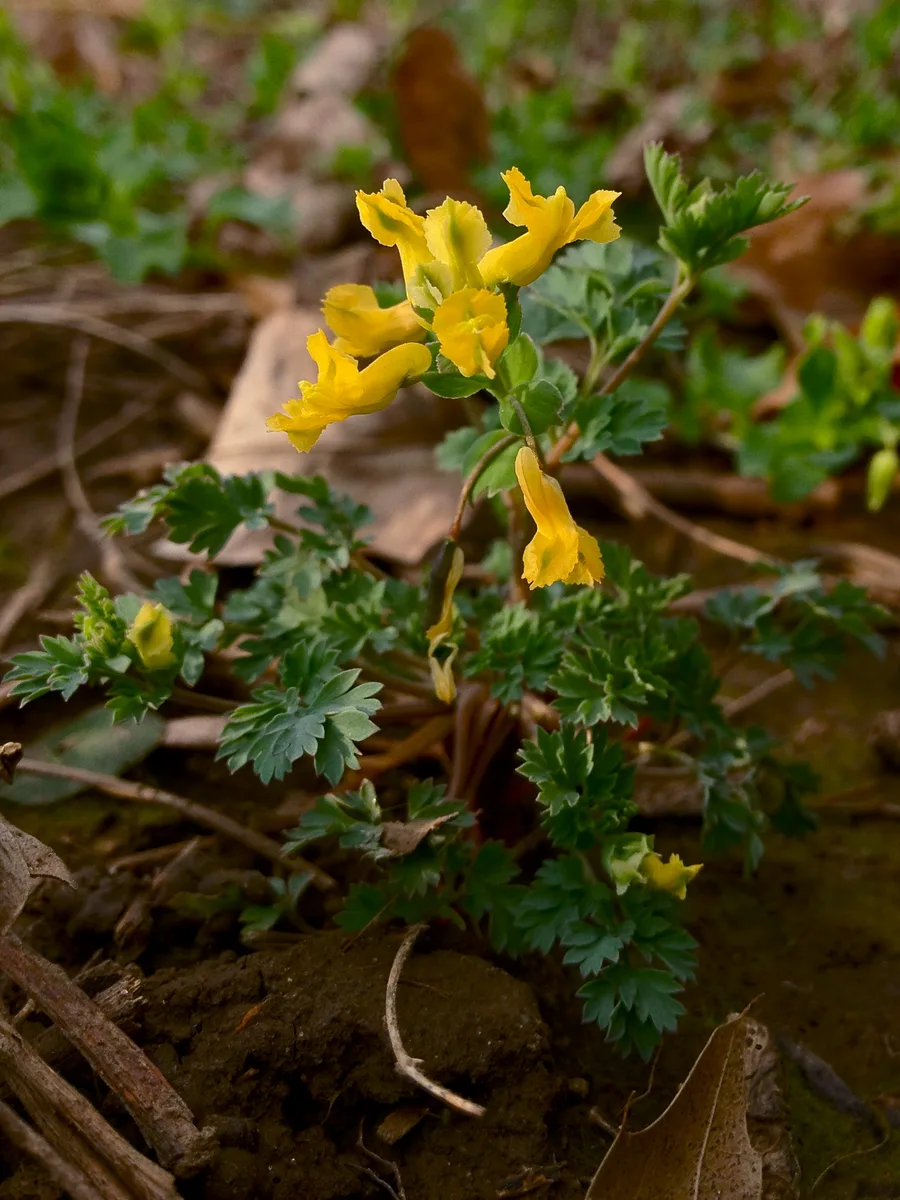
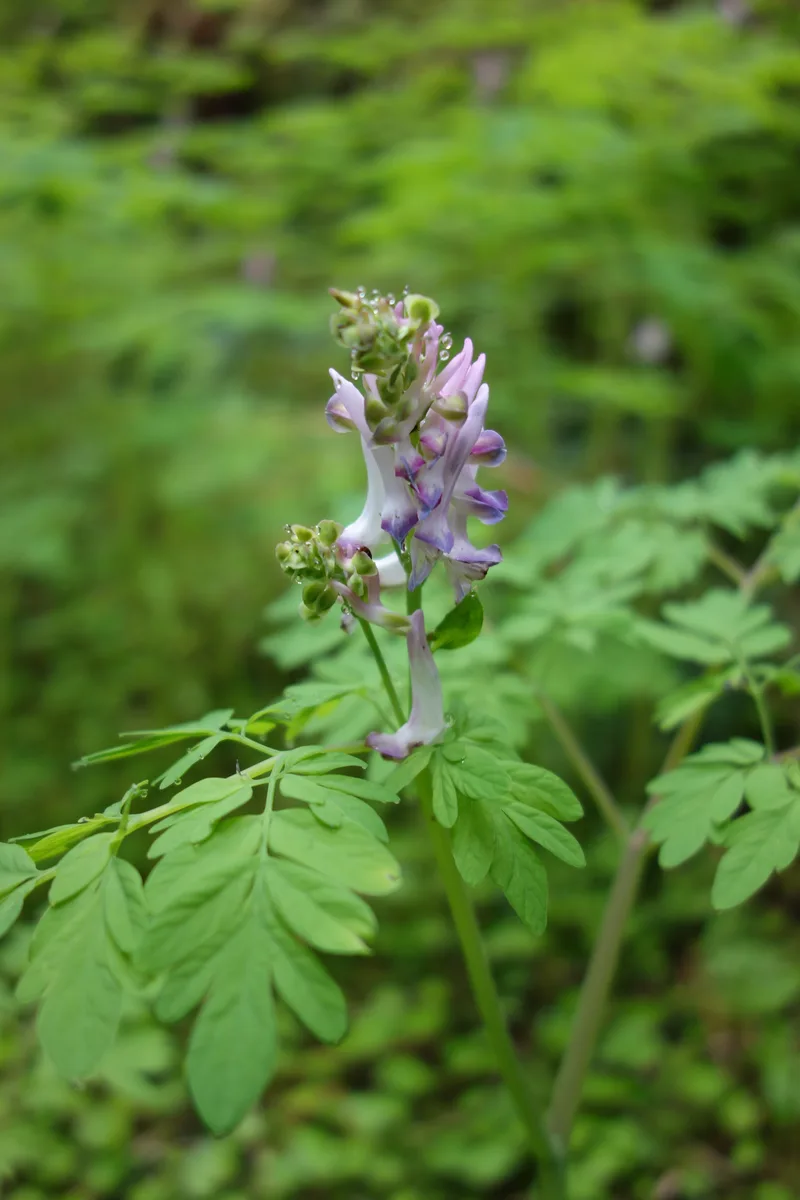
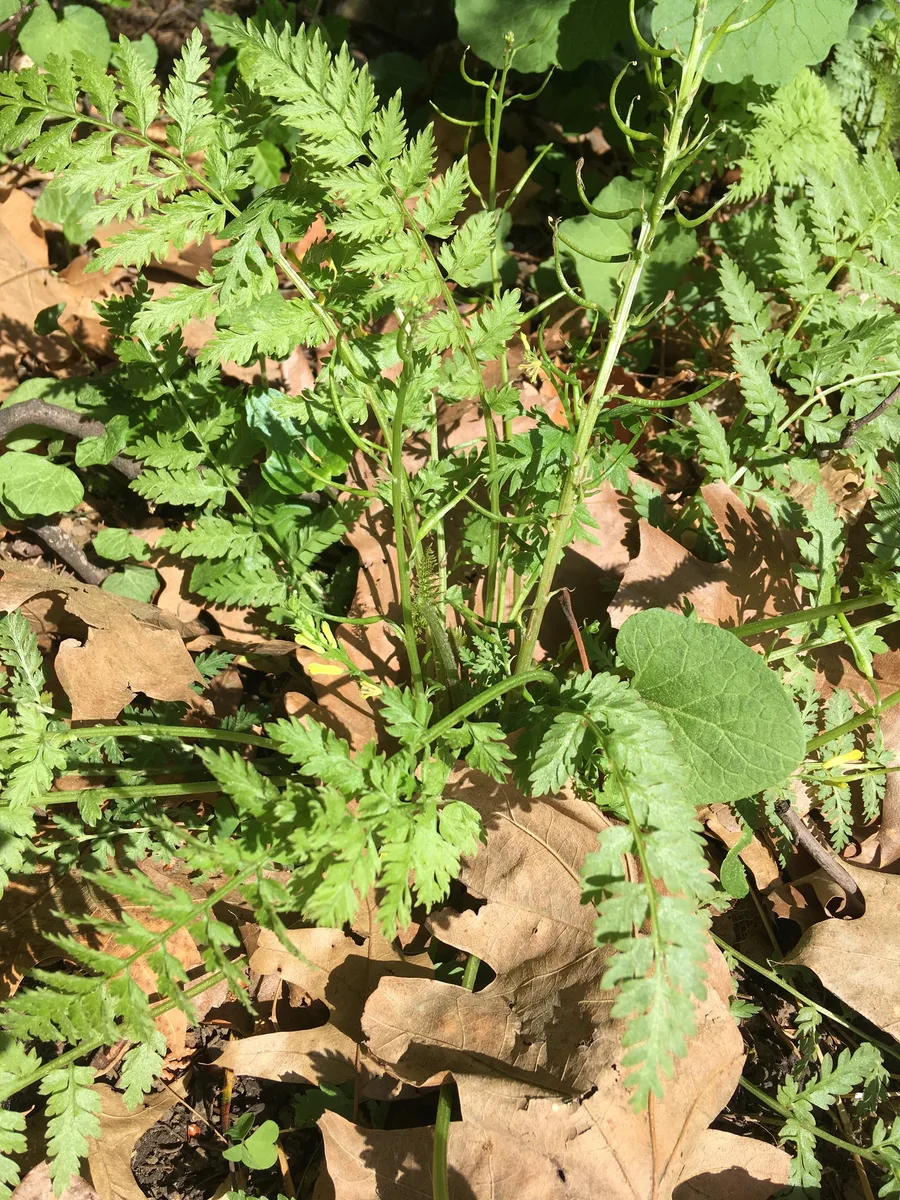
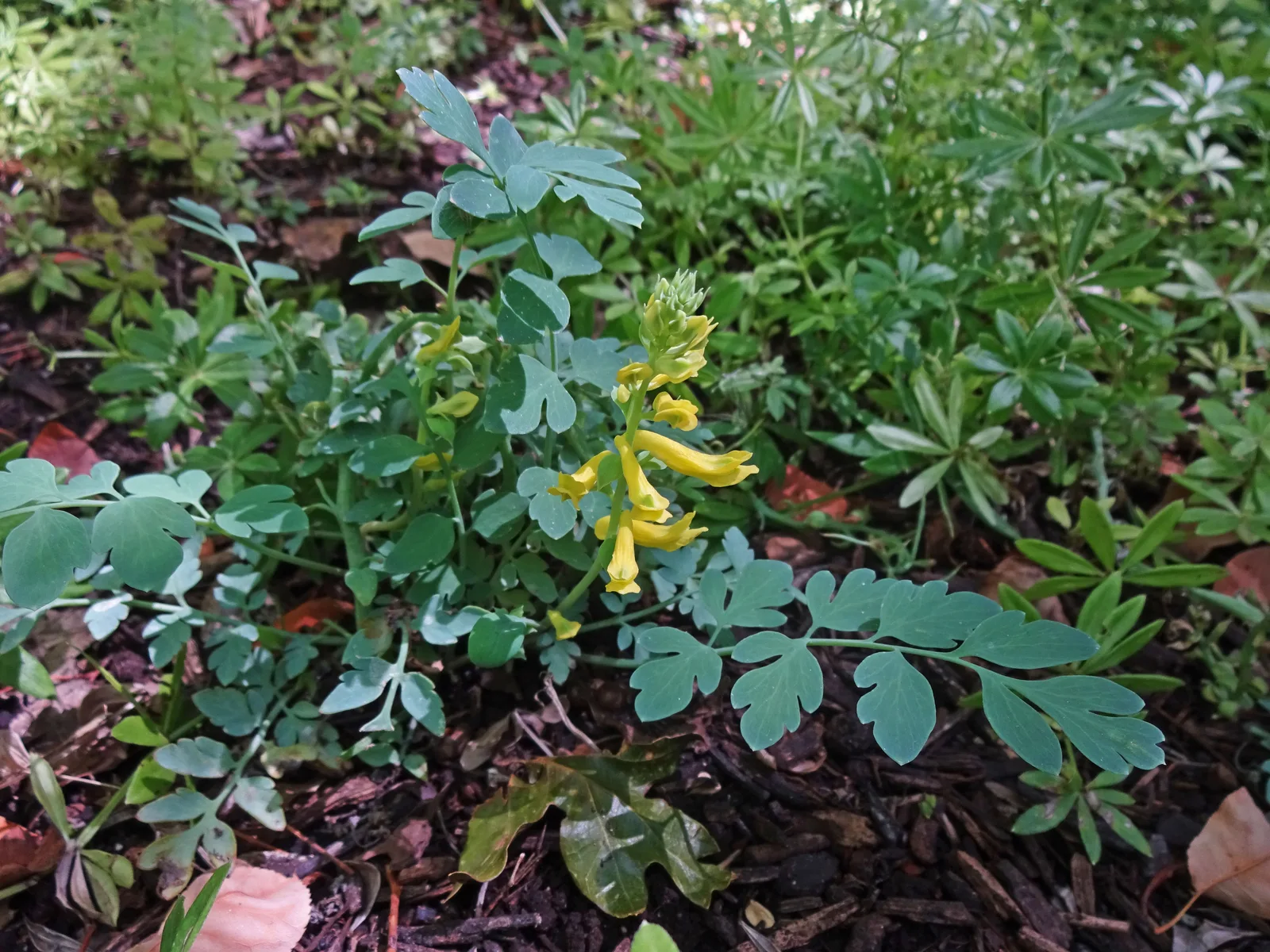
Find, buy, swap, or sell Curved Corydalis
One World One Seed connects this plant profile to community sellers, plant swaps, storefronts, and participating garden retailers.
Growing Reference Note
Plant performance can vary with climate, soil, weather, cultivar, seed quality, and gardening methods. The values on this page are general database reference ranges rather than a substitute for local extension guidance or seed-packet instructions.