Apple
Malus domestica
Family: Rosaceae
Apple grows in full sun and prefers deep, fertile, well-drained loam with good moisture retention. Water needs: Moderate; maintain consistent moisture during establishment and fruit development while avoiding waterlogged soil.
Photo Gallery
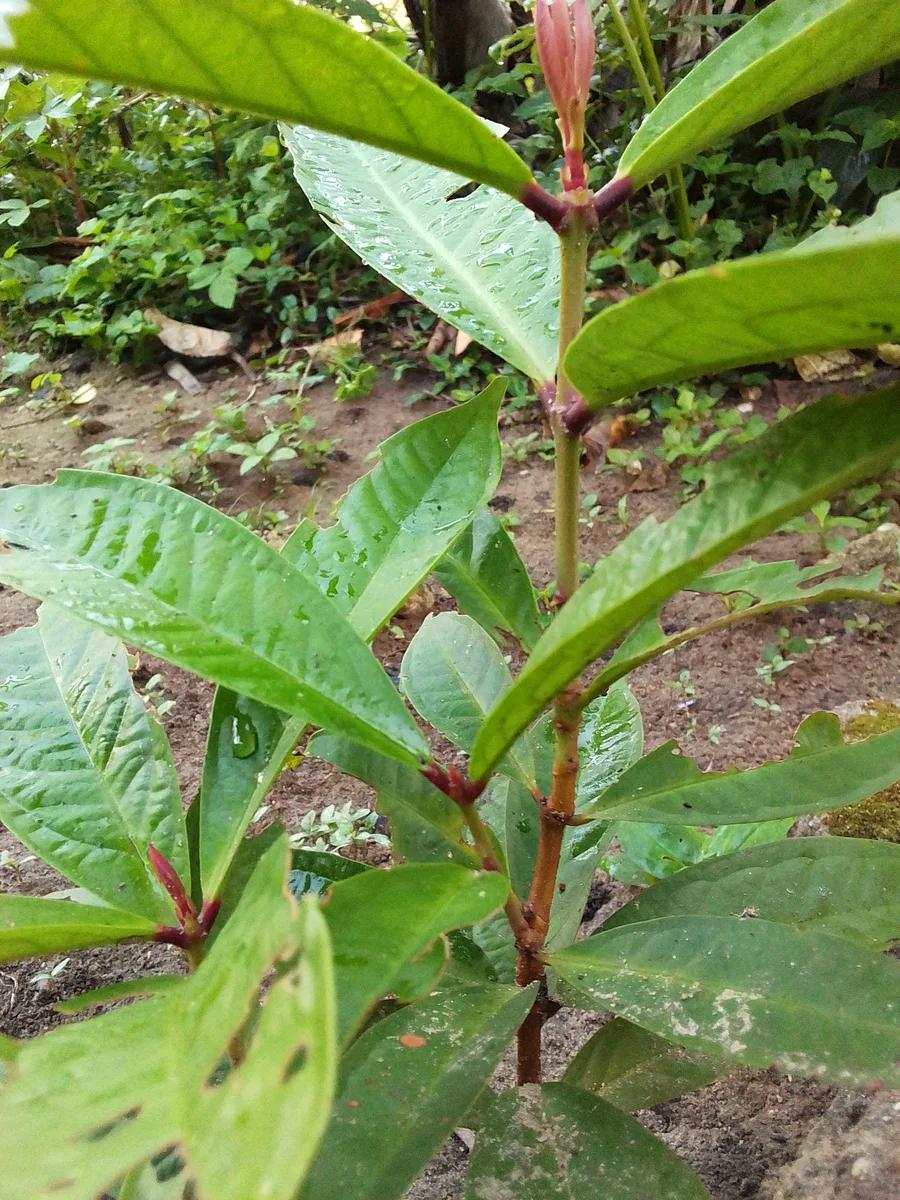
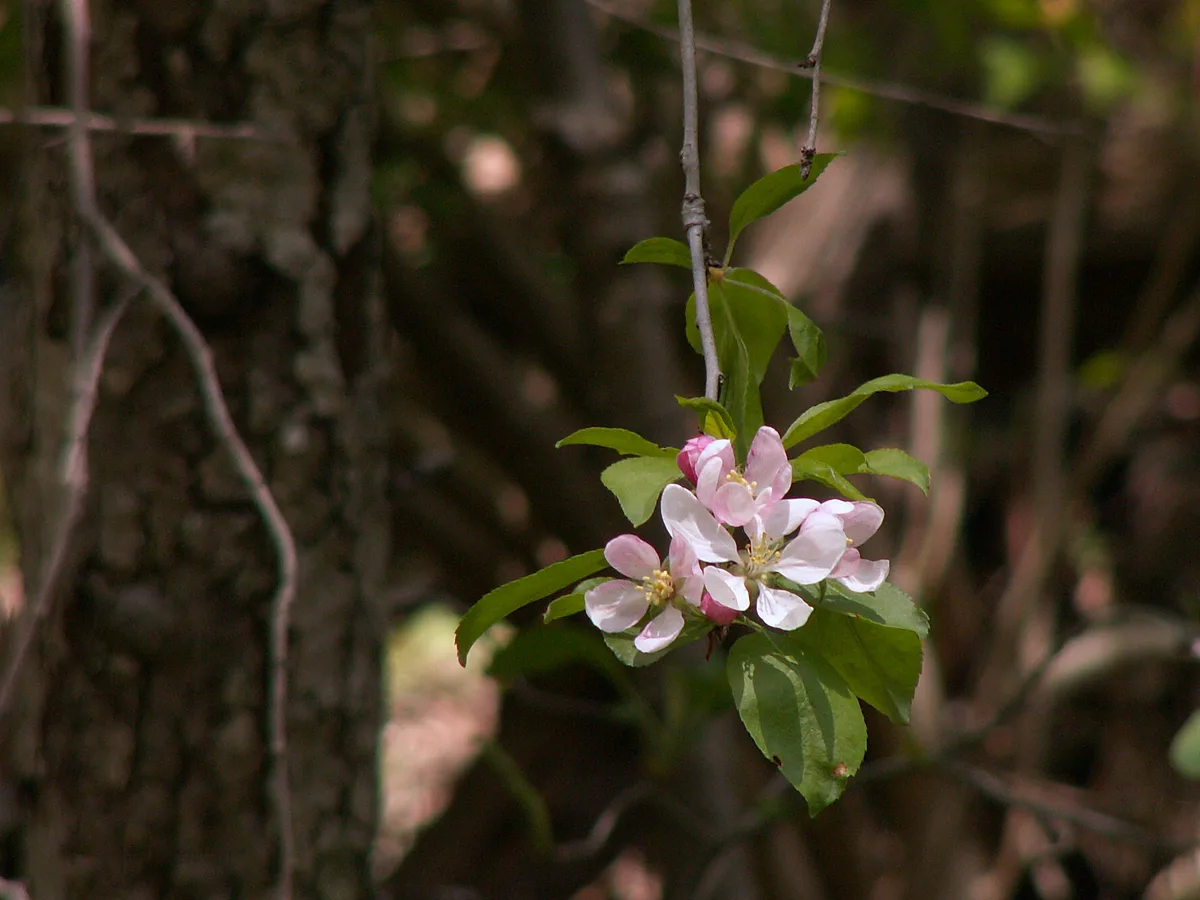
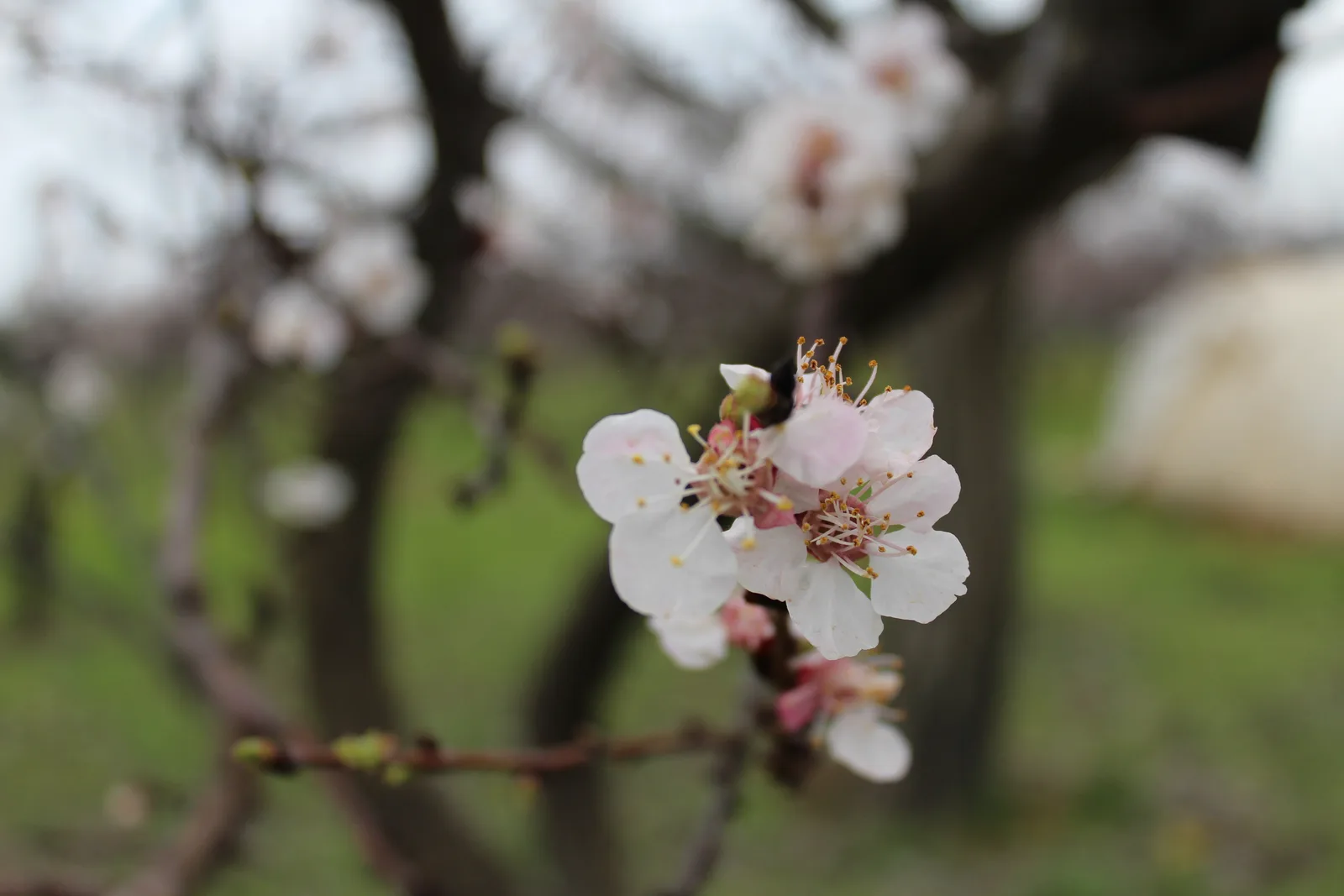
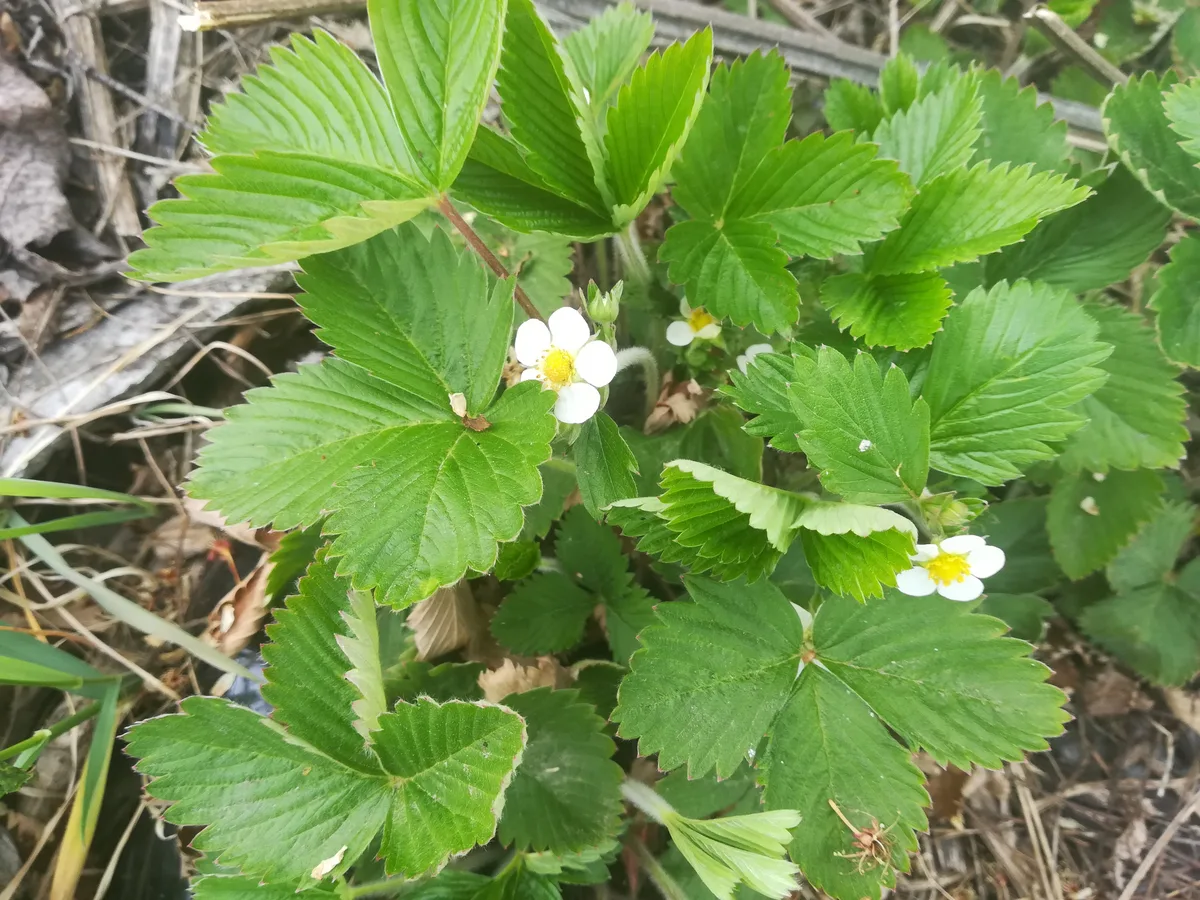
Plant reference images showing growth stages and identifying features.
Photo info
Photo info
How to Grow Apple
Apple growing information includes sunlight requirements of Full sun, soil conditions listed as Deep, fertile, well-drained loam with good moisture retention with a soil pH of 6.0-7.0, and Moderate; maintain consistent moisture during establishment and fruit development while avoiding waterlogged soil water needs. The listed hardiness zones are 3-8. For propagation reference, the database lists germination or establishment information for Apple as Apple seeds generally require a period of moist cold stratification before germination; named cultivars are normally propagated by grafting rather than seed, with planting or establishment depth listed as Seed sowing is mainly used for breeding or rootstock production; named apple cultivars are normally established as grafted nursery trees. Days to maturity are listed as Grafted apple trees may begin bearing within a few years, but time to meaningful production varies substantially with rootstock, cultivar, training, and growing conditions.
Plant Overview
Apple (Malus domestica) is listed in the Rosaceae family and categorized as a fruit with a perennial tree life cycle. This profile summarizes growing information for hardiness, light, soil, water, seed starting, maturity, and other available cultivation details. Difficulty is listed as Moderate.
- Plant ID
- PLT-0097
- Family
- Rosaceae
- Plant type
- Fruit
- Life cycle
- Perennial tree
- Growth habit
- Deciduous fruit tree with a rounded to spreading canopy
- Mature height
- Varies strongly by rootstock and training system; dwarf trees may stay under 10 feet while standard trees can exceed 20 feet
- Mature spread
- Varies by rootstock and pruning; mature canopies commonly spread several to more than 15 feet
- Difficulty
- Moderate
Growing Conditions
Apple is listed for full sun conditions. Water needs are listed as moderate; maintain consistent moisture during establishment and fruit development while avoiding waterlogged soil. The database soil reference is Deep, fertile, well-drained loam with good moisture retention. The listed soil pH range is 6.0-7.0, and the listed hardiness range is 3-8.
- Hardiness zones
- 3-8
- Sunlight
- Full sun
- Soil
- Deep, fertile, well-drained loam with good moisture retention
- Soil pH
- 6.0-7.0
- Water needs
- Moderate; maintain consistent moisture during establishment and fruit development while avoiding waterlogged soil
- Plant spacing
- Space according to rootstock vigor and training system; dwarf trees can be planted much closer than standard trees
Seed & Germination
For propagation, the database note is apple seeds generally require a period of moist cold stratification before germination; named cultivars are normally propagated by grafting rather than seed. Planting-depth guidance: Seed sowing is mainly used for breeding or rootstock production; named apple cultivars are normally established as grafted nursery trees. Maturity guidance: Grafted apple trees may begin bearing within a few years, but time to meaningful production varies substantially with rootstock, cultivar, training, and growing conditions. Use these values as general reference points and adjust for local climate, seed source, and growing conditions.
- Germination
- Apple seeds generally require a period of moist cold stratification before germination; named cultivars are normally propagated by grafting rather than seed
- Germination temperature
- Seed germination follows cold stratification and subsequent cool-to-moderate growing conditions; named cultivars are normally propagated vegetatively
- Seed depth
- Seed sowing is mainly used for breeding or rootstock production; named apple cultivars are normally established as grafted nursery trees
- Sowing method
- Usually established as a grafted or budded nursery tree rather than by direct seeding
- Start indoors
- Not normally started indoors as a fruit crop; grafted nursery trees are used for establishing named cultivars
- Transplanting
- Plant dormant or container-grown nursery trees with roots protected from drying, keeping the graft union above the final soil level
Harvest & Propagation
- Days to maturity
- Grafted apple trees may begin bearing within a few years, but time to meaningful production varies substantially with rootstock, cultivar, training, and growing conditions
- Harvest
- Harvest when fruit has reached cultivar-appropriate color, flavor, firmness, and seed maturity and separates readily from the spur
- Propagation
- Named cultivars are normally propagated by grafting or budding onto selected rootstocks
- Seed saving
- Seeds can be collected from mature apples, but seedlings are genetically variable and will not reliably reproduce the parent cultivar
- Pollination
- Most apple cultivars require pollen from a compatible apple cultivar flowering at the same time; bees are important pollinators
Garden Information
- Common pests
- Codling moth, apple maggot, aphids, mites, scale insects, borers, and other fruit or foliage pests
- Common diseases
- Apple scab, fire blight, powdery mildew, cedar-apple rust, fruit rots, and cankers
- Uses
- Fresh fruit, baking, cider, juice, preserves, sauces, drying, and edible landscapes
Related Plants
Find, buy, swap, or sell Apple
One World One Seed connects this plant profile to community sellers, plant swaps, storefronts, and participating garden retailers.
Where to buy Apple
These products were matched to this plant from participating retailers in the One World One Seed marketplace network.

Malus domestica Baya Marisa
One World One Seed may earn a commission from qualifying purchases. Affiliate disclosure.
Growing Reference Note
Plant performance can vary with climate, soil, weather, cultivar, seed quality, and gardening methods. The values on this page are general database reference ranges rather than a substitute for local extension guidance or seed-packet instructions.